
To successfully maximize space under your bed in Singapore, the best large vacuum storage bags must feature a robust blend of Polyamide and Polyethylene (PA+PE), a reliable double-zip seal, and a secure one-way turbo valve. These specific features are essential to withstand the country’s relentless tropical humidity and prevent air from slowly leaking back into the bags over time. Highly regarded brands such as SpaceSaver and TAILI, along with reputable home-organization brands available at local department stores and online marketplaces, consistently deliver on these technical specifications, making them the top choices for local households.
Selecting the right vacuum storage bag involves more than just picking the largest size available. It requires a clear understanding of material science, precise measurements of your under-bed clearance, and proper packing techniques. By focusing on durable construction and airtight sealing mechanisms, you can protect your seasonal textiles, spare bedding, and bulky winter wear from environmental damage while making the most of your bedroom’s footprint.
Why Under-Bed Storage in Singapore Requires Specialized Vacuum Bags
Singapore’s tropical climate presents unique challenges for home storage, characterized by high relative humidity levels that frequently exceed 80% and warm temperatures year-round. These environmental factors create an ideal breeding ground for mold, mildew, fungi, and dust mites. When textiles such as spare comforters, winter coats, or extra pillows are left in standard, non-airtight containers under the bed, they rapidly absorb ambient moisture from the air, leading to musty odors and permanent fabric damage.
Products mentioned in this guide
![🇸🇬 [SG Stock] Vacuum Storage Bag Compression Bag | Space Saver Storage Bag | Reusable Vacuum Seal Clothes Organizer | 80x60 70x50 60x40cm](https://img.lazcdn.com/g/p/72fe0e2b78e02cd7e5df59f89236c458.jpg_400x400q80.jpg_.webp)
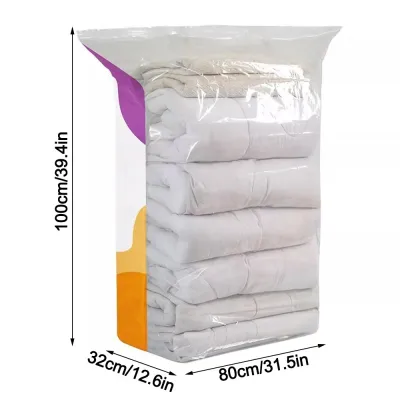
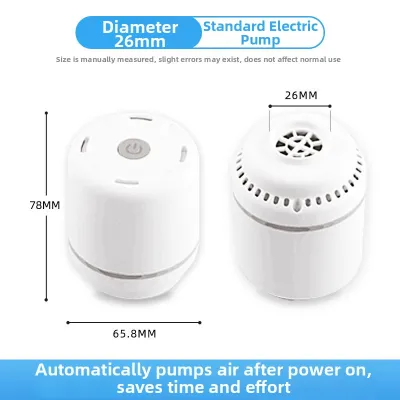
![mixshop Vacumm Compression Storage Bag/ Travel Storage Bag/ Organizer Bag [13 Sizes Available] [SG READY STOCK]](https://img.lazcdn.com/g/p/09e2d5b7eaaf9f1198398ea465184c74.jpg_400x400q80.jpg_.webp)
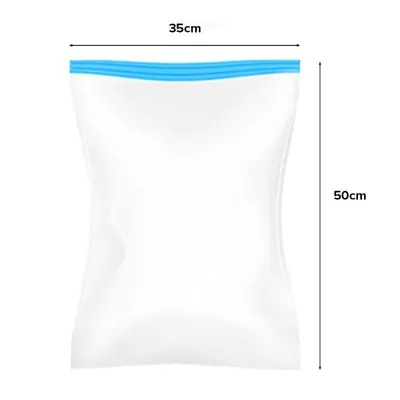
![[✅SG Seller] New Vacuum Bags for Clothing Travel IP67 Reusable Vacuum Compression Bag Vacuum Bag with Airtight Valve](https://img.lazcdn.com/g/p/954fdedc9e107308f7a6a1989a320e9d.jpg_400x400q80.jpg_.webp)
Prices are valid at publication and may change. Please refer to the product page for the latest price.
Residential properties in Singapore, including Housing & Development Board (HDB) flats and modern condominiums, often feature compact bedroom layouts where floor space is at a premium. The area beneath the bed frame represents a highly valuable storage zone that is frequently underutilized or cluttered with mismatched boxes. Utilizing this space efficiently is critical for maintaining an organized, clutter-free living environment.
Standard plastic storage boxes and fabric bins fail to provide a true barrier against the humid tropical air. They allow moisture, dust, and microscopic pests to filter in through small gaps and seams over time. In contrast, high-quality large vacuum storage bags compress bulky items down to a fraction of their original volume while creating a completely hermetic, airtight seal. This isolation protects your stored textiles from the external atmosphere, ensuring they remain clean, dry, and fresh for months or even years.
Key Criteria for Evaluating Vacuum Storage Bag Brands
When evaluating vacuum storage bag brands, the material composition is the most critical factor determining long-term durability. High-quality bags are constructed from a multi-layer blend of Polyamide (PA) and Polyethylene (PE). The PA layer provides exceptional strength, flexibility, and puncture resistance, while the PE layer ensures a reliable airtight seal. Avoid cheaper brands that utilize a PET (Polyethylene Terephthalate) and PE blend; PET is highly brittle, prone to creasing, and easily develops micro-cracks when folded, which leads to rapid vacuum loss.

Valve technology is another essential component to scrutinize before purchasing. Look for brands that feature a dedicated one-way turbo valve. This design allows air to be drawn out rapidly during the vacuuming process but automatically seals shut the moment the vacuum nozzle is removed, preventing any backflow of air. Ensure the valve design is universally compatible with standard household vacuum cleaners as well as manual hand pumps, which are highly useful for travel or when a vacuum cleaner is unavailable.
Sealing mechanisms must be robust enough to withstand the internal pressure of compressed fabrics. Double-zip seals, which feature two parallel tracks of interlocking plastic, are significantly more reliable than single-zip options. A dedicated sealing slider or clip should be included with the bag to help you apply even pressure across the entire length of the zipper, ensuring a complete, gap-free closure.
Visibility and design elements can greatly improve the usability of your under-bed storage system. Opt for bags with clear or semi-transparent panels so you can easily identify the contents of each bag without having to break the vacuum seal. Some brands offer clear front panels with opaque backs, which help maintain a neat, uniform appearance under the bed while still allowing you to see what is stored inside.
Before making a purchase on any local ecommerce platform or at a home-goods retailer, carefully inspect the product packaging or online specifications. Verify that the manufacturer explicitly lists the material as a PA+PE blend and details the presence of a double-zip seal and a one-way valve. Taking these verification steps will save you from the frustration of dealing with cheap, leaky bags that re-inflate within a few days.
How to Measure and Match Large Bags to Your Under-Bed Space
Before purchasing large vacuum storage bags, you must accurately measure the available clearance under your bed frame. Use a standard measuring tape to find the vertical distance from the floor to the lowest point of the bed frame, slats, or support beams. Be sure to account for any center support legs or low-hanging hardware that could snag or puncture a bag as you slide it in and out.
Vacuum storage bags are categorized into various sizes, but “large” is typically the most practical size for under-bed storage. While jumbo or extra-large bags can hold massive amounts of gear, they often expand too wide horizontally, making them difficult to slide under standard single, queen, or king-size bed frames without folding the bag. Folding a fully compressed bag puts immense stress on the plastic and the zipper, which can cause micro-punctures and seal failures.
Estimating the final compressed thickness of your storage bags depends heavily on the types of fabrics you are storing. Highly compressible, fluffy items like down comforters, microfiber pillows, and polyester-filled winter jackets can compress by up to 75% to 80% of their original volume, resulting in a relatively flat package. Conversely, dense, tightly woven items like heavy denim jeans, cotton towels, and wool blankets compress much less—typically only 30% to 50%—and will remain quite firm and thick even after vacuuming.
Always leave a safety margin of at least 3 to 5 centimeters between the top of the compressed bag and the underside of your bed slats. This clearance prevents the bag from rubbing against the rough underside of the bed frame, which can cause friction damage over time. Additionally, ensure the compressed width of the bag does not exceed the depth of your bed frame, allowing the bag to sit completely tucked away and out of sight.
Step-by-Step Guide to Packing and Storing Under the Bed
To ensure your items remain perfectly preserved and the vacuum seal holds indefinitely, follow a structured preparation and packing process. First, verify that all textiles are completely clean and 100% dry. Even a microscopic amount of trapped moisture will lead to mildew growth, musty odors, and fabric deterioration inside the sealed, oxygen-deprived environment of the bag.
When folding and loading your items, aim to create a flat, even layer within the bag rather than a rounded mound. Place bulkier, heavier items at the bottom and lighter items on top. Ensure that any sharp objects, such as metal zippers, heavy buttons, decorative sequins, or rigid garment tags, are folded inward so they do not come into direct contact with the outer plastic walls of the bag, preventing accidental punctures.
To initiate the vacuuming process, firmly slide the sealing clip across the double-zip track several times to ensure a complete seal. Unscrew the valve cap and place your vacuum cleaner nozzle flat against the opening. Turn on the vacuum and watch as the air is drawn out, gently guiding the bag with your hands to keep it flat and rectangular. Stop vacuuming once the bag feels firm but still slightly pliable; over-compressing can damage delicate fabric fibers and put unnecessary strain on the heat-sealed edges of the bag.
Once the air is removed, immediately screw the valve cap back on tightly to secure the seal. When placing the compressed bag under your bed, slide it in smoothly. If your bedroom floor is made of rough parquet, unsealed concrete, or textured tiles, lay down a protective under-bed mat, a clean plastic sheet, or smooth cardboard first. This layer acts as a barrier, protecting the bottom of the vacuum bag from abrasive friction when you slide it out for retrieval.
Maintenance and Troubleshooting for Long-Term Storage
To maintain the integrity of your under-bed vacuum storage system, perform routine visual checks every 3 to 6 months. Look for signs of re-inflation, loose plastic, or wrinkling, which indicate that air is slowly entering the bag. Catching a slow leak early allows you to protect your items before they are exposed to excessive ambient humidity.
If you discover a bag has lost its vacuum, start by troubleshooting the most common failure points. First, run your fingers along the double-zip seal to check for any trapped lint, dust, or threads that might be creating a microscopic gap, then re-slide the sealing clip firmly across the track. Next, check the one-way valve to ensure the internal rubber gasket is seated correctly and the outer cap is screwed on tight. If you suspect a micro-puncture on the bag’s surface, and the manufacturer’s instructions permit it, you can apply a small piece of heavy-duty packing tape or a specialized vinyl repair patch over the hole as a temporary fix.
Over time, even high-quality vacuum bags will reach the end of their usable lifespan. If the plastic becomes yellowed, brittle, or permanently creased, or if the valve mechanism no longer holds a seal despite thorough cleaning and troubleshooting, it is time to replace the bag. Reusing worn-out bags risks exposing your valuable textiles to the humid Singapore air, defeating the purpose of vacuum storage.
For added environmental protection under your bed, consider using supplementary moisture control methods. Placing silica gel packets or disposable moisture-absorbing tubs in the general under-bed area—outside of the vacuum bags—helps manage the ambient humidity levels in your bedroom. This practice keeps the exterior of your storage bags dry and prevents the buildup of dust and mustiness on the floor and the bed frame itself.
Frequently Asked Questions (FAQ)
Can I use a hair dryer or heater to speed up the drying of items before vacuum sealing?
No, you should never use a hair dryer or portable heater to speed up the drying of your textiles before vacuum sealing. High, direct heat can damage delicate fabric fibers, cause shrinkage, and lead to uneven drying where the surface of the item feels dry but the core retains moisture. Trapping this residual moisture inside an airtight vacuum bag will inevitably result in mold and mildew. Instead, thoroughly air-dry your items in a well-ventilated room, hang them under a fan, or utilize a household dehumidifier to ensure they are 100% dry before packing.
Do vacuum storage bags protect against bed bugs and dust mites?
Yes, a high-quality, properly sealed vacuum storage bag acts as an impenetrable physical barrier that prevents new bed bugs, dust mites, and other pests from entering and nesting in your stored textiles. However, the vacuum compression process itself does not guarantee the eradication of existing pests or their eggs that may already be present on your items. To ensure complete protection, always wash and heat-dry your textiles in accordance with their manufacturer care labels before sealing them inside the bags.
Is it safe to store leather or silk items in vacuum storage bags?
No, you should avoid storing natural leather, silk, or heavy wool items in vacuum storage bags. These natural materials contain delicate fibers and organic structures that require natural air circulation to maintain their suppleness and integrity. The extreme compression and lack of air inside a vacuum bag can cause permanent creasing, fiber degradation, and cracking in leather, while also trapping trace organic moisture that can ruin silk. For these delicate materials, opt for breathable cotton or canvas garment bags stored in a cool, dry wardrobe.

Community discussion
Share your experience or ask a question. Comments are reviewed before publication.