
Finding the right hat and coat stand for your Singapore home involves balancing space efficiency, stability, and aesthetic appeal. In a market characterized by compact high-rise apartments like HDB flats and condominiums, a freestanding organizer must deliver maximum storage utility without cluttering your entryway. The best brands available locally range from accessible, modular flat-pack giants to premium, design-forward studios and specialized solid wood craftsmen. By focusing on brands that prioritize robust materials, weighted bases, and climate-resilient finishes, you can secure a functional piece that withstands daily use and Singapore’s humid climate.
How to Evaluate Hat and Coat Stand Brands for Home Use
When searching for a reliable hat and coat stand brand, evaluating the manufacturer’s transparency regarding material composition is the first step toward a smart purchase. High-quality brands clearly distinguish between solid hardwoods, engineered wood composites, and metal alloys in their product specifications. Avoid brands that rely on vague descriptions such as “wood tones” or “metallic finish,” as these terms often mask lower-grade materials that may warp or peel under the stress of heavy loads or high humidity.
A brand’s commitment to structural safety is often reflected in how clearly they specify load capacity and base weight. Freestanding organizers are highly susceptible to tipping if they lack a low center of gravity. Reputable manufacturers design their stands with a heavy, weighted base—often utilizing cast iron, solid marble, or thick steel plates—and publish these exact weights in their technical specifications. Checking these figures allows you to verify if a stand can support heavy bags and outerwear without wobbling.
Products mentioned in this guide
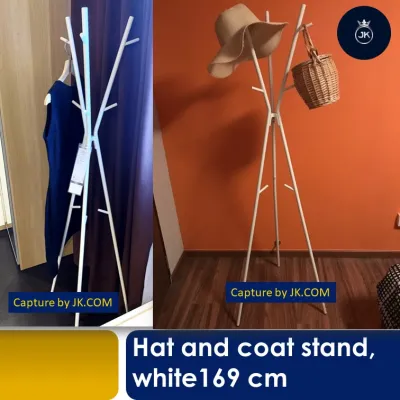
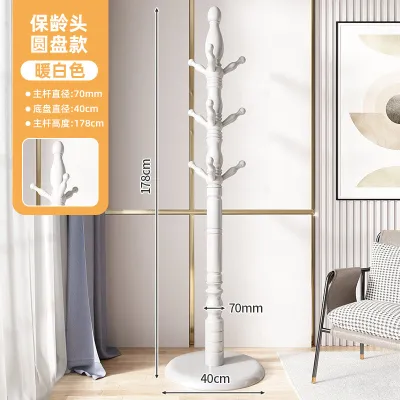
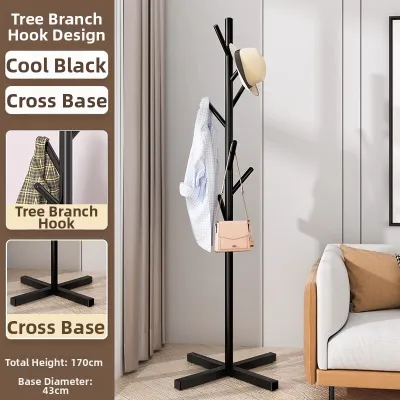
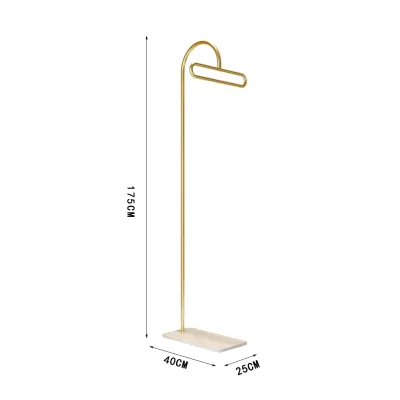
![[SG Stock] Japanesque 100% Solid Beech Wood Wooden Clothes Hanger Rack Clothes Hanger Hook Bedroom Coat Stand Rack](https://img.lazcdn.com/g/p/b731f0728b47eeb05fe55ea7d72334cc.jpg_400x400q80.jpg_.webp)
Prices are valid at publication and may change. Please refer to the product page for the latest price.
Warranty policies and local customer service responsiveness are also key indicators of brand credibility in Singapore. Brands that offer dedicated local support, clear return windows, and structural warranties provide peace of mind, especially when purchasing online. A responsive customer service team ensures that if a component arrives damaged or with missing assembly hardware, you can easily secure a replacement without dealing with complex international shipping processes.
Finally, analyzing customer reviews across independent platforms can reveal crucial details about long-term durability and joint stability. Pay close attention to feedback regarding how well the joints remain tight after months of use. In Singapore’s tropical climate, look for reviews that mention whether the metal parts show signs of corrosion or if the wood finishes resist mold and swelling. This real-world performance data is often more valuable than the manufacturer’s marketing claims.
Types of Hat and Coat Stand Brands Available in Singapore
The Singapore furniture market offers a diverse array of brands catering to different budgets, design preferences, and spatial requirements. Understanding how these brands categorize themselves helps you narrow down your options based on what matters most to your household—whether that is immediate availability, high-end design, or heirloom-quality craftsmanship.

Mass-Market and Modular Furniture Retailers
Mass-market and modular furniture brands are highly popular in Singapore due to their exceptional accessibility, predictable pricing, and immediate availability. These brands excel at producing highly functional, space-optimized designs that fit seamlessly into modern, fast-paced lifestyles. Because they manufacture on a massive scale, they can offer highly competitive prices, making them excellent choices for renters, students, or homeowners looking for a quick, cost-effective entryway solution.
One of the primary advantages of choosing a mass-market brand is the standardized nature of their products. If a specific screw or hook is misplaced during a house move, finding a replacement part is generally straightforward. Furthermore, these brands design their products with flat-pack shipping in mind, meaning you can easily transport the box in a standard car or arrange for rapid home delivery. Their assembly instructions are typically highly visual and thoroughly tested, allowing for straightforward DIY setup.
However, buyers must be aware of the trade-offs associated with budget-friendly, mass-produced stands. These units frequently utilize engineered wood, such as medium-density fibreboard (MDF) or particleboard, or thin-walled steel tubing to keep costs and shipping weights low. While these materials are perfectly adequate for light jackets, hats, and umbrellas, they generally have lower maximum weight capacities than their solid wood or heavy metal counterparts. Overloading a budget stand can cause the joints to loosen or the main shaft to lean permanently over time.
When purchasing from a mass-market retailer, it is crucial to verify the exact footprint and base design. To maximize safety, look for models that feature a wider tripod base or a reinforced flat base. If you plan to use the stand in a household with active pets or young children, prioritize models that offer integrated wall-anchoring options or choose a model with a lower height to minimize the risk of accidental tip-overs.
Design-Led and Contemporary Lifestyle Brands
Design-led and contemporary lifestyle brands cater to Singapore homeowners who view a hat and coat stand as a key decorative statement rather than a purely utilitarian object. These brands focus on curated aesthetics, often drawing inspiration from Scandinavian minimalism, mid-century modern classics, or industrial chic designs. They are particularly popular among residents of modern HDB estates and condominiums who want to create a welcoming, visually cohesive entryway experience.
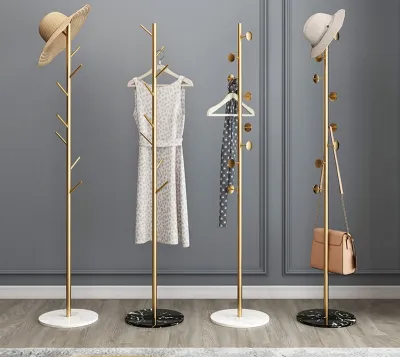
These brands frequently experiment with mixed-material construction, combining matte-finished metals, warm wood accents, and premium stone bases like terrazzo or marble. The integration of a heavy stone base not only elevates the visual appeal of the stand but also provides excellent functional stability by keeping the center of gravity low. These pieces are designed to look beautiful even when completely empty, acting as a sculptural element in your foyer or bedroom corner.
When evaluating design-led brands, it is important to carefully inspect the physical layout of the hooks and the overall dimensions of the unit. Because these brands prioritize visual form, some models may feature fewer hooks or position them at angles that are optimized for aesthetics rather than maximum storage capacity. Ensure that the hook spacing aligns with the items you plan to hang, such as wide-strapped tote bags, structured hats, or long umbrellas.
Another benefit of purchasing from contemporary lifestyle brands is their tendency to offer coordinated furniture collections. This makes it easy to pair your selected hat and coat stand with a matching shoe storage bench, a console table, or an entryway mirror. Creating a unified look at the entrance of your home helps establish a sense of order and sophistication, making the transition from the busy outdoors to your private sanctuary feel seamless.
Solid Wood and Specialized Craftsmanship Brands
For homeowners seeking exceptional durability, natural beauty, and heirloom quality, solid wood and specialized craftsmanship brands represent the pinnacle of furniture manufacturing. These brands focus on premium timber species such as teak, American oak, walnut, and sustainably sourced rubberwood. A solid wood stand brings warmth and organic texture into the home, creating a timeless appeal that synthetic materials simply cannot replicate.
The most significant functional advantage of a solid wood stand is its natural weight. Unlike lightweight metal tubes, a solid timber shaft and base possess substantial mass, providing outstanding inherent stability without requiring artificial weights. Furthermore, solid wood joinery—especially when constructed using traditional woodworking techniques like mortise-and-tenon joints—is incredibly robust, ensuring that the stand will not wobble or degrade even after years of supporting heavy loads.
However, Singapore’s tropical climate presents unique challenges for solid wood furniture. High relative humidity and temperature fluctuations can cause untreated wood to absorb moisture, leading to warping, cracking, or mold development. Therefore, when choosing a specialized wood brand, you must verify that the timber has been properly kiln-dried and sealed with a high-quality, moisture-resistant finish, such as a polyurethane lacquer or a specialized hardwax oil. Always consult the manufacturer’s care instructions to understand how to maintain the finish over time.
Investing in a craftsmanship-focused brand involves certain trade-offs, including higher initial costs and potentially longer lead times, particularly if the item is crafted to order or imported from artisanal workshops. Additionally, solid wood requires a bit more maintenance than metal or plastic; you will need to wipe it down with a dry, soft cloth, avoid using harsh chemical cleaners, and keep it away from direct sunlight or damp walls. For many homeowners, however, the longevity and character of a beautifully aged wood stand make it a highly rewarding investment.
Key Features to Compare Before Purchasing
Before making your final decision, comparing the physical specifications of your shortlisted models is essential to ensure they meet your household’s practical needs. A structured comparison allows you to balance aesthetic desires with mechanical stability and spatial constraints.
| Base Type | Primary Material | Maximum Load Capacity | Floor Footprint | Best Suited For |
|---|---|---|---|---|
| Tripod Base | Solid Hardwood or Metal | Medium (12 kg – 15 kg) | Large (40 cm – 50 cm diameter) | Spacious entryways, classic interiors |
| Flat Disc Base | Powder-Coated Steel | Medium (10 kg – 15 kg) | Small (30 cm – 35 cm diameter) | Compact corridors, minimalist aesthetics |
| Weighted Block | Marble, Cast Iron, or Concrete | High (15 kg – 25 kg) | Medium (32 cm – 38 cm diameter) | Busy households, heavy bags, active pets |
| Integrated Bench | Engineered Wood or Timber | High (20 kg – 30 kg overall) | Very Large (60 cm – 80 cm width) | Multi-functional entryways, family homes |
Interpreting Base Types and Stability Mechanics
Understanding how base design influences stability is critical when comparing different models. A tripod base utilizes three splayed legs to distribute weight across a wider area. While this design offers excellent stability on perfectly flat floors, it requires a larger physical footprint, which can restrict movement in tight hallways. Furthermore, if a heavy item is hung on a hook directly between two legs rather than directly over one, the stand’s resistance to tipping is significantly reduced.
A flat disc base, typically constructed from solid steel or heavy plastic with internal weights, offers a highly compact footprint. This makes it an ideal choice for narrow HDB entryways where every centimeter of floor space is valuable. Because the weight is concentrated uniformly at the very bottom of the stand, it keeps the center of gravity exceptionally low, allowing the unit to remain upright even if items are hung somewhat unevenly.
Weighted block bases, which often feature premium materials like solid marble or cast iron, provide the highest level of stability-to-footprint efficiency. These bases are heavy enough to counteract the leverage created when heavy backpacks or wet umbrellas are hung from the top hooks. If you have active pets or young children who might accidentally bump into the furniture, a weighted block base is highly recommended to prevent accidental tipping.
Assessing Secondary Features and Storage Integration
Many modern hat and coat stand designs incorporate secondary storage features to maximize utility. Common additions include integrated shoe racks, umbrella holders, key trays, or built-in mirrors. While these multi-functional designs are highly convenient, they alter the physical dynamics of the stand and require careful evaluation before purchase.
An integrated umbrella stand or shoe rack located at the bottom of the unit is highly beneficial for stability. When filled with umbrellas or shoes, these features add weight to the base, lowering the overall center of gravity and making the stand more secure. Conversely, features located higher up, such as an integrated mirror or a top-heavy accessory tray, shift the center of gravity upward. If you choose a model with top-heavy features, ensure that the base is exceptionally wide or heavy to compensate for this shift.
Space and Safety Considerations for Singapore Homes
Singapore’s unique housing landscape, dominated by high-density HDB flats and condominiums, demands careful spatial planning when introducing freestanding furniture. Entryways in these homes are often compact, serving as high-traffic transition zones that must remain clear of obstructions.
Before purchasing a hat and coat stand, measure your intended placement area precisely, taking into account the door swing arcs of your main entrance, shoe cabinets, and nearby room doors. A stand that looks compact in a spacious showroom can easily overwhelm a narrow corridor or block a clear walkway. Ensure there is at least 60 to 80 centimeters of clearance around the stand so that family members can pass by comfortably without snagging their clothing or bumping into the unit.
Safety is a paramount consideration, particularly in households with toddlers, elderly family members, or active pets. Because freestanding stands are tall and relatively narrow, they pose a potential tip-over hazard if subjected to sudden lateral forces. If a child attempts to climb the stand or a pet pulls on a hanging strap, the entire unit can fall, risking serious injury. To mitigate this risk, always place the stand in a protected corner rather than an open pathway, and distribute hung items evenly around the hooks.
For taller or lighter models, check if the manufacturer provides wall-anchoring kits. Anchoring a freestanding stand to the wall completely eliminates the risk of tipping, making it incredibly safe for busy family homes. If drilling into your walls is not an option—such as in rental properties with strict drilling restrictions—prioritize a model with an exceptionally heavy, low-profile base, or consider a sturdy wall-mounted rack that can be mounted using non-damaging adhesive systems if the load is kept very light.
Environmental factors also play a critical role in the longevity of your furniture. Singapore’s high humidity levels can accelerate the deterioration of poorly protected materials. Avoid placing untreated wood stands or prone-to-rust metal stands directly against damp walls, near bathroom entrances, or in close proximity to indoor laundry drying areas. Ensure that your entryway has adequate ventilation and airflow to prevent moisture from accumulating on the stand and the items hung upon it.
Where to Buy and What to Check Upon Delivery
Navigating the purchasing process in Singapore involves choosing between physical showrooms and online retail channels. Each method offers distinct advantages, and understanding how to inspect your purchase upon delivery ensures you receive a high-quality product that meets your expectations.
Visiting physical furniture showrooms—located in major industrial and design hubs such as Tai Seng, Ubi, Sungei Kadut, or Outram—allows you to interact with the product firsthand. This hands-on experience is invaluable for testing the physical stability of a hat and coat stand. You can gently nudge the display model to assess its wobble, feel the smoothness of the wood or metal finish, and verify the sturdiness of the hooks. Showroom consultants can also provide detailed information regarding custom finishes, delivery timelines, and local warranty terms.
Conversely, purchasing from official online brand stores or authorized third-party e-commerce platforms offers unmatched convenience and access to a wider inventory. Online shopping allows you to easily compare specifications, read extensive customer reviews, and take advantage of online-exclusive promotions. When buying online, always read the shipping and assembly policies carefully. Some brands offer free delivery and professional on-site assembly, while others charge separate fees or deliver the item flat-packed for self-assembly.
The Delivery and Assembly Inspection Checklist
When your hat and coat stand is delivered, conducting a thorough inspection before the delivery team leaves or before discarding the packaging is essential. Use the following checklist to verify the quality and safety of your new furniture:
- Base Levelness: Place the assembled stand on a completely flat floor. Gently push the top of the shaft from different angles to ensure the base sits perfectly flat without rocking or wobbling.
- Finish Smoothness: Run your hands along the hooks and the main shaft. The surface must be completely smooth, with no rough edges, splinters, or sharp metal burrs that could snag and damage delicate fabrics like silk, wool, or lace.
- Joint Integrity: Inspect all connection points and joints. If the stand is made of multiple segments, ensure they screw together tightly and align perfectly straight. Any leaning or play in the joints indicates a manufacturing defect or improper assembly.
- Hardware Completeness: If you are assembling the unit yourself, count all screws, washers, and dowels against the instruction manual before beginning. Ensure that pre-drilled holes are clean, aligned, and free of debris.
- Material Authenticity: Verify that the wood or metal matches the specifications of your order. Check for any visible cracks, deep scratches, or discoloration in the finish that may have occurred during transit.
Frequently Asked Questions (FAQ)
How much weight can a typical freestanding coat stand hold?
The maximum load capacity of a typical freestanding hat and coat stand generally ranges between 10 and 25 kilograms of total distributed weight, depending heavily on the base design and material quality. Heavy-duty metal or solid hardwood stands with weighted bases can safely support up to 25 kilograms, whereas lightweight aluminum or budget engineered-wood models may have limits closer to 8 to 12 kilograms. It is crucial to remember that individual hooks usually have a much lower capacity, typically between 2 and 4 kilograms. To maintain stability and prevent tipping, always distribute your items evenly around the stand rather than hanging all heavy bags and coats on a single side.
Are wall-mounted coat racks better than freestanding stands for small spaces?
Wall-mounted coat racks are generally superior for exceptionally tight spaces, such as narrow HDB corridors or compact entryways, because they require zero floor footprint and eliminate any risk of tipping over. They allow you to utilize vertical wall space while keeping the floor completely clear for footwear or easy cleaning. However, wall-mounted racks require secure drilling into the wall, which may not be permitted in rental properties or can be difficult on certain hard concrete walls common in Singapore homes. Freestanding stands, on the other hand, offer complete portability and require no installation, making them highly flexible. The choice ultimately depends on your spatial constraints, rental agreements, and willingness to drill into your walls.

Community discussion
Share your experience or ask a question. Comments are reviewed before publication.