
Standard HDB flats in Singapore, particularly newer Build-To-Order (BTO) units, often present spatial challenges that require creative organizing solutions. When floor space is limited, utilizing vertical space becomes an absolute necessity for maintaining a clean, comfortable, and functional home. A hanging storage basket is one of the most efficient, versatile, and budget-friendly tools to unlock unused areas, such as the backs of doors, empty wall segments, and under-utilized wardrobe rods. By shifting storage upward, you keep daily essentials within arm’s reach while preserving precious floor area for a more spacious living environment.
Key Selection Criteria for HDB Vertical Storage
Before purchasing any hanging storage system, it is essential to evaluate your home’s specific spatial constraints and structural features to ensure a safe and seamless fit.
Assessing Vertical Clearance Standard HDB ceiling heights typically range from 2.6 to 2.8 meters, which provides an ample vertical plane to work with but also introduces specific constraints. When planning vertical storage, measure the exact distance from the ceiling or the top of a door frame to the floor, or the clearance within a built-in cabinet. Consider how a hanging basket will interact with existing built-in furniture, air conditioning trunking, or electrical conduits. Always ensure there is sufficient clearance so that the lowest basket does not obstruct daily movement, create a visual bottleneck in high-traffic zones, or sit too low for comfortable access.
Products mentioned in this guide
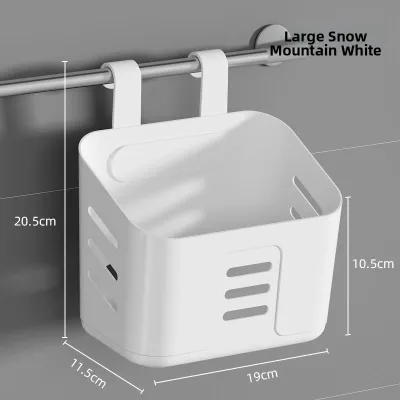
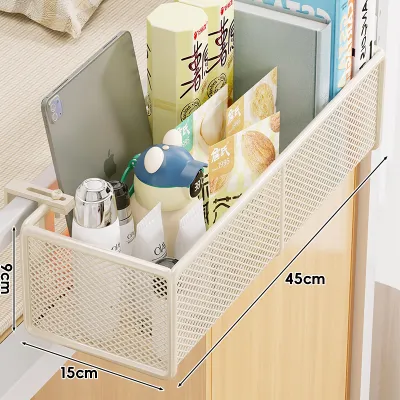
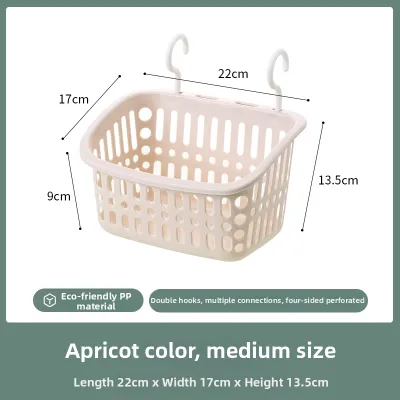
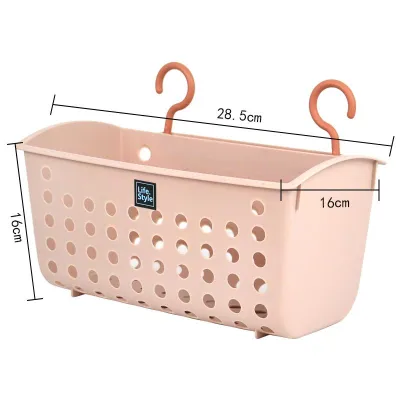

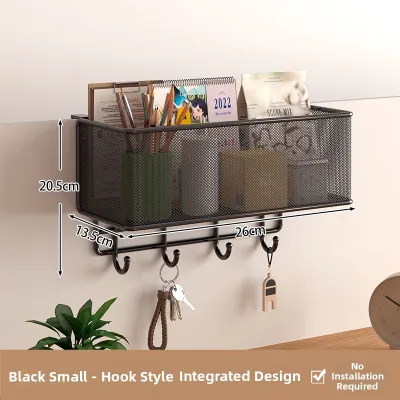
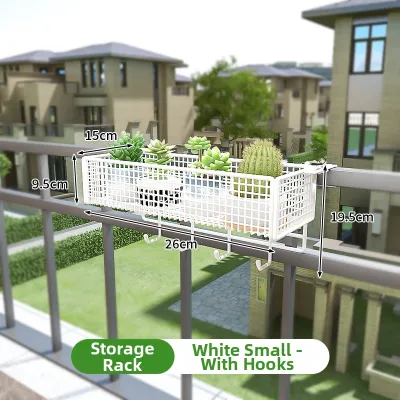
Prices are valid at publication and may change. Please refer to the product page for the latest price.
Mounting and Suspension Types The method you use to hang your baskets determines both their weight capacity and their placement flexibility. Over-the-door hooks require no drilling but demand precise door-frame clearance to function without damaging the frame. Closet rod loops, often made of fabric or hook-and-loop fasteners, are ideal for wardrobe interiors but are limited by the strength of the rod. Adhesive wall hooks offer highly flexible placement on tiled surfaces but can fail catastrophically on painted plaster. Tension rod mounts provide a drill-free alternative in narrow recesses, provided the opposing walls are structurally sound and stable.
Material and Weight Capacity Checks Never assume a hanging basket is durable or strong based solely on its material name. While a metal wire basket might look robust, its load capacity is ultimately dictated by the quality of its welded joints, the thickness of the wire, and the strength of the mounting brackets. Similarly, woven plastic or fabric baskets can stretch, warp, or tear if overloaded. Always verify the manufacturer’s stated weight limits and inspect the structural integrity of the hanging points before loading the basket with heavy items, matching the basket’s material characteristics to the weight of the objects it will hold.
Depth and Footprint Considerations In compact HDB layouts, horizontal clearance is just as important as vertical space. A basket that protrudes too far from a wall or door can block narrow walkways, interfere with door swings, or collide with moving ceiling fans and lighting fixtures. Measure the finished depth of the basket and simulate its footprint in the intended space before finalizing your purchase. Ensure that doors can open to at least a 90-degree angle and that family members can walk past the basket without bumping into it or feeling restricted in their movement.
Best Hanging Basket Designs for Compact HDB Layouts
Different hanging basket designs excel in different areas of the home, depending on the mounting surfaces available and the items you need to store.

Over-the-Door Hanging Baskets
Ideal Scenarios: This design is highly effective for HDB bedrooms, utility rooms, and bathroom doors where floor space is severely restricted. It transforms the flat, unused vertical plane of a door into a multi-tiered storage hub, making it particularly useful in master bedrooms for organizing daily accessories or in utility rooms for storing lightweight laundry essentials.
Advantages: The primary benefit of over-the-door baskets is that they require absolutely zero drilling or permanent modifications, making them excellent for both tenants and homeowners who want to preserve their walls. They can be installed in seconds, easily relocated to another room as storage needs change, and they instantly capitalize on otherwise wasted vertical space behind standard doors.
Limitations and Checks: Before purchasing, you must measure your door’s thickness. Standard HDB interior doors typically measure between 35mm and 40mm thick, and hooks that are too wide will wobble, while those that are too narrow will not fit. Additionally, check the clearance gap at the top of the door frame; a gap of at least 2mm to 3mm is usually required to allow the door to close smoothly without scraping. Unlined metal hooks can scratch painted door surfaces or create annoying rattling noises when the door is opened or closed, so look for hooks with foam padding or rubber backing to protect the door’s finish.
Closet Rod Hanging Organizers with Baskets
Ideal Scenarios: These organizers are perfect for maximizing the interior volume of built-in wardrobes in BTO and resale HDB flats. They are designed to hang directly from an existing closet rod, providing a series of vertical compartments or suspended baskets that utilize the space below short-hanging garments like shirts and jackets.
Advantages: By keeping items visible and easily accessible, these organizers prevent clothes and accessories from getting lost at the back of deep wardrobe shelves. They allow you to categorize small items like socks, underwear, folded t-shirts, or handbags without the need to install expensive custom drawer runners or permanent shelving units, making them highly cost-effective.
Limitations and Checks: To ensure compatibility, verify the diameter of your existing wardrobe hanging rod and compare it with the loop size of the organizer. More importantly, inspect the mounting brackets and material of your wardrobe rod. Wardrobe rods in older HDB flats or budget built-ins may be made of thin aluminum or hollow plastic that can bow or collapse under the concentrated dead weight of a fully loaded hanging organizer. Distribute the weight evenly across the rod and avoid storing heavy winter coats or heavy boots in suspended fabric baskets.
Adhesive Hook and Wall-Mounted Hanging Baskets
Ideal Scenarios: Wall-mounted hanging baskets are highly versatile solutions for areas where doors and closets are unavailable or already fully utilized. They are particularly well-suited for kitchen tiled backsplashes, bathroom wet zones, and service yard walls where quick access to small items is required.
Advantages: This design offers highly customizable placement, allowing you to mount baskets at the exact height and location that suits your daily workflow. By lifting items off countertops, vanity units, and utility floors, wall-mounted baskets keep high-use surfaces completely clear, easy to clean, and visually organized.
Limitations and Checks: Adhesive hooks rely heavily on surface preparation and have strict weight limits. While they work exceptionally well on smooth, non-porous surfaces like glazed ceramic tiles or glass, they are generally unsuitable for painted HDB plaster walls. Heavy-duty adhesives can easily peel the paint and plaster layer off the wall when subjected to continuous downward shear force or when removed. For painted walls, it is highly recommended to use screw-mounted brackets with appropriate wall plugs, or to opt for tension-rod systems that do not damage the paint.
Room-by-Room Placement Guide for HDB Flats
Deploying hanging baskets strategically across different rooms allows you to target specific storage pain points and streamline your daily routines.
Kitchen In HDB kitchens, where countertop space is often limited by dish racks, appliances, and prep zones, hanging baskets can be mounted under overhead cabinets or on the inside of pantry doors. These are ideal for storing lightweight, dry items such as spice jars, snack packets, garlic, onions, or rolls of baking paper and aluminum foil. To maintain food safety and hygiene, always position these baskets away from direct heat sources like hobs and ovens, and out of range of grease splatters, which can make the baskets difficult to clean and attract dust.
Bathroom HDB bathrooms are compact and highly humid environments. Utilizing over-the-door baskets or shower-caddy style hanging baskets is an excellent way to organize shampoo bottles, body washes, and shaving kits. Because of the constant exposure to moisture, it is critical to choose baskets with rust-resistant finishes, such as high-grade stainless steel, powder-coated aluminum, or durable molded plastics. Ensure the baskets feature ample drainage holes or a wire-mesh design to prevent water from pooling, which quickly leads to mold, mildew, and soap scum buildup.
Bedroom & Wardrobe Inside the bedroom, hanging storage can be deployed inside built-in closets to hold seasonal clothing, activewear, or accessories. If wardrobe space is entirely maxed out, utilize the back of the bedroom door for organizing daily-use items like handbags, belts, scarves, and hats. This keeps your bedroom floor free of clutter and ensures that your outfits and accessories are neatly organized and ready to wear.
Service Yard / Utility Area The service yard is often the hardest-working zone in an HDB flat, housing the washing machine, laundry racks, and cleaning supplies. Hanging baskets can be suspended from window grilles, utility doors, or side panels of storage cabinets to hold laundry detergent pods, clothes pegs, and cleaning cloths. When storing cleaning chemicals or detergents, ensure the baskets are mounted high enough to be completely out of reach of young children and pets to prevent accidental ingestion or exposure.
Installation Safety and Weight Checks for HDB Surfaces
To prevent damage to your HDB doors, walls, and furniture, always perform these essential safety and verification checks during installation.
Door Thickness and Clearance Before purchasing any over-the-door hanging system, measure the thickness of your door with a precise ruler or caliper. Standard HDB doors are typically 35mm to 40mm thick, but custom laminate or solid timber doors can vary. Next, check the gap between the top of the door and the frame by placing a coin (such as a Singapore 50-cent coin, which is approximately 2mm thick) on top of the door and closing it. If the door closes without catching the coin, you have sufficient clearance for standard flat-hook hangers.
Wardrobe Rod Integrity Adding hanging organizers to a wardrobe rod introduces a significant amount of concentrated dead weight. Inspect the rod’s material; solid wood or thick-walled stainless steel rods are much more resilient than thin aluminum or plastic-coated rods. Check the mounting brackets at either end of the rod to ensure they are securely screwed into the wardrobe carcass. If you notice any bowing in the middle of the rod, remove some weight immediately or install a central support bracket to distribute the load safely.
Adhesive and Wall Safety Painted HDB interior walls are generally finished with emulsion paint over plaster. Applying heavy-duty adhesive hooks directly to these walls is a common mistake; the adhesive bond is often stronger than the paint’s adhesion to the plaster, leading to the paint peeling off and the basket falling. For painted surfaces, choose lightweight items and use low-tack, damage-free adhesive strips specifically rated for painted walls, or use tension rods compressed between two solid walls. For heavier storage needs, hire a professional to drill and install secure wall anchors.
Routine Maintenance Hanging storage systems are not “set-and-forget” solutions. Over time, continuous loading can cause fabric to sag, metal hooks to deform, or adhesives to degrade—especially in humid areas like bathrooms and service yards. Establish a routine to inspect your hanging baskets every few months. Check for any signs of peeling adhesive, loose screws, or structural warping, and adjust the weight distribution or replace worn components immediately to prevent accidental falls and damage.
Frequently Asked Questions (FAQ)
Can I use over-the-door baskets on HDB fire-rated doors?
HDB main entrance doors, particularly in newer BTO flats and those facing common corridors, are typically fire-rated to contain smoke and flames during an emergency. Before hanging any storage systems on these doors, check the fire rating label located on the side of the door and consult current HDB or Singapore Civil Defence Force (SCDF) guidelines. Attaching heavy, bulky, or obstructive items to a fire-rated entrance door is generally not recommended, as it can interfere with the door’s self-closing mechanism, compromise its structural integrity, or obstruct rapid evacuation routes during an emergency.
How do I prevent hanging baskets from swinging when the door opens?
Over-the-door hanging baskets can swing, rattle, or bang against the door surface whenever the door is opened or closed. To prevent this, you can use anti-swing hooks or secure the bottom corners of the organizer directly to the door using removable, damage-free adhesive strips or hook-and-loop fasteners. Alternatively, placing a heavy, flat liner or a weighted item in the very bottom basket can help stabilize the entire unit, reducing movement and eliminating distracting noise.

Community discussion
Share your experience or ask a question. Comments are reviewed before publication.