
Finding the right hanger rack for a compact Singapore apartment requires balancing physical space constraints with daily storage needs. For small Housing & Development Board (HDB) flats and condominiums, the best hanger rack brands are those that prioritize vertical height, offer multi-functional storage, and feature ultra-slim footprints. Brands like Yamazaki excel in minimalist, space-saving steel designs, while IKEA provides versatile, multi-functional units with integrated benches and shoe storage. For households with heavy storage demands, heavy-duty brands like Songmics offer reinforced structures that maximize vertical capacity without tipping.
Why Space-Efficient Hanger Racks Matter in HDBs and Condos
Modern Singaporean apartments, particularly three-room and four-room BTO (Build-To-Order) flats or compact condominium units, require highly efficient spatial planning. In these layouts, the entryway or foyer is rarely a dedicated, spacious room. Instead, it is often a narrow corridor or a direct transition zone leading straight into the living area. Placing standard, bulky furniture in these high-traffic entryways quickly chokes the flow of movement, creating physical obstacles and visual clutter.
Traditional coat stands with wide, sprawling tripod bases are particularly problematic in tight spaces. They easily obstruct front door swing arcs, block narrow hallways, and present persistent tripping hazards for residents. When a household lacks a dedicated transition station, daily items like bags, keys, umbrellas, and work lanyards inevitably pile up on dining tables or sofas, making the entire living space feel significantly smaller than it actually is.
Products mentioned in this guide

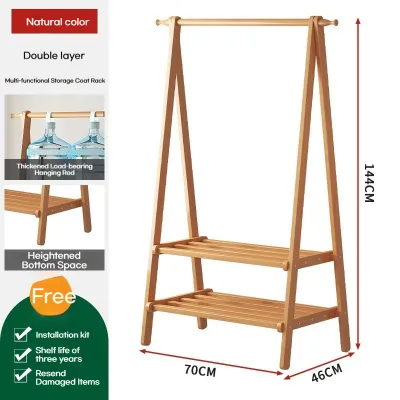
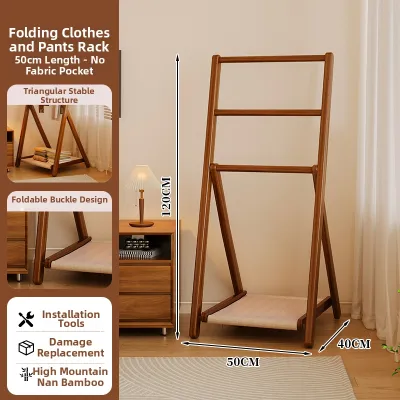
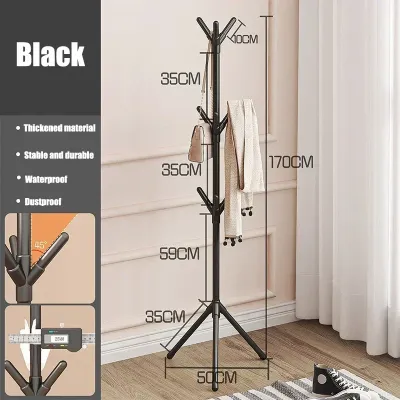
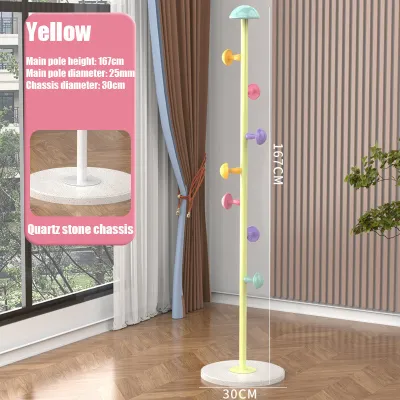

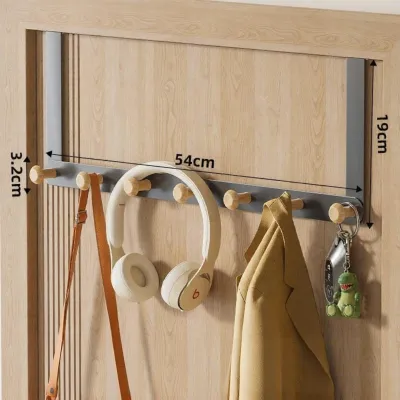
Prices are valid at publication and may change. Please refer to the product page for the latest price.
Singapore’s tropical climate adds another layer of necessity for an organized entryway. Residents frequently transition between air-conditioned offices and humid outdoor environments, requiring light cardigans, jackets, and umbrellas close at hand. A well-designed, space-efficient hanger rack solves this by utilizing vertical wall and floor space that would otherwise go unused. By shifting the storage focus upward rather than outward, homeowners can keep their entryways clear, preserve walking paths, and establish a functional routine for entering and leaving the home.
Key Features to Look for in Compact Hanger Racks
When evaluating hanger racks for a small apartment, look past basic aesthetics and focus on structural and functional specifications. The most critical factor is the ratio of vertical height to the horizontal footprint. Ideal racks for compact spaces prioritize heights of 150 to 180 centimetres while keeping the base footprint exceptionally slim. A base depth or diameter of 30 to 40 centimetres is generally the upper limit for narrow HDB entryways or tight bedroom corners.

Multi-functionality is another essential feature that saves space by consolidating multiple furniture pieces into one. Instead of purchasing a separate shoe rack, key tray, umbrella stand, and coat stand, look for integrated designs. A hanger rack that features a slim lower shelf for shoes, a middle tray for small daily essentials, and side hooks for umbrellas occupies a single footprint while solving several organization challenges simultaneously. Some advanced designs even incorporate a slim seating bench or a full-length mirror, maximizing utility in a highly restricted area.
For highly dynamic spaces, foldable, retractable, or lean-to designs offer unmatched flexibility. Lean-to ladder racks, which rest securely against the wall without requiring a deep base, can easily be placed behind doors or in narrow gaps. Other models feature fold-out hanging arms or retractable hooks that lie completely flat against the main frame when not in use. This allows you to maintain an ultra-slim profile on a daily basis and only expand the rack’s capacity when hosting guests or drying laundry.
Finally, material selection and joint integrity are vital considerations due to Singapore’s high relative humidity, which often exceeds 80 percent. Low-grade materials like untreated iron or poorly sealed medium-density fibreboard (MDF) are highly susceptible to rust, warping, and mold in a tropical climate. Look for racks constructed from powder-coated steel, rust-resistant aluminum, or solid hardwoods (such as rubberwood, oak, or beech) finished with a water-resistant protective lacquer. Inspect the joints carefully; metal-to-metal screw connections or reinforced wooden dowels provide far greater long-term stability than simple wood screws driven directly into soft materials, which can loosen and cause the rack to wobble over time.
Top Hanger Rack Brand Profiles for Small Spaces
To help you find the perfect fit for your home, we have categorized the leading hanger rack options available in Singapore into three distinct design philosophies. Each category addresses specific spatial challenges and lifestyle needs.
Minimalist and Modular Furniture Brands
Minimalist and modular brands focus on clean lines, ultra-slim profiles, and highly adaptable components that blend seamlessly into modern interiors. Japanese brands like Yamazaki (particularly their Tower and Tosca series) and MUJI are prime examples of this design philosophy. Yamazaki is highly regarded for its clever use of thin, powder-coated steel combined with warm wood accents. Their designs are specifically engineered for compact Asian households, offering lean-to ladder racks and ultra-thin entryway organizers that require minimal floor space.
MUJI, on the other hand, excels in modular wooden furniture. Their wall-mounted furniture series and slim oak or walnut coat stands allow homeowners to customize their storage setup. The primary benefit of these modular designs is their adaptability. You can start with a single slim pole or a wall-mounted rail and add matching hooks, shelves, or baskets as your storage needs evolve over time. This prevents the need to purchase entirely new furniture pieces when your household grows.
The main limitation of minimalist and modular brands is their storage capacity. Because they prioritize a slim visual profile and a tiny footprint, they are not designed to hold massive piles of heavy garments. Overloading these delicate frames can ruin their clean aesthetic and compromise their stability. They are best suited for single professionals or couples who need a streamlined spot for daily essentials rather than heavy-duty storage.
Multi-Functional and Convertible Brands
Multi-functional and convertible brands focus on maximizing the utility of a single piece of furniture. Swedish giant IKEA is a global leader in this category, offering highly practical combinations like the PINNIG, Mackapär, or NIKKEBY series. These units typically combine a hanger rail or multiple coat hooks with integrated shoe shelves, storage cubbies, or even a small seating bench at the base.
The design philosophy here is to consolidate your entryway needs into one dedicated station. By placing your shoes, bags, keys, and jackets on a single integrated unit, you eliminate the need for a separate shoe cabinet and seating stool. This consolidation can save a significant amount of floor space in a small condo or HDB foyer. Furthermore, these brands often design their products with adjustable shelves or removable hooks, allowing you to reconfigure the interior layout to accommodate taller boots, large backpacks, or long coats.
However, the trade-off for this high level of utility is a slightly deeper and wider footprint. Multi-functional racks with built-in benches or shoe shelves generally require a depth of 40 to 50 centimetres and a width of 60 to 90 centimetres. While this is still highly efficient compared to buying multiple separate items, it may be too bulky for exceptionally narrow corridors. These racks are ideal for homes with a small but dedicated entryway alcove or a wider bedroom corner.
Heavy-Duty Freestanding Space Savers
For families or individuals with extensive storage needs, heavy-duty freestanding space savers offer high weight capacities without requiring a sprawling footprint. Brands like Songmics, along with various heavy-duty industrial rack manufacturers available through major local online marketplaces, specialize in reinforced structures that can support substantial weight. These racks often feature thick, powder-coated iron pipes, cross-bracing support bars, and heavy, weighted bases.
The core engineering focus of these brands is stability under load. They are designed to hold heavy winter wear (essential for Singaporeans who travel frequently), bulky school bags, heavy laptop cases, and numerous wet umbrellas without bending or tipping. Many of these heavy-duty models also include industrial-grade lockable caster wheels, making it easy to roll the entire rack from the entryway to the laundry area or bedroom when cleaning the floors.
When choosing a heavy-duty rack, it is crucial to verify the manufacturer-stated weight limits and weight distribution guidelines. While the frame itself may be incredibly strong, an unevenly loaded rack can still tip over if the base is not sufficiently weighted or wide enough. The main limitation of these racks is their aesthetic; they tend to have a more utilitarian, industrial, or commercial appearance that may not match soft, minimalist, or Scandinavian home decors. They are best suited for placement inside walk-in wardrobes, utility rooms, or behind bedroom doors where utility takes precedence over visual style.
Comparing Hanger Rack Types for Small Singapore Apartments
To help you quickly identify the best design for your specific living situation, we have summarized the key characteristics, ideal placements, and limitations of each hanger rack type.
| Design Type | Best Apartment Zone | Footprint Profile | Key Limitation |
|---|---|---|---|
| Minimalist & Modular | Narrow HDB corridors, bedroom corners, behind doors | Ultra-slim (typically under 30cm depth) | Lower weight capacity; limited storage volume |
| Multi-Functional | Dedicated entryway alcoves, wider foyers, bedroom walls | Medium-deep (40cm to 50cm depth) | Requires more physical floor space than modular types |
| Heavy-Duty Freestanding | Walk-in wardrobes, utility rooms, family bedrooms | Medium footprint with high vertical capacity | Utilitarian aesthetic; requires careful weight distribution |
Choosing between these options depends heavily on your household size and daily habits. If you live alone in a studio condo and only need a place to hang a work lanyard, a light cardigan, and a handbag, a minimalist lean-to rack is an elegant choice that keeps your home looking spacious. If you have a family of four with school-going children, a multi-functional unit with integrated shoe storage and a bench will help keep the daily entryway chaos under control. For those who need to store heavy winter gear between overseas trips or run a home-based business requiring heavy garment storage, a heavy-duty freestanding rack is the most practical and safe solution.
Pre-Purchase Checks: Measuring and Safety for Small Apartments
Before purchasing any hanger rack, performing a few precise measurements and safety checks will save you from delivery headaches and potential hazards. Start by measuring the exact floor space where you plan to place the rack. Do not just measure the width and depth of the floor; you must also account for door swing arcs. Open your front door, bedroom doors, and nearby cabinet doors completely to ensure they will not strike the hanger rack or any hanging items when opened.
Next, consider the delivery and assembly process. If you are purchasing a fully assembled heavy-duty rack, check the dimensions of your apartment building’s lift and stairwells, as well as your own front door frame. For flat-packed items, ensure you have a clear space in your home to assemble the unit safely. Check what tools are required; while many brands include basic hex keys, some heavy-duty or wall-mounted models may require a hammer, screwdriver, or a power drill.
Safety is paramount, especially in homes with young children, elderly family members, or active pets. Because hanger racks are tall and narrow, they naturally have a higher center of gravity. When fully loaded with heavy bags or coats hung near the top, a lightweight rack can easily tip over if bumped. Always check if the manufacturer provides anti-tip hardware or wall-anchoring straps. If you are placing a tall rack on a carpeted or slightly uneven floor (common with older HDB tiles), look for models with adjustable leveling feet to ensure the base remains perfectly flat and stable.
Finally, establish a routine maintenance schedule. Over time, the daily action of hanging and removing items can cause screws and joints to loosen slightly, leading to a subtle wobble. Every six months, take a few minutes to inspect the joints of your hanger rack and tighten any loose bolts. This simple step not only prevents the rack from tipping but also extends its lifespan significantly, ensuring your small-space storage solution remains safe and reliable for years to come.
Frequently Asked Questions (FAQ)
Can a freestanding hanger rack tip over in a small HDB?
Yes, freestanding hanger racks can tip over if they are overloaded, unevenly weighted, or placed on an uneven surface. Because these racks are tall and narrow, hanging heavy items like packed backpacks or thick jackets near the top shifts the center of gravity upward, making the unit unstable. To prevent tipping in high-traffic HDB areas, always place heavier items on the lower shelves or hooks to keep the center of gravity low. Additionally, choose models with weighted bases, adjustable leveling feet, or utilize the included wall-anchoring hardware to secure the rack to the wall.
Are wall-mounted coat racks better than freestanding ones for small spaces?
Wall-mounted coat racks are excellent for saving floor space because they occupy zero floor area, making them ideal for exceptionally narrow HDB corridors. However, they come with specific installation challenges. In Singapore, many HDB internal walls are made of solid concrete or precast panels (such as bomb shelter walls), which require a heavy-duty masonry drill and proper wall plugs to mount securely. Drywall partitions in newer condos also require specialized toggle bolts to prevent the rack from tearing out of the plasterboard. Freestanding racks, while occupying some floor space, require no drilling, are highly portable, and generally offer more versatile storage options like integrated shoe shelves.

Community discussion
Share your experience or ask a question. Comments are reviewed before publication.