
Quick Answer: Is a Gaming Chair the Best Choice for Long WFH Sessions?
The rise of remote work has forced many professionals in Singapore to reconsider their seating. Sitting for eight or more hours a day demands a chair that actively supports the musculoskeletal system. While gaming chairs (电竞椅) are popular for their striking aesthetics and deep recline, whether they are the best choice for a work-from-home (WFH) setup depends on their design and your physical needs.
A gaming chair is not a magic posture solution, nor is it inherently inferior to a traditional office chair. The best brand for your home office is one that prioritizes adjustable ergonomic features—such as customizable lumbar support and adjustable seat depth—rather than brand prestige. While classic racing-style chairs offer deep recline and head support, hybrid gaming chairs that merge ergonomic office design with gaming aesthetics often provide superior, active posture support during long hours of typing and virtual meetings.
Gaming Chairs vs. Ergonomic Office Chairs: Setting the Baseline
To make an informed decision, you must understand the structural differences between traditional ergonomic office chairs and typical gaming chairs. Most gaming chairs are modeled after racing bucket seats. This design features prominent side bolsters on the seat pan and backrest, engineered to hold a driver securely against lateral G-forces. In a home office, however, these lateral forces do not exist. Instead, high side bolsters can restrict shoulder movement and force your shoulders forward, which can lead to slouching and upper back tension during prolonged typing.
Products mentioned in this guide
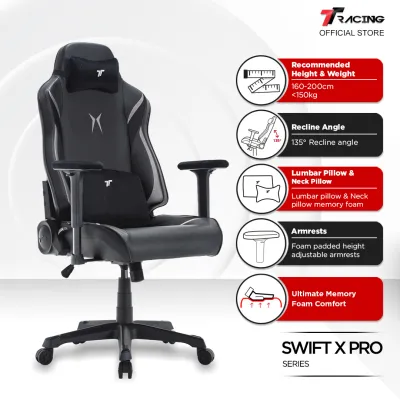
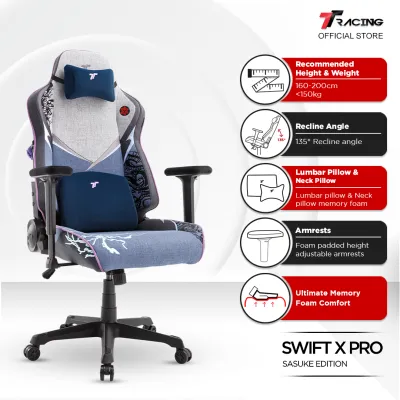
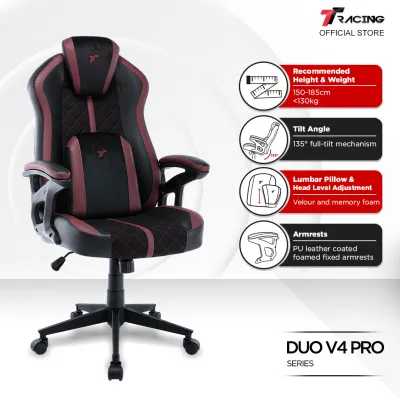
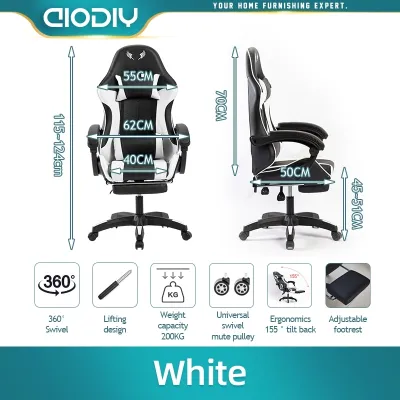
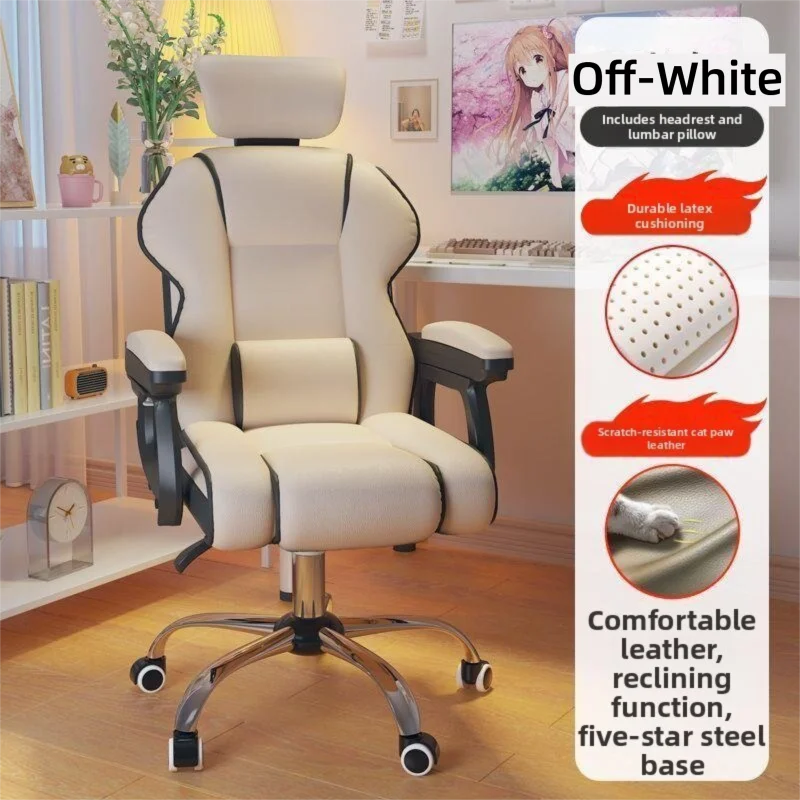
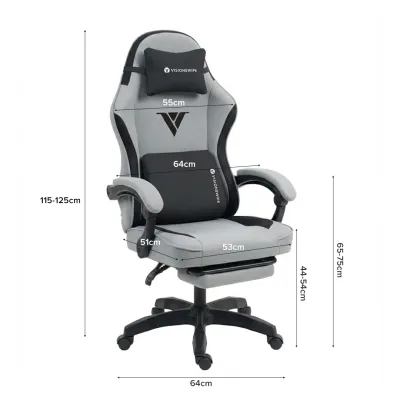
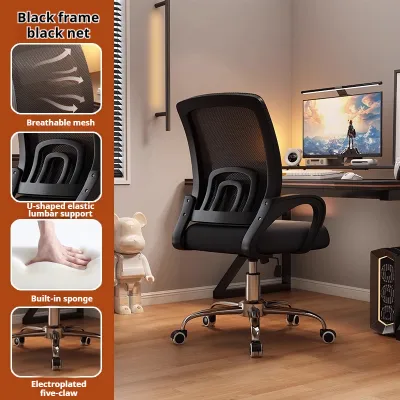
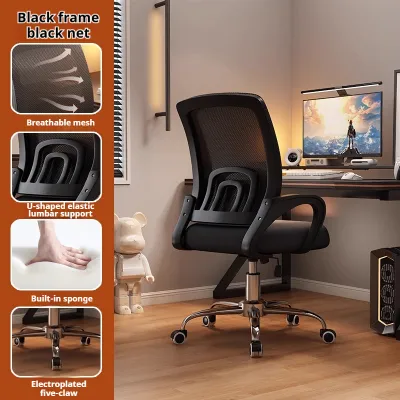
Prices are valid at publication and may change. Please refer to the product page for the latest price.

In contrast, ergonomic office chairs generally feature flat, open backrests and contoured seat pans that allow for a wider range of natural movement. This open design encourages you to shift positions easily throughout the day, reducing static muscle fatigue.
Another critical factor is thermal comfort, especially in Singapore’s tropical climate. Many gaming chairs are upholstered in polyurethane (PU) leather or polyvinyl chloride (PVC). While these synthetic materials are easy to wipe clean and offer a sleek look, they are highly prone to trapping body heat and moisture. If you work in a room relying on ceiling fans or natural ventilation rather than continuous air conditioning, a PU leather chair can quickly become hot and sticky. Traditional ergonomic office chairs frequently utilize mesh backrests to maximize airflow. Fortunately, several modern gaming chair brands now offer specialized fabric, hybrid weave, or even full-mesh options. When evaluating brands for a Singapore home, looking beyond standard synthetic leather to these breathable material alternatives is essential for maintaining comfort during extended WFH sessions.
Key Dimensions to Compare Across Gaming Chair Brands
When comparing different gaming chair brands, look past the marketing slogans and focus on verifiable technical specifications. Evaluating these details ensures you select a chair that physically fits your body and withstands daily use.
Adjustability and Posture Support
The level of adjustability directly correlates with how well a chair can prevent strain over an eight-hour workday. First, look for 4D armrests. These armrests adjust in four directions: height, depth (forward and backward), width (closer to or further from your body), and horizontal angle (swiveling inward or outward). This level of customization is crucial for WFH tasks; it allows you to position the armrests so your elbows rest at a comfortable 90-degree angle, directly supporting your forearms and reducing strain on your wrists and shoulders while typing.
Next, evaluate the lumbar support mechanism. Lower-end gaming chairs often rely on a simple, removable strap-on pillow. While better than nothing, these pillows frequently slide out of alignment, offer no depth adjustment, and can push your lower spine into an unnatural curve. Premium gaming brands integrate adjustable built-in lumbar support systems directly inside the backrest. These systems allow you to adjust both the height and the depth of the lumbar curve using side dials, providing tailored support to the natural curve of your spine.
Finally, verify the recline and tilt mechanisms. A high-quality chair should feature a multi-functional tilt mechanism that allows the seat pan to tilt in tandem with the backrest. This reduces pressure on the back of your thighs and keeps your feet flat on the floor even when reclining. Check the manufacturer’s specification sheet to ensure the chair has a tilt-lock feature to secure your preferred angle and an adjustable tilt tension knob to control the resistance of the recline.
Material Breathability and Durability
Upholstery material determines both the daily comfort and the long-term lifespan of your chair. Synthetic PU leather is popular, but its quality varies. In Singapore’s high humidity, low-grade PU leather undergoes hydrolysis—a chemical breakdown where moisture in the air reacts with the polyurethane, causing the surface to crack, flake, and peel off within a couple of years. If you prefer synthetic leather, verify if the brand uses hydrolysis-resistant PU leather, which is specifically tested to withstand humid environments.
Alternatively, fabric upholstery offers excellent breathability and a softer feel, though it is more susceptible to staining from spills or sweat. If you choose fabric, look for brands that apply water-resistant or stain-resistant coatings to the weave.
Beyond the outer cover, inspect the cushioning material. Cheap gaming chairs often use shredded or low-density cut foam that sags and loses its shape within months, leaving you sitting directly on the hard steel frame. High-quality brands utilize high-density, cold-cure molded foam. Cold-cure foam is produced by placing polyurethane foam into a specialized mold under low temperatures, creating a dense, highly resilient cushion (typically around 50 kg/m³ to 65 kg/m³) that retains its supportive shape for many years. Always check the manufacturer’s care labels and technical specifications for foam density rather than relying on generic terms like ‘premium feel’.
Structural Stability and Weight Capacity
A chair’s structural integrity is a matter of safety and longevity. The core of any height-adjustable chair is its gas lift cylinder. Always verify that the brand uses a Class 4 gas lift. Class 4 cylinders feature thicker steel walls and superior internal valving compared to Class 3 or lower cylinders, ensuring they can safely support daily height adjustments over several years without sinking.
The wheelbase material also plays a vital role in stability. Look for bases constructed from heavy-duty reinforced aluminum or steel rather than lightweight nylon or plastic. Metal bases prevent flexing and reduce the risk of tipping when you utilize the chair’s maximum recline.
Additionally, consider the casters (wheels). Standard hard nylon casters are designed for carpets but can scratch and gouge hard flooring surfaces common in Singapore, such as vinyl, laminate, parquet, or polished ceramic tiles. If your home office has hard floors, check if the brand offers soft polyurethane (PU)-coated casters, which roll quietly and protect delicate surfaces.
Lastly, never overlook physical dimensions. Always cross-reference the manufacturer’s stated maximum weight capacity and, more importantly, the internal seat width and depth. Ensure the seat width between the side bolsters is wide enough to accommodate your hips comfortably without pinching, and that the seat depth allows you to sit fully back against the lumbar support while leaving a two-finger gap between the edge of the seat and the back of your knees.
How to Evaluate Brand Tiers and Warranty Support
Navigating the crowded gaming chair market is easier when you categorize brands into distinct tiers based on their price points, build quality, and customer support infrastructure.
The Premium/Flagship tier generally ranges from S$500 to S$800 or more. Brands in this tier invest heavily in proprietary ergonomic research, custom-engineered materials, and robust structural components. In this segment, you can expect advanced features like integrated, multi-directional lumbar support, highly adjustable 4D armrests, and premium upholstery options like heavy-duty, humidity-resistant synthetic leathers or specialized performance fabrics. These chairs are highly modular, meaning individual parts like armrest pads, casters, or head pillows can be easily replaced if they wear out, extending the overall lifespan of your investment.
The Mid-Range/Value tier typically spans from S$300 to S$500. Brands in this category offer a solid compromise, providing sturdy steel frames, Class 4 gas lifts, and high-density cold-cure foam, but they may scale back on premium features. For instance, instead of integrated adjustable lumbar support, they might include high-quality external memory foam pillows. Armrests might be adjustable in three directions (3D) rather than four, and the upholstery selection may be more limited. This tier is excellent for buyers who want structural durability without paying a premium for cutting-edge adjustability.
The Budget/E-commerce tier consists of chairs priced under S$300, widely available on online marketplaces. While highly appealing to price-sensitive shoppers, these chairs often compromise on materials. They frequently feature thinner steel frames, lightweight nylon bases, low-density cut foam that quickly compresses, and basic PU leather that is highly vulnerable to peeling in Singapore’s humid climate. Adjustability is usually limited to basic height tuning and a simple tilt mechanism.
When comparing these tiers, analyzing the warranty terms is critical. A bold ‘5-year warranty’ headline can be misleading. You must read the fine print to distinguish between different components. Typically, manufacturers offer long-term coverage (5 to 10 years) for the structural steel frame, but much shorter coverage (1 to 2 years) for moving parts like the gas lift, armrest mechanisms, and tilt controllers. Upholstery and foam padding are often excluded from long-term warranty protection or are covered for only a brief period, as they are subjected to direct physical wear and tear.
For buyers in Singapore, verifying the presence of an authorized local distributor or a local corporate headquarters is paramount. Sourcing a replacement gas lift or arranging a repair is straightforward if the brand has a local warehouse and customer service team. Conversely, if you purchase from an overseas-only brand with no local presence, claiming a warranty may require you to ship heavy components back at your own expense, which can quickly exceed the original cost of the chair.
Decision Framework: Which Brand Profile Fits Your WFH Needs?
To finalize your decision, align your daily work habits, physical dimensions, and budget with the appropriate brand profile. Use the following guidelines to determine which style of gaming chair will best support your work-from-home routine.
Choose a premium, established gaming brand if: You have a flexible budget (S$600 or more), plan to use the chair for both intensive typing and leisure, and highly value the ability to recline deeply (up to 150 degrees or more) for midday rests. This profile is ideal if you want advanced, integrated lumbar support that adjusts to your spine without the clutter of external pillows, and you want the peace of mind that comes with a long-term, locally serviceable warranty on high-density materials.
Choose an ergonomic-hybrid gaming brand if: Your primary concern is maintaining strict, active posture during continuous 8-to-10-hour typing sessions, and you frequently experience lower back stiffness or shoulder fatigue. This profile fits users who prefer the breathability of advanced mesh or performance fabric over synthetic leather, and who prioritize precise lumbar alignment and active seat-depth adjustment over deep recline capabilities.
Choose a mid-range value brand if: You want a structurally sound chair with a reliable steel frame, cold-cure foam, and a Class 4 gas lift, but want to keep your expenditure under S$400. This option is suitable if you have a standard body frame that fits average seat dimensions comfortably, do not mind using external memory foam cushions for lumbar support, and are willing to perform routine maintenance to maximize the chair’s lifespan.
Verify first if: The chair’s physical dimensions—specifically the internal seat width between the raised side bolsters—comfortably accommodate your body type without pressing into your thighs. Before finalizing an online purchase, verify the brand’s return policy and check if they have a physical showroom in Singapore where you can test the seat depth, armrest height, and overall comfort in person. Additionally, ensure that your doorways, corridors, and lift access can accommodate the packaged box dimensions, as gaming chairs are delivered in large, heavy cartons that require ample space for assembly.
Frequently Asked Questions (FAQ)
Are gaming chairs bad for your posture during long work hours?
Gaming chairs are not inherently bad for your posture, but their suitability depends on the specific model and how you adjust it. The traditional ‘bucket seat’ design was originally engineered for race cars to keep drivers secure during high-speed turns, which is why they feature raised side bolsters. These bolsters are unnecessary for desk work and can sometimes restrict shoulder movement, encouraging a rounded posture. However, if a gaming chair offers highly adjustable 4D armrests, robust lumbar support (either built-in or a high-quality external pillow), and allows you to sit with your feet flat on the floor and your knees at a 90-degree angle, it can provide excellent support for long WFH sessions. The key is to avoid models with aggressive side bolsters that pinch your shoulders or thighs.
How do I verify if a gaming chair fits my body type before buying?
To verify the fit, do not rely solely on the manufacturer’s general height and weight recommendations. Instead, examine the detailed dimension blueprint usually provided on the product page. Measure your current comfortable chair’s seat width, seat depth, and backrest height to use as a baseline. Pay close attention to the ‘flat seat width’—the actual usable space between the raised side bolsters—to ensure your thighs will not press against the hard metal frame inside the bolsters. If possible, visit a physical showroom in Singapore to sit in the chair for at least 15 minutes. This allows you to test whether the lumbar support aligns correctly with your lower back and whether the seat pan depth allows your feet to rest comfortably flat on the floor.

Community discussion
Share your experience or ask a question. Comments are reviewed before publication.