
Modern Singapore home layouts, particularly newer Built-to-Order (BTO) and resale Housing & Development Board (HDB) flats, frequently feature bedrooms with highly compact floor plans. A standard common room in a modern HDB flat typically measures around 9 to 11 square meters. When you factor in a standard queen-size bed or even a single bed alongside a study desk, very little floor area remains for traditional, bulky built-in wardrobes. Built-in carpentry is not only expensive and permanent, but it also permanently locks in a room’s layout, leaving no flexibility for future adjustments. This spatial constraint makes folding cupboards an incredibly practical, versatile alternative for maximizing limited square footage.
Folding cupboards provide an array of practical advantages that align perfectly with compact living. One of their primary benefits is tool-free assembly, allowing you to set up or dismantle the unit within minutes without damaging walls or floors. This portability is invaluable for tenants renting rooms in Singapore, as well as for homeowners who anticipate reconfiguring their space—such as transforming a guest bedroom into a nursery or a home office. When a folding cupboard is not required, it can be collapsed flat and stored under a bed or in a household shelter, freeing up immediate floor space. This adaptability allows you to respond dynamically to changing household needs without committing to heavy, permanent furniture.
How to Measure Your HDB Bedroom for a Folding Cupboard
Before purchasing any portable storage unit, conducting precise measurements of your bedroom is essential to prevent spatial conflicts. Start by mapping out the exact floor footprint where the cupboard will stand. Use a high-quality measuring tape to determine the available width and depth, making sure to account for baseboards, wall-mounted power outlets, and light switches. In Singapore HDB flats, air-conditioning trunking often runs along the upper portions of walls or down corners; ensure your measurements account for these pipes so the cupboard does not block maintenance access or sit unevenly against the wall.
Products mentioned in this guide
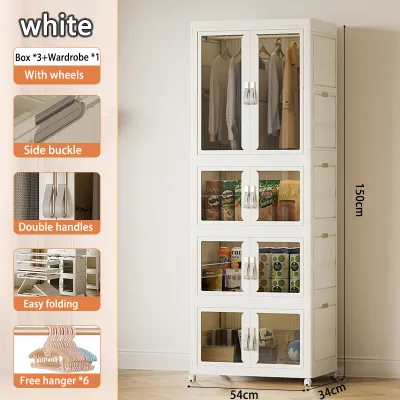
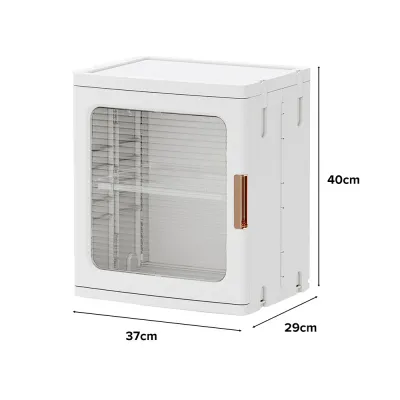
Prices are valid at publication and may change. Please refer to the product page for the latest price.
Vertical clearance is another critical dimension that requires careful inspection. While standard HDB ceiling heights typically hover around 2.6 meters, built-in features like false ceilings, decorative cornices, or ceiling fans can significantly reduce usable vertical space. Measure the height from the floor to the lowest obstruction, ensuring that the top of the folding cupboard remains well clear of ceiling fan blades to avoid safety hazards. Additionally, if you plan to store items on top of the cupboard, ensure there is sufficient overhead clearance to access them comfortably.
Logistical access is a frequently overlooked factor that can disrupt your delivery and setup process. Even though a cupboard is foldable, the packaged unit or its frame components must still travel from the delivery vehicle to your bedroom. Verify the dimensions of your HDB estate’s passenger lift, the width of the common corridor, and the clearance of your main door and bedroom doorways. Ensuring that the packaged product can navigate these tight corners safely prevents the frustration of delivery day complications.
Finally, you must plan for operational clearance around the cupboard once it is fully assembled. Unlike built-in wardrobes with sliding doors, folding cupboards often utilize zippered fabric flaps, roll-up covers, or outward-swinging magnetic doors. Measure the clearance space directly in front of the cupboard to ensure these doors can open fully without striking your bed frame, study chair, or bedroom door. Leaving a buffer zone of at least 50 to 60 centimeters in front of the unit will ensure you can stand, open the doors, and access your belongings comfortably.
Top Types of Folding Cupboards for Small Bedrooms
Selecting the right folding cupboard requires understanding the distinct material types and structural designs available on the market. Each category offers unique trade-offs regarding weight capacity, durability, dust protection, and visual appeal. By analyzing these characteristics, you can choose a model that aligns with your specific wardrobe requirements and room aesthetic.

Heavy-Duty Canvas and Fabric Wardrobes
Heavy-duty canvas and fabric wardrobes are classic portable storage solutions, characterized by a lightweight internal frame draped in a protective fabric shell. The frame is typically constructed from powder-coated steel tubes, stainless steel, or durable alloy pipes connected by high-strength plastic joints. The outer cover is usually made from thick canvas, oxford fabric, or non-woven materials that shield your garments from dust and light exposure. Most models feature an integrated hanging rod, making them highly suitable for storing longer garments like dresses, coats, and ironed shirts.
The primary benefit of fabric wardrobes lies in their lightweight construction and exceptional portability. They are incredibly easy to move during room cleaning or rearrangement, and they provide excellent dust protection when fully zipped. However, these models do have structural limitations. The hanging rods and fabric shelves have lower weight capacities compared to solid wood or metal shelving, meaning overstuffing them can cause the frame to sag or the plastic connectors to crack. Over time, non-woven fabrics may also degrade or tear if exposed to direct sunlight or rough handling.
This type of folding cupboard is ideal for individuals who require immediate, low-cost hanging space for lightweight everyday attire, such as work shirts, dresses, and t-shirts. It is also an excellent temporary solution for guest rooms or short-term rental arrangements where permanent furniture investment is impractical.
Metal-Frame Zippered Closets with Shelving
Metal-frame zippered closets with shelving prioritize organized, tiered storage over hanging capacity. These units feature robust steel or iron wire frames configured into multiple horizontal shelves, often supported by a heavy-duty zippered fabric or clear plastic cover. The structural design emphasizes rigidity and weight distribution, allowing you to store folded clothing, storage organizers, and heavier personal accessories without compromising the unit’s stability.
The main advantage of this design is its superior weight-bearing capability. The multi-tiered wire or metal mesh shelves can support substantial weight, making them highly efficient for storing folded jeans, heavy sweaters, bed linens, and storage boxes. The zippered enclosure keeps dust at bay while allowing easy access to individual compartments. On the downside, these units typically offer very limited or no hanging space for long garments, and the wire shelves may require flat plastic liners or cardboard inserts to prevent smaller items from slipping through the gaps.
This category is best suited for individuals who prefer folding their garments or those who utilize modular storage bins to organize their belongings. It is also highly effective for storing non-clothing items, such as extra bedding, bags, and shoes, providing a structured, high-capacity storage zone within a small bedroom footprint.
Modular Plastic Foldable Storage Cabinets
Modular plastic foldable storage cabinets represent a modern, hard-shell approach to portable furniture. These units are constructed from high-density polyethylene (HDPE) or polypropylene (PP) panels that utilize an interlocking, accordion-style folding mechanism. Unlike traditional plastic drawers that require tedious assembly, these cabinets often feature a unified, pre-assembled body that pops open and locks into place within minutes. They are equipped with solid, swing-out doors—frequently featuring magnetic closures or clear viewing panels—giving them a clean, neat appearance that closely resembles permanent built-in furniture.
The benefits of modular plastic cabinets are highly relevant to the Singapore climate. High-density plastic is entirely moisture-resistant, rust-proof, and exceptionally easy to clean, requiring only a simple wipe-down with a damp cloth. The solid panels provide excellent structural rigidity, allowing you to stack multiple units vertically to maximize your bedroom’s vertical space safely. However, these cabinets are bulkier and heavier than their fabric counterparts when folded, making them slightly more challenging to transport. They also represent a higher initial investment and generally feature fixed shelf heights, which limits flexibility for storing exceptionally tall items.
These cabinets are ideal for homeowners and tenants seeking a durable, long-term storage solution that can withstand high humidity. They are perfect for storing heavier household items, books, children’s toys, or folded clothing, offering a sleek, organized look that complements modern interior design.
Quick Comparison: Which Folding Cupboard Type Fits Your Needs?
To help you determine which folding cupboard best suits your bedroom layout and storage habits, the table below compares the three primary options across essential performance and usability dimensions.
| Cupboard Type | Best For | Weight Capacity | Dust/Moisture Protection | Assembly Effort |
|---|---|---|---|---|
| Heavy-Duty Canvas & Fabric | Hanging shirts, dresses, and lightweight everyday wear | Low to Moderate (best for light garments) | High dust protection (fully enclosed zippered cover) | Moderate (connecting tubes and sliding on cover) |
| Metal-Frame Zippered Shelving | Folded clothes, storage boxes, and heavy linens | Moderate to High (sturdy wire shelf support) | High dust protection (zippered or roll-up cover) | Moderate (snapping frame and shelves together) |
| Modular Plastic Foldable | Heavy items, long-term storage, and humid environments | High (rigid panels, stackable design) | Excellent dust & moisture resistance (solid magnetic doors) | Very Low (pop-up, tool-free locking design) |
When selecting a specific model, always prioritize safety and structural limits. Before finalizing your purchase, verify the manufacturer’s specified load limits printed on the product label or user manual, paying close attention to the maximum weight allowed per shelf or hanging rod.
Safe Setup and Maintenance for Folding Cupboards
Ensuring the safety and longevity of your folding cupboard requires proper assembly, strategic weight distribution, and regular maintenance. Because portable wardrobes are lighter than permanent wooden furniture, they are more susceptible to tipping if loaded incorrectly. Always place your heaviest items—such as winter blankets, storage boxes, books, or heavy denim—on the lowest shelves or the bottom base of the cupboard. This lowers the unit’s center of gravity, significantly improving its overall stability and reducing the risk of accidental tip-overs.
Regular structural checks are vital to maintaining a safe storage environment. Every few months, inspect the frame joints, interlocking plastic connectors, shelf supports, and zipper mechanisms. In Singapore’s humid climate, metal frames can occasionally develop rust if the protective coating is scratched, while plastic connectors can become brittle over time. Ensure all tubes are pushed firmly into their connectors and that the frame remains perfectly upright; a slight lean can place uneven stress on the joints, leading to structural failure.
Cleaning and hygiene maintenance will keep both your cupboard and your clothes in pristine condition. For modular plastic cabinets, wipe down the interior and exterior panels periodically with a soft cloth dampened with mild soapy water, then dry them thoroughly. For fabric wardrobes, use a handheld vacuum with a brush attachment to remove dust from the outer cover and interior shelves. Avoid machine washing fabric covers unless the manufacturer’s care label explicitly states it is safe, as washing can shrink the fabric or damage the protective backing.
Lastly, managing humidity is crucial for protecting your belongings in Singapore’s tropical weather. Enclosed wardrobes can trap stagnant, humid air, creating an ideal breeding ground for mold, mildew, and musty odors. Ensure your bedroom is well-ventilated by opening windows or running an air conditioner or dehumidifier regularly. When positioning your folding cupboard, leave a small gap of about 2 to 3 centimeters between the back of the unit and the wall to facilitate airflow, preventing moisture from becoming trapped against the wall surface.
Frequently Asked Questions (FAQ)
Can folding cupboards hold heavy winter jackets or suits?
While heavy-duty steel-frame folding wardrobes can support a moderate amount of hanging weight, fabric-based portable cupboards have strict load limitations on their hanging rods. Overloading a single rod with multiple heavy winter coats, thick suits, or leather jackets can cause the rod to bend or the plastic corner joints to fracture. Always check the manufacturer’s maximum hanging weight specification before loading heavy garments. If you need to store a large volume of heavy winter outerwear, consider using a dedicated, freestanding metal garment rack designed for heavy loads, or distribute the weight by storing folded jackets on lower shelves.
How do I prevent mold inside a fabric folding wardrobe?
To prevent mold and mildew inside a fabric wardrobe in Singapore’s humid climate, avoid placing the cupboard directly against exterior walls where temperature fluctuations can cause condensation. Always ensure that clothes are completely dry before storing them inside the wardrobe. Place moisture-absorbing canisters, silica gel packets, or hanging dehumidifier bags inside the cupboard compartments, and replace them regularly once they fill with water. Additionally, leave the wardrobe zippers partially open during dry, breezy days to encourage fresh air circulation throughout the interior shelves.
Are foldable plastic cabinets stackable?
Yes, many modular plastic foldable cabinets are specifically engineered with interlocking grooves or nesting tabs on the top and bottom panels, allowing them to be stacked vertically. However, you must always verify the maximum stacking limits specified in the product manual. When stacking units, ensure the base cabinet is positioned on a perfectly level, solid floor. Place the heaviest items in the bottom-most compartments of the lowest unit, and avoid stacking the cabinets higher than the manufacturer’s safety recommendations to prevent the tower from becoming top-heavy or unstable.

Community discussion
Share your experience or ask a question. Comments are reviewed before publication.