
Living in a modern Singapore HDB flat, whether a cozy 2-room Flexi or a standard 4-room BTO, requires a masterclass in spatial efficiency. As floor areas become more compact, the challenge is no longer just finding furniture that fits, but finding pieces that work twice as hard.
One of the most overlooked areas in any home is the “dead space” directly beneath your tables. Dining tables, study desks, and entryway consoles often sit over empty voids that could easily house daily essentials. An under table storage trolley is the ideal intervention for these hidden zones, transforming empty floor space into a highly functional storage hub.
What makes a foldable utility cart or trolley particularly indispensable is its ultimate adaptability. Unlike rigid, permanent drawers or heavy wooden cabinets, a collapsible trolley can be rolled out instantly when you need to access your items, and then tucked away cleanly out of sight.
Products mentioned in this guide
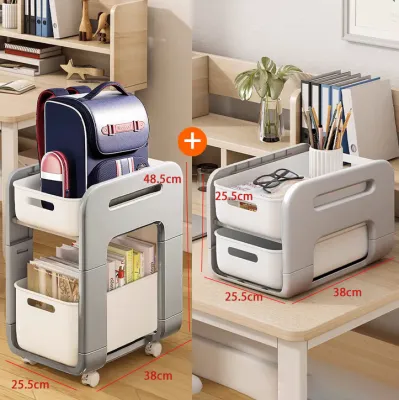
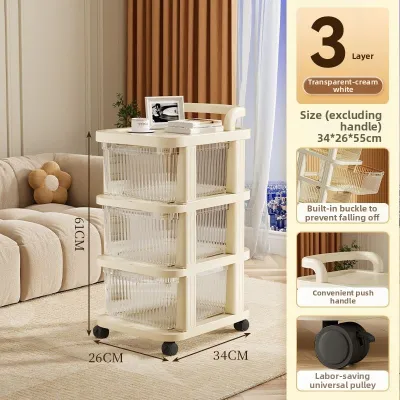
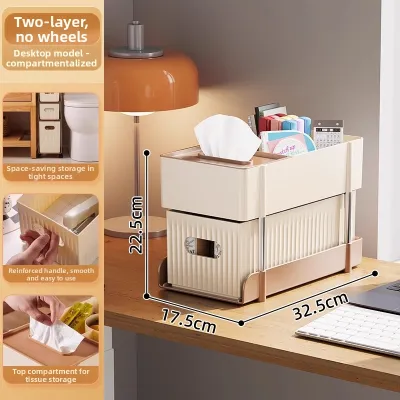
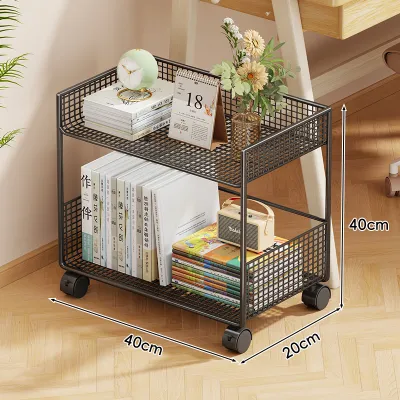
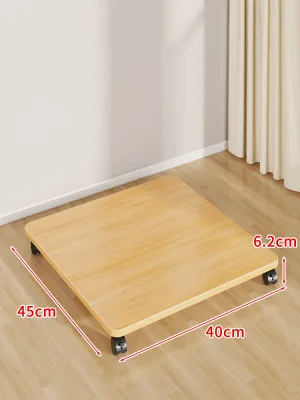
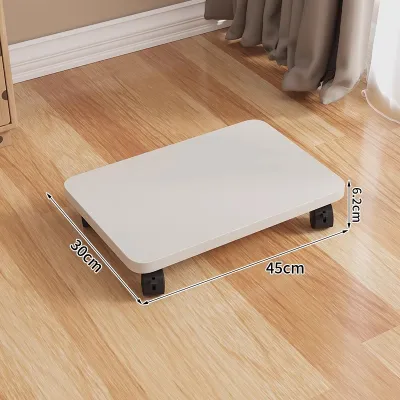
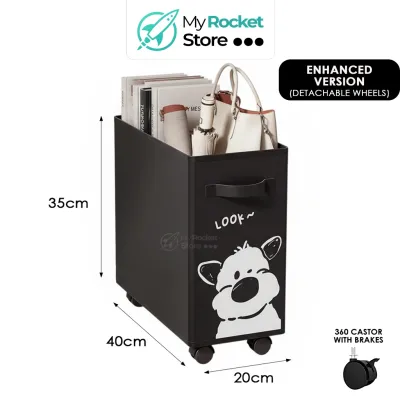
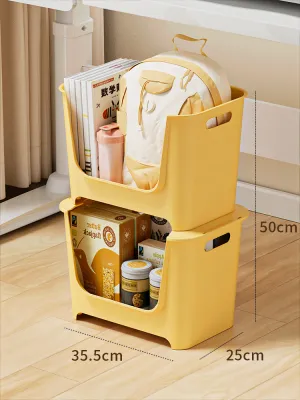
Prices are valid at publication and may change. Please refer to the product page for the latest price.
When your floor space needs to serve a different purpose—such as hosting a larger family gathering, clearing a play area, or simply cleaning the floors—you can fold the entire unit flat. This collapsible design allows you to slide the trolley into narrow gaps, behind doors, or inside your household shelter, preserving the open feel of your home. By utilizing this flexible storage solution, you can keep your tabletops clutter-free while ensuring that dining accessories, work documents, or kitchen supplies remain within arm’s reach.
Crucial Measurements: Fitting an Under Table Storage Trolley in Your HDB Flat
To make sure your new under table storage trolley slides seamlessly into place, you must take precise measurements before committing to a purchase. Standard HDB dining tables typically feature a top surface height of around 75 cm, but relying on this number alone is a common pitfall.
You must measure the exact clearance height from the floor to the lowest point of the table’s structural frame, known as the apron or support crossbar. This apron can reduce your actual vertical clearance to 60 cm or 65 cm. If you purchase a trolley based solely on the overall tabletop height, you may find that the top shelf of the trolley strikes the apron, preventing it from rolling underneath.
Next, evaluate the horizontal clearance by measuring the width and depth of the space between the table legs. Ensure there is a comfortable buffer zone on either side of the trolley. If the distance between the table legs is 60 cm, a trolley with a width of 58 cm will technically fit, but you will likely scrape the table legs or your knuckles when rolling it in and out. Aim for a clearance margin of at least 5 to 10 cm on all sides to allow for smooth, unhindered movement.
Because the primary benefit of these trolleys is their folding capability, you must also measure their collapsed dimensions. Decide where the trolley will reside when it is not in use. If you plan to store it in the narrow gap between your refrigerator and the kitchen wall, measure the width of that gap carefully. If it is going behind a bedroom door or inside a utility cabinet, verify that the folded thickness of the trolley allows the door to open and close fully.
Finally, consider the weight capacity and physical load limits of the trolley’s frame and wheels. Different storage items demand different structural strengths. A trolley intended for lightweight stationery, paper documents, or small toys does not require the same heavy-duty build as one meant to carry glass jars, canned food, or small kitchen appliances. Always check the manufacturer’s specified load limits for both individual shelves and the overall frame to prevent the structure from buckling or bowing over time.
When ordering your trolley, also consider the delivery and assembly conditions. Many foldable models ship fully assembled, meaning you only need to pop the wheels into place. However, if a model requires manual assembly, verify that you have the necessary floor space to piece it together. Fortunately, because these units are highly compact and collapsible, they easily fit through standard HDB doorways and passenger lifts without requiring special delivery arrangements.
Key Features to Evaluate Before You Buy
Selecting the right under table storage trolley requires looking beyond aesthetics to analyze the structural components that dictate daily usability. The folding mechanism itself is the first point of evaluation. Some models feature a one-click collapse system that folds the frame flat in a single motion, while others require a multi-step process involving the removal of certain shelves or pins.

When examining these systems, look closely at the locking joints. High-quality models will feature secure locking pins or latches that click firmly into place, ensuring the trolley cannot accidentally collapse while fully loaded. Additionally, pay attention to potential pinch points along the hinges to protect your fingers during assembly and folding.
The performance of the casters and brakes is another critical factor, especially given the smooth flooring materials common in Singapore homes. Whether your HDB flat features vinyl planks, laminate flooring, polished porcelain tiles, or engineered timber, you need wheels that glide smoothly without scratching the surface. Look for casters made of polyurethane (PU) or thermoplastic rubber (TPR), which offer excellent grip and quiet movement.
Crucially, the trolley must feature reliable locking brakes on at least two of its wheels. Without effective brakes, a trolley parked on slightly uneven floors or bumped accidentally can roll away, potentially damaging your walls, table legs, or the items stored on its shelves.
Material selection directly impacts both the durability and the maintenance requirements of your trolley. Metal frames, typically constructed from carbon steel or iron, offer superior load capacity and structural rigidity, making them excellent for heavy-duty storage. However, if you plan to use the trolley in humid environments like the kitchen or near the bathroom, you must verify that the metal is treated with a rust-resistant powder coating or epoxy finish.
Alternatively, high-density plastic or polymer trolleys are lightweight, entirely rustproof, and easy to wipe clean, though they generally support lighter weight loads. Always check the manufacturer’s care instructions to see if specific cleaning agents should be avoided to preserve the finish.
Lastly, consider the tier configuration and shelf design. Fixed-tier trolleys offer excellent structural stability because the shelves are welded or firmly bolted to the frame. However, adjustable or removable shelves provide far greater versatility. If you need to store tall items like olive oil bottles, laundry detergents, or upright folders, the ability to adjust the height between tiers or temporarily remove a middle shelf ensures your trolley can adapt to changing storage needs over the years.
Recommended Trolley Designs for Specific HDB Storage Needs
Different household setups demand different structural designs. By matching the trolley’s configuration to your specific storage challenges, you can maximize both accessibility and space efficiency. Let’s explore the three most common designs suited for Singaporean homes.
Multi-Tier Collapsible Mesh Trolleys
Multi-tier collapsible mesh trolleys are highly popular for kitchen and dining area organization. These units typically feature three or four shallow baskets made of fine wire mesh, supported by a folding metal frame. The mesh construction provides excellent visibility, allowing you to see exactly what is stored on each level from any angle without having to pull the entire trolley out.
This design is particularly beneficial in Singapore’s warm, humid climate. The open mesh allows for continuous airflow, which helps prevent moisture buildup and reduces the likelihood of mold or stale odors. This makes it an exceptional choice for storing fresh produce like onions, potatoes, and garlic, or for holding dining table condiments, tea tins, and snack packets.
However, the mesh design does have a distinct limitation. Small, loose items, thin utensils, or unstable bottles with narrow bases can easily slip through or tip over on the uneven wire surface. To overcome this, you can line the bottom of the baskets with thin plastic mats, or use small, flat-bottomed organizer bins inside the mesh trays to keep smaller items secure.
Single-Tier Flatbed Trolleys with Foldable Side Panels
For heavy, bulky, or unusually tall items, a single-tier flatbed trolley with foldable side panels offers the ideal heavy-duty solution. Unlike multi-tiered options that restrict vertical clearance, a flatbed design focuses on a single, low-to-the-ground platform. This allows you to utilize the entire vertical space under your table right up to the underside of the tabletop.
This configuration is perfect for storing heavy household essentials under a study desk or utility table. You can easily load it with heavy bags of rice, multi-packs of canned drinks, large laundry detergent bottles, or heavy storage boxes. The foldable side panels or guardrails keep these bulky items securely on the platform while rolling, but can be folded down flat when you need to slide the trolley under an exceptionally low clearance gap.
When choosing a flatbed trolley, it is vital to check the manufacturer’s maximum load rating. Because these units are designed to carry concentrated weight, the wheel bearings and the base plate must be exceptionally sturdy. Opt for models with reinforced steel undercarriages and heavy-duty casters to ensure smooth rolling even under maximum capacity.
Stackable Foldable Crate Trolleys
If your storage needs change from week to week, stackable foldable crate trolleys offer unparalleled modular flexibility. This design consists of individual plastic storage crates that can be folded completely flat when empty, or stacked securely on top of a wheeled caster base when in use.
This modularity makes them incredibly useful for organizing study rooms, playrooms, or home offices. For example, you can use separate crates for stationery, craft supplies, and children’s toys, stacking them neatly under a desk. If you need to work on a project in another room, you can simply lift the top crate off the stack, carry it to the dining table, and return it to the wheeled base when finished.
Before purchasing a stackable system, pay close attention to the design of the interlocking joints and stacking clips. The crates must lock into one another securely to prevent the tower from wobbling or tipping when you roll the trolley across floor transitions, such as the threshold between your living room and kitchen. Look for robust, deep-grooved interlocking channels that keep the stack stable even when fully loaded.
Safety, Stability, and Maintenance Tips for Daily Use
To ensure your under table storage trolley remains a safe and reliable addition to your home, practicing proper load distribution is essential. Always place your heaviest items—such as liquid bottles, heavy books, or canned goods—on the lowest tier of the trolley. Keeping the center of gravity as low as possible significantly reduces the risk of the trolley tipping over when you pull it quickly from under the table or roll it across floor joints.
Regular wheel maintenance is also necessary to keep the trolley rolling smoothly. In any busy household, dust, loose threads, and hair inevitably wrap around wheel axles over time. This debris creates friction, making the wheels stiff and potentially causing them to drag and scratch your flooring. Check the casters every few months, and use a pair of tweezers or small scissors to clear away any tangled fibers.
Lastly, keep the folding joints and hinges in good working order. Because Singapore’s humidity can cause metal joints to become stiff or squeaky, periodic lubrication is highly beneficial. Apply a light spray of silicone-based lubricant to the hinges and folding mechanisms, wiping away any excess with a clean cloth. Avoid using heavy household oils or WD-40 on exposed joints, as these can attract dust and grime, eventually gumming up the folding mechanism.
Frequently Asked Questions (FAQ)
Can an under-table trolley fit under a standard HDB dining table?
Yes, most compact under-table trolleys are designed to fit under standard tables, but success depends entirely on measuring your table’s apron. While a standard dining table stands around 75 cm tall, the structural apron support running underneath the tabletop often sits around 60 to 65 cm from the floor. Always measure the clearance from the floor to the lowest hanging part of the table frame rather than the tabletop surface itself. Choose a trolley with an overall height that leaves at least 3 to 5 cm of breathing room below this apron for easy clearance.
Are foldable trolleys sturdy enough for heavy kitchen appliances?
While many high-quality metal foldable trolleys feature impressive weight capacities, they are generally not recommended for heavy, high-vibration kitchen appliances like microwave ovens or stand mixers. The folding joints and small caster wheels are optimized for mobility and space-saving rather than absorbing mechanical vibrations. If you do use a trolley to store smaller, static appliances like blenders or air fryers, place them on the bottom shelf to keep the trolley stable, and always engage the wheel brakes before operating any appliance near the unit.

Community discussion
Share your experience or ask a question. Comments are reviewed before publication.