
Managing a compact HDB storeroom in Singapore requires a strategic approach to space optimization. These utility areas, which frequently double as household shelters, are highly constrained in both square footage and ventilation. Finding the right store room organizer is essential to prevent these small spaces from turning into cluttered, inaccessible zones. Foldable organizers offer a highly versatile solution, allowing you to maximize vertical storage, adapt to changing household needs, and collapse the units completely flat when you need to access utility boards or clear the floor. By selecting the right combination of freestanding shelves, collapsible crates, and zero-drill vertical racks, you can transform a cramped storeroom into an efficient, organized hub.
How to Choose Foldable Organizers for HDB Storerooms
Selecting the right organizers for an HDB storeroom involves understanding the unique architectural and environmental constraints of Singaporean homes. Unlike standard closets, these rooms require solutions that respect strict safety regulations while withstanding a tropical climate.
Space and Footprint Constraints HDB storerooms are notoriously compact, often measuring less than three to four square meters. Before purchasing any storage system, you must measure both the usable floor area and the vertical clearance. Foldable organizers are particularly valuable here because they can be deployed instantly and, when empty, collapsed down to a slim profile (often under 10 centimeters in thickness). This allows you to clear the floor space easily whenever you need to perform maintenance on utility meters, access the electrical distribution board, or clean the room thoroughly.
Products mentioned in this guide
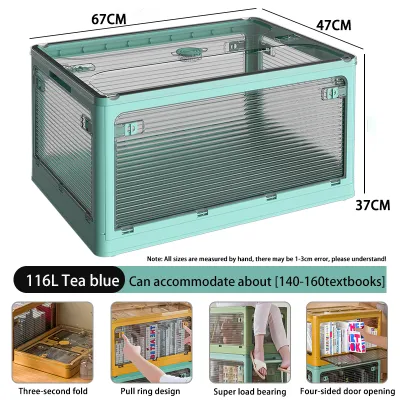
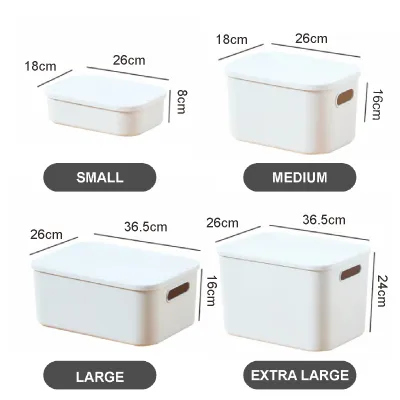
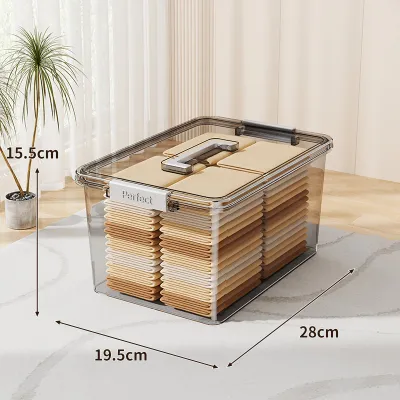
Prices are valid at publication and may change. Please refer to the product page for the latest price.
HDB Household Shelter Regulations Many HDB storerooms function as official household shelters (bomb shelters) constructed with reinforced concrete walls and heavy steel doors. Under the Civil Defence Shelter Act, drilling, nailing, or mounting screws into the reinforced concrete walls or the steel door is strictly prohibited. Doing so compromises the structural integrity and blast-protection capabilities of the shelter. Consequently, you must rely entirely on freestanding, tension-based, or over-the-door storage solutions that do not require drilling or permanent installation.
Climate and Ventilation Factors Singapore’s tropical climate features high temperatures and relative humidity levels that frequently hover above 80%. Because HDB storerooms are enclosed spaces with solid doors, they suffer from stagnant air and high moisture levels. This environment is highly conducive to mold, mildew, and rust. You should avoid organizers made of untreated wood, corrugated cardboard, or natural cotton, which absorb moisture and harbor fungal spores. Instead, choose heavy-duty polypropylene plastic or metal frames treated with rust-resistant epoxy powder coatings.
Collapse Mechanism and Ease of Use A folding organizer is only useful if its mechanism is reliable and easy to operate. Look for tool-free designs that can be deployed or collapsed in under a minute without requiring specialized hardware. The hinges should be made of durable materials like reinforced steel or heavy-duty ABS plastic, featuring secure locking pins or latches that click into place. This ensures the unit remains perfectly rigid when loaded and will not accidentally fold or collapse under weight.
Best Types of Foldable Store Room Organizers
Different types of foldable organizers serve distinct functions within a compact storeroom. Combining these systems allows you to build a customized, highly flexible storage setup.

Freestanding Foldable Shelving Units
- Best For: Storing heavy appliances, bulk supplies, and items that need to be kept off the damp floor.
- Key Features to Look For: Look for multi-tier steel wire shelving units that feature a central folding hinge. These units typically unfold like an accordion and lock into place with a single heavy-duty latch at the back. Opt for shelves with adjustable leveling feet to compensate for any slight unevenness in the concrete floor of your HDB storeroom. Wire shelf designs are highly recommended as they allow maximum airflow, preventing dust accumulation and reducing moisture buildup around your stored items.
- Limitations and Checks: While highly robust, freestanding shelves still occupy a fixed portion of your storeroom floor. You must carefully verify the manufacturer's specified weight capacity per tier (typically ranging from 30kg to 75kg for folding metal shelves) and avoid overloading the top shelves to prevent tipping.
Collapsible Storage Bins and Crates
- Best For: Awkward corners, lower shelves, and grouping seasonal items, documents, or loose household accessories.
- Key Features to Look For: Heavy-duty polypropylene (PP) plastic crates that can fold down to a fraction of their height (often under 5cm) when empty are highly efficient. Look for models with side-access doors or clear front panels. This design feature is critical because it allows you to retrieve items from the bottom bin of a stack without having to lift off all the bins positioned above it. For fabric-based options, choose synthetic materials like Oxford polyester with a water-resistant lining, and ensure they have a rigid internal frame to prevent sagging.
- Limitations and Checks: Fabric bins, even those with internal supports, will sag and lose their shape if filled with heavy metal tools or dense books. Furthermore, using completely opaque bins without a clear labeling system can lead to a scenario where items are forgotten. Always choose bins with built-in label slots or transparent window panels so you can identify the contents at a single glance.
Over-Door and Tension-Pole Foldable Racks
- Best For: Exploiting completely unused vertical space on doors and tight corners without drilling. This is the ultimate space-saving solution for HDB household shelters where wall-mounting is prohibited.
- Key Features to Look For: Tension-pole organizers use a heavy-duty internal spring mechanism to wedge a vertical pole securely between your floor and ceiling. Look for models with non-slip rubber or silicone pads at both ends to protect your surfaces and prevent sliding. Over-door racks should feature flat, low-profile metal hooks that fit over the top of the door frame, complete with foam padding on the underside to prevent scratching the door's paint or finish. Look for racks with fold-down mesh baskets or adjustable hanging trays.
- Limitations and Checks: Standard HDB household shelter doors are made of heavy steel and are significantly thicker than standard bedroom doors, often featuring thick rubber gaskets for airtight seals. You must measure the top gap of the door frame and the door's thickness to ensure the over-door hooks will fit without preventing the door from closing properly. Additionally, ensure the door hinges are in good condition and can support the extra weight of a loaded rack. Tension poles require a solid concrete floor and ceiling; do not install them against false ceilings, plasterboard, or decorative wood panels, as the pressure required to secure the pole can crack these delicate materials.
Maximizing Vertical and Awkward Spaces in Small Storerooms
Once you have selected your organizers, implementing smart layout strategies will help you squeeze every square inch of utility out of your HDB storeroom.
Zoning by Frequency and Weight To create an efficient storeroom, organize your items based on weight and how often you need them. Place heavy, bulky items like cartons of drinks, heavy toolkits, or bags of rice on the lowest shelves of your freestanding units. Daily or weekly essentials, such as cleaning sprays, vacuum accessories, and toilet paper rolls, should be positioned at eye level for easy access. Reserve the highest shelves for lightweight, seasonal, or rarely accessed items, such as holiday decorations, travel luggage, or spare bed linens.
Utilizing Dead Space HDB storerooms often have awkward layout challenges, such as the narrow space behind the door swing or the tight gaps next to structural pillars. These areas are perfect for ultra-slim, multi-tier folding carts on wheels or narrow over-door organizers. A slim rolling cart can be easily pulled out when you need to access the space behind it and rolled back into place, effectively turning dead space into active storage.
Modular Stacking Strategies Combine different types of organizers to create a highly flexible, modular system. For example, place collapsible plastic crates on top of your foldable freestanding shelves. This allows you to utilize the full height of each shelf tier without risking items falling off the sides. Because both the shelves and the crates are foldable, you can easily scale down your storage setup if your household needs change, folding the units flat and storing them against the wall.
Clearance for Ventilation and Pipes It is crucial to maintain safety and functionality in your HDB storeroom. Never block the round ventilation sleeves, the electrical distribution board (DB box), or any exposed water pipes. Leave at least 5 to 10cm of clearance around these fixtures. This ensures proper air circulation, which helps mitigate humidity, and guarantees that you or a technician can easily access the electrical board or utility meters in an emergency.
What to Check Before Buying and Installing
Before finalizing your purchase, perform these essential checks to ensure your new organizers are safe, compliant, and compatible with your space.
Precise Measurements Before purchasing any store room organizer, take meticulous measurements of your storeroom. Measure the width of the doorway to ensure the folded organizer can physically fit through the opening. Measure the floor footprint, the ceiling height, and the door swing radius. Don’t forget to account for any protruding fixtures like light switches, wall sockets, ventilation sleeves, or pipes that might obstruct your shelves.
Verify HDB Compliance and Door Fit Remember that drilling into the reinforced concrete walls or steel doors of HDB household shelters is strictly prohibited. If you plan to use an over-door organizer, measure the thickness of your storeroom door (especially if it is a heavy steel bomb shelter door) and the clearance gap at the top of the frame. The hooks must be thin enough to allow the door to latch securely without damaging the rubber gaskets that ensure the shelter’s airtight seal.
Stability and Tipping Risks Freestanding foldable shelves can become unstable if they are loaded incorrectly or placed on an uneven floor. Always ensure the unit is stable before loading it. Keep the heaviest items on the bottom shelf to lower the center of gravity. If the manufacturer provides anti-tip straps, verify if they can be secured to permitted, non-structural surfaces (such as adjacent wooden cabinets or non-shelter partition walls) without drilling into the concrete shell of the household shelter.
Material and Label Inspection Do not rely on vague marketing terms like “heavy-duty” or “completely waterproof.” Carefully inspect the product labels and manufacturer specifications for exact load-bearing capacities per shelf, and check for specific rust-resistant finishes like epoxy powder coating or anodized aluminum. If you are choosing plastic bins, verify that they are made from high-quality, impact-resistant polypropylene (PP) that can withstand the weight of stacked items without cracking.
Frequently Asked Questions (FAQ)
Can I drill into my HDB household shelter walls to mount shelves?
No, HDB regulations strictly prohibit drilling, nailing, or making any structural modifications to the reinforced concrete walls and steel doors of household shelters. These rules are in place to preserve the structural integrity and blast-protection capabilities of the shelter. To utilize vertical space safely and legally, rely entirely on freestanding foldable shelves, tension-pole organizers, or over-the-door hanging racks that require zero drilling.
How do I prevent mold on storage bins in an HDB storeroom?
To prevent mold in a poorly ventilated HDB storeroom, start by placing disposable moisture absorber boxes containing calcium chloride or silica gel packets on your shelves and inside your storage bins. Avoid storing items that are damp; ensure all cleaning cloths, umbrellas, and seasonal gear are completely dry before packing them away. Choose synthetic materials like polypropylene plastic or treated polyester over natural fibers, and leave a small gap of 5 to 10cm between your organizers and the walls to encourage airflow.

Community discussion
Share your experience or ask a question. Comments are reviewed before publication.