
Managing a modern Singapore home requires creative spatial planning, especially when navigating the compact layouts of contemporary Housing & Development Board (HDB) flats. With average floor areas of BTO flats becoming increasingly streamlined, finding storage solutions that do not permanently consume valuable floor space is a top priority. Traditional, fixed wooden cabinets or heavy metal shelving units often create visual clutter and restrict movement in narrow corridors, household shelters, or small utility yards.
A high-quality storage rack with wheels offers an agile, space-saving alternative that adapts to your daily routine rather than forcing you to work around rigid furniture. By combining the mobility of smooth-rolling casters with the convenience of a collapsible frame, these versatile organizers can be deployed instantly when needed and tucked away into narrow gaps when empty. This dynamic approach to home organization allows you to maximize your living area, keep high-traffic zones clear, and adapt your rooms for multiple uses throughout the day.
Whether you need extra prep space in a galley kitchen, temporary laundry sorting in the service yard, or a mobile workstation in your study nook, choosing the right mobile organizer can transform your living experience. Understanding how to evaluate these units based on structural integrity, material suitability, and spatial constraints ensures that your investment remains highly functional for years to come.
Products mentioned in this guide
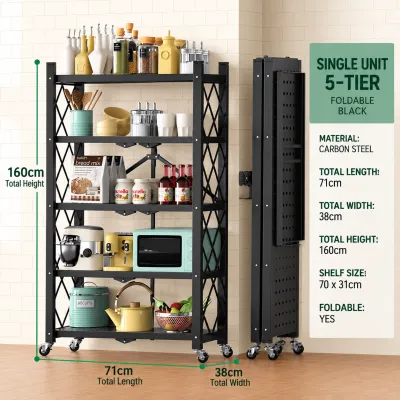
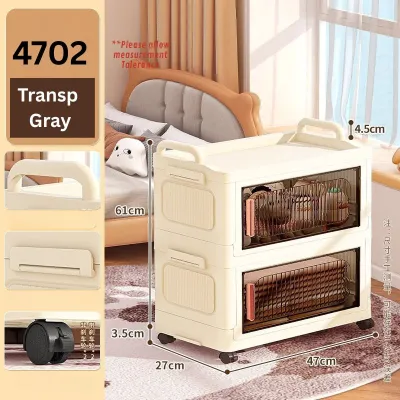
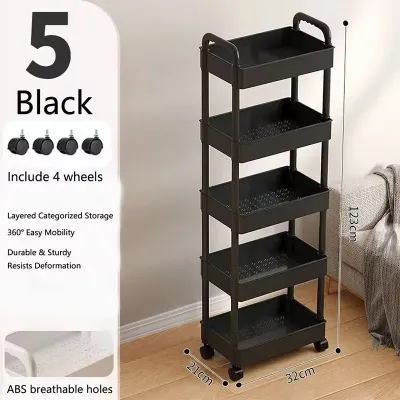
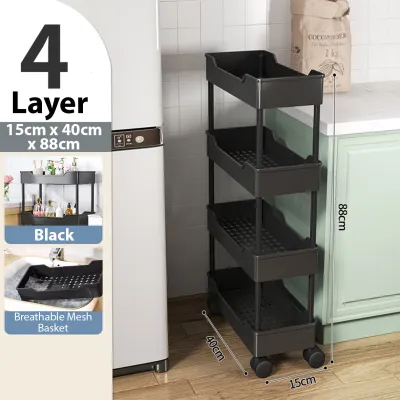
![2/3/4 Tiers Kitchen Bathroom Organizer Trolley Shelf/Rack/ Storage/Utility Cart with Rollers Wide - White / Grey Color [Stock in SG]](https://img.lazcdn.com/g/p/c3b7bda38d6f5ae35cdc88c062c34715.jpg_400x400q80.jpg_.webp)
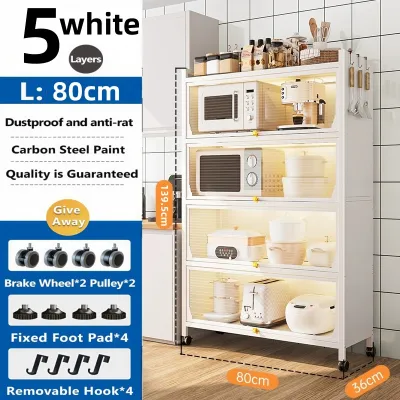
Prices are valid at publication and may change. Please refer to the product page for the latest price.
Why Foldable Wheeled Racks Solve HDB Space Constraints
The typical layout of a Singapore HDB flat presents several distinct spatial challenges, including narrow entryways, multi-purpose living rooms, and compact service yards. In these environments, bulky built-in carpentry can quickly make a room feel cramped and restrict the flow of natural light and ventilation. Because household needs change throughout the day, static furniture often fails to provide the flexibility required for modern, multi-functional living spaces.
This is where the dual benefit of a foldable storage rack with wheels becomes invaluable. The high-quality casters allow you to roll the rack effortlessly to wherever it is actively needed, such as moving a kitchen cart to the dining table during meals, or rolling a utility rack into the service yard on laundry day. Once the task is complete, the entire unit can be collapsed in seconds and slipped into a closet, behind a door, or into a narrow gap, instantly reclaiming valuable floor space.
By choosing mobile, collapsible furniture, you can maintain a clean, decluttered home without sacrificing storage capacity. This setup supports a flexible lifestyle, allowing rooms to transition seamlessly from a quiet home office during the day to an open, spacious living area for family gatherings in the evening.
What to Check Before Buying a Foldable Storage Rack with Wheels
Selecting the ideal mobile shelving unit requires looking beyond aesthetic appeal to evaluate how the product will perform under the physical demands of your household. Because folding furniture relies on moving parts and joints, assessing the build quality and specifications is essential to avoid structural failure or damage to your home.

Dimensions and Folded Footprint Before browsing online marketplaces or visiting local furniture showrooms, precisely measure the designated storage area where the rack will reside when collapsed. Many homeowners make the mistake of measuring only the open space where they plan to use the rack, forgetting to verify if the folded unit will actually fit into their intended storage crevice, such as the gap beside a refrigerator or inside a household shelter. Check the manufacturer’s specifications for the exact depth, width, and height of the rack in both its fully expanded and completely collapsed states. Keep in mind that folded dimensions often include the protruding width of the wheels, which can add several centimeters to the overall profile and prevent the unit from sliding into tight alcoves.
Wheel Quality and Locking Mechanisms The performance of your mobile rack depends heavily on the quality of its casters, particularly when traversing common HDB flooring materials like homogeneous tiles, luxury vinyl tiles (LVT), or laminate. Hard, cheap plastic wheels can easily scratch delicate vinyl surfaces or create loud, disruptive rattling noises when rolling over tile grout lines. Look for casters made from soft polyurethane (PU) or thermoplastic rubber (TPR), which provide excellent shock absorption, roll quietly, and protect your floors from scratches. Additionally, ensure that at least two of the wheels—ideally all four—are equipped with reliable, easy-to-engage locking brakes. These brakes are critical for preventing the rack from drifting on minor floor gradients, which are common in wet areas like service yards and kitchens designed with drainage slopes.
Weight Capacity and Structural Stability Every folding rack has a designated load limit that must be strictly observed to maintain structural integrity and prevent accidents. Always consult the product label or manufacturer manual for the explicit weight capacity per tier, as well as the total maximum weight limit for the entire unit. Because foldable frames inherently possess more structural flexibility than welded, fixed-frame shelves, they are more susceptible to splaying or bowing under excessive loads. To ensure maximum stability, prioritize racks designed with a lower center of gravity and a wider base footprint. When loading the rack, place the heaviest items on the bottom shelf to prevent the unit from becoming top-heavy, which significantly increases the risk of tipping over when the rack is pushed or pulled across the room.
Material and Finish Care Singapore’s tropical climate, characterized by high relative humidity levels, poses a constant threat of rust and corrosion to metal furniture. Do not assume that a material name alone, such as carbon steel or iron, guarantees long-term durability or weatherproofing; instead, inspect the specific finish applied to the frame. Look for high-quality powder coatings, epoxy finishes, or chrome plating that provide a protective barrier against moisture and spills. Always review the manufacturer’s care instructions to verify if the rack is suitable for high-humidity environments like balconies or service yards. If the product manual does not explicitly state that the finish is rated for prolonged outdoor moisture exposure, it is best to keep the rack indoors and wipe down the frame immediately if it comes into contact with water or household cleaning agents.
Best Foldable Wheeled Rack Types for Different HDB Rooms
Different rooms within an HDB flat present unique storage challenges, meaning a single style of folding rack may not be suitable for every corner of your home. Categorizing these organizers by their design features and intended use cases allows you to select the most efficient solution for each space.
Slim Foldable Kitchen Trolleys
In compact HDB galley kitchens, counter space is often limited, leaving little room for meal preparation, small appliances, or dry food storage. Slim foldable kitchen trolleys are specifically engineered with a narrow profile—often ranging from 12 to 20 centimeters in width—allowing them to slide effortlessly into the underutilized gaps between kitchen cabinets, beside the pantry, or next to the refrigerator. These mobile carts are excellent for holding frequently used ingredients, spices, condiments, or lightweight kitchen tools, keeping them within arm’s reach during cooking and neatly tucked away afterward.
When positioning a slim trolley in your kitchen, check the clearance of surrounding cabinet doors, drawers, and major appliances to ensure the rack does not block daily access. If you plan to park the trolley near active cooking zones, ovens, or gas hobs, verify that the wheels are securely locked to prevent accidental movement near open flames or hot surfaces. Furthermore, be cautious when placing small electrical appliances, such as blenders, air fryers, or microwave ovens, on foldable shelves. Because these appliances generate heat and vibration during operation, you must verify that the folding tiers are rated to support their weight and that the trolley remains perfectly stable when the appliances are turned on.
Collapsible Garment and Utility Racks
HDB service yards and bedrooms often require flexible storage solutions to handle temporary clothing overflow, laundry sorting, or ironing preparation. Collapsible garment and utility racks typically feature a sturdy hanging rod combined with one or more bottom wire shelves, providing a versatile combination of hanging and flat storage. These racks are incredibly useful for hanging freshly ironed clothes, drying delicate garments indoors, or organizing coats and bags when guests visit your home.
To ensure safe operation, always check the maximum weight capacity of the hanging rod before loading it with heavy winter coats, damp towels, or freshly washed laundry. Overloading the top rail can cause the vertical support bars to bow inward or cause the bottom wheels to splay outward, permanently damaging the folding joints. If you use the rack in a semi-outdoor service yard or near an open window during the monsoon season, pay close attention to humidity levels. Unless the manufacturer’s manual explicitly states that the rack is treated for prolonged moisture exposure, make it a habit to fold the unit and store it in a dry, indoor area when not in use to prevent the onset of rust and mold.
Multi-Tier Folding Utility Carts
Multi-tier folding utility carts are the ultimate all-rounders for HDB living, offering adaptable storage for living rooms, study nooks, playrooms, and balconies. These carts often feature three or four spacious tiers, sometimes accompanied by convenient accessories like removable storage trays, adjustable shelf heights, and side pegboards with hanging hooks. They can serve as a mobile homework station for children, a temporary side table next to the sofa, or a portable gardening station for potting small indoor plants.
Before loading a multi-tier cart with books, toys, or heavy potted plants, carefully inspect the stability of the folding hinges and safety locking pins. Ensure that all locking mechanisms are fully engaged and clicked into place; a partially engaged pin can cause the entire rack to collapse unexpectedly when weight is applied. If you intend to use the cart on an HDB balcony for displaying potted plants, you must first check your building’s balcony weight restrictions and structural guidelines. Always position the cart so that it does not block essential drainage grates, rainwater downpipes, or designated emergency escape routes, and ensure the wheels are locked tightly to withstand sudden wind gusts during tropical storms.
How to Measure and Position Your Rack Safely
To maximize the safety and utility of your mobile storage unit, follow a systematic approach to spatial planning and installation. Proper placement not only prevents damage to your walls and flooring but also protects household members from accidental bumps or trips.
Pre-Purchase Measurement Begin by executing a thorough measurement check of the specific area where you plan to park the rack when it is fully loaded and in use. Use a reliable measuring tape to record the height, width, and depth of the space, but do not rely solely on open floor measurements. Look closely for physical obstructions along the wall, such as protruding skirting boards, electrical power outlets, light switches, wall-mounted water heaters, or door frame moldings. A skirting board, for example, can prevent a wide rack from sitting flush against the wall, forcing it outward into a walkway and creating a tripping hazard. Ensure that the rack will not block access to wall outlets or interfere with the swing arc of nearby bedroom or cabinet doors.
Clearance for Folding One often overlooked aspect of mobile furniture is the physical space required to execute the folding and unfolding process itself. Collapsing a rack typically involves swinging structural panels outward or lifting the center of the frame, which temporarily expands the unit’s physical footprint during transition. Before purchasing, consult the user manual to understand how the folding mechanism operates. Ensure you have a clear, unobstructed zone in your home with at least 30 to 50 centimeters of extra clearance on all sides so that the moving metal frames do not strike your walls, delicate glass doors, or adjacent wooden furniture during setup or storage.
Safe Positioning Once your rack is assembled and loaded, position it away from high-traffic choke points, such as the main entrance foyer, narrow hallways, or the immediate path leading to the bathroom. Whenever the rack is stationary, even for a short period, immediately engage the wheel brakes to prevent it from rolling if bumped by a family member or pet. For taller, multi-tier folding racks, the risk of tipping is significantly higher. If you plan to load a tall rack with heavy items, consult the manufacturer’s instructions regarding anchoring requirements. Many high-quality brands provide safety wall tethers or anti-tip straps; if these are included, ensure they are properly installed according to the manual’s guidelines to secure the rack when it is parked in its permanent spot.
Routine Maintenance for Folding Joints and Casters
Because foldable wheeled racks rely on mechanical joints and moving wheels, regular maintenance is essential to ensure smooth operation and prolong the lifespan of the product in Singapore’s humid environment. Neglecting basic care can lead to stiff hinges, squeaky wheels, and accelerated wear on your home’s flooring.
Wheel and Caster Care Over time, floor dust, hair, pet dander, and loose fibers can easily wrap around the axles of your rack’s casters. This accumulation creates friction, preventing the wheels from rotating freely and forcing you to drag the rack, which can leave deep scratches on vinyl or laminate floors. Perform a visual inspection of the wheels once a month. Use a pair of tweezers, a small utility knife, or a sewing seam ripper to carefully cut away and remove any tangled hair or debris from the wheel axles. Wipe the surface of the wheels with a damp microfiber cloth to remove accumulated grime, ensuring a clean contact surface with your flooring.
Hinge and Joint Checks The folding hinges, locking pins, and joints are the most critical structural components of your collapsible rack. Periodically check these moving parts to ensure they operate smoothly without grinding, sticking, or requiring excessive force to open. If you notice stiffness or resistance, do not attempt to force the frame, as this can bend the metal alignment or strip the connecting rivets. Refer to the product’s care manual to see if the manufacturer recommends applying a lubricant. If lubrication is permitted, use only the specific type recommended (such as a light silicone spray or dry PTFE lubricant); avoid using heavy household cooking oils or generic penetrating oils, as these can attract airborne dust, create sticky residues, and degrade adjacent plastic washers or rubber seals.
Rust and Corrosion Monitoring Regularly inspect the entire metal frame, paying close attention to welded joints, screw holes, and the areas surrounding the folding hinges where moisture is most likely to collect. If you use the rack in the kitchen or service yard, make it a habit to wipe down the frame with a dry, clean microfiber cloth after any exposure to water, cooking steam, or high humidity. If you detect any signs of surface rust, consult the manufacturer’s care instructions for the approved method of treatment. If structural rust develops—particularly on the folding locks, safety pins, or wheel attachments—stop using the rack immediately and contact the manufacturer or a professional technician, as compromised structural components can lead to sudden failure and collapse under load.
Frequently Asked Questions (FAQ)
Can I use a foldable wheeled rack on HDB vinyl flooring?
Yes, you can use a foldable wheeled rack on HDB vinyl flooring, but you must verify the material of the casters beforehand. Hard nylon or cheap plastic wheels can easily scratch, scuff, or dent soft vinyl surfaces over time. Prioritize wheels made from soft polyurethane (PU) or thermoplastic rubber (TPR), which glide smoothly and distribute weight evenly. If the caster material is unknown or feels excessively hard, consider applying rubber caster cups when the rack is stationary, or place a protective, non-slip floor mat beneath the unit to safeguard your flooring.
Are foldable racks stable enough to hold heavy appliances?
While some high-quality foldable racks are built with robust steel frames, the folding hinges and joints naturally introduce a degree of structural flex that is not present in fixed, fully welded shelves. Always consult the manufacturer’s manual for the precise weight limits of each individual tier and the overall cart. To maintain maximum stability, avoid placing heavy, top-heavy appliances like microwave ovens or espresso machines on the upper shelves. If you must store an appliance on the rack, place it on the bottom tier to keep the center of gravity low, and ensure all folding locks and safety pins are fully engaged before operation.
How do I prevent a wheeled rack from rolling on a sloped HDB floor?
To prevent a wheeled rack from drifting on sloped surfaces—which are common near drainage outlets in HDB service yards and kitchens—ensure that your rack is equipped with dual-lock casters that lock both the wheel rotation and the swivel mechanism. Always engage the brakes on all available wheels when the rack is parked. If the floor gradient is steep and exceeds the holding capacity of the built-in brakes, place the rack on a thin, low-pile level rug, or use physical rubber wheel stoppers to hold the casters securely in place.

Community discussion
Share your experience or ask a question. Comments are reviewed before publication.