
Finding a practical foldable storage bench for a compact HDB flat or condominium in Singapore requires balancing immediate seating needs with hidden storage capacity and space-saving portability. Because space is at a premium, a successful purchase hinges on verifying the exact dimensions, weight capacities, and folding mechanisms of the bench before it arrives at your door. Rather than relying on generic size estimates, you must measure your specific entryway or living room layout to ensure the bench can fold away seamlessly when not in use. By focusing on structural integrity and smart space planning, you can select a versatile piece of furniture that enhances your home’s functionality without adding clutter.
Core Features to Evaluate for Compact Living
When selecting a foldable storage bench, the folding mechanism dictates how easily you can transition the piece between active use and storage. Flat-fold panel designs typically feature a collapsible fabric or faux-leather body with a removable base insert and a padded lid. These benches fold completely flat, often to a thickness of under ten centimeters, allowing you to slide them under a bed or store them inside a household shelter when they are not needed. Alternatively, benches with collapsible metal or wooden legs utilize locking hinges to fold the support structure flat against the underside of the seat. While these leg-based mechanisms are highly durable and offer a more traditional furniture aesthetic, they generally take up more vertical space when folded than panel-based designs.
Balancing internal storage capacity against the external footprint is essential for maximizing utility in tight layouts. A bench with thick, heavily padded walls may offer comfortable seating but will have a significantly reduced interior volume. Conversely, thin-walled fabric folding ottomans maximize storage space but may lack the structural rigidity required for heavy daily use. To find the right balance, compare the manufacturer’s specified external dimensions with the internal storage dimensions. If you plan to store bulky items like winter clothing or spare bedding, prioritize a deeper, single-compartment design; for smaller items like shoes or toys, look for models with removable internal dividers to keep things organized.
Products mentioned in this guide
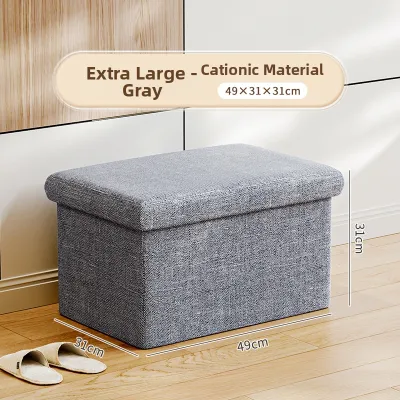
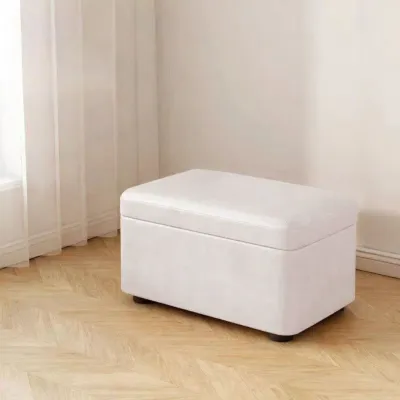
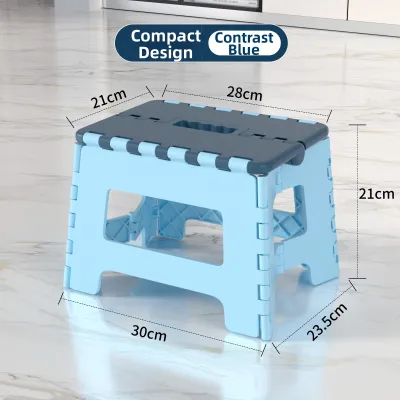
Prices are valid at publication and may change. Please refer to the product page for the latest price.
Multi-functional designs are highly valuable in small Singapore homes, where furniture must often serve multiple purposes. A well-designed foldable storage bench can function as an entryway shoe-changing station, a living room coffee table when paired with a flat wooden tray, or extra guest seating during festive gatherings. Some advanced models feature reversible lids with a padded cushion on one side and a hard wood-grain veneer on the other, allowing you to switch from a seat to a stable table surface in seconds. Other designs incorporate open lower shelves or wire racks beneath the main storage compartment, providing quick-access shoe storage while keeping the primary compartment sealed.
Understanding the trade-offs between portability and structural rigidity will help you choose a bench that matches your lifestyle. Lightweight materials like non-woven fabric, polyester, and medium-density fibreboard (MDF) make the bench easy to carry from room to room, which is ideal if you frequently rearrange your layout. However, these lightweight options are more prone to shifting or wobbling when sat upon. Benches constructed with solid wood frames or steel folding legs offer superior stability and a more secure seating experience, but they are considerably heavier and more difficult to move. Assess how often you expect to fold and relocate the bench to determine whether portability or rigidity is your primary requirement.
Space Planning and Clearance for HDBs and Condos
Accurate space planning is critical to ensure your foldable storage bench fits comfortably within your home’s layout without obstructing daily traffic. Begin by measuring the exact floor area where you plan to position the bench, keeping in mind that you need sufficient clearance to access the storage compartment. If the bench features a hinged lid, verify that there is enough vertical clearance to open the lid fully without hitting wall-mounted items like coat hooks, mirrors, or light switches. For benches placed in narrow hallways, ensure there is at least sixty to eighty centimeters of walkway space remaining when the bench is fully assembled so family members can pass by easily.

Before finalizing your purchase, check the dimensions of your building’s elevator, corridors, and your apartment’s main doorway. Even though the bench is designed to fold, it may be delivered fully assembled or packaged in a large, rigid box that cannot be bent. Measuring these entry points ensures a smooth delivery process and prevents situations where a package cannot fit through a tight corridor turn or a narrow doorway. If you live in an older HDB estate with narrower lift doors, double-checking these measurements is especially important to avoid delivery complications.
Identifying the optimal placement zone for your bench depends on your household’s daily routines and traffic flow. The entryway is a highly popular zone, providing a convenient spot to sit while putting on shoes and a neat storage space for umbrellas, shopping bags, and outdoor gear. Placing a foldable bench at the foot of the bed in a master bedroom offers a practical seat for dressing while keeping extra linens, pillows, or seasonal clothing organized and out of sight. In the living room, positioning the bench beneath a window or against an unused wall keeps the center of the room open while ensuring extra seating is readily available for guests.
Singapore’s humid tropical climate requires proactive planning for ventilation and moisture control, particularly when placing furniture near external walls or using it for shoe storage. Placing a storage bench flush against a wall can trap humid air, creating an environment prone to mold and mildew growth. To prevent this, leave a clearance gap of at least two to five centimeters between the bench and the wall to promote continuous airflow. If you use the bench to store shoes, ensure they are completely dry before placing them inside, and consider using reusable silica gel packs or charcoal dehumidifier bags inside the compartment to keep the interior dry and odor-free.
Build Quality, Hardware, and Safety Checks
Assessing the build quality and hardware of a foldable storage bench is essential for ensuring long-term safety and durability. Inspect the hinges, joints, and folding brackets to ensure they are made of robust metals like steel or brass rather than thin plastics. Look for locking pins or safety latches that secure the legs or frame firmly in place when the bench is unfolded, preventing accidental collapse if the bench is bumped or shifted. Carefully examine the folding joints for potential pinch hazards, ensuring that the moving parts are recessed or shielded so fingers cannot easily get caught during assembly or folding.
The choice of frame materials and surface finishes directly impacts the bench’s resistance to wear and ease of maintenance. Engineered wood, such as MDF or particleboard, is commonly used in foldable furniture due to its lightweight nature, but it must be fully sealed with a water-resistant laminate or veneer to prevent swelling in humid conditions. Inspect the edges and corners of the panels to ensure there are no exposed raw wood fibers. For metal frames, check for a consistent powder-coated or rust-resistant finish to protect against corrosion from humidity or wet shoes. Smooth, non-porous surfaces are highly recommended as they can be easily wiped clean with a damp microfiber cloth.
If you select a bench with a padded seat, the durability of the upholstery fabric and the quality of the cushioning require close inspection. Look for high-density foam padding that quickly regains its shape after you stand up, as low-quality foam will flatten permanently over time, reducing seating comfort. Synthetic upholstery materials like polyester, nylon, or polyurethane (PU) leather are excellent choices for high-traffic areas because they resist stains, fading, and wear. Check the manufacturer’s specifications for fabric care, and prioritize models with removable, machine-washable cushion covers to make cleaning spills or dirt straightforward.
Always verify the manufacturer’s care instructions, assembly conditions, and warranty limitations before making your purchase. Some foldable benches require periodic hardware tightening to maintain their structural stability, especially if they are folded and unfolded frequently. Review the assembly instructions to determine if any specialized tools are required, or if the bench features a tool-free folding design that can be set up in minutes. Additionally, understand the terms of the warranty, noting that structural damage caused by overloading the bench beyond its specified weight capacity or using it outdoors is typically excluded from coverage.
Building Your Shortlist: Matching Bench Types to Your Needs
To build an effective shortlist, match the specific style of foldable bench to your primary household needs and storage habits. If your main goal is to have occasional seating for guests that can be completely hidden away when not in use, prioritize flat-fold fabric or faux-leather ottoman benches that can be stored under a bed or inside a closet. If you require a permanent piece of furniture for daily use in your entryway, focus on benches with sturdy wooden or metal folding frames that offer integrated shoe shelves and a higher weight capacity. Categorizing your needs this way prevents you from buying a bench that is either too flimsy for daily use or too bulky to store easily.
Before making a final purchase, run through a comprehensive pre-purchase verification checklist to ensure the bench meets all your requirements:
- Unfolded Dimensions: Verify the length, width, and height fit your designated space with proper clearances.
- Folded Dimensions: Ensure the collapsed bench fits into your intended storage location, such as under a bed frame or inside a utility closet.
- Weight Capacity: Check the manufacturer's specified static and dynamic weight limits to ensure it can safely support users.
- Material Safety: Look for certifications indicating low-formaldehyde emissions (such as E1 or E0 standards) for engineered wood components.
- Assembly Requirements: Confirm whether the bench arrives fully assembled, requires tool-free folding setup, or needs basic hand tools.
Evaluating how the bench will be used on a daily basis versus long-term storage scenarios will guide you toward the right material choices. A bench that remains unfolded and in constant use in a high-traffic entryway needs highly durable, easy-to-clean upholstery and a rigid frame that can withstand frequent sitting and standing. For benches intended primarily for long-term storage—such as storing seasonal winter wear or holiday decorations—focus on lightweight, dust-resistant materials and secure lid closures that protect the contents from dust and pests while stored away in a closet.
If you have an exceptionally awkward layout, highly constrained spaces, or unique structural requirements, off-the-shelf foldable benches may not provide a safe or functional fit. In these situations, it is best to stop and consult a professional interior designer or a custom carpenter. A professional can design a bespoke, wall-mounted folding seat or a tailored built-in storage solution that maximizes your available space safely and aesthetically. Investing in custom carpentry for highly specific niches ensures a perfect fit and long-term durability that mass-produced foldable furniture cannot match.
Frequently Asked Questions (FAQ)
How much weight can a typical foldable storage bench hold?
To determine the weight capacity of a foldable storage bench, always refer to the manufacturer’s product labels and official specifications rather than relying on general assumptions. Weight limits vary significantly based on the bench’s construction and materials; a basic flat-fold fabric ottoman bench may only support a static weight of 80 to 100 kg, whereas a heavy-duty bench with a reinforced metal or solid wood folding frame can often support 150 kg or more. It is essential to understand the difference between static weight, which is the load the bench can support when a person sits down gently and remains still, and dynamic weight, which includes the impact force of someone sitting down quickly or moving around. To prevent sudden structural failure or injury, never exceed the specified weight limits, and regularly inspect the bench for warning signs of structural stress, such as creaking joints, bowing panels, or loose screws. If you notice any of these signs, unload the bench immediately and discontinue use.
Are foldable benches safe for homes with young children or pets?
Foldable furniture introduces specific safety considerations in households with young children or pets, primarily due to the moving parts inherent in folding designs. The main hazards include pinch points in exposed hinges, collapsing leg joints, and heavy lids that can slam shut on small fingers, hands, or paws. When shopping for a foldable bench, look for safety features such as slow-close safety hinges, lid stays, locking pins, or recessed mechanisms that prevent the bench from folding or closing unexpectedly. Avoid lightweight, top-heavy designs that could easily tip over if a child climbs on or leans against the side of the bench. Ensure the bench has a wide, stable base and a low center of gravity to minimize tipping risks. If a foldable bench lacks built-in safety locks or slow-close mechanisms, place it in an area where children cannot access it unsupervised, or opt for a non-folding, solid-framed storage bench with rounded corners and secure, fixed joints.

Community discussion
Share your experience or ask a question. Comments are reviewed before publication.