
Maximizing space in Singapore’s public housing requires strategic furniture choices. As HDB flat layouts have evolved to prioritize open-plan living, individual areas like kitchens, service yards, and hallways have become highly optimized. In these compact layouts, every centimeter counts. A narrow shelf rack featuring a foldable design offers an ideal balance of storage capacity and spatial flexibility. These specialized organizers fit into underutilized gaps—such as the space beside a refrigerator or washing machine—and can be collapsed and tucked away when not in use. By utilizing vertical space without permanently obstructing high-traffic walkways, foldable narrow racks help homeowners maintain a clutter-free, highly functional living environment.
Traditional bulky cabinets often crowd compact rooms, making them feel smaller and restricting movement. In contrast, a foldable narrow shelf rack provides storage that adapts to your daily routine. For example, you can deploy the rack during meal preparation or laundry sessions, then fold it flat and slide it behind a door once the task is complete. This adaptability is particularly valuable in multi-purpose spaces, such as a study room that doubles as a guest bedroom, or a balcony that serves as both a laundry drying area and a relaxation corner. Investing in these flexible systems allows you to customize your home’s layout on demand.
Integrating foldable narrow shelving into your home also improves safety and accessibility. Instead of stacking items precariously on countertops or floor spaces, you can organize them on dedicated, slim tiers. This keeps essential household items within arm’s reach while preserving clear pathways throughout your home. Whether you need to organize spices in a narrow kitchen galley, store detergent in a compact service yard, or hold daily essentials in an entryway, choosing the right foldable rack requires a clear understanding of dimensions, structural mechanics, and mounting requirements.
Products mentioned in this guide
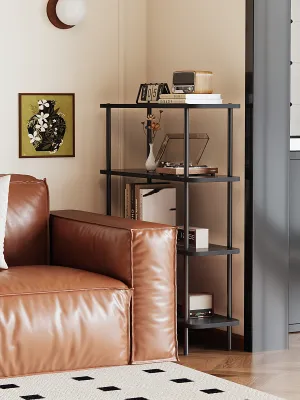
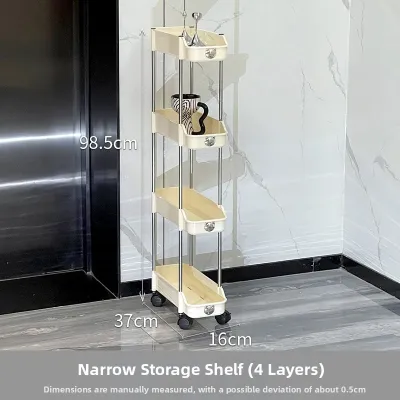
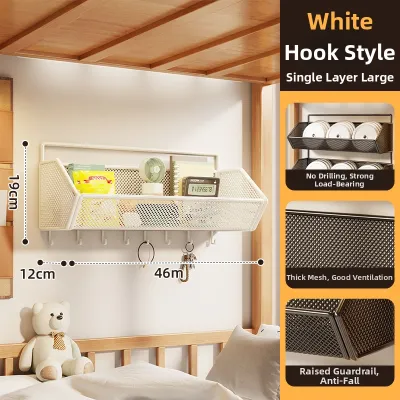
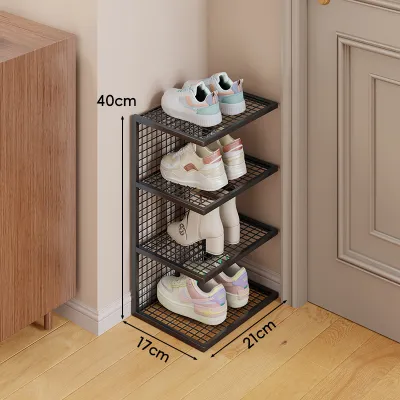
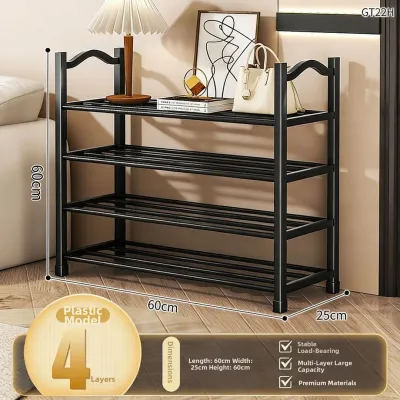
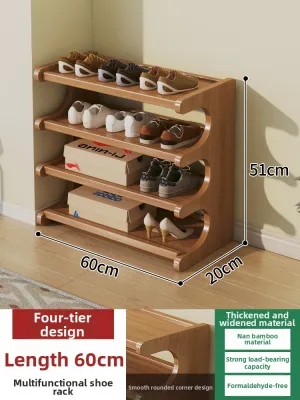
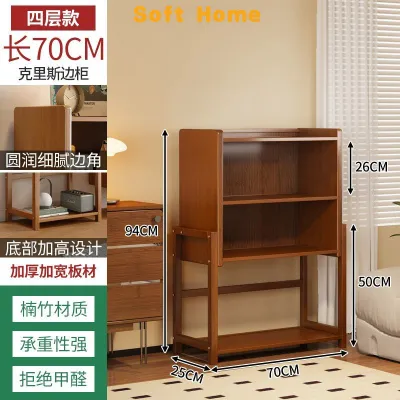
Prices are valid at publication and may change. Please refer to the product page for the latest price.
Key Features to Look for in a Foldable Narrow Shelf Rack
Selecting the perfect narrow shelf rack involves more than finding an attractive design. Because these units operate in tight spaces and rely on moving parts, you must evaluate several technical specifications to ensure long-term functionality, safety, and compatibility with your home’s layout.
Dimensions and Gap Compatibility
Before purchasing a narrow shelf rack, you must obtain precise measurements of the target gap. Many slim utility racks are designed to fit widths ranging from 10 to 20 centimeters, but even a minor measurement error can prevent the unit from sliding in smoothly. Always measure the width, depth, and height of the gap at multiple points, as walls and adjacent furniture are rarely perfectly parallel.
Beyond the basic dimensions of the rack, you must account for architectural protrusions that can obstruct a flush fit. Skirting boards along the base of HDB walls typically project 1.5 to 2 centimeters, which can significantly narrow the usable floor space. Additionally, look out for low-hanging power outlets, light switches, water inlet pipes, and wall-mounted electrical trunking. If the rack is intended to sit next to major appliances like a refrigerator or washing machine, ensure there is sufficient clearance for heat dissipation and operational vibrations.
Folding Mechanisms and Ease of Use
The utility of a foldable rack depends heavily on its folding mechanism. Different designs cater to distinct storage needs and spatial limitations. Fully collapsible frames fold flat vertically or horizontally, allowing you to store the entire unit in a closet or behind a door. Drop-leaf shelves allow individual tiers to fold down independently, which is highly useful when you need to accommodate taller items on the shelf below.
When evaluating these mechanisms, closely examine the hardware components. Look for high-quality hinges, locking pins, and safety catches that secure the rack in its open position. The folding action should be smooth and require minimal physical effort, yet the joints must remain rigid when locked. Avoid units with flimsy plastic hinges or loose joints, as these components are prone to wearing down under regular use, which compromises the stability of the entire structure.
Load Capacity and Structural Stability
A narrow profile naturally results in a higher center of gravity, making structural stability a primary safety consideration. Always verify the manufacturer’s specified load capacity, which is typically detailed per shelf as well as for the entire unit. To maintain stability, always place heavier items on the bottom shelves and lighter items on top. This simple practice lowers the center of gravity and reduces the risk of the rack tipping over during use.
Do not assume that a material’s name alone guarantees durability or safety. While steel, iron, and solid wood are inherently strong, their performance in a foldable rack depends on joint construction, weld quality, and connection hardware. Inspect the joints to ensure they are securely welded or bolted with heavy-duty fasteners. In Singapore’s humid tropical climate, metal surfaces must feature high-quality powder coating or rust-resistant treatments, while wooden components require proper sealing to prevent warping, mold growth, and moisture damage in areas like kitchens and service yards.
Top Foldable Narrow Shelf Designs for Different HDB Spaces
Different zones within an HDB flat present unique storage challenges. To help you find the right solution, we have categorized the most effective foldable narrow shelf designs based on their structural layouts, ideal locations, and practical limitations.

Slim Rolling Carts with Foldable Shelves
Slim rolling carts are highly effective for organizing narrow gaps in kitchens, bathrooms, and service yards. Typically ranging from 12 to 18 centimeters in width, these mobile units slide easily into the tight spaces next to refrigerators, kitchen cabinets, or washing machines. When equipped with foldable shelves, these carts offer exceptional versatility, allowing you to fold down middle tiers to accommodate tall bottles of cooking oil, laundry detergents, or cleaning agents.
When selecting a slim rolling cart, prioritize wheel quality and stability. Look for heavy-duty, 360-degree caster wheels that glide smoothly over common flooring materials like homogeneous tiles, vinyl, or laminate. At least two of the wheels should feature robust locking brakes to keep the cart securely in place when parked. Additionally, ensure there is adequate clearance between the bottom shelf and the floor so the cart does not scrape against grout lines or uneven flooring surfaces.
Wall-Mounted Fold-Down Narrow Shelves
For areas where floor space is extremely limited, wall-mounted fold-down shelves provide an excellent alternative. These units are ideal for creating temporary workspaces, compact dining nooks, or balcony potting stations. When open, they provide a sturdy surface for laptops, meals, or decorative items; when folded down, they lie virtually flush against the wall, preserving valuable walkway clearance in narrow corridors or study rooms.
Installing a wall-mounted unit requires careful assessment of your wall structure. Structural concrete walls, such as those found in HDB bomb shelters or load-bearing partitions, offer maximum support but require specialized rotary hammer drills for installation. Lightweight drywall or gypsum partition walls require specialized hollow-wall anchors and have much lower weight capacities. Always check the bracket strength and ensure the mounting hardware is rated for your intended load. Additionally, verify that the shelf’s folding path is clear of window handles, door swings, and light switches.
Freestanding X-Frame or Accordion Narrow Racks
Freestanding X-frame or accordion-style racks are highly versatile, no-drill storage solutions. These racks feature a scissor-like frame that allows the entire unit to expand or collapse in a single, fluid motion. Because they do not require wall mounting or permanent installation, they are highly popular for rental flats or for homeowners who frequently rearrange their living spaces.
These racks are excellent for temporary storage in living rooms, bedrooms, or entryways. You can use them to hold guest slippers, display indoor plants, or organize books and magazines. However, because the structural integrity relies on the tension of the folding frame, you must ensure the rack is placed on a perfectly level floor. Distribute weight evenly across each tier to prevent the frame from twisting or wobbling, and avoid overloading the top shelves.
Over-the-Door or Hanging Foldable Organizers
Over-the-door and hanging foldable organizers utilize vertical space that is often completely overlooked. These systems typically hang from the top of bedroom, bathroom, or utility closet doors, providing multiple slim tiers of storage without taking up any floor or wall space. Many designs feature foldable fabric compartments or metal wire baskets that can be collapsed flat when empty.
Before purchasing a hanging organizer, measure your door’s thickness and the clearance gap at the top of the door frame. Standard HDB interior doors are typically 35 to 40 millimeters thick, and the hanging brackets must fit snugly over the door without preventing it from closing smoothly. Be mindful of the weight limits for these organizers; overloading them can strain door hinges, cause the door frame to sag, or result in unsightly scratches on the door surface. To prevent the organizer from banging against the door when it is opened or closed, look for models that include adhesive pads or suction cups to secure the bottom of the unit.
How to Measure and Prepare Your HDB Space Before Buying
To ensure your new foldable narrow shelf rack fits perfectly and functions safely, follow this systematic preparation and measurement guide before making a purchase.
- Measure at Multiple Heights: Walls and floors in residential buildings are rarely perfectly level. Use a reliable metal tape measure to record the width of your target gap at three distinct levels: near the floor, in the middle, and near the top. Use the smallest measurement as your maximum allowable width for the rack.
- Check for Protrusions and Obstructions: Inspect the entire depth and height of the gap for hidden obstacles. Look out for skirting boards, water pipes, electrical trunking, gas meters, wall-mounted taps, and power outlets. Ensure the rack will not block access to active electrical sockets or safety valves.
- Analyze Operational Clearances: A foldable rack needs space to operate. Ensure there is sufficient clearance for the folding mechanism to expand and collapse without striking adjacent walls or furniture. If the rack has doors, drawers, or pull-out trays, verify that their path of movement is completely unobstructed.
- Map the Delivery and Assembly Path: If the rack is delivered fully assembled, you must ensure it can safely reach its final destination. Measure the height and width of your HDB main gate, front door, corridor, and any tight corners inside your home. Additionally, check the dimensions of your building's lift to ensure the packaged product can be transported easily.
Maintenance and Safety Tips for Foldable Furniture
Proper care and regular safety checks are essential to extend the lifespan of your foldable narrow shelf rack and prevent household accidents. Because these units feature moving joints and slim profiles, they require more attention than static, heavy furniture.
First, conduct routine structural inspections every few months. Check all connecting screws, bolts, and hinge pins to ensure they have not loosened over time due to the vibrations of folding and unfolding. Tighten any loose hardware immediately using the appropriate tools. If your rack features wheels, inspect them for accumulated dust, hair, or fiber debris, which can jam the bearings and scratch your floors. Clean the wheels regularly and apply a small amount of silicone-based lubricant to the axles to maintain smooth movement.
Second, pay close attention to cleaning and moisture control, especially in Singapore’s humid climate. Wipe down the rack regularly with a damp microfiber cloth to remove dust and grime, then dry the surfaces thoroughly with a clean towel. Avoid using harsh chemical cleaners or abrasive scrubbing pads, which can strip away protective powder coatings or wood sealants, leaving the underlying material vulnerable to rust or moisture rot. If you notice any chips or scratches in the protective finish, touch them up promptly with rust-inhibiting paint or wood sealant.
Finally, always adhere strictly to the manufacturer’s load limits. Avoid the temptation to squeeze “just one more item” onto a shelf, particularly on the upper tiers. When loading or unloading the rack, do so gently; dropping heavy items onto a shelf can shock the folding joints and cause the locking pins to fail. If you need to move a freestanding or rolling rack, always collapse it first or remove heavy items to ensure you can transport it safely without losing control or tipping the unit over.
Frequently Asked Questions (FAQ)
Can I install a wall-mounted foldable shelf on HDB partition walls?
Yes, you can install a wall-mounted foldable shelf on HDB partition walls, but you must take specific safety precautions. Lightweight partition walls, such as drywall or gypsum board, do not have the same load-bearing capacity as structural concrete walls. For light loads, you must use specialized hollow-wall anchors, such as toggle bolts or heavy-duty plasterboard plugs, rather than standard plastic wall plugs.
For heavier loads, you should locate the internal metal or wooden wall studs using a stud finder and mount the shelf brackets directly into these studs. If you are uncertain about the wall material, the location of internal studs, or the weight capacity of your partition wall, consult a qualified professional handyman or contractor before drilling to prevent structural damage or shelf collapse.
How do I prevent a narrow freestanding rack from tipping over?
To prevent a narrow freestanding rack from tipping over, always place the heaviest items on the bottom shelf to lower the overall center of gravity. Ensure the rack is positioned on a completely level floor; even a slight slope can cause a slim, tall unit to become unstable.
For maximum safety, especially in homes with children or pets, secure the rack to the adjacent wall using anti-tip straps, L-brackets, or wall anchors. If wall drilling is not an option, you can place heavy adhesive non-slip pads under the feet of the rack to increase grip and stability, or position the rack securely between two heavy, stable pieces of furniture to limit its lateral movement.

Community discussion
Share your experience or ask a question. Comments are reviewed before publication.