
For homeowners navigating the compact layouts of modern Singapore BTO flats, finding efficient drawers storage solutions is essential to maintaining an organized, restful bedroom. Foldable drawer units offer an ideal compromise, providing the structured organization of traditional cabinetry with the flexibility of collapsible furniture. These versatile systems allow you to expand your storage capacity on demand and fold them flat when they are no longer needed, making them highly suited for tight spaces where every square centimeter counts.
Why Foldable Drawers Maximize Space in HDB Bedrooms
Modern Housing Development Board (HDB) flats, particularly newer Built-To-Order (BTO) units, frequently feature bedrooms with highly constrained floor areas. Standard layouts often leave minimal clearance once a queen-sized bed and a built-in wardrobe are installed. In these tight quarters, traditional heavy wooden furniture can make a room feel cramped and restrict physical movement. Foldable storage units address this challenge by providing a non-permanent, highly adaptable organizational system that can be deployed, reconfigured, or completely collapsed within minutes.
The primary advantage of a foldable system is its spatial flexibility. Unlike permanent wooden dressers, which dictate the room’s layout indefinitely and require significant effort to move, collapsible drawer units can be relocated easily to accommodate changing needs. If you need to clear floor space for a temporary home office setup, a child’s play area, or guest bedding, these units can be emptied, folded flat, and slipped under a bed or inside a storeroom. This adaptability ensures that your bedroom layout remains dynamic rather than static.
Products mentioned in this guide
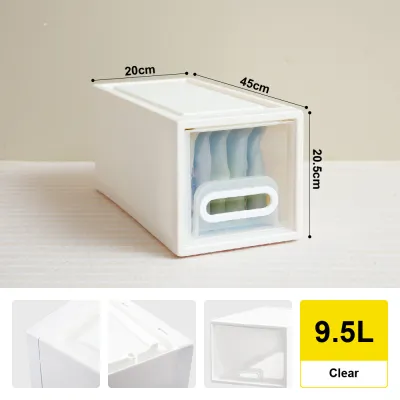
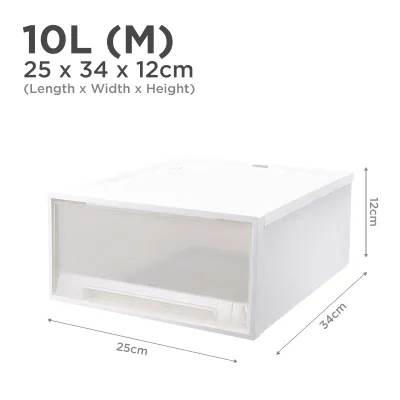
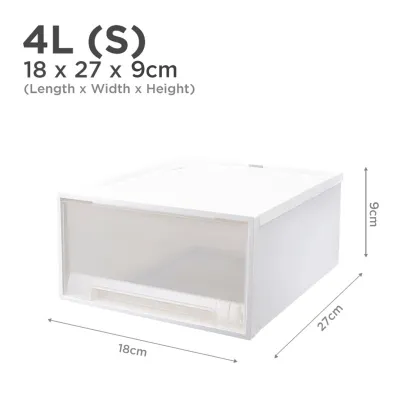
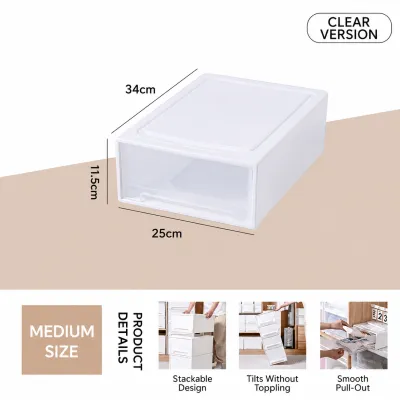
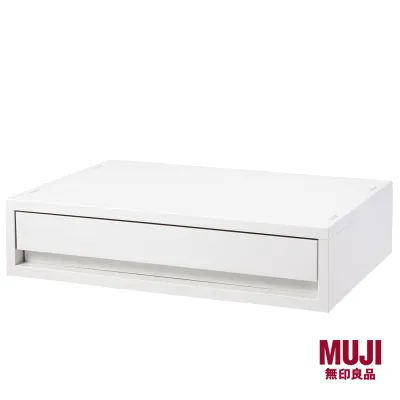
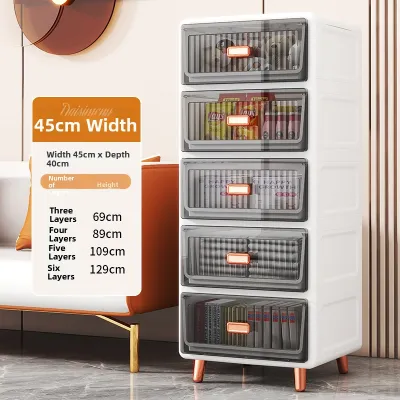
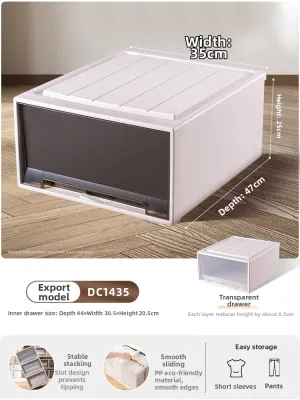
Prices are valid at publication and may change. Please refer to the product page for the latest price.
Furthermore, drawer-style access offers significant functional benefits over open shelving or basic storage baskets in a small bedroom. Open shelves tend to collect dust rapidly and can easily look cluttered, which visually shrinks an already small room. Drawers keep your belongings completely enclosed and out of sight, promoting a clean, minimalist aesthetic that makes compact bedrooms feel more spacious. Because drawer units pull out horizontally, they allow you to utilize the full depth of your storage space without needing to reach over or rearrange items at the front, ensuring that every corner of the unit remains fully functional.
What to Look for When Buying Foldable Drawers Storage
Selecting the right foldable storage requires careful evaluation of structural design, material characteristics, and assembly methods to ensure the product meets your daily needs. Because these units are designed to collapse, their joints and materials are subjected to different stresses than traditional solid furniture.

Material Durability and Environmental Suitability The material of your storage unit directly impacts its longevity, weight, and resistance to environmental factors. Polypropylene (PP) plastic is highly popular in Singapore due to its complete resistance to high humidity and moisture, which prevents mold growth. PP plastic is rigid, structurally stable, and exceptionally easy to clean with a simple damp cloth. Fabric options, such as Oxford cloth or polyester, are lightweight and highly breathable, making them excellent for storing linens or seasonal clothing. However, fabric can absorb ambient moisture in humid environments, so it is crucial to verify if the fabric has a water-resistant coating or to place it in well-ventilated areas. Engineered wood or bamboo composites offer a more premium, natural aesthetic that blends seamlessly with Scandinavian or minimalist decor, but they are heavier and require careful inspection of the hinges and protective finishes to prevent warping.
Folding Mechanism and Assembly A user-friendly folding mechanism is essential for a product designed around flexibility. Look for tool-free, snap-together interlocking joints for plastic models, which allow the walls to lock securely into place with minimal physical effort. For fabric units, look for designs featuring zippered bases or sturdy Velcro inserts that keep the box rigid when open. Avoid overly complex mechanisms that require screws or specialized tools, as these defeat the purpose of rapid folding and increase the risk of losing small components during disassembly.
Weight Capacity and Structural Stability Before purchasing, always check the manufacturer’s specified load capacity per drawer and for the overall unit. Foldable furniture relies on joint integrity to maintain its shape under load. Stackable models should feature interlocking grooves or alignment clips on the top and bottom panels to prevent individual units from sliding or shifting when drawers are pulled open. If a unit feels wobbly when empty, it may require anchoring or a reduction in total stacked height.
Dust Protection and Visibility To keep your clothes and personal items clean, prioritize units that offer tight-fitting drawers or front-opening doors with magnetic closures. Transparent or semi-translucent front panels are highly practical, allowing you to identify the contents of a drawer at a glance without having to pull it open, thereby reducing wear and tear on the sliding mechanisms over time.
Top Types of Foldable Drawer Units for Compact Rooms
Stackable Plastic Foldable Drawer Cabinets
Stackable plastic foldable drawer cabinets represent a highly robust and versatile category of modular storage. These units typically consist of a rigid polypropylene frame with interlocking side panels that fold inward when disassembled. When fully open, they assemble into a solid, box-like structure with front-pull drawers or drop-down clear doors. Many modern designs feature multi-directional wheels at the base, allowing you to glide the cabinet smoothly across your bedroom floor for cleaning or rearranging.
These cabinets are best suited for storing daily essentials that require quick, frequent access, such as folded t-shirts, activewear, skincare products, and bedside accessories. Because plastic is completely waterproof, these units can also be placed directly adjacent to en-suite bathrooms without risk of water damage. Their modular nature means you can start with a single tier and stack additional units vertically as your storage needs grow, making excellent use of vertical space in narrow bedroom corners.
However, users should note certain structural limitations. While highly convenient, plastic interlocking joints can wear down or become brittle over time if they are repeatedly snapped together and disassembled. Additionally, because the panels must fold flat, they are generally thinner than non-foldable plastic storage boxes, meaning they can bow slightly if subjected to excessive weight. When folded, these units still retain the thickness of their collapsed panels, so they require slightly more storage clearance than fabric alternatives.
Fabric Foldable Drawer Organizers
Fabric foldable drawer organizers offer a lightweight, soft-sided storage solution that emphasizes flexibility and ease of placement. Typically constructed from non-woven fabric, polyester, or heavy-duty Oxford cloth, these units feature reinforced cardboard or thin plastic panels sewn into the base and sides to provide structural shape. They often operate as individual drawers that slide into a matching fabric frame, or as independent storage boxes with front handles designed to be pulled from tight spaces.
These organizers excel in low-clearance areas and existing storage cavities. They are perfect for sliding under bed frames to utilize the often-wasted floor space beneath, or for placing on top of built-in wardrobes to store seasonal bedding and winter wear. They are also highly effective as internal dividers inside larger wardrobes, helping to compartmentalize socks, underwear, and accessories. When collapsed, fabric organizers fold completely flat to a thickness of just a few centimeters, allowing them to be tucked away effortlessly.
The primary trade-off with fabric units is their limited weight capacity. They cannot support heavy items like books, heavy electronics, or dense stacks of jeans without the base sagging and causing the drawer to stick. Furthermore, fabric is susceptible to absorbing odors and moisture in humid climates, meaning they require regular airing out and are not suitable for damp areas or for storing items that are not completely dry.
Collapsible Wooden Crates with Drawer Fronts
For homeowners who prioritize a warm, natural aesthetic without sacrificing the convenience of foldable furniture, collapsible wooden crates with functional drawer fronts are an excellent option. These units are typically crafted from lightweight engineered wood, bamboo, or thin paulownia timber. They utilize metal hinges or sliding wooden tracks that allow the side walls to fold flat against the base, while the front panel functions as a drop-down or pull-out drawer when the unit is fully assembled.
These wooden storage units are ideal for highly visible areas of the bedroom where plastic or fabric might look out of place. They function beautifully as alternative bedside nightstands, low-profile storage benches at the foot of the bed, or accent pieces along a main wall. Because wood provides a more rigid structure, these crates generally offer a higher weight capacity on their top surfaces compared to plastic or fabric, allowing you to place decorative items, lamps, or books on top of the unit securely.
Despite their aesthetic appeal, collapsible wooden crates require careful handling and maintenance. The metal hinges and folding joints are mechanical points of vulnerability that can become misaligned if the unit is overloaded or dropped. Wood is also sensitive to extreme humidity fluctuations; without proper care, the joints can swell or warp, making folding and unfolding difficult. To prevent splinters and ensure structural integrity, it is vital to check the quality of the finish and joints prior to assembly.
How to Measure Your HDB Bedroom for Foldable Storage
Proper spatial planning is critical to ensuring that your new foldable storage units integrate seamlessly into your HDB bedroom without creating physical obstructions. Because small bedrooms have very little margin for error, taking precise measurements beforehand will save you the hassle of returning ill-fitting furniture.
Measuring Clearance for Drawer Access When planning where to place your storage unit, do not rely solely on the static footprint of the cabinet. You must measure the “active footprint,” which includes the depth of the unit plus the full extension length of the drawer or the swing radius of a drop-down door. For example, if a drawer unit has a depth of 45 centimeters, and the drawer pulls out by an additional 35 centimeters, you require at least 80 centimeters of clear space in front of the unit to access your belongings comfortably. Ensure this extension path does not collide with your bed frame, desk chair, or other furniture.
Evaluating Vertical Space and Stacking Limits If you plan to utilize vertical space by stacking modular units, measure the vertical clearance of your target location carefully. If placing units on top of a wardrobe, measure the gap between the wardrobe top and the ceiling, taking into account any ceiling beams, light fixtures, or air-conditioning units that might obstruct placement. For free-standing stacked units, ensure the total height does not block light switches, wall-mounted mirrors, or electrical outlets that you need to access regularly.
Navigating Awkward Gaps and Niches HDB bedrooms often feature awkward architectural gaps, such as the narrow space between the side of the bed and the wall, or the recessed niche next to a built-in wardrobe. Measure the exact width, depth, and height of these gaps at three different points (top, middle, and bottom) to account for any slight wall unevenness. Selecting a slim, foldable drawer unit that fits precisely into these unused spaces can dramatically increase your storage capacity without taking up valuable central floor space.
Ensuring Door and Pathway Clearance Finally, verify that the placement of your storage unit does not interfere with the natural flow of movement in the room. The unit must not block the swing path of the bedroom door or wardrobe doors. Walk through your daily routines mentally: ensure there is sufficient clearance (typically at least 60 centimeters of walking path) to move around the bed and access the wardrobe comfortably without having to squeeze past the storage unit.
Safety Limits and Maintenance for Foldable Drawers
To ensure the long-term durability of your foldable drawer units and to maintain a safe living environment, it is essential to adhere to proper weight limits, loading techniques, and maintenance practices.
Weight Distribution and Load Management Because foldable units are constructed with joints designed to collapse, they do not possess the same monolithic structural rigidity as solid, non-folding furniture. To prevent the unit from becoming top-heavy and tipping over, always practice proper weight distribution. Place your heaviest items—such as winter blankets, heavy linens, or thick sweaters—in the bottom drawers. Reserve the upper drawers for lighter items like t-shirts, underwear, and accessories. This lowers the unit’s center of gravity, significantly improving its overall stability when drawers are pulled open.
Anti-Tip Precautions If you are stacking modular plastic or wooden units to a height exceeding 1.2 meters, or placing them in high-traffic areas, securing the units is highly recommended. Use anti-tip straps or adhesive wall anchors designed for temporary setups to secure the top unit to the wall. This simple precaution prevents accidental tipping if a drawer is pulled too hard or if someone accidentally bumps into the cabinet.
Material-Specific Cleaning and Care Different materials require specific care routines to maintain their structural integrity and appearance. For plastic units, wipe down the panels regularly with a soft cloth dampened with mild soapy water; avoid abrasive scrubbers that can scratch the plastic surface. For fabric organizers, avoid soaking them in water, as this can degrade the internal cardboard support panels; instead, spot-clean stains with a damp cloth and mild detergent, and allow them to air dry completely in a well-ventilated area to prevent mold. For wooden units, avoid placing them in direct contact with excessive moisture, and periodically check that the metal hinges are free of dust and debris.
Routine Structural Inspections Every few months, perform a quick inspection of your foldable units. Check that all interlocking plastic joints are fully snapped in, fabric zippers are functioning smoothly, and wooden hinges are securely aligned. If you notice any bowing, sagging, or joint separation, empty the affected drawer immediately to adjust the weight distribution or re-seat the interlocking panels according to the manufacturer’s instructions.
Frequently Asked Questions (FAQ)
Can foldable drawers support heavy items like books?
Generally, foldable drawers are not designed to support heavy, dense items such as books, magazines, heavy electronics, or metal tools. Most foldable units, particularly fabric organizers and lightweight plastic models, are engineered specifically for lightweight household goods like clothing, bedding, toys, and toiletries. Placing heavy items in these drawers will cause the bottom panels to sag, which prevents the drawers from sliding smoothly and can permanently warp the frame. Overloading also puts excessive stress on the folding joints, potentially leading to sudden structural failure. If you need to store large book collections or heavy equipment, it is highly recommended to invest in rigid, non-foldable solid wood or metal shelving units designed specifically for heavy loads.
How do I prevent dust from accumulating in fabric foldable drawers?
To keep dust from settling on items stored in fabric foldable drawers, select units that feature integrated lids, zippered tops, or tight-fitting front flaps. Placing your fabric drawers inside enclosed spaces, such as under the bed or within a wardrobe, provides an additional physical barrier against airborne dust. Avoid positioning open-topped fabric drawers directly beneath air-conditioning vents or near open windows, where air circulation and dust levels are highest. For maintenance, vacuum the exterior and interior of the fabric drawers regularly using a vacuum cleaner equipped with a soft brush or upholstery attachment. This removes accumulated dust before it can settle into the fabric fibers or transfer to your stored clothing.

Community discussion
Share your experience or ask a question. Comments are reviewed before publication.