
Optimising a compact home requires smart, flexible furniture, and finding the right drawer storage setup is key to keeping clutter at bay. In Singapore’s high-density housing, where every square metre of floor space counts, traditional heavy timber chests can make rooms feel cramped and dark. Foldable drawer units offer a lightweight, highly versatile alternative that can be set up in minutes, reconfigured as your household needs change, or collapsed completely flat when not in use.
Selecting the ideal foldable storage depends on your specific room layout, storage needs, and the tropical climate. By understanding the structural differences between rigid plastics, treated fabrics, and metal frames, you can choose a system that maximises your flat’s utility. This guide breaks down the best foldable solutions for small flats, detailing what features to look for, how to measure your space accurately, and how to maintain your storage units for long-term durability.
Why Foldable Drawer Storage is Ideal for Compact HDB Layouts
Modern HDB flats, particularly newer Build-To-Order (BTO) units, feature highly streamlined floor plans with compact bedrooms, narrow corridors, and multi-functional living areas. Traditional, bulky wooden dressers are difficult to move, take up a permanent footprint, and can block natural light or ventilation pathways. Foldable drawer systems solve these spatial challenges by providing adaptable storage that conforms to your immediate living conditions rather than dictating them.
Products mentioned in this guide
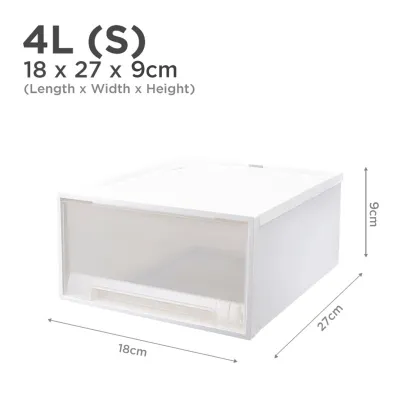
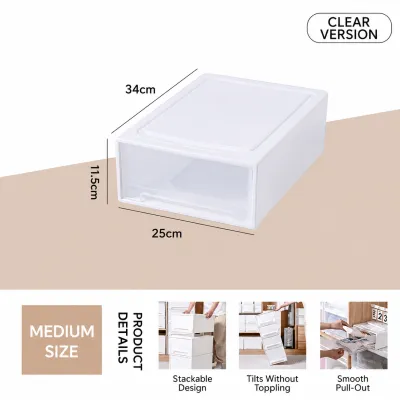
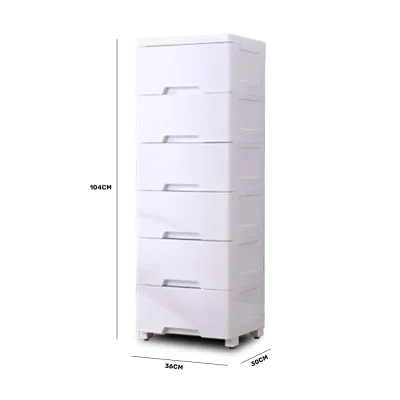
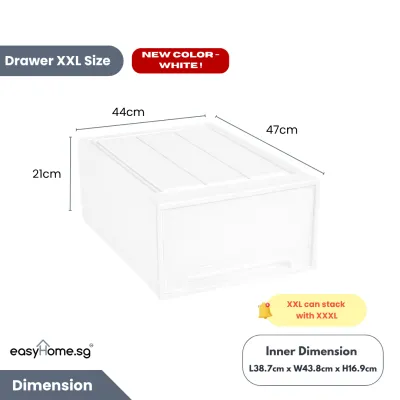
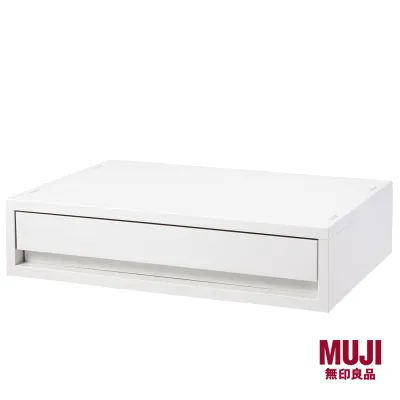
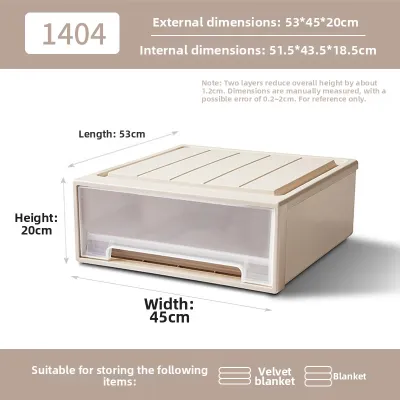
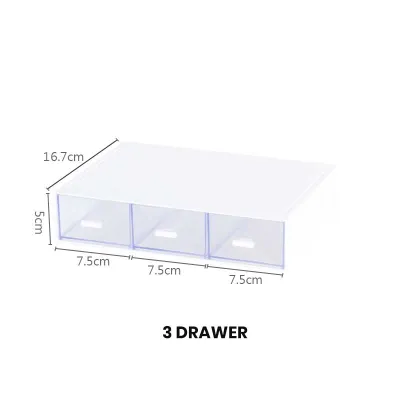
Prices are valid at publication and may change. Please refer to the product page for the latest price.
The primary benefit of collapsible furniture is its mobility and ease of relocation. If you are renting a flat or planning to transition from a smaller BTO to a larger home in the future, heavy furniture adds significant stress and cost to the moving process. Foldable units can be emptied, collapsed into flat packs, and transported in the back of a standard car, eliminating the need for professional movers or bulky lifting equipment.
These units also excel at managing seasonal or transitional storage. For instance, winter clothing, holiday decorations, or guest bedding are only needed occasionally throughout the year. With foldable drawers, you can assemble the unit to hold these items during specific seasons, and then fold the entire structure flat to slide under a bed frame or inside a household shelter once those items are no longer required.
Furthermore, enclosed drawers offer a distinct visual and practical advantage over open shelving units in compact environments. Open shelves easily look cluttered if items are not perfectly arranged, creating visual noise that makes a small room feel even smaller. Enclosed drawers conceal miscellaneous household items, creating clean lines that make spaces appear larger, while simultaneously protecting your belongings from urban dust and lint.
Key Features to Look for in HDB-Friendly Foldable Drawer Storage
Dimensions and Proportions
Before purchasing any storage unit, you must verify its finished external dimensions against your available floor space. Walkways in HDB flats are often narrow, sometimes measuring less than 1.2 metres wide. To ensure a unit does not obstruct daily foot traffic, look for shallow-depth designs, typically between 30 cm and 40 cm, which sit flush against walls without jutting into corridors or bedroom pathways.

Material and Humidity Resistance
Singapore’s tropical climate features high relative humidity, which can quickly degrade poorly chosen materials. Do not assume a material is durable simply by its name; instead, look for specific finishes and structural treatments:
- Rigid Plastics: Polypropylene (PP) and ABS plastics are inherently waterproof and highly resistant to moisture, making them excellent choices for high-humidity zones like service yards or kitchens. Check that the plastic is UV-treated if placed near windows to prevent yellowing or brittleness.
- Treated Fabrics: Fabric drawers offer a softer aesthetic but can absorb moisture and develop musty odours. Look for synthetic polyesters or non-woven fabrics that feature a water-resistant coating, and ensure internal support panels are made of plastic or sealed, moisture-resistant cardboard rather than raw paperboard.
- Coated Metals: Metal support frames provide excellent structural rigidity. Ensure the metal is finished with a robust, scratch-resistant powder coating to protect the underlying steel or iron from moisture-induced rust, paying close attention to weld points and folding joints.
Structural Stability and Load Capacity
Because foldable furniture relies on hinges, snaps, or interlocking frames, structural integrity is paramount. Examine the unit’s locking mechanisms to ensure they remain rigid when fully extended. Look for designs that feature reinforced bases, such as insertable hardboard plates or interlocking plastic tracks, and always check the manufacturer’s specified load capacity per drawer to prevent the frame from bowing or collapsing under weight.
Ease of Assembly and Folding
The utility of a foldable unit is lost if it requires a complex array of tools and hours of frustration to assemble. Prioritize tool-free designs that utilise intuitive snap-locks, slide-in tracks, or simple fold-out metal frames. Ensure that when the unit is collapsed, it folds down to a thickness of less than 10 cm, allowing it to be stored easily in narrow gaps between wardrobes or behind doors.
Best Types of Foldable Drawer Storage for Small HDB Spaces
Stackable Foldable Plastic Drawer Units
Stackable plastic units consist of individual rigid drawer boxes that can be collapsed flat when empty but lock securely onto one another when assembled. This modular design allows you to build a custom storage tower that fits your exact vertical space constraints, making them highly adaptable to changing household needs.
These units are particularly well-suited for utility areas, service yards, and kitchens. In the service yard, they can hold laundry detergents, pegs, and cleaning cloths without risk of water damage. In the kitchen, they provide an easy-to-clean space for dry pantry goods, onions, or potatoes, as the smooth polypropylene surfaces can be wiped down with a damp cloth and mild soap in seconds.
While highly functional, plastic drawers do have limitations regarding aesthetic warmth and styling, often looking more utilitarian than decorative. Additionally, you must strictly observe the manufacturer’s maximum stacking height limits. Stacking too many units high can cause the bottom drawer to deform under the cumulative weight, making it difficult to open and compromising the overall stability of the tower.
Collapsible Fabric Drawer Bins and Inserts
Fabric drawer bins are lightweight, soft-sided containers reinforced with internal stiffeners that slide into open shelving units, wardrobe compartments, or under-bed clearance spaces. They are designed to fold completely flat by removing a bottom support panel, allowing them to occupy virtually zero space when empty.
These bins are ideal for organizing clothing, bed linens, towels, and accessories inside master bedroom wardrobes or open metal shelving units. The breathable nature of fabric allows air to circulate, which helps keep garments fresh. Because they have no sharp corners, they are also excellent for children’s rooms to store soft toys, blankets, and light clothing safely.
However, fabric drawers lack the structural rigidity required for heavy or dense items. If loaded with heavy books, tools, or electronics, the fabric sides will bulge outward, preventing the drawers from sliding smoothly and eventually tearing the seams. They must be kept dry, as liquid spills can easily stain the fabric and lead to deep-seated mould growth if not dried immediately.
Multi-Tier Folding Freestanding Drawer Cabinets
Multi-tier freestanding cabinets feature a collapsible metal or rigid plastic outer frame that holds multiple slide-out fabric or plastic drawers. These units act as lightweight, portable sideboards or dressers, offering a substantial amount of organized storage without the weight or permanent commitment of traditional timber furniture.
These cabinets are highly effective in living rooms, study areas, or multi-purpose guest rooms. If you need to clear floor space in a study to set up a folding guest bed or a home workout area, you can quickly empty the drawers, fold the entire metal frame flat, and slide it behind a door or inside a cupboard within minutes.
When choosing a freestanding unit, pay close attention to the durability of the folding hinges and frame joints, as these points bear the brunt of daily physical stress. Because these units are lightweight, they can become top-heavy if the upper drawers are overloaded. Always verify if the manufacturer includes wall-anchoring hardware, and use it to secure taller units to prevent accidental tipping.
How to Measure and Plan Your HDB Space Before Buying
Successful spatial planning requires precise measurements of both the static footprint and the dynamic clearance of your storage units. Use a metal measuring tape rather than a soft sewing tape, as metal tapes remain rigid over long distances, ensuring accurate readings.
Begin by measuring the exact width, depth, and height of the alcove, corner, or closet space where you intend to place the unit. Always subtract at least 2 to 3 cm from your final measurements to account for wall unevenness, skirting boards along the floor, and nearby power outlets or light switches that must remain accessible. If placing a unit inside a wardrobe, measure the clear opening of the wardrobe doors, as sliding doors often block a portion of the interior space even when fully opened.
Next, calculate the necessary pull-out clearance for the drawers. A drawer unit is only functional if you can open it fully and stand comfortably in front of it. Measure the depth of the unit with the drawers completely extended, and ensure there is at least 60 cm of unobstructed floor space in front of the open drawers to allow you to bend down and retrieve items without blocking walkways.
Finally, do not overlook delivery access, especially if you live in an older HDB estate. While foldable units are often delivered flat-packed, larger multi-tier frames can still come in substantial packaging. Measure your main door width, the clearance of your metal gate, and the interior dimensions of your estate’s passenger lift to ensure the package can be brought into your home smoothly without scuffing walls or damaging the product.
Maintenance and Care for Foldable Storage in Humid Climates
To prolong the lifespan of your foldable drawer units in Singapore’s humid climate, establish a regular cleaning and inspection routine. For fabric drawers, use a vacuum cleaner with a brush attachment once a month to remove accumulated dust, lint, and pet dander from the fabric pores. For plastic and metal frames, wipe them down with a soft microfiber cloth dampened with warm water and a drop of mild dishwashing liquid, avoiding abrasive scrubbers that can scratch the protective finish.
Periodically inspect all folding joints, snap-locks, and interlocking tracks. Over months of regular use, the physical stress of opening and closing drawers can cause joints to loosen slightly. Gently press snap-locks back into place and ensure metal hinges are free of dust buildup. If a joint feels stiff, check the manufacturer’s care instructions to see if a dry silicone lubricant can be applied to keep the folding mechanism operating smoothly.
Preventing mould and mildew is critical for maintaining a healthy home environment. Ensure the room where your storage is located receives adequate ventilation by opening windows on dry days, using ceiling fans, or running a dehumidifier. Never place fabric or metal drawer units directly against exterior concrete walls, which can sweat and transfer moisture during heavy monsoon downpours; instead, maintain a clearance gap of at least 5 cm between the back of the unit and the wall to encourage continuous airflow.
Frequently Asked Questions (FAQ)
Can foldable drawer units support heavy items like books or appliances?
Foldable drawer units are generally designed for light to medium-weight household items like clothing, toys, toiletries, and pantry supplies. Fabric drawers should never be used for heavy items like books, tools, or kitchen appliances, as they lack the structural rigidity to support concentrated weight. While stackable rigid plastic units can support more weight, you must strictly check the manufacturer’s specified load limits per drawer and avoid stacking heavy items near the top to prevent the unit from bowing or collapsing.
Are foldable drawers safe to use in homes with toddlers or pets?
Yes, but you must take specific safety precautions to prevent tipping and pinching hazards. Because foldable drawer units are lightweight, they are much easier to pull over than traditional solid timber furniture if a child attempts to climb the drawers. For any unit taller than three tiers, always secure the frame to the wall using anti-tip anchoring straps. Additionally, inspect the folding joints and hinges regularly to ensure there are no exposed pinch points where small fingers or paws could get caught during daily use.

Community discussion
Share your experience or ask a question. Comments are reviewed before publication.