
Singapore HDB flats, particularly modern Build-To-Order (BTO) units, require strategic interior planning to balance daily utility with open, breathable space. With average floor areas shrinking, traditional bulky wooden or metal shelving units can quickly overwhelm a room, making narrow corridors or compact living areas feel claustrophobic. This is where a foldable display rack acrylic solution becomes a game-changer for homeowners seeking both elegance and structural flexibility.
Acrylic offers a unique combination of structural strength and complete optical clarity, functioning as a “visual ghost” that lets light pass through unobstructed. When combined with a collapsible frame, these racks allow you to showcase your curated collectibles, books, or plants without permanently committing valuable floor space. When the room needs to be cleared for other activities, the entire unit can be folded flat and tucked away in seconds.
Selecting the ideal foldable acrylic shelf for your flat involves more than just picking an attractive design. You must evaluate the expanded footprint against your available space, verify the manufacturer’s load capacities, and inspect the structural integrity of the folding joints. This guide explores how to select, install, and maintain these versatile storage solutions to maximize your HDB layout.
Products mentioned in this guide
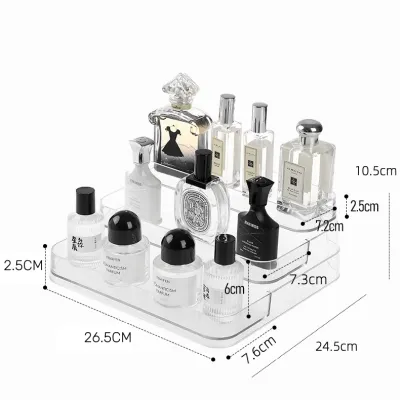
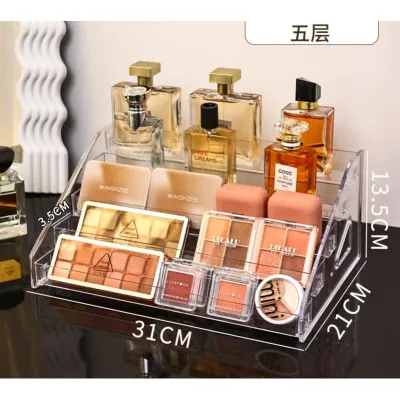
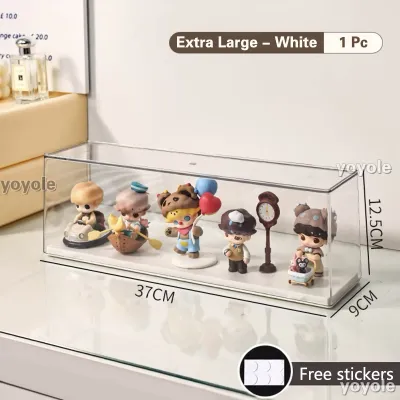

Prices are valid at publication and may change. Please refer to the product page for the latest price.
Why Foldable Acrylic is Ideal for Compact HDB Layouts
Visual Lightness and Spatial Illusion
In a compact HDB layout, visual clutter can make a room feel significantly smaller than its actual physical dimensions. Solid furniture pieces, such as dark wood bookshelves or opaque steel racks, block sightlines and cast heavy shadows, creating a boxed-in effect. Clear acrylic, also known as polymethyl methacrylate (PMMA), possesses an exceptional light transmittance rate that rivals glass while being substantially lighter and more shatter-resistant.
By allowing natural light from your windows to penetrate deep into the room, an acrylic stand keeps your living areas feeling airy, open, and spacious. Furthermore, clear acrylic interacts beautifully with modern HDB lighting setups. Many flats utilize warm LED downlights, track lighting, or linear cove lights. Traditional wooden shelves block these light paths, creating dark, uninviting corners. Acrylic, however, lets the warm glow pass through and even gently refracts the light, adding a subtle, high-end gallery feel to your display items.
Flexible Footprint for Multi-Purpose Rooms
Modern multi-functional homes demand furniture that can adapt to changing daily scenarios. A foldable rack provides the ultimate flexibility, allowing you to reclaim precious square footage at a moment’s notice. For instance, if you need to clear your living room floor for a home workout session, a yoga routine, or to accommodate guests during a festive gathering, you can collapse the rack and slide it under a sofa, behind a door, or inside your HDB household shelter (storeroom). This temporary storage capability ensures your home remains highly adaptable without sacrificing display opportunities.
Climate Suitability and Long-Term Durability
Singapore’s tropical climate, characterized by high humidity and ambient moisture, poses significant challenges for traditional furniture materials. MDF (medium-density fibreboard) and solid wood are prone to swelling, warping, and mold growth if not perfectly sealed, while low-grade metals can rust over time. Acrylic is inherently impervious to moisture, rot, and fungal decay, making it exceptionally durable in local conditions.
However, because these racks fold, they rely on mechanical hinges and fasteners. It is crucial to verify that any metal connectors, pins, or screws are made of rust-resistant materials, such as stainless steel or brass. This simple check prevents stiffening or corrosion from the humid air, ensuring the folding mechanism remains smooth and functional for years.
How to Choose the Right Foldable Display Rack Acrylic Model
Measuring Available Space and Access Paths
Before purchasing any foldable unit, you must map out its physical footprint in both its active and stored states. Measure the exact floor area where the rack will stand when fully expanded, ensuring it does not obstruct major walkways, power outlets, or cabinet doors. Equally important is measuring the collapsed dimensions—specifically the depth and height when folded flat—to ensure it fits comfortably within your designated storage spot, such as a closet or the gap beside your washing machine.

Additionally, verify that the packaged or fully assembled unit can easily clear your HDB front door, lift entrance, and narrow corridor turns during delivery and movement. Standard HDB main entrance doors typically range from 900mm to 1000mm in width, while internal bedroom doors are usually around 800mm. Lift doors can be as narrow as 800mm to 900mm in older estates. When purchasing a large freestanding foldable rack, ensuring that its collapsed flat-pack dimensions can easily clear these thresholds prevents delivery headaches.
Load Capacity and Structural Stability
Because acrylic is a thermoplastic, it is more flexible than tempered glass or wood, meaning it can bow or sag under excessive or unevenly distributed weight. Always check the manufacturer’s specified weight limit per shelf and for the entire unit. To ensure safety, assess the rack’s overall stability. Look for designs with a wider base, a low center of gravity, and built-in safety features like locking pins or brackets that prevent the frame from accidentally folding while loaded. If you plan to display heavier items, prioritize models with reinforced cross-bracing or thicker structural supports.
Folding Mechanism and Hinge Quality
The durability of a foldable rack is directly tied to the quality of its joints. Some models utilize integrated acrylic hinges, which offer a seamless, all-clear aesthetic but may wear out or crack over time with frequent folding. Other designs feature metal hinge pins or scissor-style folding frames made of aluminum or stainless steel.
When evaluating these mechanisms, look for smooth, fluid movement that does not require excessive force. The lock must be positive and secure, meaning that once the rack is fully extended, a physical mechanism—such as a spring-loaded pin or a manual latch—keeps the frame locked rigidly in place. Avoid mechanisms that rely solely on friction, as these can slip over time.
Material Thickness and Edge Finishing
The structural integrity of acrylic furniture depends heavily on the thickness of the sheets used. For small countertop risers, a thickness of 3mm to 5mm is generally sufficient. However, for freestanding floor stands or wall-mounted shelves, look for acrylic sheets that are at least 8mm to 12mm thick to prevent flexing. Examine the edges of the panels; high-quality manufacturers use diamond-polishing or flame-polishing techniques to ensure all edges are perfectly smooth, rounded, and free of sharp burrs or micro-cracks that could propagate into larger fractures under stress.
Top Foldable Acrylic Rack Designs for HDB Homes
Tiered Foldable Acrylic Risers for Countertops
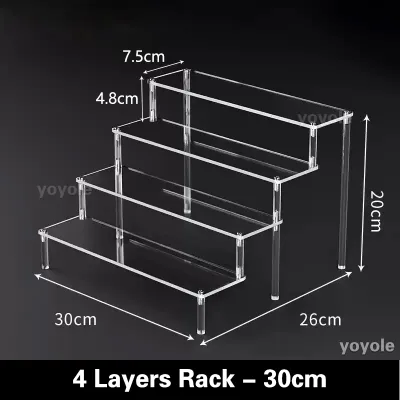
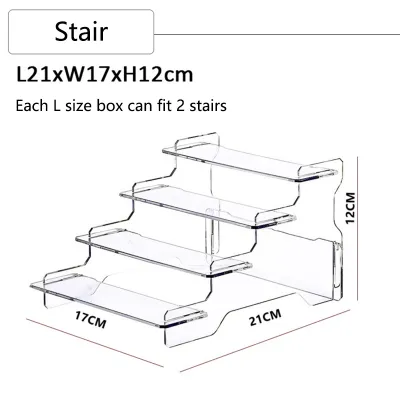
Tiered risers are highly effective for optimizing vertical space on elevated surfaces throughout your HDB flat. These compact organizers are ideal for organizing cosmetics on a bedroom vanity, displaying small action figures or collectibles on a study desk, or keeping spice jars accessible on a kitchen countertop. Most countertop risers utilize an accordion-style folding mechanism, allowing the entire multi-tiered assembly to collapse into a single flat sheet that can be slipped into a shallow desk drawer when not in use. When choosing a tiered model, carefully measure the height clearance between each step to ensure your specific items can stand upright without hitting the shelf above.
Freestanding Foldable Acrylic Floor Stands
For larger display needs, freestanding floor stands offer a striking way to showcase books, decorative ceramic pieces, or potted indoor plants. These units work beautifully in living room corners, dining areas, or along the walls of an HDB service yard. Because these stands rise higher off the ground, stability is paramount. Look for models featuring a wide, weighted base or robust metal cross-bracing along the back to prevent sway. If you plan to use the stand for plants, ensure the acrylic shelves are thick enough to resist bowing under the weight of damp soil and ceramic pots, and always place the heaviest items on the lowest shelf to maintain a low center of gravity.
Wall-Mounted Foldable Acrylic Drop-Leaf Shelves
When floor space is completely unavailable, wall-mounted drop-leaf shelves provide an ingenious alternative. These shelves are perfect for narrow HDB entrance corridors, small dining nooks, or above bedside tables. They utilize a folding bracket system that allows the acrylic shelf to swing down and hang flat against the wall when it is not needed. Because these shelves transfer all their load to the wall, you must identify your wall’s construction material before installation.
HDB flats typically feature solid concrete structural walls or internal partition walls made of drywall or lightweight concrete blocks. Heavy-duty expansion anchors are required for concrete, while specialized hollow-wall anchors must be used for drywalls. If you are uncertain about your wall type or drilling process, always consult a professional handyman to ensure a secure installation.
Quick Comparison: Which Foldable Design Fits Your Space?
To help you quickly match your spatial constraints with the right rack design, refer to the comparison table below:
| Rack Design | Best Use Case | Floor Space Required (Expanded) | Installation Needed | Key Stability Check |
|---|---|---|---|---|
| Tiered Countertop Risers | Organizing cosmetics, spices, or small collectibles on desks or vanities | Minimal (fits on existing tabletops) | None (freestanding) | Check tier height and accordion hinge stiffness |
| Freestanding Floor Stands | Displaying books, plants, or larger decor in living rooms or service yards | Moderate (requires dedicated floor footprint) | None (freestanding) | Check base width, shelf thickness, and cross-bracing |
| Wall-Mounted Drop-Leaf Shelves | Narrow corridors, dining nooks, or bedside storage with zero floor space | None (uses wall space only) | Yes (requires drilling and wall anchors) | Verify wall type and anchor load ratings |
Installation Safety and Acrylic Maintenance Tips
Wall Mounting Safety and Structural Integrity
Before drilling into any wall in your HDB flat, it is critical to consult your home’s original floor plans to locate hidden utility pipes and electrical conduits. Never drill directly above or below light switches, power outlets, or water inlets. Ensure you use the correct drill bits and wall plugs specified for your wall type—carbide-tipped masonry bits for solid concrete walls, and specialized drywall anchors for partition walls. If you encounter resistance or are unsure of the wall’s internal composition, stop immediately and hire a licensed contractor to prevent structural damage or electrical hazards.
Strategic Weight Distribution
To maintain the structural safety of freestanding acrylic racks, always practice proper weight distribution. Position your heaviest items, such as large hardback books or heavy ceramic pots, on the bottom shelf. As you move up the tiers, place progressively lighter items, such as small plastic figurines, lightweight frames, or dried flower arrangements. This arrangement lowers the overall center of gravity of the unit, significantly reducing the risk of accidental tip-overs, especially in active households with pets or young children.
Correct Cleaning and Care to Prevent Scratches
Acrylic is a highly durable polymer, but it is softer than glass and highly susceptible to scratching if cleaned incorrectly. To keep your display rack looking crystal clear, always use a clean, ultra-soft microfiber cloth to wipe away dust. Never use paper towels, polyester cloths, or rough kitchen sponges, as their fibers can leave microscopic scratches that dull the surface over time.
For cleaning solutions, avoid household glass cleaners, as well as any products containing ammonia, alcohol, or acetone. These harsh chemicals break down the molecular bonds of the acrylic, leading to a permanent, cloudy degradation known as “crazing” or micro-cracking. Instead, follow this simple four-step process:
- Blow away loose dust: Before touching the surface, gently blow on it or use a hand blower to remove loose grit that could scratch the acrylic when wiped.
- Apply a mild solution: Spray a specialized acrylic cleaner or a highly diluted mixture of warm water and pH-neutral dish soap.
- Wipe with zero pressure: Using a clean, damp microfiber cloth, wipe the surface in straight, linear motions. Avoid circular rubbing, which can trap particles and create swirl marks.
- Dry thoroughly: Use a dry, clean microfiber cloth to buff away any remaining moisture, preventing water spots from forming under Singapore’s humid conditions.

Community discussion
Share your experience or ask a question. Comments are reviewed before publication.