
Selecting the right coat rack stand for a small Singapore entryway requires balancing compact physical dimensions with structural stability. In the space-constrained layouts of modern Housing & Development Board (HDB) flats and condominiums, a successful entryway organizer must occupy a minimal floor footprint while remaining completely secure against tipping. To achieve this, homeowners should look for brands that specialize in minimalist, high-density vertical storage, prioritizing models with heavy cast-iron or marble bases, powder-coated steel frames, or moisture-treated solid woods that can withstand Singapore’s high humidity.
While mass-market furniture brands offer numerous aesthetic options, the unique architectural constraints of local homes demand a closer look at technical specifications. Evaluating a coat rack’s base-to-height ratio, joint construction, and material finish is essential to ensure the unit remains functional and safe over years of daily use.
Why Standard Coat Racks Fail in Small Singapore Entryways
Many standard, off-the-shelf coat racks are designed for spacious mudrooms or wide suburban foyers, making them fundamentally incompatible with the tight entryways of Singaporean apartments. In modern HDB Build-To-Order (BTO) flats and compact condominiums, the entryway is rarely a dedicated room; instead, it is often a narrow corridor or a small transition zone directly adjacent to the kitchen or living area. Placing a wide, sprawling coat tree in these zones immediately restricts the walkway, creating a cramped first impression and hindering household traffic.
Products mentioned in this guide


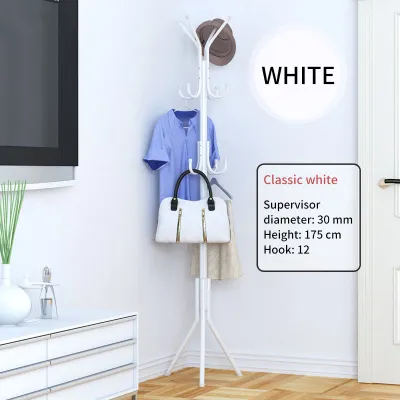
![[SG Stock]Solid wood floor to ceiling coat rack Solid wood floor hanger Bedroom floor rack Coat hanger hook Hat rack](https://img.lazcdn.com/g/p/2153f4a84adbd9d43bff5947ae875c2f.jpg_400x400q80.jpg_.webp)
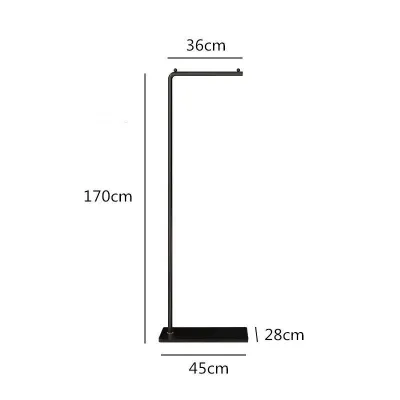
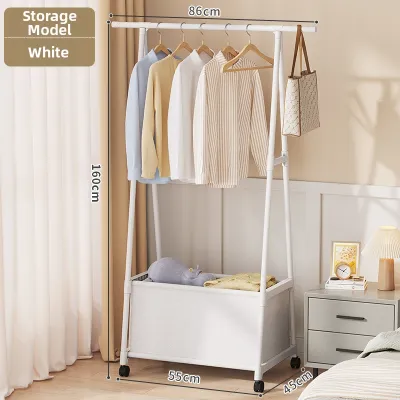
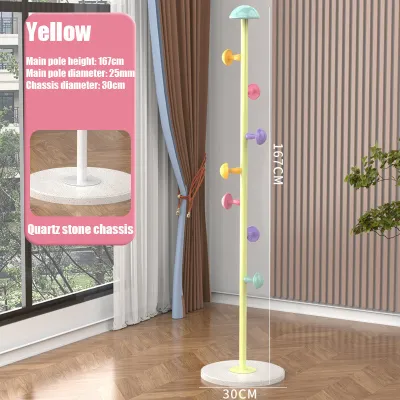
Prices are valid at publication and may change. Please refer to the product page for the latest price.
Another major obstacle is the proximity of the main door and its corresponding swing radius. A standard fire-rated main door, often paired with a metal security gate, requires a clear, unobstructed path to open fully. When a bulky coat rack is placed within this swing zone, residents are forced to partially close the door or squeeze past the rack to enter, which is both inconvenient and a potential hazard during emergencies. Furthermore, entryways frequently house built-in distribution board (DB) boxes or floor-to-ceiling shoe cabinets, leaving very little flat wall space or floor area for additional freestanding furniture.
Stability is a severe issue when standard coat racks are placed on the smooth flooring materials common in Singapore, such as polished homogeneous tiles, vinyl, or marble. Standard racks with lightweight, wide-triangular wooden legs lack the traction and low center of gravity needed to stay upright on these surfaces. When loaded unevenly with heavy work bags, wet umbrellas, or multiple commuter jackets, the top-heavy distribution of weight causes the rack to slide or tip over. This risk is amplified when items are hastily hung or removed during the daily rush, turning an ordinary organizing tool into a constant tipping hazard.
How to Evaluate Coat Rack Brands for Compact Spaces
To find a coat rack that genuinely suits a limited space, you must look past styled promotional photographs and evaluate the product’s engineering and material specifications. A systematic approach to comparing brands and models will help you identify units that deliver maximum utility without taking up precious floor space.

Footprint vs. Vertical Capacity
The primary metric for a small entryway is the ratio between the floor footprint and the vertical hanging capacity. Look for brands that keep the base diameter or width under 30 to 35 centimeters while utilizing a height of 170 to 185 centimeters. This vertical stretch allows for multiple tiers of hooks without extending outward into the walking path. Ensure that the hooks themselves are staggered vertically rather than clustered at a single height, which distributes the bulk of the hung items along the column and prevents the rack from blossoming outward into a wide, obstructive shape.
Base Weight and Center of Gravity
A stable coat rack relies on a low center of gravity to counteract the leverage of items hung near the top. When evaluating brands, check the weight of the base relative to the overall unit weight. High-quality compact racks typically feature a heavy, low-profile base made from solid marble, concrete, or cast iron, often weighing between 4 and 8 kilograms. A heavy, flat circular base is highly efficient because it provides excellent stability without requiring the wide, sprawling legs of traditional wooden tripod designs.
Material and Humidity Resistance
Singapore’s tropical climate, characterized by relative humidity levels that frequently exceed 80 percent, poses a constant threat to furniture. Brands that use untreated metals or cheap medium-density fibreboard (MDF) are highly susceptible to rust, bubbling, and structural warping. When browsing product labels, look for the following material standards:
- Powder-Coated Steel or Aluminum: This finish provides a robust, moisture-resistant barrier that prevents oxidation and rust, ensuring the frame remains structurally sound even when holding damp raincoats or umbrellas.
- Treated Solid Wood: If you prefer a natural wood aesthetic, prioritize brands using solid hardwoods such as rubberwood, beech, or oak that have been sealed with a clear polyurethane or water-resistant lacquer. Check the manufacturer's care instructions to confirm the wood has been treated for humid environments.
- Rust-Proof Hardware: Ensure that the assembly screws and internal connection joints are made from stainless steel or zinc-plated metal to prevent internal corrosion and joint loosening over time.
Hook Design and Clearance
In a tight corridor, the physical shape of the hooks affects both safety and space efficiency. Brands designed for compact spaces often feature angled hooks (typically set at 30 to 45 degrees) that keep bags and coats flush against the central pole. Avoid long, horizontal pegs that protrude significantly, as these are easy to bump into or snag on clothing as you walk past. Additionally, some innovative brands offer recessed or folding hooks that can be pushed flat against the pole when not in use, maximizing walkway clearance.
Best Coat Rack Designs for HDB and Condo Entryways
Different entryway layouts demand different spatial solutions. Understanding the structural characteristics of the three main space-saving coat rack designs will help you select the most appropriate option for your home’s specific layout.
Slim Freestanding Tree Stands
Slim freestanding tree stands are the most versatile option, requiring no wall mounting and allowing for easy relocation if you decide to rearrange your entryway. These designs consist of a single vertical pole supported by a heavy, compact base, making them ideal for tucking into unused corners directly behind a door or adjacent to a shoe cabinet.
When evaluating freestanding tree stands, look for brands that specify a weighted base and a solid metal or hardwood central column. The physical limitation of these models is their susceptibility to leverage-induced tipping if overloaded on one side. To verify stability before purchasing, check the manufacturer’s maximum load capacity and ensure the weight is evenly distributed among the hooks. If you frequently need to hang heavy items like laptop backpacks or thick winter coats, look for models that feature a base weight that is at least half of the maximum rated hanging capacity.
Leaning and Wall-Anchored Ladders
Leaning and wall-anchored ladder racks are exceptionally space-efficient because they utilize vertical wall space and have an incredibly shallow depth, often protruding less than 20 to 25 centimeters from the wall. These units lean against the wall at a slight angle, using gravity and friction to remain upright, or are anchored directly to the wall surface for absolute stability.
For leaning models, check that the brand includes high-friction rubber or silicone non-slip pads on both the top contact points and the feet to prevent the rack from sliding on smooth tiles. If you have young children or pets in the home, freestanding leaning designs can pose a safety risk if bumped from the side. In these scenarios, wall-anchored ladders or half-tree designs that screw directly into the concrete or drywall are highly recommended. Always consult the manufacturer’s installation guide to verify the required mounting hardware and wall compatibility before drilling into your entryway walls.
Multi-Functional Entryway Consoles
Multi-functional entryway consoles combine several storage features into a single cohesive unit, typically integrating coat hooks, a small bench or shelf for putting on shoes, and a top tray for keys and mail. While these units have a larger physical footprint than a simple tree stand, they save space overall by eliminating the need for separate shoe benches and key organizers.
To ensure a multi-functional console fits comfortably in an HDB corridor, pay close attention to the depth measurement. Look for brands that offer “ultra-slim” or “hallway-specific” consoles with a depth of 30 centimeters or less. The unit should feature open wire shelving or slatted shoe compartments to maintain visual openness and promote airflow, which helps dry damp shoes in Singapore’s humid climate. Before purchasing, measure your entryway pathway to ensure that the console leaves at least 70 to 80 centimeters of clear walkway space for comfortable movement.
Where to Find Reliable Space-Saving Brands in Singapore
Finding a high-quality, compact coat rack in Singapore involves exploring a mix of physical retail showrooms, official online brand stores, and custom local carpentry options.
Local Furniture Showrooms
Visiting local furniture showrooms in industrial and commercial hubs such as Tai Seng, Ubi, Outram, and Jurong is highly recommended. Physically interacting with a coat rack allows you to test its stability, feel the weight of the base, and inspect the quality of the joints and finishes firsthand. You can apply a small amount of lateral pressure to a floor model to observe how much it sways or slides, giving you a realistic understanding of how it will perform when loaded with heavy bags at home.
Official Brand Stores on E-commerce Platforms
If you prefer shopping online, stick to official brand stores on major e-commerce platforms and dedicated home decor websites. Avoid generic, unbranded listings that use stock photos, as these products often compromise on material thickness, base weight, and finish quality. When browsing official stores, use search filters like “compact,” “slim,” “Japanese minimalist,” or “Scandinavian entryway” to find tailored designs. Always scroll down to the technical specifications section to verify the exact dimensions, weight, and material composition, and read customer reviews specifically looking for feedback on stability and assembly ease.
Custom Carpentry Services
If your entryway has highly unusual dimensions, an extremely narrow corridor, or structural obstructions like an awkward pillar or low-hanging beam, freestanding brands may not provide a perfect fit. In these cases, consulting a local interior designer or custom carpenter is an excellent alternative. A professional can design a semi-built-in coat rack that integrates seamlessly with your existing shoe cabinet or DB box concealment panel. This approach maximizes every millimeter of available space, ensures a perfect aesthetic match with your home’s interior, and guarantees absolute stability as the unit is anchored directly to the building’s concrete structure.
Essential Measurement and Safety Checklist Before You Buy
To avoid the hassle of returning an unsuitable item, perform a thorough spatial assessment of your entryway before finalizing your purchase. Follow this step-by-step checklist to ensure a perfect fit and a safe installation:
- Measure Floor Space with Offsets: Measure the exact width and depth of the floor area where the rack will stand. Remember to account for skirting boards, which typically protrude 1.5 to 2 centimeters from the wall, as well as light switches, electrical outlets, and intercom units that must remain accessible.
- Verify Door and Gate Clearances: Open your main door and metal gate to their maximum angles. Measure the distance between the open door panels and the surrounding walls to ensure the coat rack will not obstruct the swing path or strike the door handle.
- Check Floor Evenness: Use a simple bubble level or a smartphone leveling app to check the evenness of your entryway floor. Even a minor slope on tiled or vinyl floors can cause a tall, slim coat rack to lean precariously and reduce its overall stability.
- Assess Wall Suitability for Anchoring: If you are purchasing a leaning or wall-anchored model, identify the wall material (such as concrete, brick, or drywall). Ensure you have the correct wall plugs and screws, and check that there are no concealed water pipes or electrical conduits behind the drilling zone.
- Review Weight Limits and Safety Labels: Verify the manufacturer's stated maximum weight capacity per hook and for the entire unit. If you have young children or climbing pets, prioritize brands that include an anti-tip safety strap or wall-anchoring hardware in the box.
Frequently Asked Questions (FAQ)
How much weight can a typical freestanding coat rack hold?
The weight capacity of a freestanding coat rack varies significantly depending on its design, base weight, and construction materials. A standard compact metal or solid wood tree stand with a weighted base typically supports between 10 and 20 kilograms of total distributed weight, with individual hooks rated for 1.5 to 3 kilograms each. Lightweight models with unweighted plastic or thin metal bases may only support 5 to 8 kilograms before becoming unstable. Always refer to the manufacturer’s specification label or product manual for the exact weight limits of your specific model, and avoid hanging heavy bags exclusively on one side of the rack.
Are leaning coat racks safe for HDB rental flats without drilling?
Leaning coat racks can be used safely in HDB rental flats without drilling, provided you select a model specifically engineered for friction-based stability and load it mindfully. These racks rely on high-friction rubber, silicone, or thermoplastic polyurethane (TPU) pads on the feet and wall contact points to prevent sliding on smooth surfaces like homogeneous tiles or vinyl. However, because they are not anchored, they carry a higher risk of sliding or tipping if they are overloaded, bumped hard, or placed on a dusty floor that reduces grip. If your landlord strictly prohibits wall drilling, ensure the floor is kept clean and free of dust, distribute weight evenly on the lower rungs, and consider a heavy-base freestanding tree stand as a highly stable, completely non-invasive alternative.

Community discussion
Share your experience or ask a question. Comments are reviewed before publication.