
A standard bamboo shoe rack typically holds anywhere from 6 to 30 pairs of shoes, depending on the number of tiers, the shelf width, and the types of footwear you own. Finding the right capacity for your home requires balancing your household’s daily footwear habits with the physical constraints of your entryway or closet. By evaluating your collection’s profile and measuring your available floor space, you can select a bamboo organizer that keeps your home tidy without overcrowding your living space.
Assess Your Household Size and Shoe Collection
To determine the ideal capacity, start by calculating the baseline number of shoes your household needs to access daily. A single professional or a couple might only require space for 4 to 8 pairs of active footwear near the door. However, a larger family can easily accumulate 15 to 20 pairs of school shoes, work heels, and casual sneakers. It is best to plan for a capacity that accommodates these daily-use items comfortably, rather than trying to squeeze your entire collection into a single entryway organizer.
The physical profile of your footwear plays a significant role in how many pairs will actually fit on a shelf. Standard flat shoes, sandals, and slippers have a low profile, allowing you to maximize vertical space. Conversely, bulky running shoes, high-top sneakers, and boots require greater height clearance and wider spacing. A standard shelf depth of approximately 30 centimeters accommodates most average shoe sizes, but if family members wear larger sizes, shoes may overhang slightly, requiring a deeper unit or angled shelves.
Products mentioned in this guide
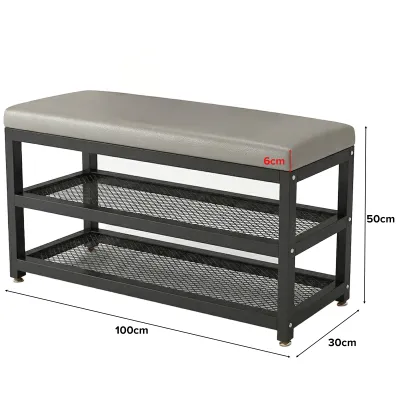
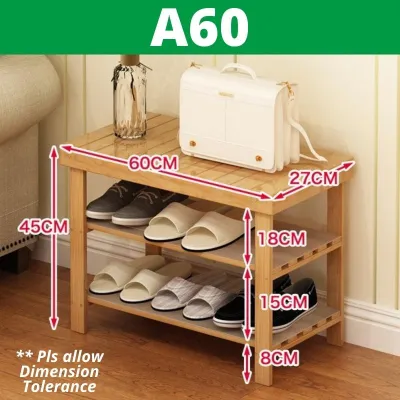
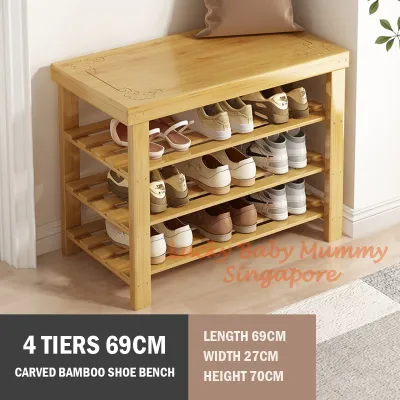
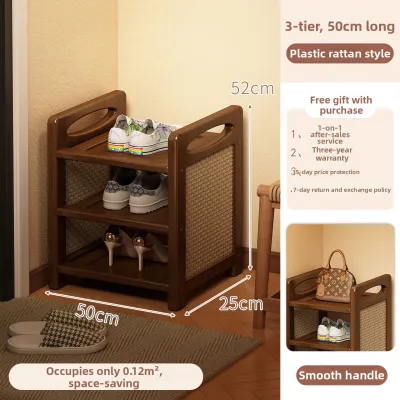
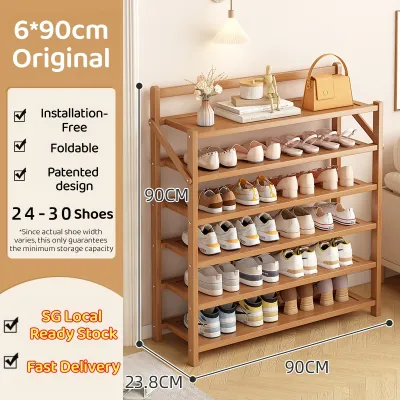
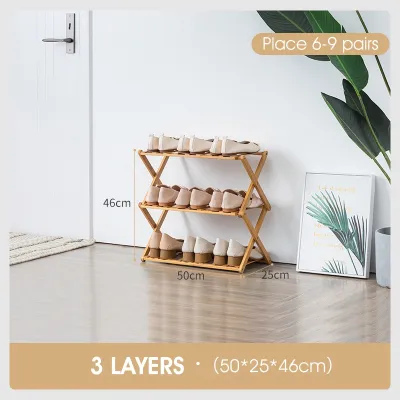
Prices are valid at publication and may change. Please refer to the product page for the latest price.
When planning your capacity, always factor in a buffer for future collection growth and seasonal rotation. Sizing your rack strictly for your current inventory often leads to immediate overcrowding when you purchase new shoes or host guests. Reserving about 15% to 20% of the rack’s capacity for temporary storage ensures your entryway remains organized and welcoming even during social gatherings.
Measure Your Available Floor Space and Clearances
Before purchasing any furniture, precise measurements of your designated storage area are essential. Use a measuring tape to determine the maximum width, depth, and height available in your entryway, hallway, or closet. When measuring depth, remember to account for baseboards or skirting boards along the wall. These architectural details can prevent a bamboo rack from sitting completely flush against the wall, which effectively reduces your usable floor space by a few centimeters.

Pathway clearances are critical for maintaining safety and comfort in your home. In typical apartment layouts, entryways can be narrow, making it easy for a shoe rack to obstruct the natural flow of traffic. Ensure that the front door, closet doors, and nearby room doors can swing fully open without striking the rack. As a general rule, maintain a clear walkway of at least 90 centimeters in front of the rack to allow family members to pass comfortably, even when carrying groceries or bags.
Additionally, consider the logistics of getting the shoe rack into your home. While many bamboo shoe racks are delivered flat-packed for easy home assembly, some premium or pre-assembled models may arrive in large boxes. Verify the dimensions of your building’s elevator, stairwells, and entry doorways to ensure the package can be delivered safely to your unit without causing damage to the walls or the product itself.
Evaluate Bamboo Rack Configurations and Structural Limits
Bamboo shoe racks come in several configurations, each offering distinct advantages for capacity and space utilization. Fixed multi-tier racks (typically featuring 2 to 5 shelves) provide a stable, straightforward storage solution. Expandable designs allow you to pull the frame outward to accommodate more shoes when needed, making them highly adaptable. Modular, stackable units offer the flexibility to expand vertically as your storage needs grow, provided they are designed with secure interlocking mechanisms.
While bamboo is celebrated for its impressive strength-to-weight ratio, every piece of furniture has structural limits. Always check the manufacturer’s specifications for the maximum weight capacity per shelf. Heavy leather work boots, safety shoes, or wet footwear can add up to a significant load. Exceeding these weight limits can cause the bamboo slats to bow over time, putting unnecessary stress on the joints and potentially leading to structural failure.
Stability is another crucial factor, especially for taller multi-tier units. A tall, narrow shoe rack has a higher center of gravity, which increases the risk of tipping if it is bumped or overloaded on the top shelves. Look for models that feature a wider base design or those that include wall-anchoring hardware. Utilizing an anti-tip kit to secure a tall rack to the wall is a highly recommended safety measure, particularly in active households.
Finally, examine the quality of the surface treatment and joint construction. Look for racks assembled with recessed, rust-resistant screws and sturdy dowels that maintain structural integrity over time. Because entryways are prone to moisture from wet umbrellas and damp shoes, ensure the bamboo has a smooth, protective lacquer finish. Checking the manufacturer’s care label will help you understand the specific environmental limits of the rack, ensuring it remains durable in your home’s climate.
Avoid Common Sizing Mistakes and Optimize Space
One of the most common mistakes is overloading shelves beyond their intended pair capacity. Squeezing too many shoes onto a single tier causes them to overlap, which can scuff delicate leather, deform shoe shapes, and make it difficult to retrieve a pair quickly. Overloading also shifts the rack’s center of gravity, compromising its overall balance and putting uneven stress on the bamboo joints.
To optimize your storage space without overloading the rack, look for designs that offer adjustable shelf heights or staggered tiers. This flexibility allows you to dedicate lower-clearance shelves to flat shoes and sandals, while reserving taller spaces for boots and high heels. By matching the shelf height to the specific profile of your footwear, you eliminate wasted vertical space and maximize the efficiency of the rack.
If your household’s shoe collection exceeds the capacity of a single entryway rack, consider implementing a two-tier storage strategy. Use a compact, stylish bamboo rack in the main entryway strictly for daily-wear shoes and slippers. For formal footwear, seasonal boots, or less frequently worn pairs, utilize secondary storage solutions such as under-bed boxes, closet organizers, or a larger closed cabinet in another part of the home. This approach keeps your entryway clear and organized while preserving the life of your bamboo furniture.
Frequently Asked Questions (FAQ)
Can I stack two bamboo shoe racks to double the capacity?
You should only stack bamboo shoe racks if the manufacturer explicitly states that the model is modular and stackable. Attempting to stack standard, non-modular racks can lead to severe stability issues, joint failure, and tip-over hazards, and it will likely void your warranty. If you are using a certified stackable model, always use the manufacturer-supplied interlocking dowels, brackets, and wall-anchoring hardware to secure the top unit safely.
How do I maintain a bamboo shoe rack in a humid entryway?
To protect your bamboo shoe rack from the effects of high humidity, always consult the manufacturer’s care label for specific cleaning and maintenance instructions. Ensure your entryway has adequate ventilation to prevent moisture buildup. Avoid placing soaking wet shoes directly onto the bamboo; instead, let them dry slightly or wipe them down first. Periodically wipe the rack with a dry or slightly damp microfiber cloth, and avoid using harsh chemical cleaners that could strip away the protective lacquer finish.

Community discussion
Share your experience or ask a question. Comments are reviewed before publication.