
When shopping for children’s furniture, safety is the single most important factor for parents. If you are considering a YHL kids bed, determining its safety requires a systematic approach that goes beyond brand reputation. Because children’s beds must withstand years of active use, parents must actively verify specific structural standards, material certifications, and physical build quality before making a purchase.
Relying solely on marketing claims is never enough when it comes to your child’s well-being. To ensure a bed is truly safe, you need to know what safety standards apply, how to request and read compliance documentation, and what physical checks to perform in the showroom or upon delivery. This guide provides a practical framework to help you evaluate YHL kids beds and make an informed, safety-first decision for your home.
Understanding Kids Bed Safety Standards in Singapore
In Singapore, consumer product safety is overseen by Enterprise Singapore, which ensures that general consumer goods sold in the market meet basic safety requirements. However, children’s furniture—especially elevated structures like bunk beds and loft beds—requires adherence to rigorous international safety benchmarks to prevent serious accidents. When evaluating any kids bed, understanding these standards helps you identify which products have undergone genuine third-party testing.
Products mentioned in this guide
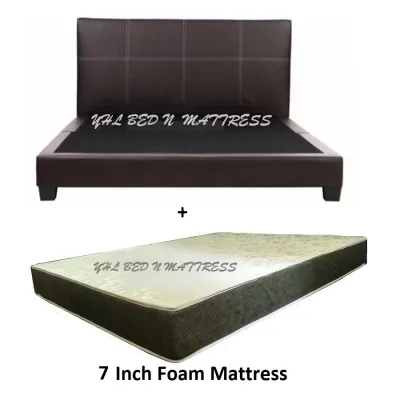
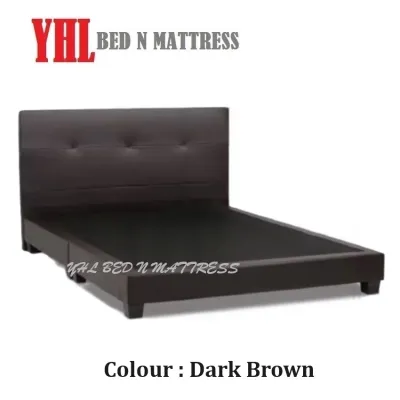
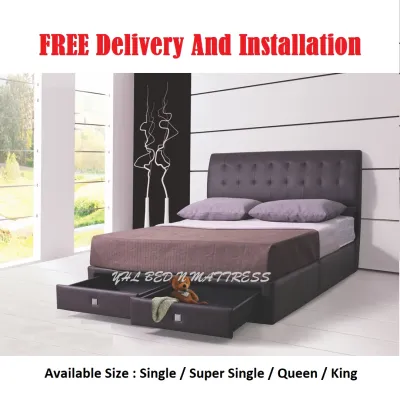

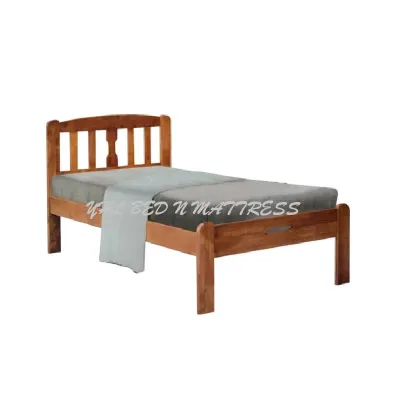
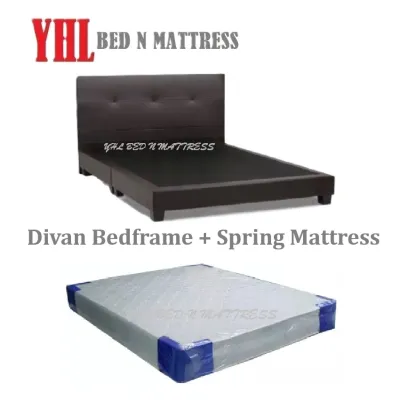
Prices are valid at publication and may change. Please refer to the product page for the latest price.
Reputable manufacturers design and test their children’s beds according to established international frameworks. The European standard EN 747 is one of the most stringent benchmarks for bunk beds and high beds, specifying strict requirements for structural strength, durability, and entrapment prevention. In the United States, the ASTM F1427 standard governs similar safety specifications. These standards are not arbitrary; they dictate the exact height of guardrails, the maximum allowable gaps between slats, and the structural load capacity the bed must support without risk of collapse.
Beyond structural integrity, material safety is a critical concern for children’s furniture. Young children are highly sensitive to chemical exposure, making the emissions from paints, lacquers, and engineered woods a key health consideration. Safe children’s beds should comply with standards that limit volatile organic compounds (VOCs) and formaldehyde emissions, such as the European E1 or E0 standards for wood-based panels. Additionally, finishes and coatings should meet safety standards like EN 71-3, which restricts the migration of heavy metals and toxic elements in materials that children might touch or chew.
How to Verify YHL Kids Bed Certifications Before Buying
To confirm whether a YHL kids bed meets these essential safety benchmarks, you must take an active role in verifying the product’s documentation. Do not hesitate to ask the retailer, showroom consultants, or the brand’s customer service representatives for official proof of compliance. A reputable brand or distributor should be able to provide access to test reports or certificates of conformity for their children’s furniture line.

When reviewing product information, it is vital to distinguish between verified third-party certifications and unverified marketing phrases. Terms like “child-safe,” “non-toxic,” or “premium quality” are frequently used in promotional materials but carry no legal weight unless they are backed by specific test reports. Look for official certification marks from recognized testing bodies such as TÜV, SGS, or Intertek. These organizations conduct independent laboratory testing to verify that the furniture actually meets the structural and chemical standards claimed by the manufacturer.
When inspecting a YHL kids bed in a showroom or reviewing its product listing, look for physical labels or documentation that reference specific standard numbers, such as EN 747 or ASTM F1427. The product manual or packaging should also clearly state the manufacturer’s details, the production batch or date, and the maximum weight capacity. If a retailer cannot provide any documentation or standard references for a specific model, you should treat the product’s safety claims as unverified and exercise extra caution during your physical inspection.
Physical Safety Checks to Perform In-Store or Upon Delivery
Even if a bed comes with the correct paperwork, performing a hands-on physical inspection is a crucial step to ensure the specific unit you receive is safe. Whether you are examining a display model in a showroom or inspecting the bed immediately after delivery and assembly in your home, there are several critical areas to evaluate.
First, measure the gaps and guardrail heights, as improper spacing is a primary cause of entrapment and fall injuries. For elevated beds or bunk beds, the guardrails must extend at least 160 mm above the top of the mattress to prevent a sleeping child from rolling over the edge. Gaps between the guardrail slats, headboard spindles, or the bed frame itself must be carefully measured. To prevent a child’s head, neck, or limbs from becoming trapped, these gaps should either be smaller than 75 mm or larger than 230 mm; any gap falling between these two measurements poses a serious safety hazard.
Next, assess the overall build quality and structural stability of the frame. Shake the bed firmly from side to side and end to end to check for any wobble, joint play, or creaking, which can indicate weak connections or poor material quality. Run your hands along the edges, corners, and underside of the frame to check for sharp edges, splinters, or rough finishes that could cause scratches. Ensure that all hardware, screws, and bolts are recessed or flush with the surface of the wood or metal, with no protruding parts that could catch on a child’s clothing or hair.
Finally, evaluate the mattress fit within the bed frame. A mattress that is too small for the bed frame creates dangerous gaps along the sides or ends, which can trap a child’s limbs or cause suffocation. There should be no more than a 30 mm gap between the mattress and the bed frame on any side. Always check the manufacturer’s specifications for the recommended mattress thickness, particularly for bunk beds, to ensure the mattress does not sit too high and compromise the effectiveness of the safety guardrails.
Safe Assembly and Ongoing Maintenance for Kids Beds
The safety of a kids bed depends heavily on how well it is put together and maintained over time. Even the highest-quality bed can become hazardous if it is assembled incorrectly or allowed to deteriorate without regular upkeep.
If you choose to assemble the bed yourself, or if you are supervising a professional delivery and installation team, ensure that the manufacturer’s instruction manual is followed precisely. Every single dowel, screw, bracket, and support beam must be installed exactly as directed. Never skip steps or leave out hardware to save time. If the bed design includes wall-anchoring brackets or safety straps—which are highly recommended for tall, narrow, or elevated beds—ensure they are securely fastened to your wall using the appropriate wall plugs for your home’s wall type.
Singapore’s humid climate can cause natural wood materials to expand and contract, which may gradually loosen joints and fasteners over time. To counteract this, establish a routine maintenance schedule to inspect the bed every three to six months. Use this time to tighten any loose bolts, check that the slats remain securely anchored, and inspect the frame for any signs of wear or damage.
During your routine checks, look out for clear stop-use conditions that require immediate attention. If you discover cracked wooden supports, broken slats, loose guardrails that cannot be tightened, or compromised joints, stop using the bed immediately. Do not attempt temporary or makeshift repairs with tape or incorrect screws; instead, contact the manufacturer or a professional furniture repair service to source genuine replacement parts and restore the bed’s structural integrity.
Frequently Asked Questions (FAQ)
What is the recommended age to transition a child to a standard kids bed?
Most children transition from a crib to a standard kids bed or toddler bed between the ages of one and a half and three years old. The right time depends on your child’s physical development and behavior rather than age alone. A clear sign that it is time to transition is when your child can climb out of the crib, or when their chest height exceeds the top rail of the crib when standing. When making the transition, ensure the entire bedroom is thoroughly childproofed, as your child will now have unsupervised access to the room if they wake up during the night.
Do bunk beds require different safety checks compared to standard single kids beds?
Yes, bunk beds require much stricter safety checks due to the increased risk of falls from height. The top bunk should never be used by children under six years of age, as younger children lack the coordination and spatial awareness to navigate the ladder safely at night. Ensure that guardrails are installed on all four sides of the top bunk, even if the bed is placed directly against a wall, to prevent a child from slipping into the gap between the bed and the wall. Additionally, check that the ladder is securely fastened to the bed frame, has wide, slip-resistant steps, and is free of any obstacles.

Community discussion
Share your experience or ask a question. Comments are reviewed before publication.