
Moving heavy household appliances like refrigerators, washing machines, or dryers can easily damage your floors if you use the wrong slider material. Choosing between rubber, plastic, and felt depends entirely on your specific flooring type—whether it is ceramic tile, vinyl, or delicate parquet—and the total weight of the appliance. Selecting the correct material ensures smooth movement, prevents deep scratches, and protects your home’s structural finishes.
To make an informed decision, you must evaluate how different materials interact with your floor under heavy loads. While some materials excel at gliding across hard surfaces, others are designed to grip the floor and absorb vibrations once the appliance is in place. Understanding these differences prevents costly floor repairs and makes appliance maintenance far more manageable.
Assessing Your Floor Surface and Appliance Load
Before purchasing any appliance sliders, you must identify your flooring type and the weight of the machine you intend to move. Different flooring materials have distinct vulnerabilities. Parquet and solid timber floors are highly susceptible to scratches and pressure dents, whereas luxury vinyl tiles can scuff or tear under concentrated loads. Ceramic and homogenous tiles are highly durable but can chip along the edges or crack if a heavy appliance is dropped or dragged unevenly.
Products mentioned in this guide
![[SG FREE ] 16 X Furniture Sliders For Carpet Heavy Duty Furniture Slider Movers Gliders](https://img.lazcdn.com/g/p/9458b060675624d87684ab022de40492.jpg_400x400q80.jpg_.webp)
Prices are valid at publication and may change. Please refer to the product page for the latest price.
Moisture levels in the room also play a significant role. In areas like kitchens or utility yards, floors are frequently exposed to spills or high humidity. Certain slider materials can trap moisture underneath, leading to wood rot, adhesive failure, or mold growth. Identifying these environmental factors beforehand helps you narrow down which slider materials are safe for long-term contact with your floor.
Next, determine the total weight of your appliance by checking the manufacturer’s specification label, usually located on the back or inside the door. Remember to account for the operational weight, which includes water in washing machines or food stored inside refrigerators. Once you have the total weight, divide it by the number of contact points—typically four feet—to calculate the load-bearing capacity required per slider. For example, a 100 kg washing machine exerts approximately 25 kg of force on each corner, which must be fully supported by the slider without compressing it to the point of failure.
Finally, inspect the floor path for any existing damage, unevenness, or deep grout lines. Wide or deep grout joints in tiled floors can catch the edge of a slider, causing the appliance to tip or the slider to dislodge. If your floor has uneven planks or raised tile edges, you will need a slider that can bridge these small gaps without transferring excessive stress to the appliance frame or the floor itself.
Evaluating Rubber Sliders for Grip and Heavy Appliances
Rubber sliders are primarily designed for stability, shock absorption, and slip prevention rather than effortless gliding. High-density rubber provides excellent grip, making it ideal for appliances that vibrate heavily during operation, such as front-load washing machines or tumble dryers. The natural friction of rubber prevents these machines from shifting across the laundry room floor, which can damage plumbing connections and electrical cords.

These sliders work exceptionally well on smooth ceramic or homogenous tiles, where the rubber can grip the flat surface securely. However, you must exercise caution when using rubber on vinyl, linoleum, or certain sealed wood floors. Over time, the chemical compounds in some rubber products can react with the floor’s finish, leaving permanent dark stains or yellow discoloration that cannot be cleaned away. Always check the manufacturer’s instructions to ensure the rubber is rated as non-marking and safe for your specific floor finish.
When shopping for rubber sliders, look closely at the product packaging or specification sheets to verify the weight limits and material thickness. High-quality rubber sliders should be thick enough to absorb vibrations without flattening completely under the weight of a heavy appliance. Check if the rubber is reinforced with a solid core or a hard plastic backing, which helps distribute the weight evenly across the entire surface of the pad.
Additionally, inspect the texture of the rubber pad. A textured grid or ribbed pattern on the top surface helps hold the appliance’s foot securely in place, preventing it from slipping off the pad during high-spin cycles. If you plan to use rubber pads permanently under an appliance, ensure the area is kept dry, as trapped moisture beneath rubber can lead to mildew and degrade the adhesive backing over time.
Evaluating Plastic Sliders for Gliding on Hard Floors
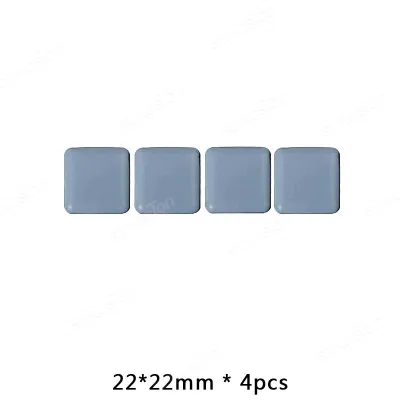
Hard plastic sliders, often featuring a smooth polyethylene or fluoropolymer base, are engineered specifically for effortless gliding. These sliders minimize friction between the heavy appliance and the floor, allowing you to slide large refrigerators or ovens out of their enclosures for cleaning or servicing. They are particularly effective on hard, flat surfaces such as ceramic tiles, smooth concrete, and well-sealed parquet.
Despite their excellent gliding capabilities, plastic sliders carry a distinct risk of scratching your floors if not used correctly. If small particles of sand, grit, or debris become trapped beneath the hard plastic base, they act like sandpaper when the appliance is pushed. This trapped debris can gouge deep scratches into vinyl, laminate, or hardwood finishes. To mitigate this risk, you must thoroughly sweep and mop the floor path immediately before moving the appliance.
Before purchasing plastic sliders, inspect the physical design of the product. Look for sliders with rounded or beveled edges rather than sharp, vertical sides. Beveled edges allow the slider to glide smoothly over minor floor imperfections, such as slightly raised tile corners or wood plank joints, without catching or digging into the floor. The base should be completely smooth and free of manufacturing defects, burrs, or rough patches.
You should also check the hardness of the plastic. Very rigid, brittle plastic can crack under extreme weight, especially when moving over uneven surfaces. Look for high-impact plastic sliders that offer a slight degree of flexibility while maintaining a low-friction bottom surface. If you are using them on delicate vinyl or engineered wood, consider using plastic sliders that feature a thin, protective foam or felt layer on the top side to cushion the appliance foot.
Evaluating Felt Sliders for Scratch Protection and Lighter Loads
Felt sliders are the traditional choice for protecting delicate floors from scratches, scuffs, and minor dents. Made from compressed wool or synthetic fibers, felt provides a soft, cushioned barrier between the appliance and the floor. They are highly recommended for use on easily damaged surfaces like parquet, solid timber, engineered wood, and luxury vinyl.
However, felt has clear physical limitations when it comes to heavy household appliances. Unlike plastic or rubber, felt is a compressible material that can flatten permanently under extreme weight. Once compressed, the felt loses its cushioning properties and can allow the hard plastic or metal parts of the slider—or the appliance foot itself—to make contact with the floor. Therefore, felt is best reserved for lighter appliances, such as microwave ovens, small wine chillers, or compact dishwashers.
Another critical factor to consider is felt’s susceptibility to moisture and dirt. In wet environments like kitchens or utility yards, felt can act like a sponge, absorbing water, grease, and cleaning chemicals. This trapped moisture can damage wood floors underneath, cause the adhesive backing on the slider to peel off, and harbor bacteria. Furthermore, felt fibers easily trap dust, pet hair, and grit, which can turn the soft pad into an abrasive surface over time.
If you choose to use felt sliders, opt for heavy-duty, high-density industrial felt rather than thin, craft-grade felt pads. Check that the adhesive backing is strong and moisture-resistant, especially if the appliance is located near water sources. Regularly inspect the felt pads for signs of wear, flattening, or dirt accumulation, and be prepared to replace them more frequently than rubber or plastic alternatives.
Matching Slider Material to Your Floor and Weight
To select the right slider material, you must balance the weight of your appliance with the vulnerability of your flooring. There is no single material that excels in every scenario, so a condition-based approach is necessary to protect both your investment in your appliances and your home’s flooring.
Choose rubber sliders if:
- You are placing a heavy, vibrating appliance like a washing machine or dryer on ceramic or homogenous tiles.
- Your primary goal is to prevent the appliance from moving, shifting, or vibrating during operation.
- The floor surface is smooth and free of finishes that could react with rubber compounds.
Choose plastic sliders if:
- You need to move very heavy appliances, such as double-door refrigerators or large ovens, across smooth, hard floors.
- You are performing a temporary move for cleaning, maintenance, or renovation purposes.
- The floor path is completely clean, flat, and free of abrasive debris.
Choose felt sliders if:
- You have highly delicate flooring, such as parquet, solid timber, or luxury vinyl, that scratches easily.
- The appliance is relatively light, such as a small kitchen counter appliance or a compact bar fridge.
- The environment is dry, clean, and free of standing water or high humidity.
Verify first if you are dealing with ambiguous situations. For unsealed wood floors, extremely heavy commercial-grade appliances, or highly textured stone tiles, standard consumer sliders may not provide adequate protection. In these cases, check the appliance manufacturer’s manual for specific moving instructions, or consult a professional flooring installer to avoid voiding your floor’s warranty.
| Slider Material | Best Floor Types | Weight Suitability | Primary Function | Key Risk to Verify |
|---|---|---|---|---|
| Rubber | Ceramic tiles, homogenous tiles, concrete | Heavy to very heavy | Vibration dampening, grip | Floor discoloration, marking |
| Plastic | Smooth tiles, sealed parquet, laminate | Heavy (temporary moving) | Low-friction gliding | Trapped debris scratching floor |
| Felt | Parquet, solid timber, luxury vinyl | Light to medium | Scratch protection | Compression, moisture absorption |
Note: Manufacturer specifications and weight limits printed on the product packaging always override general material guidelines.
Safe Installation and Ongoing Maintenance Checks
Proper installation is critical to ensure that your appliance sliders perform as intended and do not cause accidental damage. Before applying any slider, thoroughly clean both the bottom of the appliance feet and the floor area. Remove all dust, grease, moisture, and grit. If you are using adhesive-backed sliders, wipe the appliance feet with rubbing alcohol and allow them to dry completely to ensure a strong, permanent bond.
Before moving the full weight of the appliance, perform a spot test. Place the sliders under the appliance and gently slide it a few centimeters in an inconspicuous area, such as behind the machine or inside its enclosure. Check the floor path immediately for any signs of scuffing, scratching, or resistance. If you notice any unusual noise or resistance, stop immediately and inspect the sliders for trapped debris or incorrect placement.
Once installed, appliance sliders require regular maintenance checks to remain effective. Over time, dust, pet hair, and grit can accumulate around the edges of the sliders, particularly in kitchens and laundry areas. Set a schedule to inspect the sliders at least once every six months, or whenever you pull the appliance out for cleaning. Look for signs of material degradation, such as cracked plastic, flattened felt, or brittle rubber.
If you observe any wear, loss of grip, or adhesive peeling, replace the sliders immediately. Using worn-out or damaged sliders can result in sudden failure, causing the appliance to tilt or scratch the floor during its next move. Keeping a spare set of sliders on hand ensures you can replace them quickly without delaying your household cleaning or maintenance routines.
Frequently Asked Questions (FAQ)
Can I use appliance sliders on uneven or textured tiles?
Using appliance sliders on textured or uneven tiles requires extra caution. Raised patterns, natural stone textures, and deep grout lines increase friction and can cause the slider to catch, tilt, or peel off the appliance foot. Hard plastic sliders are particularly prone to catching on uneven tile edges, which can damage both the slider and the floor. If you must use sliders on textured surfaces, look for models with extra-thick, flexible bases or beveled edges that can adapt to minor surface variations, and always move the appliance slowly and carefully.
Do I need to remove sliders when the appliance is in its final position?
Whether you should remove the sliders depends on their design and intended use. Temporary moving gliders, especially those made of hard plastic, should be removed once the appliance is in its final position to prevent the machine from shifting unexpectedly during use. However, permanent protective pads, such as heavy-duty rubber anti-vibration pads or high-density felt protectors for lighter items, are designed to remain in place indefinitely. Always check the product packaging to confirm if the sliders are rated for permanent load-bearing use or temporary moving only.

Community discussion
Share your experience or ask a question. Comments are reviewed before publication.