
Finding the right door hook hanger in Singapore requires balancing space-saving utility with structural safety. While many brands claim to offer the ultimate organizing solution for heavy bags and coats, selecting a durable option depends on verifying material specifications, understanding door compatibility, and assessing the hardware’s design. In Singapore’s humid climate and diverse housing landscapes—ranging from HDB flats with standard wooden doors to modern condominiums with metal-framed doors—a systematic evaluation of hook construction, weight distribution, and installation methods is essential to prevent damage to your home while keeping your belongings securely organized.
Comparing Door Hook Hanger Designs and Materials
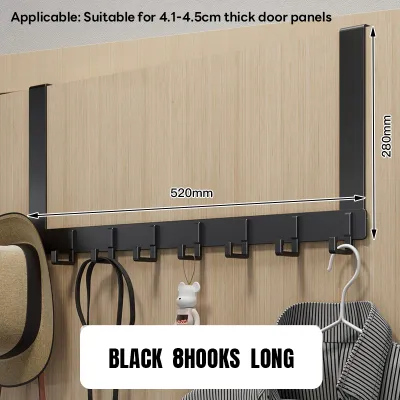
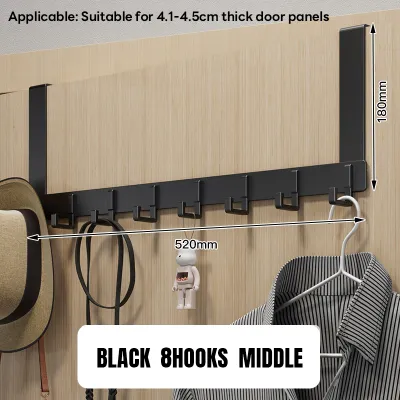
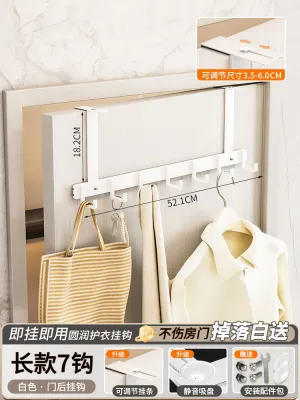
Selecting the right door hook hanger begins with understanding the structural designs available and how they interact with your living space. Over-the-door hangers are highly popular in Singapore due to their renter-friendly nature, requiring no drilling or permanent alterations. These hangers rely on a bracket that drapes over the top edge of the door, utilizing gravity and the door’s own structure to support weight. However, they require precise clearance at the top of the door frame to allow the door to close smoothly.
Adhesive hooks offer an alternative that eliminates the need for top-of-door clearance, making them suitable for doors with tight frames. However, their load-bearing capacity is strictly limited by the strength of the adhesive bond and the integrity of the door’s surface paint. In Singapore’s tropical climate, high humidity can degrade adhesive polymers over time, increasing the risk of sudden failure under heavy loads.
Products mentioned in this guide
![[SG Seller]Punch Free Solid Wood Black white Wooden Hook Towel Hanger Door Hook Wall Rack Hooks Coat Clothes Holder](https://img.lazcdn.com/g/p/dc0300e23b26b0301425122aa120f42e.jpg_400x400q80.jpg_.webp)
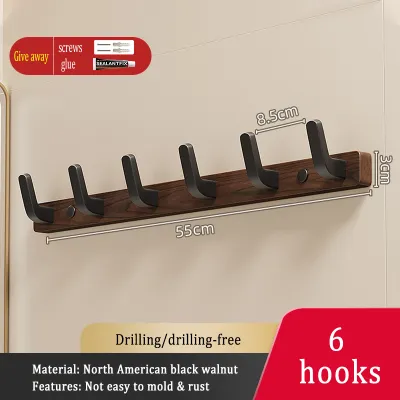
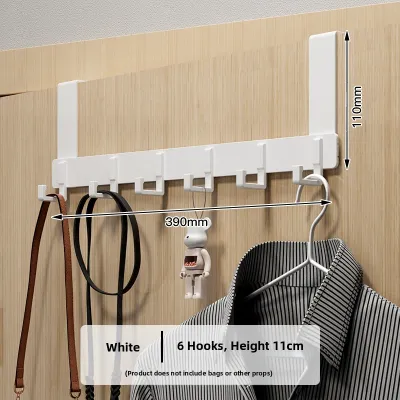
Prices are valid at publication and may change. Please refer to the product page for the latest price.
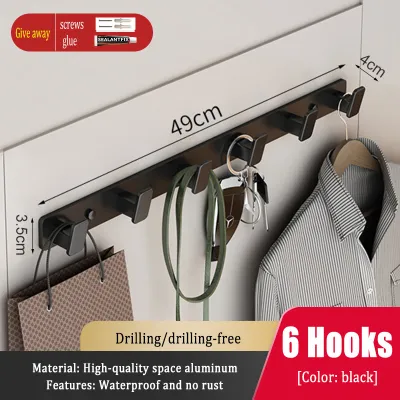
Screw-mounted hooks provide the most secure and permanent installation method. By anchoring directly into the door’s internal frame, they can support significantly heavier items, such as fully loaded backpacks or heavy winter coats stored between travels. The primary trade-off is the permanent damage caused by drilling pilot holes, which may not be permissible in rental properties or on high-value solid wood doors.
The choice of material directly influences both the aesthetic integration of the hanger and its long-term structural integrity. Stainless steel, particularly grade 304, is highly recommended for Singapore homes due to its exceptional resistance to rust and corrosion in humid environments. Zinc alloy is another common material, often cast into decorative shapes and finished with electroplating; however, buyers must verify the quality of the plating, as micro-cracks can allow moisture to penetrate and cause oxidation. Coated wood hooks offer a warm, natural aesthetic that complements Scandinavian or minimalist interior designs, but they must be treated with a moisture-resistant sealant to prevent warping, cracking, or mold growth over time.
How to Evaluate Door Hook Hanger Brands for Durability
When evaluating door hook hanger brands in Singapore, consumers should look past marketing claims and focus on verifiable product specifications. A reliable manufacturer will provide clear, detailed technical data rather than vague assertions of strength. Look for brands that publish explicit weight limits per hook as well as a maximum total load capacity for the entire unit. These specifications should be backed by details on the thickness of the metal backplate and the diameter of the hook prongs.

The inclusion of protective hardware is a strong indicator of a brand’s commitment to quality. Premium brands typically package their hangers with pre-cut felt pads, EVA foam strips, or rubber bumpers designed to cushion the contact points between the metal bracket and the door. This attention to detail not only protects the door’s paint finish from scratching but also dampens vibrations and noise when the door is opened or closed. Furthermore, check the warranty terms offered by the manufacturer; a brand that provides a multi-year warranty against structural failure or finish degradation demonstrates confidence in their manufacturing standards.
Reviewing user feedback across online marketplaces and retailer websites can reveal patterns that specifications alone do not show. When reviewing customer comments, look specifically for mentions of long-term durability, such as whether the metal prongs begin to bend after several months of holding heavy bags. Pay close attention to reports of finish chipping, rust spots developing in humid bathrooms, or the hanger bracket warping under standard daily use. A pattern of complaints regarding these issues indicates substandard material quality or poor quality control, regardless of the brand’s reputation.
Checking Door Compatibility and Weight Limits
Before purchasing any door hook hanger, precise physical measurements are mandatory to ensure a secure fit and prevent damage to your door frame. Begin by measuring the exact thickness of your door using a tape measure or caliper. Standard interior doors in Singapore HDB flats and private apartments typically measure between 35mm and 45mm in thickness. Over-the-door hooks are manufactured to fit specific door profiles; purchasing a bracket that is too wide will cause the hanger to wobble and slide, while a bracket that is too narrow will fail to slide over the top edge entirely.
Next, verify the clearance space between the top of the door and the door frame, often referred to as the gap or clearance. A practical way to test this is to place a standard coin, such as a Singapore one-dollar coin (which is approximately 2mm thick), on top of the door and attempt to close it. If the door closes smoothly without catching or scraping the coin, there is sufficient clearance for most standard metal over-the-door brackets, which generally require a gap of 1.5mm to 2mm. If the door jams or scrapes, an over-the-door hanger is not suitable, and you should consider adhesive or wall-mounted alternatives to avoid damaging the door frame.
Understanding the structural composition of your door is crucial for calculating safe weight limits. Many modern interior doors are hollow-core doors, which consist of a thin outer wood veneer over a honeycomb cardboard core. These doors have very little structural strength in the center panels. Hanging a heavy backpack filled with a laptop and books (which can easily weigh over 5kg) on a single hook mounted to a hollow-core door can cause the veneer to crack or puncture. To prevent this, select a hanger that distributes the load across a wide backplate spanning multiple points, or limit the use of hollow-core doors to lightweight accessories and coats, reserving heavy bags for solid wood doors or wall-mounted studs.
Sourcing Reliable Door Hooks in Singapore
Sourcing high-quality door hook hangers in Singapore involves a combination of physical inspection and careful online verification. Visiting local furniture showrooms, home organization specialty stores, and home improvement centers allows you to conduct a hands-on assessment of the hardware. Physically inspect the thickness of the hook prongs and the rigidity of the bracket. Apply moderate manual pressure to check for flexing; a durable hook should feel solid and show no signs of bending under hand pressure.
When browsing online marketplaces or ecommerce platforms, verify the credentials of the seller to ensure you are purchasing authentic hardware. Look for official brand stores, authorized local distributors, or sellers with high ratings and positive reviews specifically mentioning product durability. Checking for local stock is highly beneficial; items stored in Singapore warehouses typically arrive faster and are subject to local consumer protection standards, making the resolution of any quality issues much simpler.
Always review the retailer’s return and exchange policies before finalizing your purchase. Because minor variations in door thickness or frame clearance can prevent an over-the-door hanger from fitting perfectly, a flexible return policy is essential. Ensure the retailer allows exchanges or refunds for items that do not fit your specific door profile, provided the hardware is returned in its original packaging without damage.
Installing and Maintaining Your Door Hooks Safely
Proper installation and consistent maintenance are vital to protecting your doors from cosmetic damage and ensuring the long-term safety of your hanging hardware. During installation, ensure the hanger is perfectly centered and aligned horizontally. Apply the manufacturer-provided felt pads or foam strips to all contact points where the metal bracket meets the door’s front, top, and back surfaces. If the product does not include padding, you can purchase adhesive felt tape separately and apply it to prevent the metal from scratching the paint or denting the wood veneer over time.
In Singapore’s tropical climate, high humidity levels can accelerate the degradation of materials and adhesives. Establish a routine check every six months to inspect the condition of your door hooks. For over-the-door and screw-mounted models, check for loose screws, bent prongs, or signs of metal fatigue such as hairline cracks at the joints. For adhesive hooks, inspect the edges of the adhesive tape for peeling or lifting, which indicates the bond is failing and the hook should be replaced before it drops your belongings.
Follow the manufacturer’s recommended cleaning instructions to maintain the finish of your hooks and prevent corrosion. For stainless steel and zinc alloy hooks, wipe them down periodically with a soft, damp microfiber cloth to remove dust, sweat, and oils transferred from bags and coats. Avoid using harsh chemical cleaners, abrasive pads, or bleach, which can strip away protective electroplated coatings and expose the underlying metal to moisture and rust. For wooden hooks, use a dry or slightly damp cloth and avoid excess moisture to prevent the wood from swelling or developing mold.
Be vigilant for warning signs that indicate the hanger must be removed immediately to prevent structural damage. If you notice the door beginning to sag, drag along the floor, or fail to latch properly, the weight on the door hook hanger may be exceeding the door’s structural capacity. Similarly, if you observe visible warping of the door frame or deep indentations in the wood veneer, remove the hanger immediately and redistribute your items to alternative storage solutions.
Frequently Asked Questions (FAQ)
Can over-the-door hooks damage my doors?
Yes, over-the-door hooks can cause both cosmetic and structural damage if they are installed incorrectly or overloaded. The constant friction between an unpadded metal bracket and the door frame can chip paint, scratch wood veneers, and leave deep dents in the top of the door. Additionally, placing excessive weight on a hanger can cause hollow-core doors to sag, warp, or pull away from their hinges over time. To prevent this damage, always use protective felt or foam padding at all contact points, distribute weight evenly across the entire hanger, and avoid hanging heavy items on lightweight interior doors.
How do I prevent coats and bags from slipping off the hooks?
To prevent items from slipping off, select door hook hangers designed with upward-angled prongs, deep curves, or prominent end-caps such as wooden knobs or rubberized tips. These design features physically block straps and hangers from sliding forward when the door is opened or closed. When hanging bags with wide straps, ensure the strap is seated flat in the deepest part of the hook curve rather than balanced on the edge. Avoid overloading a single hook with multiple bulky items, as this pushes the outer items toward the tip, making them highly susceptible to falling.
Are adhesive hooks a viable alternative for heavy bags?
Adhesive hooks are generally not a viable alternative for heavy bags or dynamic loads. Their load-bearing capacity relies entirely on the strength of the adhesive bond and the integrity of the door’s paint or veneer. In Singapore’s humid climate, adhesives can degrade over time, leading to sudden failure without warning. While high-quality adhesive hooks may be suitable for lightweight items like keys, lanyards, or light jackets, they should not be used for heavy backpacks, laptop bags, or wet coats. For these heavier items, over-the-door or screw-mounted hangers provide a much safer and structurally sound solution.

Community discussion
Share your experience or ask a question. Comments are reviewed before publication.