
Finding the right 65cm bar stool—often referred to as a counter stool—requires balancing aesthetic preferences with precise spatial constraints. In Singapore, where open-concept kitchens and compact dining islands are increasingly popular in HDB flats and condominiums, selecting the right seating involves matching the stool’s design with your interior theme while verifying critical dimensions. Since different brands specialize in distinct aesthetics, understanding how to evaluate build quality, material durability under local humidity, and spatial clearance is essential for making a lasting purchase.
By focusing on measurable dimensions and material traits, you can confidently select seating that complements your interior and fits your counter height. This guide outlines how to navigate these choices to find the most suitable seating for your home.
Understanding the 65cm Height and Spatial Requirements
To ensure your seating is comfortable, you must first verify that a 65cm seat height matches your counter. In Singapore, kitchen islands and breakfast counters typically fall into two categories: standard counter height (90cm to 95cm) and bar height (100cm to 105cm). A 65cm stool is specifically designed for standard counter heights. This height difference leaves a clearance gap of 25cm to 30cm between the top of the stool seat and the underside of the counter, which is the optimal range for comfortable leg movement and posture.
Products mentioned in this guide
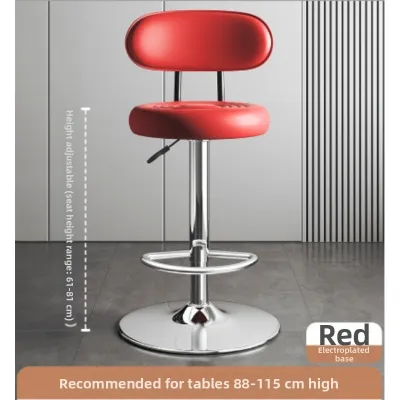
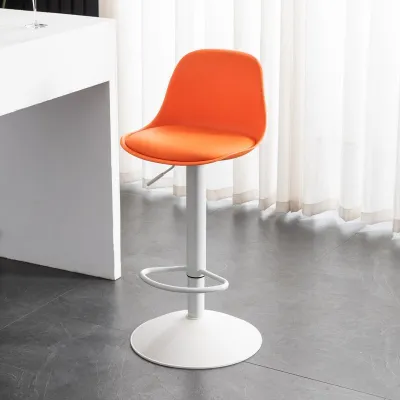
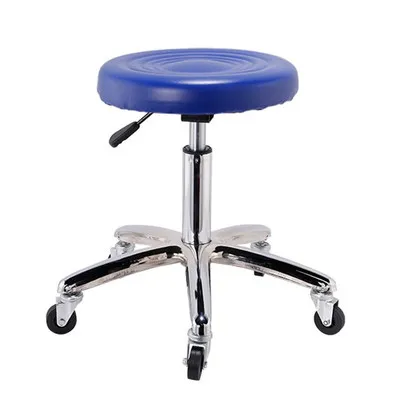
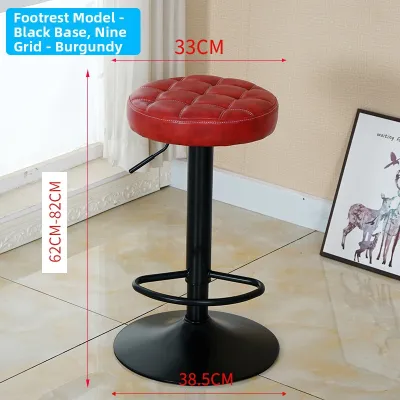
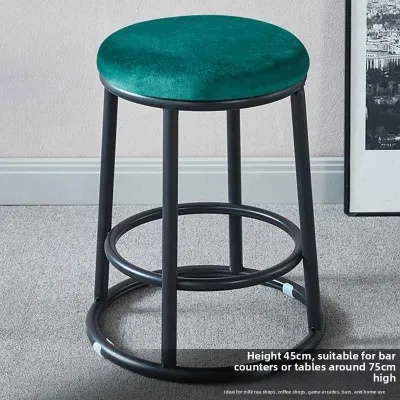
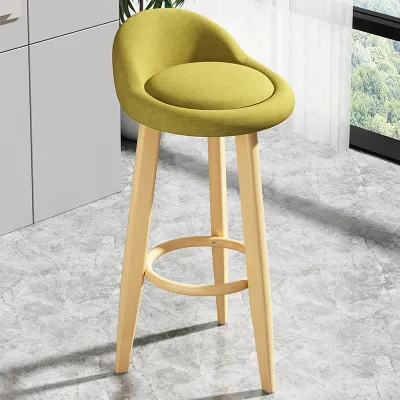
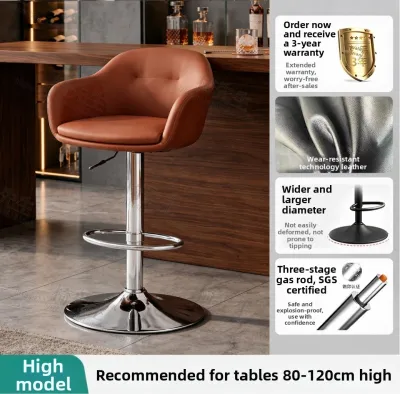
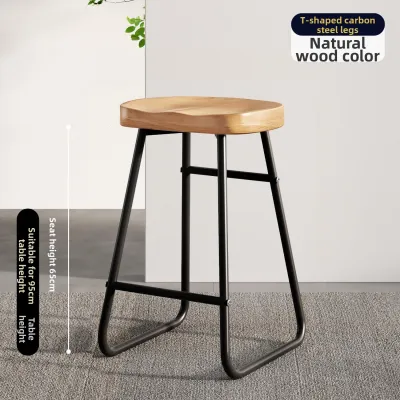
Prices are valid at publication and may change. Please refer to the product page for the latest price.
Before purchasing, measure the exact distance from your floor to the underside of your counter. If your counter features a thick apron or support beams underneath, measure from the lowest point of that structure to the floor rather than the top surface of the counter. Failing to account for this can result in a tight squeeze, forcing your thighs against the underside of the table.
Next, calculate the horizontal spacing along your counter. To prevent guests from feeling cramped, allocate approximately 60cm to 75cm of width for each stool. This measurement is taken from the center of one stool to the center of the next. If you select stools with wide bases, armrests, or swivel mechanisms, you may need to increase this spacing to 75cm or more to allow users to turn and exit the seating area easily without colliding.
Finally, plan for delivery and installation within your home. Many premium bar stools are delivered fully assembled to maintain structural integrity and eliminate weak points caused by improper home assembly. Measure your main entryway, hallway widths, and the interior dimensions of your building’s elevator. In Singapore, older HDB estates or specific condominium developments may have smaller lift cabins or narrow stairwells, which can complicate the delivery of bulky, non-demountable furniture.
Matching Bar Stool Styles to Your Interior
Selecting the right aesthetic for your 65cm bar stools is crucial because kitchen islands often serve as the visual transition point between your cooking area and the living room. In open-concept layouts, your stools are visible from multiple angles, making their design style a key contributor to the overall ambiance of your home.

Rather than choosing stools solely based on a style label, evaluate how their materials, colors, and silhouettes interact with your existing cabinetry, flooring, and lighting. Each design style carries specific material expectations and maintenance requirements that should align with your lifestyle and the amount of time you plan to spend sitting at your counter.
Modern and Minimalist
Modern and minimalist design styles prioritize clean lines, geometric simplicity, and a clutter-free appearance. For a 65cm bar stool, this translates to slim metal legs, low-profile backrests, and monochromatic color schemes such as matte black, slate grey, or stark white. These stools are designed to blend into the background, making them excellent choices for compact apartments where visual clutter must be minimized.
When evaluating brands that specialize in minimalist furniture, look for frames constructed from powder-coated steel or aluminum. These metals provide exceptional strength without requiring thick, bulky legs. The seats are often made from molded polypropylene or curved plywood, which offer a sleek look while remaining incredibly easy to wipe clean after meals.
Pay close attention to how the footrest is integrated into the frame. In high-quality minimalist designs, the footrest is welded seamlessly to the legs, serving as both a structural brace and a functional step. Avoid models with visible, bulky screws or brackets at the joints, as these detract from the clean aesthetic and can loosen over time with regular use.
Industrial
Industrial-style bar stools embrace raw, unfinished textures and robust materials, drawing inspiration from vintage factories and workshops. This style is characterized by the pairing of dark metals with warm, distressed wood or aged leather. It adds a grounded, tactile element to kitchens featuring concrete screed walls, exposed brick, or dark quartz countertops.
When sourcing industrial stools, prioritize brands that use solid hardwoods like elm, acacia, or mango wood for the seats. Solid wood not only looks more authentic than veneered particleboard but also handles daily wear much better, developing a natural patina over time. The metal frames should feature clean welds and a matte or slightly textured powder coat to resist rust and scratches.
Because industrial stools are often constructed from heavy iron or steel, they can be cumbersome to move and may pose a risk to your flooring. Ensure the brand equips the stool legs with durable, non-marking rubber feet or adjustable leveling glides. This is particularly important if you have polished marble, parquet, or luxury vinyl tiles that are susceptible to scratching.
Scandinavian
Scandinavian design centers on warmth, natural light, and functional simplicity, making it one of the most popular interior styles in Singapore. Scandinavian-style 65cm bar stools typically feature light-colored timbers such as oak, ash, or beech, paired with soft, organic curves and neutral or pastel upholstery.
When assessing Scandinavian furniture brands, look for stools that highlight the natural grain of the wood. The construction should rely on traditional woodworking joints, such as mortise-and-tenon or dowel joints, which are reinforced with high-quality wood glue. These joints distribute weight evenly and prevent the stool from creaking or wobbling over years of use.
Given Singapore’s high humidity, natural timber can expand and contract, which may weaken joints if the wood is not properly treated. Verify that the brand applies a protective matte lacquer or polyurethane finish to the wood. This protective layer seals the timber against moisture and spills while preserving the natural, low-sheen appearance characteristic of Nordic design.
Contemporary and Luxe
Contemporary and luxe styles are designed to make a statement, incorporating rich textures, elegant curves, and metallic accents. Stools in this category often feature plush upholstery in velvet, boucle, or top-grain leather, supported by frames finished in brushed brass, gold, or polished chrome.
When shopping for luxury bar stools, the quality of the internal cushioning is just as important as the outer fabric. Look for brands that specify the use of high-density polyurethane foam (typically 30kg/m³ or higher). High-density foam provides firm, resilient support and prevents the seat from sagging or bottoming out after extended sitting sessions.
For the upholstery, check the fabric’s durability and maintenance requirements. Velvet and boucle add incredible texture but may require regular vacuuming and prompt spot-cleaning. If you prefer low-maintenance luxury, consider top-grain leather or high-quality synthetic leather, which can be wiped down easily and resist staining from spilled drinks or food.
Evaluating Brand Reliability and Build Quality
When you cannot rely on specific brand reviews, you must become adept at evaluating product specifications and construction details yourself. A reliable furniture brand will always provide transparent information about the materials used, the manufacturing process, and the structural limits of their products.
Begin by examining the frame material and joint construction. For wooden stools, solid hardwood is the gold standard for durability; avoid brands that use paper-wrapped MDF or low-grade particleboard for structural parts, as these materials can swell and crumble when exposed to moisture or spills. For metal stools, look for fully welded joints rather than those held together entirely by bolts, as bolted joints require frequent tightening to prevent wobbling.
Next, evaluate the upholstery specifications if you are choosing a padded stool. The durability of a fabric is measured by the Martindale method, which simulates wear through continuous rubbing. For residential kitchen stools that are used daily, look for a rub count of at least 15,000 to 20,000. If the brand does not list this specification, contact their customer service team to verify, as low-grade fabrics will quickly show signs of pilling, thinning, or tearing.
Finally, review the brand’s warranty and customer support policies. A reputable brand should offer a structural warranty of at least one to five years, covering defects in the frame, welds, and major joints. Be wary of retailers that offer no warranty or classify their bar stools under “as-is” or “final sale” terms, as this often indicates a lack of confidence in the product’s long-term durability.
Sourcing and Verifying 65cm Bar Stools in Singapore
Sourcing the perfect 65cm bar stools in Singapore requires a strategic approach to shopping, whether you prefer visiting physical showrooms or browsing online catalogs. Showrooms located in industrial design hubs like Henderson, Outram, or Ubi offer the invaluable opportunity to test the stools in person. Sitting on the stool allows you to evaluate the comfort of the seat contour, the height of the footrest relative to your legs, and the overall stability of the frame when you shift your weight.
If you choose to purchase online for a wider selection or better pricing, read the product dimensions with extreme care. Ensure the “seat height” is explicitly stated as 65cm, rather than relying on generic category names like “bar stool,” which often include taller 75cm models. Look for detailed line drawings that show the exact width, depth, and height of every component.
When comparing options, factor in the total cost of delivery and assembly, which is typically quoted in S$. Some brands offer free delivery above a certain spending threshold, while others charge flat fees or additional surcharges for delivery to specific areas like Sentosa or apartments without lift access. Confirm whether the stools arrive flat-packed or fully assembled, as self-assembly requires time, tools, and careful attention to detail to ensure the stool remains stable.
Upon delivery, perform a thorough quality check before signing off on the shipment. Place each stool on a completely flat floor to verify that all legs touch the ground evenly without wobbling. Inspect the frame for any scratches, dents, or paint chips, and check the upholstery for loose threads, uneven stitching, or stains. If you notice any defects, document them immediately with photographs and contact the brand’s customer service team for a replacement.
Frequently Asked Questions (FAQ)
What is the difference between a 65cm and a 75cm bar stool?
The primary difference between a 65cm and a 75cm bar stool is the height of the counter they are designed to accompany. A 65cm stool, often referred to as a counter stool, is designed for standard kitchen islands and breakfast counters that stand between 90cm and 95cm high. A 75cm stool, or traditional bar stool, is built for taller commercial bars, high-top tables, or custom home bars that measure 100cm to 105cm high. Using a 75cm stool at a standard kitchen island will leave you with very little legroom, while a 65cm stool at a high bar will make the counter uncomfortably high to reach.
How do I protect my flooring from heavy industrial-style stools?
Heavy industrial stools made of iron, steel, or solid wood can easily scratch or dent flooring materials like parquet, marble, or luxury vinyl tiles. To protect your floors, check if the manufacturer provides built-in rubber or plastic glides on the feet of the stools. If not, you can easily apply heavy-duty felt pads or slip-on silicone leg caps to the bottom of each leg. For heavy metal frames, dome-shaped plastic glides are highly effective at distributing weight evenly and allowing the stool to slide smoothly across the floor without causing damage.
Are backless 65cm stools suitable for long seating periods?
Backless 65cm stools are excellent space-saving solutions because they can be tucked completely underneath your kitchen counter when not in use, keeping walkways clear in compact homes. However, they are generally best suited for short-duration activities like a quick breakfast, a cup of coffee, or casual conversation. For longer seating periods, such as working from home or hosting extended dinner parties, stools with supportive backrests and integrated footrests are highly recommended, as they provide essential lumbar support and help maintain proper posture.

Community discussion
Share your experience or ask a question. Comments are reviewed before publication.