
Maximizing storage in Singapore’s compact residential spaces often requires utilizing the often-overlooked area beneath the bed. Finding reliable slim drawer storage involves evaluating brands based on precise physical dimensions, material durability, and local environmental compatibility rather than relying on generic marketing claims. Because bed frame designs and floor types vary significantly across local homes, a systematic approach to selecting these storage units ensures they slide smoothly, resist humidity, and remain functional over years of daily use.
When searching for under-bed drawers, a suitable brand is one that provides transparent specifications, robust construction, and mobility options tailored to your specific flooring. This guide establishes a practical framework for assessing different brands and products, helping you make an informed decision that aligns with your home’s layout and storage needs.
Core Criteria for Evaluating Under-Bed Storage Brands
Evaluating under-bed storage brands requires looking past aesthetic appeal to focus on structural compatibility and functional design. The first and most critical factor is clearance compatibility. A slim drawer must not only clear the outer rail of your bed frame but also fit comfortably beneath any low-hanging center support beams or mattress slats. When reviewing brand specifications, always check whether the listed height includes the wheels or casters, as even a minor discrepancy of a few millimeters can prevent the drawer from sliding under the bed.
Products mentioned in this guide
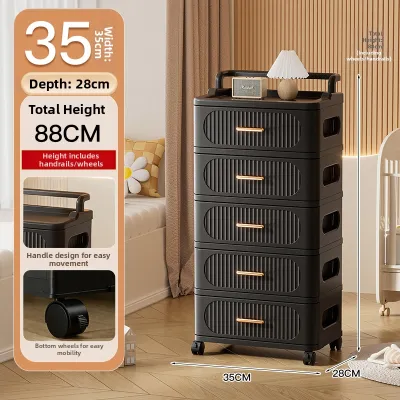
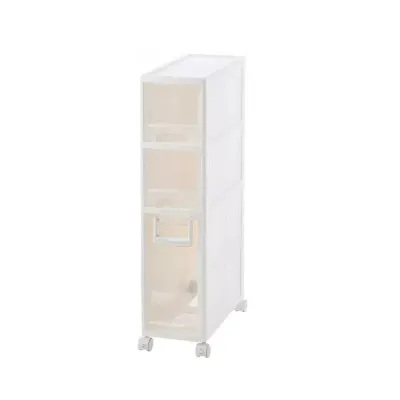



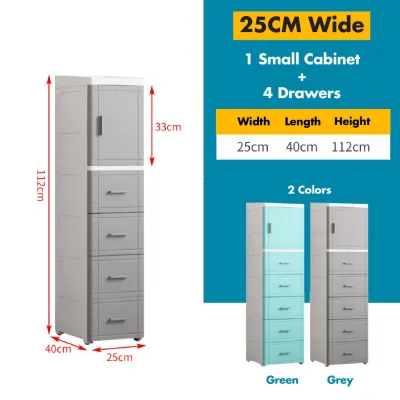
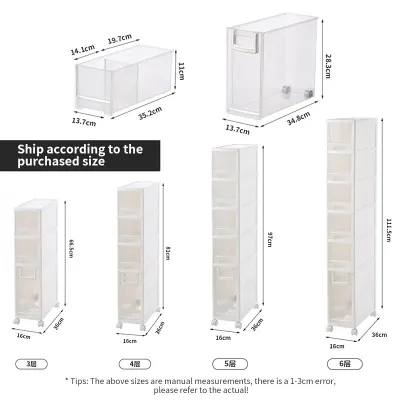
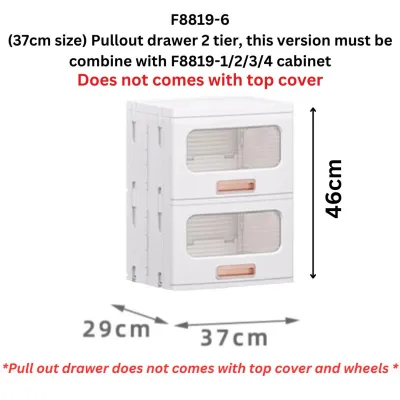
Prices are valid at publication and may change. Please refer to the product page for the latest price.
Mobility mechanisms dictate how easily you can access your stored items and how well your floors are protected. Brands typically offer either fixed directional wheels or multi-directional casters. Fixed wheels are designed for straight-line pulling, while multi-directional casters offer greater maneuverability in tight spaces. The wheel material is equally important; soft-rolling polyurethane or rubber wheels are highly recommended for delicate surfaces like vinyl or parquet flooring to prevent scratching. Hard plastic wheels, while common in budget-friendly options, are better suited for tiled floors or low-pile rugs where scratching is less of a concern.
Singapore’s tropical climate introduces unique challenges for furniture preservation, making material selection a primary evaluation criterion. High relative humidity can cause low-quality engineered woods to swell, warp, or develop mold over time. When comparing brands, look for those utilizing moisture-resistant materials, such as high-density plastics, treated metals, or solid hardwoods with protective sealants. If you prefer engineered wood options like MDF or particleboard, verify that the brand applies high-quality laminates and complete edge banding on all sides to seal out ambient moisture.
How to Measure Your Bed Space for Slim Drawers
Accurate measurements are the foundation of a successful under-bed storage setup, preventing the frustration of purchasing drawers that are too tall, too deep, or impossible to open. To begin, measure the vertical clearance of your bed frame. This measurement must be taken from the floor to the lowest point of the bed’s underside. Do not rely solely on the height of the side rails; check for center support legs, structural metal brackets, or sagging mattress slats that might reduce the actual clearance height. Additionally, account for any hanging bedding, such as duvets or bed skirts, which can get caught in the drawer mechanisms if clearance is too tight.

Next, calculate the usable depth and width beneath the bed. Measure the distance from the outer edge of the bed frame to any central support legs or obstacles. If your bed is positioned against a wall or flanked by bedside tables, you must factor in these spatial constraints. Ensure there is sufficient open floor space next to the bed to pull the drawer out to its full depth. For example, a drawer with a depth of 60 centimeters requires at least 65 centimeters of clear floor space beside the bed to operate comfortably without hitting walls or other furniture.
Finally, consider the impact of floor coverings on your measurements. Thick rugs or carpets can reduce the effective vertical clearance by lifting the drawer wheels or causing them to sink into the pile. If you plan to place a rug partially under the bed, measure the clearance from the top of the rug to the underside of the bed frame. This sinking effect also increases rolling resistance, meaning you may need to look for brands that offer larger, more robust wheels specifically designed to navigate carpeted surfaces without dragging.
Material and Build Quality Checks for Longevity
A thorough inspection of material and build quality is essential to ensure your slim drawer storage survives the physical demands of daily use. Begin by examining the surface treatments and edge banding of the units. High-quality brands apply edge banding to every exposed edge of engineered wood panels, which helps prevent moisture from penetrating the core material. Run your fingers along the edges to check for any lifting, sharp seams, or gaps. For plastic drawers, inspect the thickness of the walls; thin, flexible plastics are prone to bowing under weight, which can cause the drawer to jam or derail from its tracks.
The structural integrity of the drawer base and its joint connections determines how much weight the unit can safely hold. Under-bed drawers are often used for heavy items like books, winter clothing, or spare bed linens. Verify that the drawer bottom is thick and securely slotted into the side panels rather than simply stapled or glued to the bottom. Look for reinforced joints, such as dovetail construction in wooden drawers or metal corner brackets in flat-pack options. Handle attachments should also be robust, as pulling a fully loaded drawer requires significant force; handles that are screwed directly into solid material or reinforced backings are far more durable than those held by simple adhesive or thin plastic tabs.
Smooth operation depends entirely on the sliding tracks or caster wheels. If the drawer utilizes a track system, check that the runners are made of durable metal rather than thin plastic, and look for ball-bearing mechanisms that ensure quiet, effortless movement. For wheel-based drawers, test how the wheels distribute weight when the drawer is fully loaded. The wheels should rotate freely without binding or wobbling under load. If possible, test the drawer on a surface similar to your home flooring to observe how it tracks and whether it maintains its alignment when pulled from different angles.
Where to Source and Verify Reliable Furniture Brands
Finding the right slim drawer storage brand in Singapore involves utilizing a mix of physical and digital retail channels to verify product quality before making a purchase. Visiting physical furniture showrooms is highly recommended, as it allows you to interact with the products directly. In a showroom, you can physically pull the drawers, feel the weight of the materials, inspect the quality of the joints, and verify the actual dimensions with your own measuring tape. This hands-on evaluation is particularly useful for assessing how smoothly the wheels roll and whether the finishes match your existing bedroom decor.
For a broader selection, navigating official brand websites provides access to detailed technical specifications that may not be fully displayed in showrooms. Reliable brands often offer downloadable dimension diagrams, material specifications, and assembly manuals on their websites. Reviewing these documents beforehand allows you to verify the exact clearance requirements, weight capacities, and the complexity of the assembly process. It also helps you confirm whether the brand offers replacement parts, such as extra wheels or handles, which can extend the lifespan of your storage units.
When purchasing online, established ecommerce platforms and online marketplaces offer convenience and competitive S$ pricing, but they require careful navigation. To ensure you are buying from a reputable brand, filter search results for verified seller ratings and read customer reviews specifically focusing on delivery experiences and product durability. Pay close attention to the platform’s return policies, as returning bulky furniture items can be difficult and costly if the product arrives damaged or does not fit your space. Always cross-reference the dimensions listed on online marketplaces with the official brand website to avoid errors caused by third-party listing inaccuracies.
Frequently Asked Questions (FAQ)
Do slim under-bed drawers require assembly?
Yes, many slim under-bed drawers, especially those sourced from flat-pack furniture brands, require some level of self-assembly. These units typically arrive in flat boxes to minimize shipping costs and facilitate easier transport through narrow corridors and lifts. Pre-assembled options are available but are generally made of molded plastic or solid wood, which may limit customization. For flat-pack options, basic tools like a screwdriver or a rubber mallet are usually sufficient, though some brands include the necessary hex keys in the package. Always assemble the units on a clean, flat surface—such as a rug or cardboard packaging—to prevent scratching the panels, and carefully follow the manufacturer’s step-by-step instructions to ensure structural stability and proper alignment of the wheels or tracks.
How can I prevent dust from accumulating inside the drawers?
Preventing dust accumulation under the bed requires a combination of smart product selection and regular maintenance. Look for slim drawers that feature tight-fitting lids, enclosed frames, or integrated fabric covers that seal the storage compartment from the surrounding environment. If your drawers have open tops, you can use zippered fabric storage bins or vacuum-sealed bags inside the drawers to protect clothing and linens from airborne dust. Adding adhesive felt or silicone weather stripping along the edges of the drawer facade can also help seal any gaps when the drawer is pushed fully under the bed. Finally, establish a routine of vacuuming the floor beneath the bed and wiping down the exterior of the drawers with a damp cloth to minimize the overall dust load in the under-bed cavity.

Community discussion
Share your experience or ask a question. Comments are reviewed before publication.