
Finding the ideal multi-functional wood storage bench for a compact Singapore apartment requires a careful balance of spatial efficiency, material durability, and practical utility. In space-constrained layouts like Housing & Development Board (HDB) flats and modern condominiums, every piece of furniture must justify its footprint by serving multiple purposes. A well-chosen wood bench does exactly this, acting as comfortable seating, an entryway organizer, a dining banquette, and a hidden storage vault all at once.
However, selecting the right model is not simply a matter of finding an attractive design online. You must systematically evaluate how the bench fits into your daily routines, how its storage compartments open within your specific floor plan, and how its materials will withstand the local tropical climate. By focusing on precise measurements, structural integrity, and smart hardware, you can secure a piece that enhances your home’s flow without cluttering your living space.
Space Planning and Dimension Checks for Compact Layouts
Before browsing online marketplaces or visiting local showrooms, you must establish the exact physical boundaries of your intended space. Start by measuring the floor footprint where the wood bench will sit, keeping in mind that even a few centimeters of overhang can obstruct pathways. In narrow HDB entryways or tight living room corners, a clear walkway of at least 60 to 90 centimeters must be maintained in front of the bench to allow household members to pass comfortably without bumping into corners.
Products mentioned in this guide
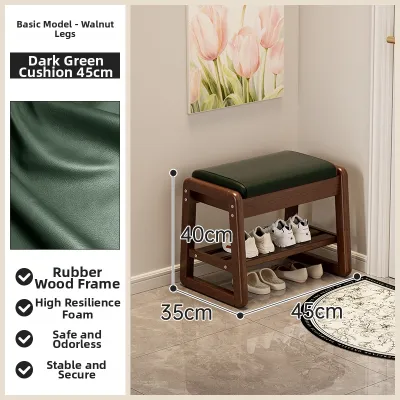
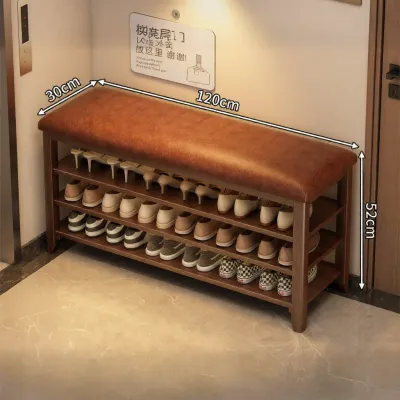
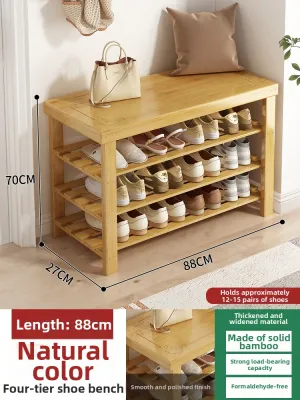
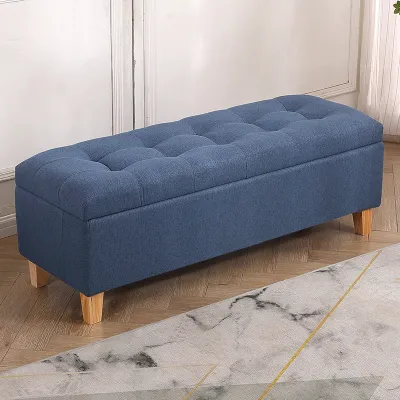
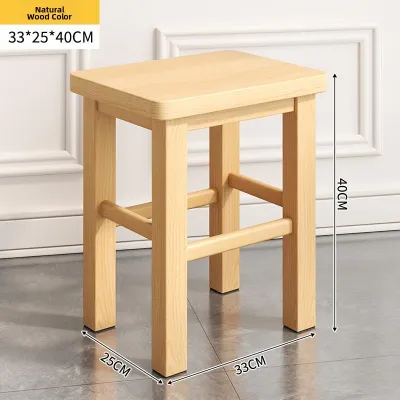
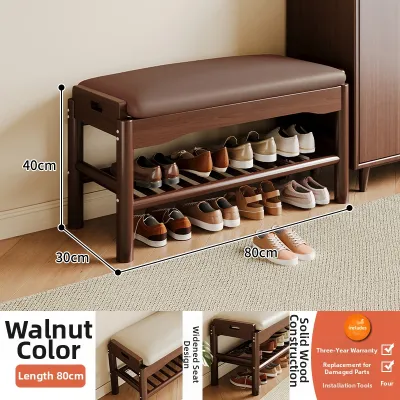
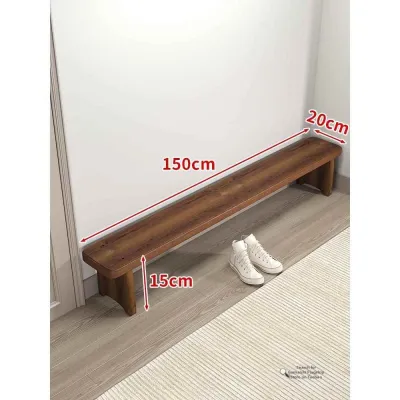
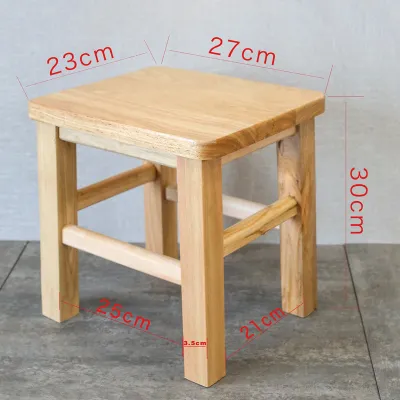
Prices are valid at publication and may change. Please refer to the product page for the latest price.
Next, account for the clearance required to operate the storage compartments. If you select a bench with a top-lift lid, ensure there is sufficient vertical clearance and that the wall behind the bench will not scratch when the lid is fully upright. For benches featuring pull-out drawers or front-opening cabinet doors, measure the extension distance. Drawers often require an additional 40 to 60 centimeters of clear floor space directly in front of the bench to open fully, which can easily block a narrow hallway or collide with an adjacent coffee table.
Delivery access is another critical factor that is frequently overlooked in high-rise urban living. You must measure the height, width, and diagonal clearance of your apartment’s main door frame, any narrow corridor turns, and the building’s elevator doors. If your condominium or HDB block has a compact lift, a long, fully assembled solid wood bench may not fit inside, forcing delivery teams to use the stairwell, which can incur extra handling fees or risk damage to the furniture. Always cross-reference the packaged dimensions of the product with these access points before finalizing your order.
Finally, verify how the bench’s seating dimensions align with your existing furniture if you plan to use it for dining or as an extension of your living room seating. Standard dining chairs typically have a seat height of 45 to 48 centimeters. If your wood bench is intended to double as a dining banquette, ensure its top surface matches this height range so that diners sit comfortably relative to the tabletop. If it will serve as an entryway shoe-changing station, a slightly lower seat height of 40 to 43 centimeters is often more ergonomic for bending down to tie laces.
Evaluating Storage Mechanisms and Multi-Functional Designs
The internal storage mechanism of your wood bench dictates how easily you can access your belongings and where the bench can be placed. Top-lift lids are highly traditional and offer an unobstructed view of the entire storage cavity, making them excellent for storing bulky, infrequently used items like seasonal bedding, extra cushions, or travel gear. However, because you must clear the seat surface before opening the lid, this design is less practical if you plan to place decorative cushions, throws, or daily-use items on top of the bench.

For high-traffic areas like entryways, front-opening drawers or open cubbies are generally much more convenient. Drawers allow you to organize smaller items like umbrellas, keys, dog leashes, and shoe-cleaning kits, pulling them out smoothly without disturbing anyone sitting on the bench. Open lower shelves or integrated shoe racks are particularly useful in Singapore homes, as they allow damp shoes to air out naturally after a sudden tropical downpour, preventing moisture and dirt from being tracked onto your living room floors.
Sliding doors offer an excellent middle ground for extremely tight spaces where drawer extension is restricted. Because the doors slide horizontally within the frame, they require zero external clearance to open, making them ideal for narrow corridors or behind dining tables. However, sliding mechanisms do limit your access to only one side of the storage compartment at a time, so you must organize your items accordingly.
Safety hardware is a paramount consideration, especially for top-lifting storage benches. Look for models equipped with high-quality hydraulic hinges, gas struts, or soft-close lid stays. These mechanisms control the descent of the heavy wooden lid, preventing it from slamming shut unexpectedly. This not only protects the structural integrity of the wood frame from repeated high-impact shocks but also serves as a crucial safety feature to prevent painful finger-pinching injuries for both adults and young children.
To maximize the utility of a single footprint, seek out multi-functional design adaptations that align with your lifestyle. Some wood benches feature modular configurations, such as removable padded seat cushions that can be swapped out or dry-cleaned, or integrated side tables that slide out to hold a cup of coffee. Others incorporate high backrests with built-in coat hooks or overhead shelving, turning a simple bench into a complete entryway hall tree that utilizes vertical wall space without consuming additional floor area.
Assessing Wood Materials, Finishes, and Structural Integrity
Understanding the differences in wood materials is essential for predicting how your storage bench will perform over years of daily use. When reading manufacturer specifications, distinguish carefully between solid wood, wood veneer, and engineered wood products like medium-density fiberboard (MDF) or particleboard. Solid hardwood options, such as teak, oak, or rubberwood, offer exceptional structural strength and longevity, though they generally carry a higher price tag and require periodic maintenance.
Engineered wood products are common in budget-friendly designs and can be highly stable, but they are more susceptible to moisture damage if the edges are not properly sealed. If you choose an engineered wood bench, verify that it features a high-quality laminate or wood veneer finish that completely seals the core material. In Singapore’s consistently humid tropical climate, unsealed engineered wood can absorb airborne moisture, leading to swelling, warping, and the degradation of structural adhesives over time.
To identify high-quality wood veneer, look closely at the edges and corners of the bench. A well-applied veneer will have seamless edges where the grain patterns meet naturally, without visible gaps, peeling, or glue lines. If you are inspecting a solid wood bench, check the end grain on the sides of the panels; the grain should run continuously through the thickness of the wood rather than stopping abruptly at the surface, which indicates a laminate or veneer imitation.
Examine the product descriptions for details regarding the protective surface treatments applied to the wood. A moisture-resistant polyurethane topcoat, a water-based lacquer, or a specialized outdoor-grade wood oil is highly desirable, particularly if the bench will be placed near a balcony, a window exposed to afternoon sun, or a damp entryway. These finishes act as a barrier against humidity, minor spills, and sweat, making the surface easy to wipe clean with a dry or slightly damp microfiber cloth.
Structural integrity also depends heavily on the joinery and hardware used to assemble the bench. High-quality wood furniture typically utilizes mortise-and-tenon joints, dowels, or heavy-duty metal-to-metal bolt connections rather than simple wood screws and glue. When inspecting a bench in a showroom, gently rock it from side to side to check for wobbling or creaking. If purchasing online, look for close-up product images of the underside and corner joints to ensure they are reinforced with corner blocks or sturdy metal brackets.
Safety, Weight Capacity, and Assembly Considerations
A storage bench must be structurally sound enough to support the weight of multiple seated adults while simultaneously holding heavy storage items inside. Always check the manufacturer’s official product specifications for the maximum static weight capacity of the seat. A reliable two-seater bench should generally support a minimum of 150 to 200 kilograms on its seating surface. Overloading a bench beyond its rated capacity can cause the seat panel to sag, weaken the joints, or cause the support legs to buckle over time.
The distribution of weight inside the storage compartment also affects the bench’s overall stability. To prevent the unit from becoming top-heavy or tipping forward when someone sits on the edge, place heavier items at the bottom of the storage cavity. If you select a tall, narrow bench design—such as an entryway hall tree with integrated coat hooks—it is highly recommended to secure the unit to the wall using anti-tip safety brackets, particularly if you have active pets or young children who might attempt to climb the frame.
Protecting your home’s flooring is another important safety and maintenance detail. Heavy wood benches can easily scratch parquet, laminate, or vinyl flooring when dragged or shifted during cleaning. Check if the bench comes with pre-installed floor protectors, or plan to apply heavy-duty felt pads or rubber caps to the bottom of the legs. This simple addition dampens noise, prevents unsightly floor gouges, and makes it easier to slide the bench slightly when cleaning behind it.
Consider the practicalities of assembly before making your purchase. Many online furniture retailers deliver items flat-packed to reduce shipping costs, requiring you to assemble the bench yourself. Review the product listing to see what tools are required, whether they are included in the package, and how many people are recommended for the build. Assembling a solid wood bench can be physically demanding and requires a clear floor area that is at least twice the size of the finished bench to lay out parts safely without scratching your home’s flooring. If you have limited space or lack basic tools, look for retailers that offer professional on-site assembly services.
Building Your Shortlist: Pre-Purchase Verification Checklist
To ensure you make a reliable investment, compile a shortlist of potential wood storage benches and run them through a strict pre-purchase verification process. Start by cross-referencing the dimensions listed on the retail page with the official manufacturer spec sheets or user manuals, as third-party listings can occasionally contain typographical errors. Double-check that your measured floor space and clearance zones accommodate these verified dimensions with at least a few centimeters of breathing room.
Next, carefully review the retailer’s return policies and warranty terms. A reputable furniture brand should offer a clear warranty covering structural defects, joint failures, or hardware malfunctions for at least one to twelve months. Be sure to understand who covers the cost of return shipping or exchange transport if the bench arrives damaged, warped, or with missing parts, as returning a heavy wooden furniture item can be logistically complex and expensive.
Finally, analyze customer reviews with a critical eye, looking past simple star ratings to find detailed feedback on long-term performance. Search the review text for specific keywords such as “hinge,” “warp,” “odor,” or “assembly.” Pay close attention to comments regarding whether the wood emitted a strong chemical smell upon unboxing, how easily the drawers slide under load, and whether the finish has held up against daily wear. This real-world feedback is invaluable for identifying potential design flaws that may not be apparent from polished marketing photographs.
Frequently Asked Questions (FAQ)
Can a wood storage bench be used as a primary dining seat?
Yes, a wood storage bench can serve as a space-saving dining seat, but you must verify its ergonomic suitability first. Standard dining chairs typically feature a supportive backrest and a seat depth of around 40 to 45 centimeters. Many storage benches lack backrests, which can cause fatigue during long meals, and their seats may be wider or deeper to accommodate storage, making it harder to sit upright comfortably. If you plan to use a bench for daily dining, choose a model with a firm, supportive seat cushion, check that its height aligns perfectly with your dining table, and ensure the manufacturer’s weight capacity and structural warranty cover frequent, heavy-use dining scenarios.
How do I prevent musty odors in the storage compartment?
Preventing musty odors in an enclosed wooden storage bench requires active moisture management, especially in humid climates. Always ensure that shoes, umbrellas, or linens are completely dry before placing them inside the storage compartment. You can place disposable moisture-absorbing canisters, silica gel packets, or activated charcoal bags inside the corners of the bench to capture excess humidity and neutralize odors. Additionally, look for benches designed with built-in ventilation features, such as slatted front panels, open back cutouts, or small ventilation grommets, and make a habit of leaving the storage lid or drawers open for a few hours during dry, sunny days to let the interior air out.

Community discussion
Share your experience or ask a question. Comments are reviewed before publication.