
Finding the perfect Italian-style dining chairs for your home in Singapore involves balancing iconic aesthetics with the practical realities of tropical living. Italian furniture design is celebrated globally for its marriage of sculptural beauty, premium materials, and ergonomic comfort. However, selecting the right pieces requires careful attention to apartment scale, humidity levels, and local sourcing logistics. This guide outlines how to evaluate different design movements, verify critical dimensions, choose climate-resilient materials, and navigate the purchasing process in Singapore.
Defining Your Italian Dining Chair Style and Space Requirements
Italian furniture design is not a single aesthetic but a rich spectrum spanning several distinct design movements. Classic Italian dining chairs often feature high backs, ornate timber carvings, and rich upholstery, making them ideal for formal, spacious dining rooms. Mid-century modern Italian designs, inspired by legendary mid-century architects, emphasize organic curves, tapered legs, and warm wood tones that bring a retro sophistication to contemporary spaces. Contemporary Italian style leans toward minimalist silhouettes, sleek metal frames, low profiles, and innovative molded materials that suit modern, open-plan apartments.
Before committing to a specific style, you must carefully assess your dining room’s physical layout. Singapore apartments, particularly newer condominiums and HDB flats, often feature integrated living and dining areas where space is at a premium. Measure your dining table’s length, width, and height, and map out the surrounding floor space. Allow a minimum clearance of 90 centimeters between the edge of the table and the nearest wall or furniture piece to ensure guests can pull out their chairs and sit down comfortably.
Products mentioned in this guide
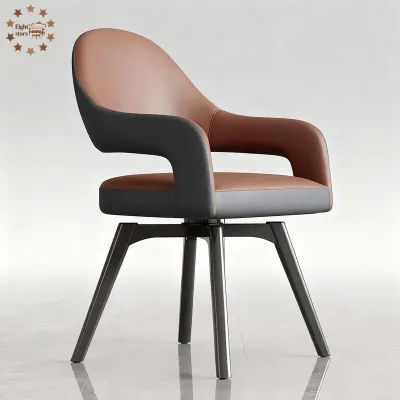
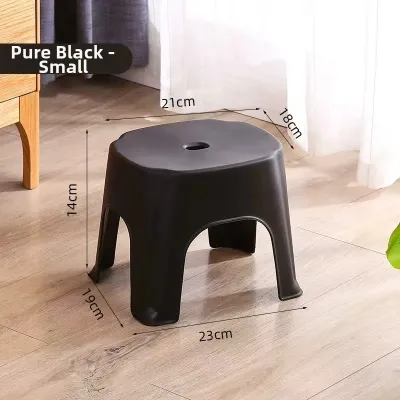
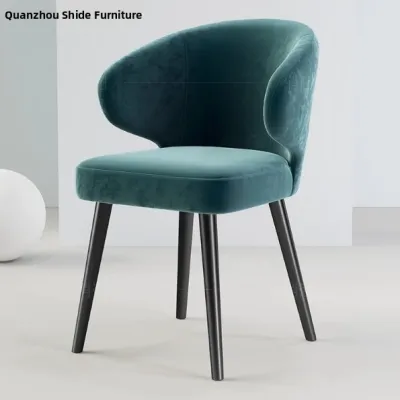
![[CozyNest ]Italian minimalist designer saddle leather dining chair modern and simple home chair ho and restaurant backrest chair](https://img.lazcdn.com/g/p/bd32a50f18578e5cbd2fac97faa8589f.jpg_400x400q80.jpg_.webp)
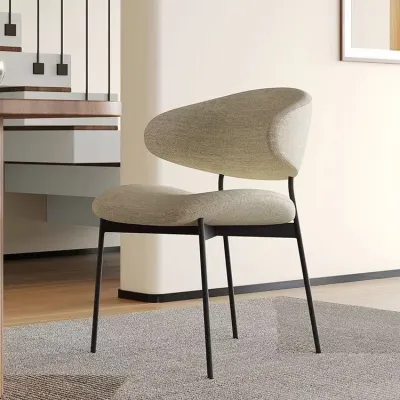
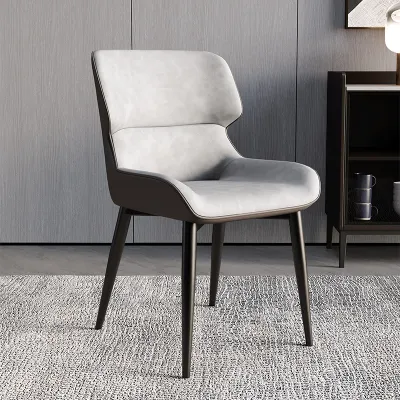
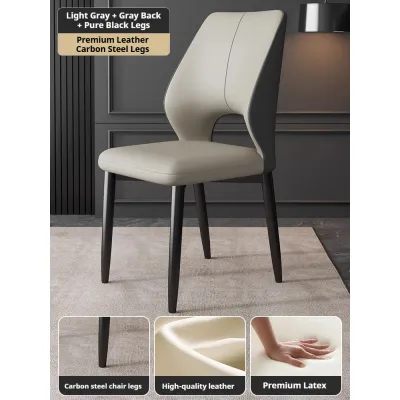
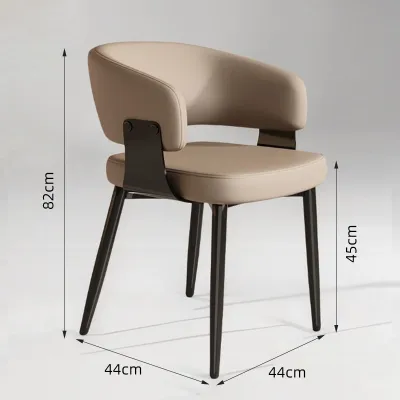
Prices are valid at publication and may change. Please refer to the product page for the latest price.
Visual weight is another crucial factor when matching chairs to your existing dining table. A heavy, fully upholstered high-back chair can visually overwhelm a compact dining area, making the room feel cramped. For smaller spaces, consider Italian-style chairs with slender metal legs, open backrests, or transparent polycarbonate frames that preserve sightlines and maintain an airy feel. Conversely, if you have a large, solid marble or timber dining table, substantial chairs with bolder profiles and thicker legs will provide the necessary visual balance.
Key Dimensions and Ergonomics to Check Before Buying
Ergonomics should always take precedence over pure aesthetics when selecting dining seating. The standard seat height for a dining chair is typically between 45 and 48 centimeters from the floor, which pairs naturally with standard dining tables that stand around 75 centimeters tall. When testing chairs, ensure your feet can rest flat on the floor while your knees bend at a comfortable 90-degree angle. The seat depth should support your thighs adequately without pressing uncomfortably against the back of your knees.

Backrest design significantly influences how long you and your guests will want to linger around the dinner table. Chairs with a slight backward recline and built-in lumbar support offer superior comfort for extended dinner parties. If you prefer low-back contemporary designs, verify that the backrest provides sufficient mid-back support. For those considering armchairs, measure the height of the armrests carefully to ensure they can slide fully underneath your dining table apron when the chairs are tucked in.
Structural integrity and weight capacity are vital indicators of a chair’s longevity. When visiting showrooms, inspect the joints where the legs meet the seat frame. High-quality Italian-style wooden chairs typically utilize mortise-and-tenon joinery or robust metal corner brackets rather than simple screws or glue. Gently rock the chair from side to side to check for any wobbling or flexing in the frame, which can indicate weak joints or poor construction quality.
Evaluating Materials and Upholstery for Singapore's Climate
Singapore’s year-round high humidity and warm temperatures require a strategic approach to material selection. Solid wood frames, such as ash, walnut, or oak, are classic choices for Italian-style furniture. However, you must verify with the retailer that the timber has been properly kiln-dried to prevent warping, cracking, or splitting when exposed to humidity fluctuations. Metal frames, particularly those made of steel or aluminum, should feature high-quality powder-coated or rust-resistant finishes to prevent corrosion over time.
Upholstery materials require equal scrutiny to ensure they remain comfortable and easy to maintain in a tropical climate. While genuine top-grain leather is a hallmark of premium Italian design, it requires regular conditioning to prevent mold growth in humid environments. If you opt for leather, ensure your dining area is well-ventilated or regularly air-conditioned. For a lower-maintenance alternative, high-performance synthetic fabrics or treated polyesters offer excellent breathability, spill resistance, and ease of cleaning.
Velvet and bouclé fabrics add luxurious texture to a dining space but can trap heat and prove challenging to clean after spills. If you love the look of textured fabrics, search for low-pile synthetic blends that are specifically rated for high durability and stain resistance. Always ask the retailer for the manufacturer’s care labels and cleaning codes to understand the exact maintenance steps required for your chosen upholstery.
Where to Source Italian-Style Dining Chairs in Singapore
Sourcing authentic Italian-style dining chairs in Singapore involves navigating several retail channels, each offering distinct advantages. High-end furniture enclaves, particularly around River Valley, Outram, and Bukit Timah, host flagship showrooms and authorized multi-brand design galleries. Visiting these physical showrooms is highly recommended, as it allows you to personally test the comfort, inspect the stitching quality, and view material swatches under natural light.
When purchasing, it is important to distinguish between authorized dealers and parallel importers. Authorized dealers work directly with Italian manufacturers, ensuring product authenticity, access to custom material options, and official manufacturer warranties. Parallel importers or online marketplaces may offer competitive pricing, but you must carefully verify their return policies, warranty terms, and after-sales support before making a commitment.
Because many premium Italian furniture pieces are made to order in Europe, you should prepare for significant lead times. Custom orders can take anywhere from 12 to 24 weeks to arrive in Singapore. When obtaining quotes, ensure the total price includes international shipping, local import duties (such as GST), customs clearance fees, and final home delivery and assembly. Confirm whether the delivery service includes bringing the items up to your apartment floor, especially if your building has restricted lift access.
Building Your Shortlist: A Pre-Purchase Checklist
To make a confident final decision, compile a structured comparison matrix of your top dining chair candidates. This checklist will help you weigh the practical and aesthetic aspects of each option before finalizing your purchase.
- Dimensional Fit: Verify that the seat height, armrest height, and overall width allow the chairs to fit neatly under your dining table with adequate legroom.
- Material Suitability: Confirm that the frame wood is kiln-dried or the metal is rust-resistant, and that the upholstery fabric is breathable and stain-resistant.
- Delivery Access: Measure your apartment's lift doors, interior cabin, main entrance doorway, and hallway corners to ensure fully assembled chairs can be delivered safely.
- Total Landed Cost: Calculate the complete price, including the base chair cost, customization surcharges, shipping, import taxes, and local delivery fees.
- Warranty and Support: Verify the duration and coverage of the warranty, and clarify the process for handling repairs or replacements in Singapore.
- Swatches and Samples: Request physical fabric or leather swatches to test against your home's lighting and existing color palette before placing a custom order.
Frequently Asked Questions (FAQ)
How do I protect leather Italian dining chairs from humidity?
To protect leather dining chairs in Singapore’s humid climate, keep them clean by dusting regularly with a dry, soft microfiber cloth to prevent dust buildup, which can attract moisture. Apply a high-quality leather conditioner every six months to maintain the leather’s natural moisture balance and prevent cracking. Ensure your dining room remains well-ventilated, and avoid placing leather chairs directly under air conditioning vents or in areas that receive intense, direct afternoon sunlight.
What is the ideal clearance between the chair seat and the dining table?
The ideal vertical clearance between the top of the dining chair seat and the underside of the dining table top is between 25 and 30 centimeters. This gap provides comfortable legroom for most adults while maintaining an ergonomic posture during meals. If your dining table features a thick decorative apron or a central pedestal support, measure from the lowest point of these structures to ensure your thighs will not press against the underside of the table.

Community discussion
Share your experience or ask a question. Comments are reviewed before publication.