
Finding the right 2-seater sofa bed for a compact Singapore home requires balancing daily seating comfort with overnight sleeping functionality. In space-constrained apartments like HDB flats and condominiums, every square centimetre counts, making multi-functional furniture a practical necessity. To make a worthwhile investment, you must evaluate how the piece fits your floor plan in both its closed and fully extended states, the durability of its mechanical parts, and how its materials hold up under local climate conditions.
Key Dimensions and Space Planning for Compact Layouts
Before browsing designs, you must establish the absolute maximum footprint your room can accommodate. Start by measuring the designated wall space where the sofa will sit, keeping in mind that a standard 2-seater sofa typically ranges from 140cm to 180cm in width. However, the critical measurement for a sofa bed is its fully extended length, which can stretch anywhere from 190cm to 230cm from the back wall. Mark this extended footprint on your floor using masking tape to visualize how much physical space remains for movement when the bed is in use.
You must also plan for adequate walking paths around the extended bed. Ideally, leave a clearance of at least 50cm to 60cm on the sides and foot of the bed so that you or your guests do not have to climb over the mattress to move around the room. This clearance is also essential for accessing nearby wardrobes, drawers, or balcony doors. If your living room layout includes a coffee table, a TV console, or side tables, ensure these items are lightweight or fitted with castors so they can be easily rolled out of the way when converting the sofa.
Products mentioned in this guide
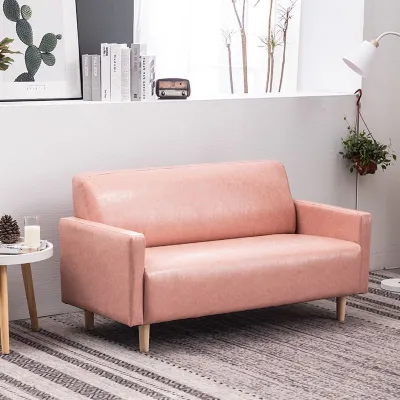
![[SG Seller] Twenty one ADAM FAUX LEATHER SOFA (3-SEATER / 2-SEATER / 1-SEATER AND WITH CHAISE)](https://img.lazcdn.com/g/p/8c9ee40a836016580b799ac0dd343bed.jpg_400x400q80.jpg_.webp)
Prices are valid at publication and may change. Please refer to the product page for the latest price.
Delivery access is another common bottleneck that homeowners overlook until the delivery truck arrives. Measure the height, width, and diagonal clearance of your apartment’s front door, as well as any narrow corridors or tight corners leading to the room. If you live in an older HDB estate or a high-rise condominium, check the dimensions of the service lift and the height of the lift entrance. Some fully assembled sofa beds with heavy metal frames cannot navigate tight stairwells or small lift cabins, making it necessary to choose modular designs that are assembled on-site.
Finally, evaluate the vertical clearance and wall proximity required by different mechanisms. Some fold-down designs require the sofa to be positioned several centimetres away from the wall to allow the backrest to swing downward. If you plan to place the sofa directly against a wall, look for “zero-clearance” or “wall-hugger” models that slide forward as they open, preventing damage to your wall paint or wallpaper. For vertical wall-bed hybrids, ensure your ceiling height is sufficient and that the wall structure can support the anchoring hardware safely.
Comparing Sofa Bed Mechanisms for Daily vs. Occasional Use
The choice of mechanism determines how easily the sofa converts into a bed and how comfortable it will be for its primary use. Pull-out and trundle mechanisms are highly popular for daily use because they often house a separate, dedicated mattress. In these designs, a metal or wooden frame rolls out from beneath the seat cushions, and the mattress is either pulled upward to align with the seat or unfolded over the frame. While these models offer a sleeping surface that closely mimics a traditional bed, they tend to be heavier and require more physical effort to operate.

Click-clack and futon styles offer a simpler, more lightweight alternative that works well for occasional guest use. These models operate on a hinge system where you lift the seat cushion until it clicks, allowing the backrest to fold down flat into a level platform. Because the seat and backrest cushions double as the sleeping surface, these designs are highly space-efficient and have fewer moving parts to maintain. However, the central hinge line can create a noticeable gap or hard ridge down the middle of the bed, which can compromise sleeping comfort during extended use.
For studio apartments or multi-purpose study rooms, fold-down foam and modular configurations provide excellent flexibility. These designs typically consist of high-density foam blocks wrapped in fabric that unfold directly onto the floor without any metal frame. They are incredibly easy to operate, lightweight enough to move between rooms, and carry zero risk of mechanical failure. The trade-off is that they sit directly on the floor, which limits under-bed airflow and can make getting up difficult for older adults or individuals with mobility issues.
When comparing these mechanisms, consider the physical strength required for daily operation. A heavy pull-out mechanism might become a chore if you need to convert it every night, whereas a smooth, spring-assisted or gas-strut mechanism can make the transition effortless. Always check the manufacturer’s specifications for the weight of the unit and the recommended operating steps to ensure it aligns with who will be using the bed most frequently.
Evaluating Mattress Quality and Seating Comfort
Achieving a balance between comfortable daytime seating and supportive nighttime sleeping is the ultimate test of a quality sofa bed. To evaluate the sleeping surface, look closely at the mattress specifications provided by the manufacturer. Foam mattresses should have a high-density rating to ensure they do not bottom out under body weight, while pocket spring mattresses offer superior contouring and motion isolation if two people are sharing the bed. Avoid thin, low-density foam mattresses that allow you to feel the metal support bars underneath.
Daytime ergonomics are equally important, as a sofa bed that is uncomfortable to sit on will quickly become a source of frustration. Test the seat depth, backrest height, and cushion firmness to ensure proper posture support. Many sofa beds have deeper seats than standard sofas to accommodate the folding mechanism, which can cause lower back discomfort if your feet cannot flatly reach the floor. Look for models that include supportive lumbar cushions or have a slightly angled backrest to encourage a relaxed, ergonomic sitting position.
The underlying support structure of the frame plays a critical role in preventing sagging over time. High-quality sofa beds utilize wooden slats, curved bended slats, or reinforced steel mesh decks to support the mattress weight. Check the spacing between the wooden slats; narrower gaps provide more consistent support and extend the lifespan of the mattress. Inspect the frame joints to ensure they are secured with heavy-duty bolts and corner blocks rather than simple staples or glue, which can loosen under the dynamic weight of sitting and sleeping.
Upholstery and Maintenance for Tropical Climates
Singapore’s warm, humid climate demands upholstery materials that are highly breathable, easy to clean, and resistant to moisture retention. Synthetic performance fabrics, such as polyester blends, microfibres, and specially treated stain-resistant textiles, are excellent choices for local homes. These materials allow air to circulate, preventing the sticky, uncomfortable feeling associated with sitting on non-breathable surfaces during hot afternoons. They are also highly durable and resist wear from daily friction.
Avoid genuine leather or low-grade bonded leather if your living space is not constantly air-conditioned. Genuine leather requires regular conditioning to prevent cracking in humid environments, while bonded leather can peel and deteriorate rapidly under tropical conditions. If you prefer the look of leather, high-quality synthetic alternatives like polyurethane (PU) leather can be considered, provided they are kept clean and dry. However, fabric remains the more breathable and comfortable option for most households.
Removable and washable covers are a major advantage for maintaining hygiene in a multi-functional space. Look for models where the entire cover, or at least the cushion covers, can be zipped off for machine washing or professional dry cleaning. If the upholstery is fixed, verify the manufacturer’s care instructions to see if the fabric can be spot-cleaned with water-based cleaners or if it requires specialized dry solvent treatments. Additionally, check that any metal components in the frame or mechanism have been treated with anti-rust coatings to prevent corrosion from ambient humidity.
Pre-Purchase Checklist and Delivery Considerations
Before finalizing your purchase, compile a checklist to verify all logistical and after-sales details. Start by reviewing the warranty terms provided by the retailer or manufacturer. A comprehensive warranty should cover not only the frame and fabric but also the mechanical folding parts, which experience the most physical stress. Understand the return policy as well, especially if you are purchasing online without testing the sofa bed in person.
Confirm the exact delivery terms, including assembly services and potential extra charges. In Singapore, many delivery services charge additional fees for carrying heavy items up staircases if the building lacks lift access or if the sofa does not fit inside the lift cabin. Ask if the delivery team will assemble the sofa bed in your designated room and dispose of your old furniture, as managing the disposal of a bulky sofa on your own can be challenging and may require coordination with your town council.
If you are shopping in a physical showroom, take the time to operate the mechanism yourself multiple times. Check for any squeaks, resistance, or misalignment when opening and closing the bed. If you are buying online, read customer reviews focusing on the ease of assembly, the actual firmness of the cushions, and how well the product matches the advertised dimensions. Verifying these details beforehand ensures your new 2-seater sofa bed will be a functional, comfortable, and long-lasting addition to your compact home.
Frequently Asked Questions (FAQ)
Can a standard 2-seater sofa bed comfortably sleep two adults?
Most standard 2-seater sofa beds unfold into a small double or queen-size sleeping surface, which typically measures between 120cm and 140cm in width. While this can accommodate two adults for occasional overnight stays, it may feel cramped for daily use, especially if either sleeper prefers more personal space. If dual sleeping is a primary, long-term requirement, consider measuring your space to see if a 2.5-seater or a model with a true queen-size pull-out mechanism can fit.
Do I need a special mattress topper for a sofa bed?
Adding a mattress topper can significantly improve the comfort of a firm or uneven sofa bed, but you must check the manufacturer’s guidelines before folding it inside the frame. Most folding mechanisms are designed with very tight tolerances and cannot close properly if a topper is left inside, which can damage the hinges or frame. It is usually best to select a lightweight topper made of memory foam or latex that can be rolled up and stored separately in a closet when the bed is not in use.

Community discussion
Share your experience or ask a question. Comments are reviewed before publication.