
When shopping for a zero healthcare massage chair in Singapore, navigating technical specifications, brand promises, and price points can be challenging. Finding the right balance between therapeutic relief, spatial compatibility, and long-term durability is essential for a sound investment. Zero Healthcare typically appeals to buyers prioritizing targeted therapeutic features, deep-tissue techniques, or specific value-to-feature ratios. The brand has built a reputation for offering robust mechanical performance without the extreme price premiums often associated with legacy wellness brands.
In contrast, legacy premium lifestyle brands in Singapore often focus on holistic wellness ecosystems, high-end aesthetics, and extensive showroom experiences. These premium options frequently integrate smart-home connectivity, advanced stress-tracking sensors, and designer exterior finishes meant to complement luxury home decor. Consequently, the ideal brand depends entirely on your primary goal: whether you require intensive, chronic pain relief, general relaxation, or a statement furniture piece that blends seamlessly into your living space.
Because a massage chair is a significant physical and financial commitment, final decisions must be based on in-person testing. Showroom trials allow you to experience the actual roller depth, track path, and upholstery comfort firsthand. Furthermore, you must verify current local warranty terms and service availability in Singapore, as long-term support is just as critical as the initial massage experience.
Products mentioned in this guide
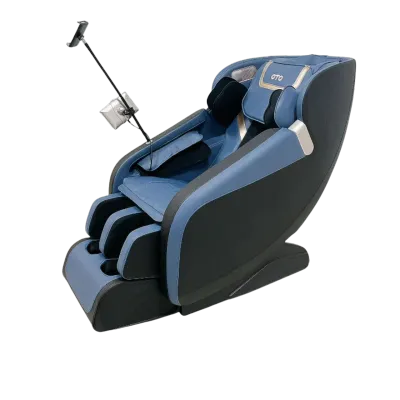
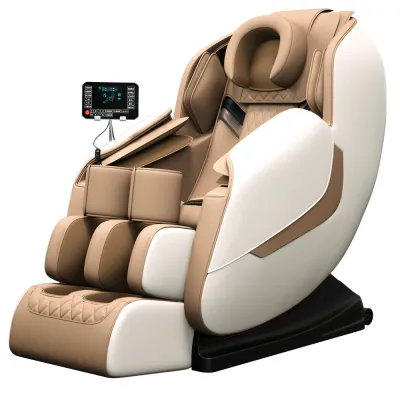
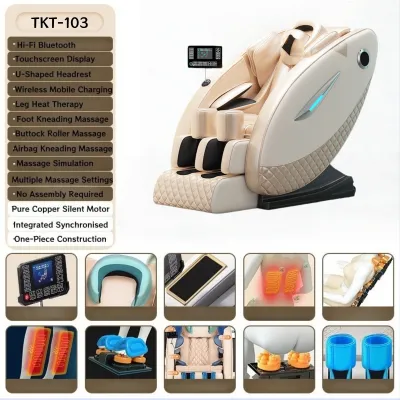
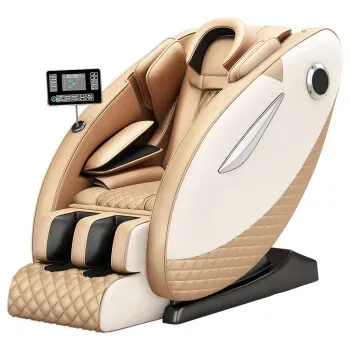
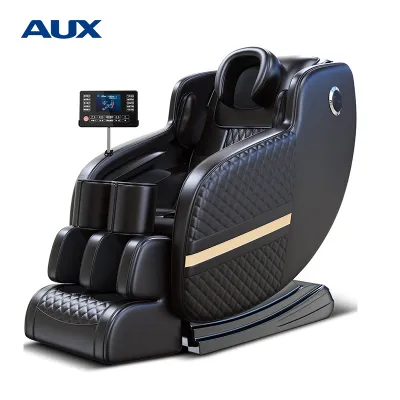
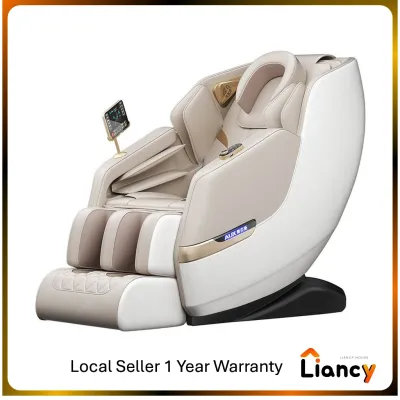
Prices are valid at publication and may change. Please refer to the product page for the latest price.
Quick Answer: How Does Zero Healthcare Stack Up?
Zero Healthcare positions itself as a practical, therapeutic-focused alternative in Singapore’s competitive wellness market. While legacy premium brands emphasize ambient lifestyle integration and holistic wellness technologies, Zero Healthcare centers its appeal on targeted mechanical relief, robust deep-tissue programs, and competitive pricing. This makes the brand highly attractive to buyers who prioritize functional, chiropractic-inspired massage mechanics over high-end designer aesthetics or smart-home ecosystems.
However, the term “best” is entirely conditional on individual household needs. A buyer living in a compact HDB flat with strict spatial limitations will have different priorities than someone looking for a luxury statement piece for a spacious condominium. To make a secure investment, you must evaluate how each brand aligns with your physical space, budget, and specific physical therapy needs. In-person testing at local showrooms remains the most reliable method to verify the actual massage intensity and build quality before purchasing.
4 Core Dimensions to Compare Massage Chair Brands
To make an informed comparison between Zero Healthcare and other options in Singapore, you must look past marketing buzzwords. Evaluating a massage chair requires a structured look at the physical and mechanical specifications that govern daily use. By focusing on four main pillars—technology, build quality, spatial efficiency, and after-sales support—you can objectively assess which brand delivers the best long-term value.

Massage Technology and Track Systems
The core of any massage chair is its mechanical track and roller system, which determines the path and depth of the physical massage. When comparing brands, pay close attention to the differences between L-track and SL-track systems. An S-track matches the natural curvature of the human spine, focusing primarily on the neck down to the lower back. An L-track extends this path further, curving under the seat to reach the glutes and upper hamstrings. The SL-track combines these two technologies, offering both spinal contouring and an extended reach that is highly beneficial for lower-body relief.
Equally important is the roller technology, categorized as 2D, 3D, or 4D. Standard 2D rollers move vertically and horizontally on a flat plane. 3D rollers introduce depth, protruding outward to adjust the intensity of the massage and target deeper muscle layers. Advanced 4D rollers add real-time speed variations and rhythmic changes, attempting to mimic the hand movements of a professional masseuse. When evaluating a massage chair, always check the specific track length in centimeters and the maximum roller protrusion specifications with the manufacturer. These physical measurements dictate whether the chair can effectively accommodate your height and deliver the depth of pressure you require.
Build Quality and Upholstery Durability
The longevity of a massage chair depends heavily on its internal structural materials and external upholstery. High-quality models feature reinforced steel frames and robust internal drive motors, whereas budget-friendly alternatives may rely more on plastic gears and lighter-weight frames. Always verify the manufacturer’s specified maximum user weight capacity, as this is a direct indicator of the frame’s structural limits and motor durability under load.
Upholstery is another critical factor, particularly in Singapore’s hot and humid tropical climate. Most massage chairs utilize synthetic leathers such as Polyurethane (PU) or Polyvinyl Chloride (PVC) because of their flexibility and ease of cleaning. However, high relative humidity can accelerate hydrolysis—the chemical breakdown of polyurethane—leading to peeling, flaking, and cracking over time. When visiting showrooms, inspect the finish quality, the strength of the stitching, and the accessibility of zippers for future upholstery maintenance or replacement. Ask sales representatives for care instructions and verify if the synthetic leather has been treated with hydrolysis-resistant coatings to withstand local environmental conditions.
Space Efficiency and Wall-Clearance Requirements
For many homeowners in Singapore, particularly those living in HDB flats or compact condominium units, floor space is at a premium. A massive massage chair can easily overwhelm a room or block key walkways. This is where “wall-hugging” or “space-saving” technology becomes essential. Chairs equipped with this feature slide forward on their base track as they recline, requiring only a few centimeters of clearance from the wall behind them.
When comparing brands, you must evaluate both the upright footprint and the fully reclined footprint. A chair that looks compact in a spacious showroom can feel incredibly imposing once fully reclined in a small bedroom or living room. Measure your designated space carefully and check the manufacturer’s exact wall-clearance specifications. Comparing these dimensions across brands will help you determine if a particular model can function comfortably in your home without disrupting your daily living space or blocking access to doors and cabinets.
Local Warranty and After-Sales Support
A massage chair is a complex electro-mechanical appliance, making local warranty coverage and after-sales support a vital part of the purchase decision. Standard manufacturer warranties typically cover a set period, but the depth of this coverage varies significantly. You must verify what is actually included: does the warranty cover both parts and labor, or does it transition to parts-only coverage after the first year? Ask whether the brand provides on-site servicing where a technician visits your home, or if you are expected to bear transport and handling fees for repairs.
The strength of a brand’s local service network in Singapore is a major differentiator. Established brands with local service centers and stocked replacement parts can resolve issues much faster than newer or imported brands that may require shipping components from overseas. Before committing to a purchase, research customer experiences regarding response times, troubleshooting support, and the availability of out-of-warranty repair services. A robust local support system ensures your investment remains functional for years to come.
Understanding the Zero Healthcare Massage Chair Market Positioning
Zero Healthcare has carved out a distinct niche in the Singapore market by focusing heavily on chiropractic-inspired techniques and targeted muscle relief. Their product development often prioritizes the physical mechanics of spinal alignment, deep-tissue kneading, and targeted acupressure. This positioning appeals directly to users who view a massage chair as a therapeutic tool for managing chronic muscle tension, lower back stiffness, or physical fatigue, rather than simply an item of luxury furniture.
The brand’s design philosophy typically emphasizes functional ergonomics. Their models often feature adjustable roller depths, specialized stretch programs, and targeted air compression systems designed to stabilize the body during mechanical massage sequences. By focusing on these core mechanical benefits, Zero Healthcare aims to deliver high-performance therapeutic features at a more accessible value-to-feature ratio compared to high-end lifestyle brands.
However, because product lines, internal technologies, and design aesthetics evolve, buyers should always review the specific feature sets of active models. Do not rely solely on general brand reputations; instead, look at the exact specifications of the model you are considering. It is also wise to verify the availability of local trial periods, return policies, and the locations of physical showrooms in Singapore. Testing the chair in person is the only way to confirm if its specific therapeutic programs and mechanical intensity align with your physical comfort levels and personal wellness goals.
How to Evaluate Competing Brands in Singapore
When navigating the local massage chair market, it is helpful to categorize the available brands into three distinct tiers. The first tier consists of premium lifestyle and wellness brands. These industry giants focus on holistic wellness ecosystems, integrating features like ambient soundscapes, advanced heat therapy, stress-tracking sensors, and sleek, award-winning designs that blend seamlessly into high-end interiors. Their showrooms are designed to offer an immersive, luxury experience, though this comes with a premium price tag.
The second tier comprises specialized therapeutic brands, which is where Zero Healthcare, along with competitors like Oto and Gintell, generally resides. These brands focus primarily on the mechanical efficiency of the massage, offering deep-tissue techniques, chiropractic stretches, and robust roller systems. They aim to provide comparable therapeutic benefits to the premium tier but often with fewer lifestyle embellishments, resulting in a more competitive price point. The third tier includes budget-friendly online options found on various e-commerce platforms. While these chairs are highly affordable, they often feature basic vibration or simple kneading mechanics, lighter frames, and minimal local after-sales support.
When evaluating these options, be cautious of purchasing from unauthorized online marketplace sellers or grey-market importers. While the upfront price may seem attractive, these purchases often void local warranties, leaving you without access to official spare parts or qualified technicians if the chair malfunctions. To make a secure investment, create a shortlist of models from authorized local distributors and test them side-by-side in physical showrooms. This direct comparison is the most reliable way to evaluate build quality, mechanical feel, and overall comfort.
Decision Framework: Which Brand Fits Your Needs?
To finalize your decision, align your personal priorities, budget, and home environment with the strengths of each brand tier.
Choose Zero Healthcare if:
- Your primary goal is targeted deep-tissue massage, chronic muscle relief, or chiropractic-inspired spinal stretching.
- You prioritize mechanical performance, roller depth, and specific ergonomic adjustments over luxury lifestyle aesthetics or smart-home ecosystems.
- You are looking for a high value-to-feature ratio and want advanced massage mechanics without paying a premium for designer branding.
Choose a Premium Lifestyle Brand if:
- You want a massage chair that doubles as a high-end statement furniture piece with premium finishes designed to match modern home decor.
- You value a holistic wellness experience that includes advanced features like stress-sensing technology, integrated air purifiers, or synchronized ambient lighting.
- You prefer a highly polished showroom buying experience and are comfortable paying a premium for extensive brand heritage and comprehensive customer service networks.
Choose a Budget/Online Brand if:
- You only require basic vibration, simple kneading, or light relaxation features for occasional, short-term use.
- You have a strict budget constraint and are willing to accept simpler mechanics and a lighter physical build.
- You are comfortable with the risks associated with limited local after-sales support, shorter warranty periods, or self-service troubleshooting.
Verify First if:
- You have strict spatial limitations, such as narrow HDB doorways, tight corridors, or small elevator cabins that require specific shipping or unboxed dimensions for delivery.
- You have underlying medical conditions, such as severe osteoporosis, spinal disc herniation, recent surgeries, or cardiovascular concerns. Always consult a qualified healthcare professional before using any mechanical massage device if you have health concerns.
- You require guaranteed on-site servicing within a specific timeframe or need explicit confirmation of local spare parts availability for the model you choose.
Pre-Purchase Checklist for Singapore Homes
Before finalizing your purchase and scheduling delivery, complete this practical checklist to ensure a smooth installation and protect your home environment:
- Access and Delivery: Measure the exact width of your main entrance door, internal bedroom doors, corridor corners, and elevator cabin doors. Compare these measurements against the chair's boxed and unboxed dimensions. Ensure the delivery team has a clear, unobstructed path to navigate the chair into your designated room without damaging walls or the appliance itself.
- Flooring and Weight: High-quality massage chairs are heavy, often weighing between 80kg and 120kg or more. Check your flooring type; materials like soft vinyl, laminate, or natural parquet can easily sustain permanent indentations under concentrated weight. Place a heavy-duty, non-slip protective mat beneath the chair's base to distribute the load evenly and prevent scratches or scuffs during operation.
- Power and Placement: Ensure the designated spot has direct access to a grounded 3-pin power outlet (standard 230V, 50Hz in Singapore). Avoid relying on multi-way extension cords or adapters, which can pose tripping hazards and potential electrical risks for high-draw household appliances.
- Environment: Position the chair away from direct sunlight, which can fade and dry out synthetic upholstery over time. Additionally, avoid placing the chair directly underneath or adjacent to air-conditioning vents, as constant exposure to cold, dry air can cause synthetic leather materials to lose their flexibility, leading to premature cracking and peeling.
Community discussion
Share your experience or ask a question. Comments are reviewed before publication.