
Evaluating a Youlansen massage chair requires looking past marketing buzzwords to analyze the physical specifications, roller mechanics, and spatial requirements of each model. Because individual comfort and home layouts vary significantly, matching the chair’s track design, airbag configuration, and physical dimensions to your personal needs is the most reliable way to ensure a successful purchase. By focusing on verifiable technical details rather than generalized performance claims, you can determine if a specific model fits both your body and your living space.
Decoding the Massage Track and Roller System
The foundation of any massage chair is its internal track, which guides the rollers along your back. When reviewing Youlansen specifications, you will typically encounter S-track, L-track, or SL-track designs. An S-track follows the natural curve of your spine from the neck to the lower back, while an L-track extends further down past the lower back to reach the glutes and upper thighs. An SL-track combines these two approaches, offering both the spinal contouring of the S-track and the extended reach of the L-track.
Beyond the track shape, the roller mechanism determines how the massage actually feels. Standard 2D rollers move vertically and horizontally, whereas 3D rollers add depth adjustments, allowing the massage heads to push forward into your muscles for a deeper tissue sensation. Some models list 4D rollers, which introduce variable speed patterns to simulate a more dynamic massage rhythm. To find your preferred intensity, check if the specification sheet allows manual adjustments to the roller depth and width.
Products mentioned in this guide

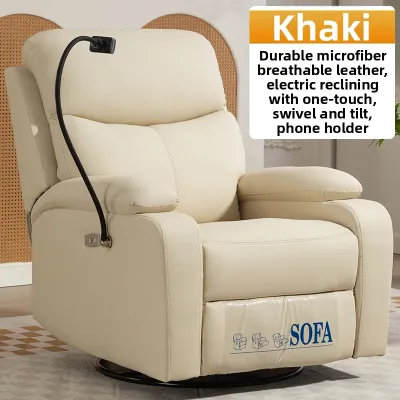
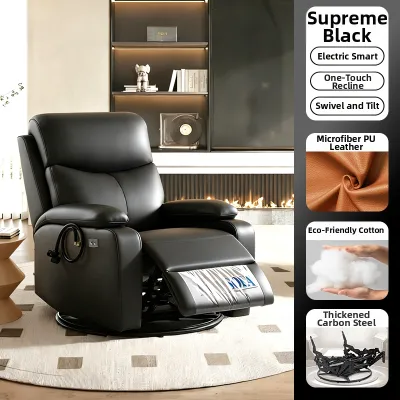
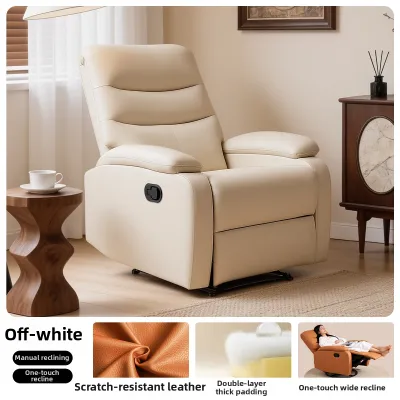
Prices are valid at publication and may change. Please refer to the product page for the latest price.
Before finalizing a choice, always verify the physical limits listed on the product label. Every model has a designated maximum weight capacity and recommended user height range. Ensuring your measurements fall well within these limits is crucial for safety, proper alignment with the roller path, and allowing the leg rest to extend fully without straining the motor.
Assessing Airbag, Heat, and Recline Specifications
Airbags provide compression massage to areas that rollers cannot easily reach, such as the shoulders, arms, calves, and feet. Rather than assuming a chair offers full-body coverage, examine the technical specifications to confirm the exact number and location of the airbag chambers. Look for models that offer independent pressure level adjustments, allowing you to customize the compression intensity for different parts of your body.

Heating elements are another common feature, but their placement and control options vary. Check the product manual or spec sheet to see if the heat is concentrated solely in the lumbar region or if it extends to the calves and footrest. It is also wise to verify whether the heating function has independent on/off controls and adjustable temperature settings, rather than operating at a single pre-set level.
Recline mechanics, particularly zero-gravity positioning, play a major role in spinal pressure relief. This feature reclines the chair to elevate your knees slightly above your heart, distributing your body weight more evenly. When evaluating these specifications, note the maximum recline angle and check how the movement affects the overall footprint of the chair in your room.
Space, Clearance, and Delivery Requirements
Massage chairs are substantial pieces of furniture that require careful spatial planning, especially in typical Singapore apartments where floor space is at a premium. Many modern chairs feature “wall-hugging” technology, which slides the chair forward as it reclines to minimize the required clearance behind it. Always check the manufacturer’s specified minimum wall clearance distance to ensure you do not accidentally damage your walls or the chair’s motor during operation.
Equally important are the delivery and access dimensions. You must compare the chair’s fully assembled width, as well as its packaged box dimensions, against the narrowest points of your entry route. Measure your apartment’s main doorway, internal hallways, and elevator doors to confirm the delivery team can safely transport the unit into your designated room.
Finally, review the electrical label on the back of the chair to understand its power requirements. Distinguish between the rated wattage, which represents standard operating consumption, and the peak wattage used during full recline and maximum airbag inflation. Ensure the voltage matches standard household outlets and that you have a dedicated, grounded power socket nearby to avoid using unsafe extension cords.
Verifying Warranties, Materials, and Maintenance
A massage chair is a long-term investment, making the warranty terms a critical part of your evaluation. Carefully read the warranty documentation to distinguish between the coverage periods for different components. The structural frame and core motor often carry longer warranties, while electronic control boards, wiring, and synthetic leather upholstery may have shorter coverage windows.
The durability of the outer material depends heavily on proper maintenance and your home environment. Most massage chairs utilize specialized synthetic leather, such as polyurethane (PU), which is designed to withstand the constant friction of the rollers. Check the manufacturer’s care instructions to see if the material requires specific non-alcohol cleaners, and regularly inspect high-wear areas like the shoulder and foot zones for any early signs of peeling or cracking.
Lastly, clarify the service terms before making your purchase. Confirm whether the warranty includes on-site technician visits for repairs, or if you are expected to arrange transport for a return-to-base service. Be aware that standard consumer warranties typically exclude coverage if the chair is used in commercial settings, such as offices or wellness salons.
Frequently Asked Questions (FAQ)
Do higher roller dimensions always mean a better massage?
Higher roller dimensions, such as 4D over 3D, indicate that the mechanism has more axes of movement and speed variations, but they do not automatically guarantee a more comfortable experience. Because pain tolerance and massage preferences are highly subjective, a highly intense 4D massage might feel too aggressive for some users. It is always best to check if the chair allows you to manually adjust the intensity and speed settings to match your comfort level.
How do I know if the chair will fit through my door?
To ensure the chair fits, measure the exact width of your narrowest doorway, hallway, and elevator entrance, then compare these figures against the manufacturer’s minimum clearance specifications. Many brands list both the fully assembled width and the minimum door width required for delivery. If these dimensions are close or unclear, stop and consult the seller or delivery provider to ask if the side panels of the chair can be temporarily detached for transit.

Community discussion
Share your experience or ask a question. Comments are reviewed before publication.