
Choosing between a wooden vs metal rack for modular shelving in a Housing & Development Board (HDB) flat depends on where the unit will stand, what it will hold, and the specific microclimate of that room. While metal racks generally excel in high-load and high-humidity areas like household shelters, service yards, and kitchens, wooden racks offer visual warmth and suit specific interior themes like Scandinavian or Muji designs. HDB flats often feature compact layouts, narrow corridors, and multi-functional spaces that require careful planning of the spatial footprint. To make an informed decision, homeowners must evaluate key factors: visual weight, physical footprint, load requirements, and long-term maintenance in Singapore’s tropical climate.
Before purchasing any modular shelving system, it is essential to measure the available space, including the height of doorways and lift access, to ensure the components can be delivered and assembled without obstruction. A modular rack’s success relies on how well it fits into the daily flow of the household, balancing storage capacity with comfortable clearance for movement.
Aesthetics and Visual Space Efficiency
The visual weight of a shelving unit significantly influences how spacious an HDB room feels. Metal modular racks often feature slim, open-frame profiles that allow light to pass through easily. This airy quality is particularly beneficial in narrow corridors, entryways, or small study rooms where a bulky piece of furniture would make the space feel cramped. By keeping the sightlines open, metal frames help maintain a sense of room brightness, especially in flats with limited natural light.
Products mentioned in this guide
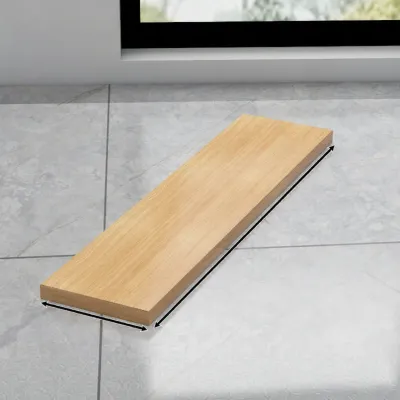
9 Lazada user ratings
The board is all solid pine, and the custom size is super precise. The seller is really great!
The wood is all solid pine, and the custom dimensions are really precise. The seller is great!
Design:Eye-catching, Safety:Meets safety standards, 🎨 Design:Custom made option,
Took many weeks, box smashed screws everywhere, but board intact
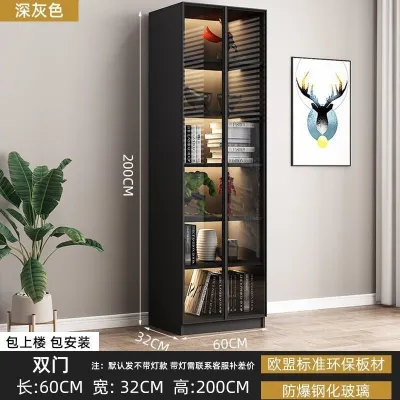
1 Lazada user ratings
There’s a lot paint drop off and I need to buy a pen to colour it and with this price I think it can come at a much better quality..
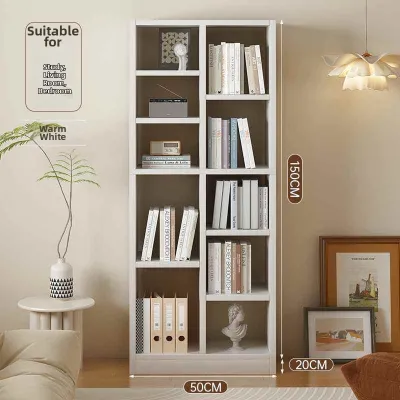
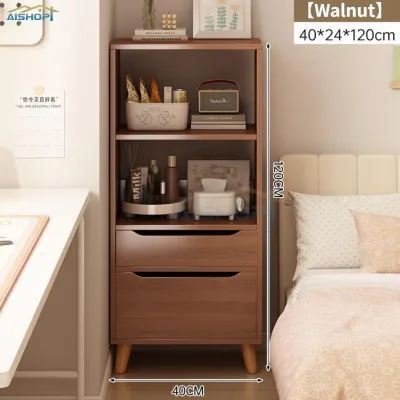
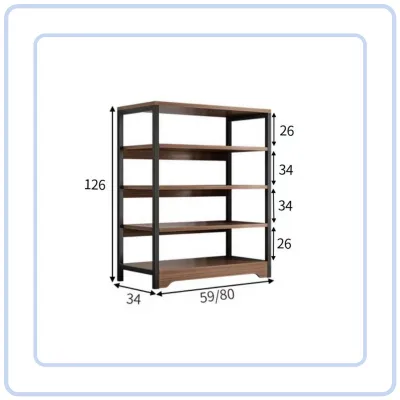
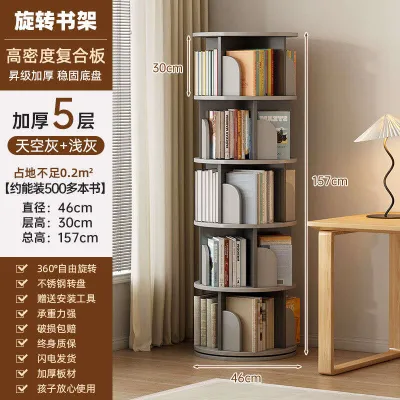
8 Lazada user ratings
The bookshelf looks great when put together!! It can store books in half a cabinet without taking up space by the sofa, making it easy to pi…Read full reviewShow less
The bookshelf looks great when put together!! It can store books in half a cabinet without taking up space by the sofa, making it easy to pick up!!
Prices are valid at publication and may change. Please refer to the product page for the latest price.
Conversely, wooden racks present a more solid, grounding presence. The thicker panels and opaque side supports of wooden shelving can make a room feel cozy and structured, but they also occupy more visual space. In a spacious living room, a wooden rack serves as an attractive focal point, adding texture and organic character. However, in a tight corner, a solid wood unit might block light and make the area feel smaller than it actually is.
To optimize brightness, consider the color and finish of the materials. Light-colored wood finishes, such as rubberwood, beech, or light oak, reflect light better than dark walnut or mahogany. Similarly, powder-coated white or light grey metal frames bounce light around a room, whereas matte black metal frames absorb light, creating a bold, industrial statement that requires careful placement.
Material finishes also dictate compatibility with common interior styles. Wooden racks are natural fits for Scandinavian, Muji, and Japandi themes, which prioritize organic materials and warm, neutral tones. Metal racks, particularly those with black, chrome, or galvanized steel finishes, align seamlessly with industrial, modern minimalist, or high-tech aesthetics. For transitional spaces, some modular systems combine metal uprights with wooden shelves, offering a balanced compromise that bridges different design styles.
Practicality, Durability, and Local Climate
Singapore’s high relative humidity and warm temperatures require careful consideration of material durability. A material’s name alone—whether “solid oak” or “heavy-duty steel”—does not guarantee long-term performance. Homeowners must inspect the specific finish, joint construction, and care guidelines provided by the manufacturer to ensure the rack can withstand the local environment.

For wooden racks, humidity is the primary concern. Unprotected wood can absorb moisture from the air, leading to warping, swelling, or mold growth. When selecting a wooden modular system, check if the wood has been treated with a moisture-resistant sealant, such as a polyurethane lacquer or water-resistant oil. Engineered woods like MDF or particleboard are particularly susceptible to moisture damage if the protective laminate or veneer is chipped or compromised. Regularly inspect the joints and edges for signs of swelling, especially if the rack is placed near a window or an air-conditioning unit where temperature fluctuations occur.
For metal racks, rust resistance is the critical factor to verify. Untreated steel will corrode quickly in humid environments like service yards or kitchens. Look for metal shelving with durable powder-coated finishes, epoxy coatings, or stainless steel construction. Homeowners should check the manufacturer’s specifications for rust-resistance ratings or outdoor suitability, even when using the racks indoors in high-moisture zones.
Surface maintenance routines differ significantly between the two materials. Wooden shelves require gentle care; spills must be wiped up immediately to prevent water rings or stains, and cleaning should be done with a dry or slightly damp microfiber cloth. Avoid harsh chemical cleaners that can strip the protective finish. Metal shelves are generally more resilient to spills and can be cleaned with mild soapy water, but they are prone to scratches. If a powder-coated metal surface is deeply scratched, the exposed metal underneath can begin to rust, so these areas should be monitored and touched up if necessary.
The ease of reconfiguring a modular system is another practical consideration. Wooden modular racks often rely on pre-drilled holes, wooden dowels, pegs, or metal screws. Adjusting the shelf heights may require a screwdriver or hex key, making the process slightly more time-consuming. Metal modular systems, particularly boltless designs, utilize clips, slots, or rivet-and-keyway systems. These allow shelves to be repositioned rapidly without tools, offering greater flexibility as storage needs change over time.
Load Capacity and Structural Stability
Never assume a rack’s weight capacity based solely on its material composition. A thick wooden shelf can sag under a heavy load if the span is too wide without central support, while a thin-gauge metal shelf can buckle under concentrated weight. Always check the manufacturer’s official load rating label, which specifies the maximum weight capacity per shelf and the total weight limit for the entire assembled unit.
When planning storage, match the material strength to the intended items. Heavy kitchen appliances, microwave ovens, toolboxes, and bulk pantry items are best suited for high-capacity metal shelving with reinforced under-shelf support bars. Lightweight decorative items, photo frames, folded clothing, and standard paperbacks are ideal for wooden shelving. If you are building a home library, ensure the wooden shelves are thick enough (typically at least 18mm to 25mm) and have a limited span to prevent bowing under the weight of dense book collections.
Structural stability is paramount for safety, especially for tall modular units. Any shelving unit exceeding 1.5 metres in height poses a tipping risk if loaded unevenly or subjected to accidental bumps. Homeowners should check the manufacturer’s instructions for wall-anchoring requirements. Many modular systems include anti-tip kits or wall brackets. When installing these, verify the wall type in your HDB flat; structural concrete walls require different masonry plugs and drill bits compared to non-structural drywall or partition walls.
Floor protection is another critical detail often overlooked during installation. Metal uprights can easily scratch or dent vinyl, laminate, or parquet flooring under heavy loads. Ensure the metal rack includes rubber or plastic end caps on the feet. For wooden racks, felt pads can be applied to the base to prevent scratching when moving the unit during cleaning or rearranging.
Decision Framework: Choosing the Right Rack for Your Home
To finalize your choice, evaluate your specific HDB space, storage needs, and aesthetic preferences against this practical framework.
Choose wooden racks if:
- Your primary goal is to create a warm, inviting atmosphere in living rooms, bedrooms, or study areas.
- The room has a consistent Scandinavian, Muji, or traditional design theme with existing wood-tone furniture.
- You plan to store moderate-weight items such as books, decorative pieces, folded linens, or lightweight storage boxes.
- The room is well-ventilated, air-conditioned, or consistently dry, minimizing the risk of moisture-related warping.
Choose metal racks if:
- You need to maximize storage capacity for heavy items in a household shelter, service yard, or kitchen.
- The environment is prone to high humidity, steam, or occasional water exposure, requiring rust-resistant finishes.
- You prefer a minimalist visual footprint with slim, open frames that maximize light flow in tight spaces.
- You want a highly adaptable, boltless system that can be reconfigured quickly without tools.
Verify first if:
- You plan to mix materials, ensuring the metal finishes (like matte black or white) complement the wood tones.
- The rack will be placed in direct sunlight, as UV rays can fade wood finishes and cause metal frames to become hot to the touch.
- You are storing unusually heavy or specialized equipment, which requires verifying exact load ratings rather than relying on general material assumptions.
Frequently Asked Questions (FAQ)
Can I mix wooden and metal modular racks in the same room?
Yes, mixing wooden and metal modular racks can create a balanced, contemporary look if done intentionally. To maintain visual harmony, pair matte black metal frames with darker wood tones for an industrial aesthetic, or pair white powder-coated metal with light oak or birch for a modern Scandinavian feel. Keep the visual scale consistent by choosing racks with similar depths or matching the height of the main shelves across different units. Using consistent storage baskets or organizers across both types of racks also helps unify the space.
Do modular racks require drilling into HDB walls?
Whether a modular rack requires drilling depends on its height, depth, load distribution, and the manufacturer’s safety guidelines. Freestanding units that are short and deep are generally stable on their own, but tall, narrow units (typically over 1.5 metres) should be anchored to the wall to prevent tipping. When drilling into HDB walls, identify whether you are working with a structural concrete wall or a non-structural partition wall. Structural walls require a rotary hammer drill and appropriate masonry wall plugs, while partition walls require specialized hollow-wall anchors. Always consult HDB renovation guidelines before undertaking any major drilling, and use the manufacturer-provided anti-tip kits to ensure a secure installation.

Community discussion
Share your experience or ask a question. Comments are reviewed before publication.