
Finding the perfect wooden shoe rack in Singapore requires balancing structural durability against the practical storage needs of your household. For homeowners seeking the ideal blend of build quality and capacity, the best brands depend on specific priorities: Scanteak excels in premium, moisture-resistant solid teak designs built for longevity; Castlery delivers modern aesthetics with smart, space-saving configurations; FortyTwo provides highly affordable, high-capacity modular cabinets; and IKEA offers accessible, highly customizable storage systems with solid wood options. By understanding how materials, finishes, and dimensions interact, you can select a piece that keeps your entryway organized while withstanding Singapore’s humid tropical climate.
How to Evaluate Quality and Storage in Wooden Shoe Racks
Before exploring specific brands, establishing objective criteria for quality and storage capacity ensures you make a reliable, long-term investment. Wooden shoe racks vary widely in construction, materials, and overall utility, making it essential to look beyond surface aesthetics.
Material and Construction
The choice of wood directly impacts both the lifespan of the shoe rack and its resistance to environmental wear. Solid wood and engineered wood each offer distinct advantages and trade-offs:
Products mentioned in this guide
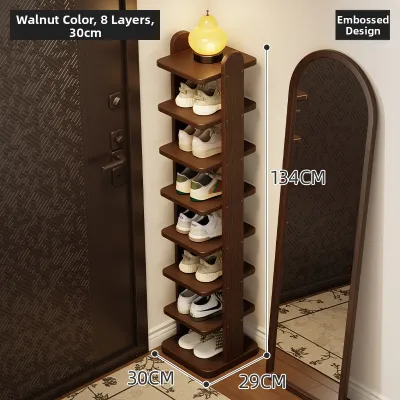
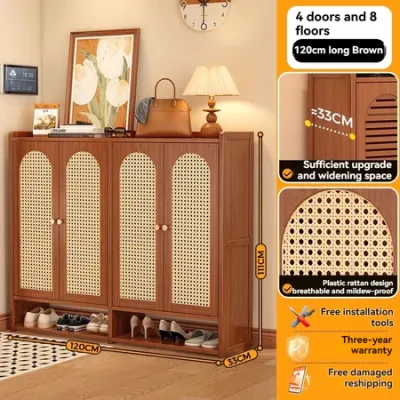
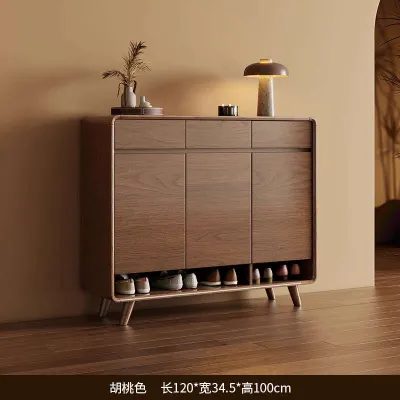
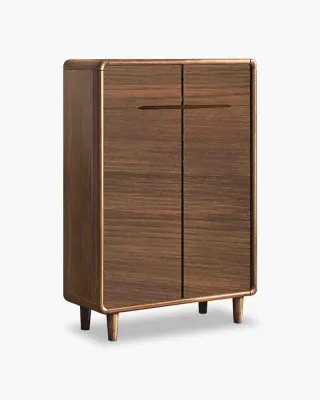
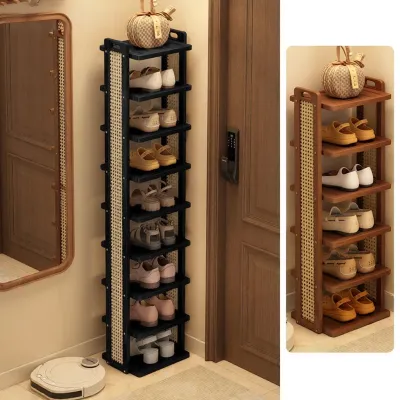

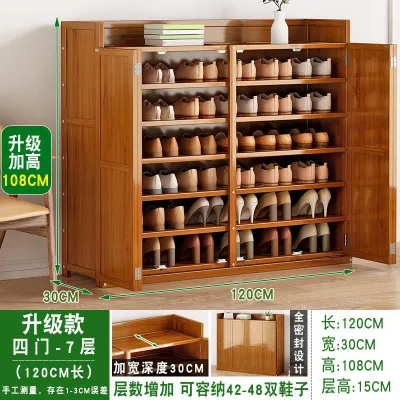
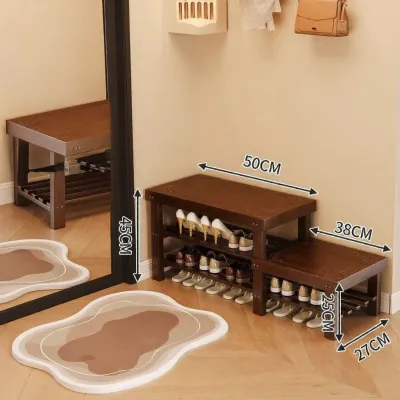
Prices are valid at publication and may change. Please refer to the product page for the latest price.
- Solid Wood: Premium hardwoods like teak and oak, or softwoods like pine, provide exceptional structural integrity. Teak is particularly suited for Singapore's climate because its natural oils make it highly resistant to rot, moisture, and pests. While solid wood offers unmatched longevity and a premium feel, it requires careful humidity management to prevent warping or cracking over time.
- Engineered Wood: Medium-density fibreboard (MDF) and particleboard finished with high-quality wood veneers or laminates offer excellent dimensional stability. Because engineered wood does not expand or contract as dramatically as solid wood in response to humidity changes, it is highly stable and cost-efficient. However, low-grade engineered wood must be kept dry, as prolonged exposure to standing water can cause the material to swell and degrade.
Beyond the raw materials, look closely at the joinery used to assemble the unit. High-quality wooden shoe racks feature robust joinery methods such as dowels, mortise and tenon, or mitered joints. These techniques distribute weight evenly across the frame. Avoid units that rely solely on basic wood screws or cheap plastic cam locks, as these fasteners can loosen over time, resulting in a wobbly structure that sags under the weight of multiple pairs of shoes.
Surface Finishes
Footwear naturally carries moisture, abrasive dirt, and scuff marks into your home. A raw, unsealed wooden surface will quickly absorb moisture and harbor mold, leading to permanent stains and unpleasant odors.
When evaluating a wooden shoe rack, ensure it has been treated with a sealed or lacquered finish, such as a polyurethane coating, varnish, or protective wood oil. A high-quality sealant creates an impermeable barrier over the wood grain. This protective layer allows you to easily wipe away dirt, water droplets, and scuff marks with a damp cloth, preserving the appearance and structural integrity of the wood for years.
Storage Capacity Metrics
A high-capacity shoe rack must offer more than just a high number of shelves. To assess true storage efficiency, evaluate the following dimensions:
- Shelf Depth: Standard shoe racks typically feature a depth of 30 to 35 cm, which comfortably accommodates shoes up to a standard adult size. For households with larger footwear, high-top sneakers, or boots, look for deep storage options measuring 40 cm or more to ensure the cabinet doors can close completely without crushing the shoes.
- Weight Capacity: A single shelf holding four pairs of heavy leather boots or dress shoes can easily carry 6 to 10 kg. Ensure the manufacturer specifies a robust weight limit per shelf—ideally at least 10 to 15 kg—to prevent bowing or sagging over time.
- Adjustability: Fixed shelves often result in wasted vertical space, leaving large empty gaps above low-profile flats while failing to accommodate taller footwear. Prioritize shoe racks with adjustable peg systems or removable shelves, allowing you to customize the vertical clearance of each tier to match your collection.
Reputable Wooden Shoe Rack Brands in Singapore
Singapore’s furniture market offers several established brands that cater to different budgets, design preferences, and storage requirements. Below is an analysis of the leading brands known for their wooden shoe rack offerings.

Scanteak
Scanteak is a well-established household name in Singapore, highly regarded for its commitment to solid teak wood furniture. This brand is a premier choice for homeowners who view furniture as a long-term investment and prioritize natural materials and structural longevity.
- Material and Build Quality: Scanteak utilizes sustainably sourced solid teak, which is exceptionally well-suited for Singapore's tropical climate. Teak's natural oil content acts as a built-in defense mechanism against high humidity, rot, and wood-boring insects. The build quality is exceptionally high, featuring sturdy legs, robust frames, and traditional woodworking techniques that ensure the unit remains stable even when fully loaded.
- Design and Functionality: The brand's design language focuses on Scandinavian minimalism, characterized by clean lines, warm honey tones, and functional simplicity. Many of Scanteak's shoe racks feature open-slat shelves or ventilated slatted doors. This design is highly functional for shoe storage, as it promotes continuous airflow, allowing damp shoes to dry naturally and preventing the buildup of musty odors.
- Limitations: Solid teak furniture is heavy and represents a higher upfront financial investment compared to engineered wood alternatives. Additionally, Scanteak's designs often feature fixed shelf heights, offering less modular customization than other brands. This brand is best suited for households seeking a timeless, durable statement piece rather than a highly customizable, maximum-capacity storage system.
Castlery
Castlery caters to design-conscious homeowners who want stylish, contemporary, or mid-century modern furniture that elevates the aesthetic of their entryway.
- Material and Build Quality: To strike a balance between cost, weight, and visual appeal, Castlery frequently utilizes a hybrid construction approach. Their shoe cabinets often feature solid wood frames or legs (such as solid oak or rubberwood) paired with high-quality engineered wood panels wrapped in premium wood veneers. This combination ensures excellent structural stability and resistance to warping in humid conditions while maintaining the rich texture of real wood.
- Design and Functionality: Castlery excels at creating sleek, low-profile furniture designed for modern urban living. Their entryway collection often includes clever space-saving designs, such as slim cabinets with flip-down shoe compartments or sliding doors. These configurations are ideal for narrow HDB or condominium entryways where swinging doors would block the corridor.
- Limitations: Because Castlery's collections vary in material composition, it is essential to check the detailed product specifications on their website to understand the exact ratio of solid wood to engineered wood used in a specific model. Castlery is ideal for buyers looking for a stylish statement piece that integrates seamlessly with modern interior design themes.
FortyTwo
FortyTwo is one of Singapore’s largest online furniture retailers, offering an extensive and highly diverse catalog of wooden shoe storage options designed to maximize utility and affordability.
- Material and Build Quality: Because FortyTwo caters to a wide range of budget levels, their products feature various material compositions. Their inventory spans from budget-friendly particleboard units with paper laminates to mid-range MDF cabinets with synthetic veneers, and occasionally solid wood accents. Buyers must carefully review the product specifications to ensure the materials meet their expectations for durability and load capacity.
- Design and Functionality: FortyTwo is the ultimate choice for large families or shoe enthusiasts who need to store a large volume of footwear. They offer a vast selection of tall, multi-tier wooden shoe cabinets and modular units. Many of these designs allow you to place multiple units side-by-side to create a seamless, built-in storage wall. Their catalog includes options with drawers for keys, open bottom shelves for easy access to daily footwear, and full-length mirror doors.
- Limitations: The sheer variety of products means that build quality can vary significantly between models. High-capacity units require robust construction, so it is crucial to check weight limits per shelf and user reviews regarding stability before purchasing. FortyTwo is best suited for practical buyers who prioritize maximum storage capacity and versatile sizing at a highly competitive price point.
IKEA
IKEA is globally recognized for its functional, modular, and accessible furniture designs. While the brand is famous for its flat-pack engineered wood products, they offer several lines featuring solid wood and wood veneers that make excellent shoe storage solutions.
- Material and Build Quality: While IKEA utilizes engineered wood for many of its products, specific lines offer robust wooden construction. For example, the HEMNES series is crafted from solid pine, a lightweight and sustainably sourced softwood that provides a traditional, warm aesthetic. Pine is also highly customizable, allowing DIY-minded homeowners to easily paint, stain, or varnish the cabinet to match their home decor.
- Design and Functionality: IKEA's primary advantage is its modularity. Systems like KALLAX, BESTÅ, or PLATSA can be configured with wood-effect finishes, shelves, drawers, and doors to create a customized shoe storage system. This modularity allows you to start with a single unit and expand your storage setup as your shoe collection grows over time.
- Limitations and Safety: Because IKEA's modular units are lightweight and can become top-heavy when fully loaded with shoes, they present a risk of tipping over. IKEA strongly emphasizes the importance of wall anchoring. It is mandatory to use the provided safety brackets to secure these units to your wall, especially in households with children or pets, to ensure a safe living environment.
Calculating the Right Storage Capacity for Your Household
Selecting a shoe rack that is either too small or unnecessarily bulky can disrupt the flow of your entryway. Translating your footwear collection into physical dimensions will help you choose the perfect size.
Estimating Pair Count
Begin by conducting a thorough inventory of all the footwear in your household. Divide the collection into daily wear and occasional or seasonal wear:
- Daily Rotation: Allocate space for 2 to 3 pairs of daily-use shoes per household member near the entrance. For a family of four, this means your entryway shoe rack should comfortably accommodate 8 to 12 pairs of shoes, plus a few extra spaces for guests.
- Occasional Wear: Formal shoes, high heels, sports cleats, and seasonal footwear can be stored in deeper cabinets, bedroom wardrobes, or under-bed storage to keep the main entryway clutter-free.
Dimension Requirements
Measure your largest shoes to ensure they will fit comfortably within the cabinet:
- Standard Depth: A cabinet depth of 30 to 35 cm is sufficient for most standard adult shoes up to US size 10.
- Deep Storage: If anyone in your household wears US size 11 or larger, or frequently wears bulky athletic sneakers and work boots, look for a cabinet depth of 40 cm or more. This prevents the doors from pressing against the shoes and damaging them when closed.
Tier Spacing and Adjustability
Fixed shelves often result in wasted vertical space. A pair of flat sandals or flip-flops only requires a vertical clearance of 10 to 12 cm, whereas high-top sneakers need 15 to 18 cm, and high heels or ankle boots require 20 cm or more.
If your shoe rack features fixed shelves spaced 20 cm apart, storing flat shoes on those shelves results in nearly 50% of the vertical space being wasted. Prioritize wooden shoe racks with adjustable shelving pegs or removable shelves. This allows you to customize the height of each tier, bringing shelves closer together for low-profile footwear and creating larger gaps for taller boots and heels, thereby maximizing the overall capacity of the cabinet.
Footprint vs. Height
When choosing a shoe rack, you must balance the physical floor footprint of the unit with its height:
- Low, Wide Consoles: If you have a spacious foyer, a low, wide wooden console bench (typically 60 to 80 cm high) is an excellent choice. It provides a comfortable seat for putting on and taking off shoes, and the top surface serves as a convenient landing pad for keys, mail, and decorative items.
- Tall, Narrow Cabinets: If your entryway is a narrow corridor or a tight HDB foyer, a low, wide unit will restrict movement. In these scenarios, a tall, narrow vertical cabinet (120 to 180 cm high) is far more efficient. It utilizes vertical wall space to maximize storage capacity while keeping the floor footprint to a minimum, ensuring a clear and safe walkway.
Pre-Purchase Checklist for Singapore Homes
Before making your final purchase, ensure the chosen shoe rack is compatible with your home’s layout, local housing regulations, and Singapore’s tropical climate.
Space and Clearance Measurement
In Singapore’s high-rise housing, such as HDB flats and condominiums, entryway space is often limited and highly structured. Measure the intended wall space with extreme precision, taking into account the following factors:
- Door Swing Radius: Ensure the shoe cabinet does not interfere with the swing radius of your main entrance door or the heavy steel door of your household shelter (bomb shelter).
- Access to Fixtures: Verify that the cabinet does not block access to electrical distribution boards (DB boxes), light switches, or water pipes.
- User Clearance: Leave at least 60 to 70 cm of clear floor space in front of the rack so you can comfortably bend down, kneel, or sit while accessing your shoes without blocking the main pathway.
Ventilation and Odor Control
Singapore’s tropical climate features high humidity levels that frequently exceed 80% year-round. Storing damp, sweaty shoes in a completely sealed, unventilated wooden cabinet creates a humid microclimate that is highly conducive to the growth of mold, mildew, and bacteria. This can lead to unpleasant odors and damage your footwear.
To prevent this, prioritize wooden shoe racks designed with ventilation in mind. Look for cabinets with louvered (slatted) doors, which allow air to circulate while keeping the shoes hidden from view. Alternatively, choose open-shelving designs, wire mesh shelves, or cabinets with ventilated back panels or cut-outs that promote continuous airflow and keep your shoes dry and fresh.
Assembly and Delivery
Solid wood shoe cabinets are exceptionally heavy and structurally rigid. Before finalizing your purchase, check the retailer’s delivery and assembly policies:
- On-Site Assembly: Verify if the retailer includes professional delivery and on-site assembly in the purchase price, or if they charge an additional fee.
- Access and Maneuverability: If you live in a high-rise apartment, ensure that a pre-assembled, heavy solid wood cabinet can fit inside your building's lift and through your front doorway.
- Self-Assembly Safety: If you choose a self-assembly option, make sure you have the necessary tools, physical strength, and assistance, as assembling large, heavy wooden panels can be difficult and safety-critical.
Frequently Asked Questions (FAQ)
How do I protect a wooden shoe rack from Singapore's high humidity?
Protecting a wooden shoe rack from Singapore’s intense humidity requires a combination of proper placement and active moisture management. First, avoid placing the wooden rack in areas exposed to direct sunlight, high heat, or potential rain splashes, such as open balconies or external corridors, as these conditions can cause the wood to warp, crack, or rot. Inside closed wooden cabinets, place moisture-absorbing products such as silica gel packets, disposable dehumidifier tubs, or reusable activated bamboo charcoal bags, and replace or regenerate them regularly. Ensure that you never store damp or wet shoes inside a closed cabinet; always allow them to air-dry completely beforehand. Finally, follow the manufacturer’s care instructions, which may recommend periodically applying a specialized wood polish, wax, or oil to maintain the protective surface seal and keep moisture out.
Can I place a wooden shoe rack outside my HDB door in the common corridor?
Placing a wooden shoe rack in the common corridor outside your HDB flat is subject to strict guidelines set by the Singapore Civil Defence Force (SCDF) and your local Town Council. According to SCDF fire safety regulations, common corridors must maintain a minimum clear escape passage of 1.2 meters at all times to ensure safe evacuation during an emergency. No objects, including shoe racks, are permitted to obstruct this pathway. Additionally, some Town Councils have specific bylaws that restrict or completely prohibit the placement of personal furniture in common areas due to fire hazards and estate cleanliness. Before placing any shoe rack outside your main door, you must consult the latest guidelines from your local Town Council to ensure compliance and avoid potential fines or the forced removal of your furniture.
Community discussion
Share your experience or ask a question. Comments are reviewed before publication.