
Selecting the right wooden display cabinet is more than just finding a place to store your items; it is about creating a visual frame that enhances and protects your valued collections. The ideal cabinet style depends heavily on the visual weight, size, and historical era of your collectibles, as well as the practical constraints of your living space. For instance, traditional cabinets with rich finishes and ornate details suit antiques and fine porcelain, while modern minimalist designs with clean lines and frameless glass highlight contemporary art toys and tech gadgets. In urban environments where apartment space is carefully planned, choosing the right cabinet storage wooden unit requires balancing aesthetic appeal with structural integrity and spatial limits.
By understanding how different wood textures, colors, and cabinet structures interact with your items, you can transform a simple storage unit into a curated gallery. Whether you are showcasing delicate family heirlooms or a growing collection of modern design pieces, matching the cabinet style to your items ensures they are presented in their best light while remaining safe from environmental wear.
How to Match Cabinet Styles to Your Collectibles
To choose the most suitable cabinet style, you must first evaluate the visual density, size, and color palette of your collection. Heavy, dark, or highly detailed items can easily create visual clutter if they are packed into a small, dark cabinet. Conversely, light-colored collectibles or delicate glassware can get lost against a pale, unfinished wood background. To avoid visual fatigue, aim for contrast: display dark or metallic items against lighter wood backdrops, and use darker wood cabinets to frame bright, colorful, or white porcelain collections.
Products mentioned in this guide
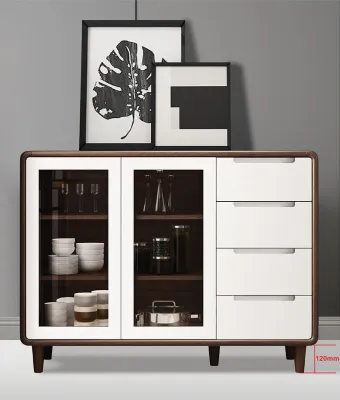
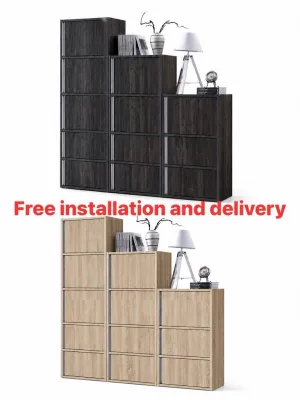
Prices are valid at publication and may change. Please refer to the product page for the latest price.
Physical dimensions are equally critical when assessing your display needs. Before browsing cabinet styles, measure your tallest, widest, and heaviest items to determine the required shelf depth and weight capacity. If your collection consists of items with varying heights, such as a mix of tall vases and short figurines, look for cabinets that offer adjustable shelving. This flexibility prevents wasted vertical space and allows you to create a dynamic, layered display that draws the eye naturally across the shelves.
Finally, consider how the cabinet will integrate with your room’s existing decor and lighting. In open-plan living and dining areas, a large wooden cabinet acts as a major focal point. The style of the cabinet should complement your existing furniture, such as your dining table or TV console, rather than competing with them. Additionally, observe how natural and artificial light falls across the room; a cabinet placed in a dark corner may require integrated lighting to ensure your collectibles remain visible throughout the day.
Traditional and Classic Wooden Cabinets
Traditional and classic wooden cabinets are characterized by their formal design elements, including crown molding, plinth bases, elegant carvings, and rich wood stains. These cabinets are typically crafted from dense hardwoods or finished with deep veneers like mahogany, cherry, and dark walnut. The classic aesthetic is highly formal, often featuring mullion glass doors where wooden grilles divide the glass into smaller panes, adding a sense of architectural history to the piece.

This style is the ideal match for historical, formal, or high-value collections. Antiques, rare books, fine porcelain, vintage tea sets, and historical artifacts look natural within the warm, structured frame of a traditional cabinet. The rich wood tones and formal brass or bronze hardware complement the heritage value of these items, making the entire display feel like a cohesive museum exhibit rather than a casual storage solution.
However, traditional cabinets come with specific limitations and checks. Their heavy visual weight can easily overwhelm smaller rooms, making compact spaces feel cramped and dark. The intricate carvings and decorative moldings also tend to accumulate dust quickly, requiring regular, detailed cleaning to maintain their polished appearance. Furthermore, traditional designs often feature deeper, bulkier frames that require significant floor space, so you must verify that your room layout can accommodate their physical presence without blocking natural walkways.
Modern and Minimalist Wooden Cabinets
Modern and minimalist wooden cabinets prioritize clean lines, geometric simplicity, and maximum visibility. These designs often feature flat-panel doors, frameless glass panels, and slim wooden frames made from lighter wood species such as oak, ash, beech, or birch. By minimizing decorative hardware and using hidden push-to-open mechanisms or integrated finger pulls, these cabinets keep the focus entirely on the items displayed inside.
This style is exceptionally well-suited for contemporary collections, including designer vinyl art toys, modern sculptures, vinyl records, and high-end tech gadgets. The light wood tones and clean glass surfaces create a bright, airy feel that works beautifully in modern apartments. Because the frames are thin and the glass panels are large, natural light can penetrate deep into the cabinet, highlighting the fine details and vibrant colors of modern collectibles without casting heavy shadows.
Despite their clean look, minimalist cabinets are less forgiving of disorganized displays. Because every item is highly visible, a cluttered arrangement will immediately disrupt the clean aesthetic of the room, requiring you to maintain a strict, curated layout. Additionally, large, frameless glass doors are prone to showing fingerprints, smudges, and dust, meaning you will need to clean the glass surfaces frequently to keep the display looking pristine. You should also check the stability of slim-profile units, as their lightweight appearance sometimes belies a high center of gravity when fully loaded.
Rustic and Farmhouse Wooden Cabinets
Rustic and farmhouse wooden cabinets celebrate the natural, unrefined beauty of timber. These pieces often feature highly visible wood grains, knots, distressed finishes, and textures derived from reclaimed wood, pine, or mango wood. Rather than polished perfection, rustic cabinets embrace imperfections, often combining solid wood panels with open shelving, wire mesh inserts, or simple, heavy-framed glass doors.
This style provides an excellent backdrop for organic, tactile, or casual collections. Botanical specimens, handmade ceramics, stoneware, vintage tools, and travel souvenirs collected from local markets pair naturally with the rugged, earthy textures of rustic wood. The casual nature of the farmhouse style allows for a more relaxed, eclectic display where items of different shapes and materials can sit side-by-side without looking out of place.
Before choosing a rustic cabinet, keep in mind that rough, unsealed wood surfaces can easily snag delicate items, such as vintage textiles, paper documents, or fragile model parts. If you are displaying delicate collectibles, check that the interior shelves are sanded smooth or sealed with a clear coat. Additionally, rustic furniture often features slightly uneven shelves due to the natural characteristics of reclaimed timber, which requires careful leveling to prevent fragile items from wobbling. Finally, configurations that use open shelving or wire mesh instead of solid glass doors offer no protection against dust and ambient humidity, requiring more frequent maintenance of both the cabinet and your collection.
Essential Checks Before Buying a Wooden Storage Cabinet
Before finalizing your purchase of a wooden display cabinet, you must perform several practical checks to ensure the unit is safe, stable, and fits your home perfectly. First, measure the delivery path. Do not limit your measurements to the final spot in your living room; you must trace the entire route from the delivery vehicle to your home. Measure the height and width of your front door, corridor turns, stairwells, and passenger lift doors. Many solid wood cabinets are delivered fully assembled, and a tall unit may not fit inside standard apartment lifts or through tight entryway corners.
Next, verify the structural integrity and load capacity of the shelves. If you plan to display heavy items like dense books, stone sculptures, or thick ceramic plates, look for cabinets constructed with sturdy joinery, such as mortise-and-tenon or dovetail joints, rather than simple butt joints held together by staples or basic screws. Check the manufacturer’s specifications for the maximum weight limit per shelf, and ensure the wooden shelves are thick enough to resist sagging over time under a continuous load.
Glass safety is another critical factor. Ensure that all glass panels, doors, and interior shelves are made of tempered safety glass. Tempered glass is significantly stronger than standard glass and, in the rare event of breakage, crumbles into small, blunt pieces rather than sharp, dangerous shards. Additionally, test the door mechanisms; sliding doors should glide smoothly along their tracks without sticking, and hinged doors should have robust, adjustable hinges that prevent sagging and ensure a tight seal against dust.
Finally, address stability and floor protection. Tall, heavy wooden cabinets present a serious tipping hazard, especially when loaded with items on the upper shelves or when placed on slightly uneven floors. You must plan to anchor the cabinet securely to the wall using anti-tip brackets. Check what type of wall plugs are required for your specific wall material, whether it is concrete, brick, or drywall. To protect your flooring from scratches and dents during positioning, place heavy-duty felt pads under the base or legs of the cabinet.
Frequently Asked Questions (FAQ)
How do I protect my collectibles from UV damage in a wooden cabinet?
Direct sunlight can cause sensitive collectibles, such as paper, plastics, fabrics, and painted figures, to fade or degrade over time. To protect your items, position your wooden display cabinet away from direct window exposure, particularly windows that receive harsh afternoon sun. You can also apply specialized UV-filtering window films directly to the glass doors of your cabinet to block harmful ultraviolet rays. For interior illumination, avoid halogen bulbs which emit heat and UV radiation; instead, install low-heat LED strip lights, which are safe for delicate materials and provide clean, even lighting.
Can I adjust the shelves in a solid wood display cabinet?
Many solid wood display cabinets offer adjustable shelves, but you must verify this before purchasing by checking the product specifications for pre-drilled peg holes and sturdy metal shelf support pins. Keep in mind that while adjustable shelves offer excellent flexibility for displaying items of various sizes, they do not provide the same lateral structural support as fixed shelves that are built directly into the cabinet frame. Always check the maximum weight capacity for individual adjustable shelves, as they typically support less weight than fixed structural shelves.

Community discussion
Share your experience or ask a question. Comments are reviewed before publication.