
Selecting the right cabinets organizer involves balancing storage capacity, durability, and the specific environmental conditions of your home. In tropical climates like Singapore’s, where high humidity can quickly lead to mold and musty odors, your choice of material is even more critical. The right organizer not only maximizes your limited wardrobe space but also protects your clothing investment from damage over time.
Each material—wire, fabric, and plastic—offers distinct advantages depending on what you intend to store and where the unit will be placed. Wire systems provide unmatched ventilation and structural strength, making them excellent for heavy items and damp environments. Fabric organizers offer a lightweight, budget-friendly, and highly portable alternative that excels at protecting delicate garments from dust. Plastic organizers deliver exceptional moisture resistance and easy maintenance, making them a highly practical choice for busy households.
To make an informed decision, you must evaluate your physical closet space, the weight of your belongings, and your willingness to perform regular maintenance. Whether you are looking to upgrade a built-in wardrobe in a high-rise HDB flat or organize a temporary closet in a rental property, understanding these material trade-offs will help you build a functional, long-lasting storage system.
Products mentioned in this guide
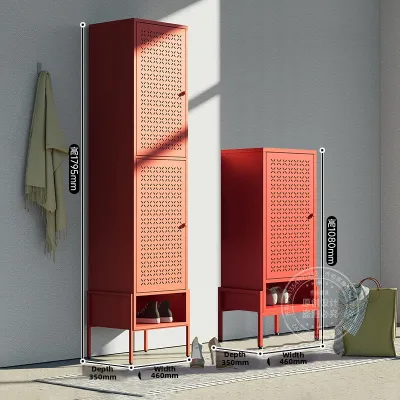
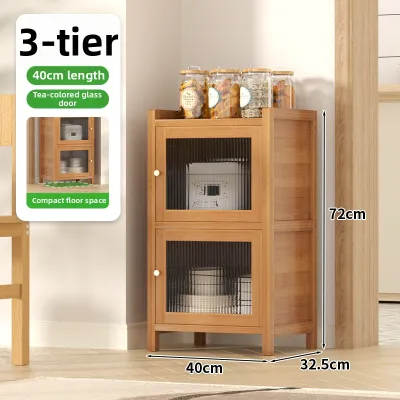
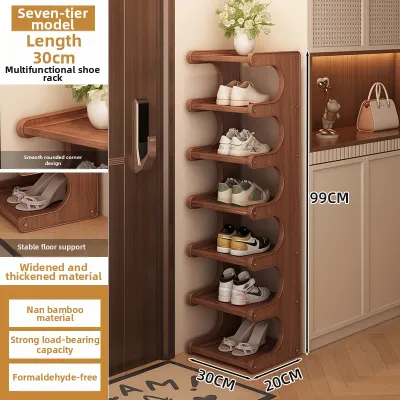
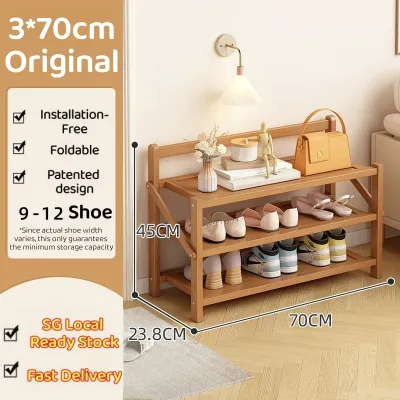
Prices are valid at publication and may change. Please refer to the product page for the latest price.
Assessing Your Closet Space and Storage Requirements
Before purchasing any cabinets organizer, you must accurately measure your available space to avoid costly delivery and installation errors. Start by measuring the interior width, depth, and height of your wardrobe. If your closet has sliding doors, remember that they often block a portion of the opening at all times; you must ensure that drawers or pull-out wire baskets have sufficient clearance to extend fully without hitting the door frames.
In addition to the internal dimensions, consider the physical path the organizer must take to reach your closet. If you are purchasing a large, pre-assembled modular system, verify that the unit can fit through your apartment’s main door, narrow hallways, and bedroom doorways. For high-rise apartments, check the dimensions of your building’s lift to ensure the packaged product can be transported safely without requiring manual carry-ups via the stairwell.
Next, identify the primary items you plan to store, as this directly dictates your load-bearing requirements. Heavy winter coats, denim, and bedding require robust shelving that will not sag or buckle under pressure. Conversely, lightweight accessories, t-shirts, and undergarments can be easily accommodated by lighter, more flexible storage solutions. Matching the weight of your wardrobe to the structural capacity of the organizer prevents premature wear and potential safety hazards.
Finally, inspect your existing wardrobe structure to determine the best installation method. Freestanding organizers are highly versatile and require no drilling, making them ideal for rental properties where permanent modifications are restricted. If you opt for wall-mounted or wardrobe-anchored systems, check if the partition walls or cabinet back panels are thick enough to support mounting screws and brackets under full load conditions.
Wire Cabinet Organizers: Airflow, Visibility, and Load Limits
Wire cabinet organizers are highly valued for their exceptional structural integrity and open design. The primary benefit of wire shelving is maximum airflow, which is essential in humid climates to prevent moisture buildup, musty smells, and mildew on fabrics. Because air can circulate freely through the metal grids, clothes stay fresher for longer periods compared to being stored in solid, enclosed compartments.

When shopping for wire organizers, it is crucial to verify the surface treatment of the metal. Raw steel will rust quickly when exposed to ambient humidity, so look for high-quality powder-coated or epoxy-coated finishes. These protective layers seal the underlying metal against moisture and prevent corrosion. Inspect the welded joints and frame thickness carefully; thicker wire gauges and clean, seamless welds indicate a higher load capacity capable of supporting heavy folded garments or storage boxes.
Despite their strength, wire organizers have a few practical limitations that you must manage. Small items, such as jewelry, thin accessories, or rolled socks, can easily slip through the gaps in the wire grid. To prevent this, consider using compatible plastic shelf liners, fabric bins, or cardboard inserts to create a flat surface where needed. Additionally, ensure the wire tips are completely capped or smoothed over during manufacturing to prevent snagging delicate fabrics like silk, lace, or fine knits.
Fabric Cabinet Organizers: Flexibility, Dust Protection, and Care
Fabric cabinet organizers, often made from non-woven polyester, canvas, or Oxford fabric, offer a lightweight and highly flexible approach to closet organization. These units are typically collapsible, making them incredibly easy to transport, assemble, and store away when not in use. They are particularly popular for hanging sections, where they can be suspended from an existing closet rod using heavy-duty hook-and-loop fasteners.
To ensure a fabric organizer remains functional over time, you must inspect its internal support structures. Lower-quality fabric shelves tend to sag in the middle when loaded with clothes, which causes items to slide together and creates a cluttered appearance. Look for units reinforced with rigid internal boards, plastic inserts, or lightweight metal frames that maintain flat, stable surfaces even under moderate weight.
Fabric organizers excel at dust protection, especially those designed with zippered covers or enclosed drawers. This makes them highly suitable for storing seasonal clothing or delicate items that are not worn frequently. Some designs also feature breathable mesh panels, which offer a compromise between dust protection and basic ventilation, helping to reduce the risk of stagnant air trapping moisture inside the fabric compartments.
Maintenance of fabric organizers requires a gentle touch, as they cannot be thrown into a standard washing machine without damaging the internal support boards. Always refer to the manufacturer’s care label for specific cleaning instructions. Generally, spot cleaning with a damp cloth and mild detergent is recommended. In humid environments, it is wise to place silica gel packs or hanging dehumidifier bags inside fabric compartments to actively combat mold growth.
Plastic Cabinet Organizers: Moisture Resistance, Stability, and Weight
Plastic cabinet organizers, ranging from modular drawer units to stackable storage cubes, are highly durable and completely impervious to moisture. This water-resistant nature makes them incredibly easy to clean and sanitize, requiring nothing more than a quick wipe with a damp cloth or a mild household cleaner. They are highly stable in humid conditions, as they will not rust like poorly coated metal or harbor mold like untreated fabric.
When evaluating plastic organizers, pay close attention to the material thickness and the presence of reinforced ribs along the underside of the shelves or drawers. Thin, flexible plastic can bow permanently under heavy loads, which can cause drawers to stick or frames to warp. High-quality polypropylene (PP) or polystyrene (PS) units with reinforced structural columns offer much better load-bearing capacity and maintain their shape over years of daily use.
Because plastic units are often modular and stackable, they allow you to customize your storage height to fit your closet precisely. However, as you stack these lightweight units higher, their center of gravity shifts upward, increasing the risk of tipping when drawers are pulled open. For any freestanding plastic organizer that stands tall, it is highly recommended to use manufacturer-provided anti-tip kits or wall-anchoring straps to secure the unit to a solid wall or the wardrobe frame.
Comparing Materials: A Decision Matrix for Your Wardrobe
To help you visualize how these materials compare, the table below outlines the key performance characteristics of wire, fabric, and plastic cabinet organizers across essential household criteria.
| Feature | Wire Organizers | Fabric Organizers | Plastic Organizers |
|---|---|---|---|
| Airflow & Ventilation | Excellent (open grid design) | Moderate (if breathable mesh is used) | Low (solid, enclosed panels) |
| Dust Protection | Low (requires additional bins) | High (zippered or enclosed options) | Moderate to High (closed drawers) |
| Moisture Resistance | Moderate (requires powder/epoxy coating) | Low (can absorb ambient moisture) | High (completely waterproof) |
| Load Capacity | High (suitable for heavy garments) | Low to Moderate (requires rigid inserts) | Moderate (reinforced designs only) |
| Assembly Complexity | Moderate to High (may require tools) | Low (collapsible, tool-free setup) | Low to Moderate (snap-fit modularity) |
| Portability | Low (heavy, rigid structures) | High (lightweight and collapsible) | Moderate (light but bulky when stacked) |
Every material involves a clear trade-off. For instance, while wire organizers offer the best airflow to combat humidity, they require you to purchase separate liners or bins to store small accessories safely. Fabric organizers are incredibly easy to set up and move, but they demand careful weight management and active moisture control to prevent sagging and mold. Plastic units provide a highly durable, moisture-proof barrier, but they lack the natural ventilation of wire and require secure anchoring when stacked high.
Matching these traits to your specific living situation is the key to long-term satisfaction. If you live in a highly humid coastal area or are organizing a damp utility closet, the moisture resistance of plastic or the airflow of wire will serve you far better than fabric. If you are a tenant moving frequently between rental apartments, the lightweight portability and tool-free assembly of fabric organizers offer unmatched convenience.
Final Selection Rules for Your Closet Setup
To finalize your closet organization plan, follow these practical selection rules based on your verified storage needs and space constraints:
- Choose wire if your primary goals are maximum airflow, high visibility, and the ability to support heavy items like winter coats, denim, or storage boxes. Ensure you verify that the metal has a high-quality powder or epoxy coating to resist rust, and budget for shelf liners if you plan to store small accessories.
- Choose fabric if you need a lightweight, cost-effective, and highly portable solution for storing delicate garments, t-shirts, or baby clothes. Opt for units with reinforced internal support boards to prevent sagging, and use dehumidifier packs to keep the enclosed fabric dry.
- Choose plastic if you require a completely waterproof, easy-to-clean system with smooth-sliding drawers for daily use. Look for reinforced plastic frames to prevent bowing under weight, and always install anti-tip wall anchors if you stack modular units.
Before making any purchase, double-check that the fully assembled dimensions of your chosen organizer will fit comfortably through your home’s entryways, lifts, and closet doors. Taking these physical constraints into account ensures a smooth delivery and installation process, resulting in a beautifully organized wardrobe that stands the test of time.
Frequently Asked Questions (FAQ)
Can I mix different material organizers in the same closet?
Yes, mixing different materials is an excellent way to customize your closet, provided you follow basic structural and aesthetic guidelines. To maintain a clean, cohesive look, try to match the depth and width dimensions of the different units so they align neatly within your wardrobe. Always place heavier, more rigid units—such as wire shelving or solid plastic drawers—at the bottom of the closet to establish a stable foundation. Lighter, collapsible fabric organizers should be reserved for the upper shelves or hung from the closet rod, keeping the overall center of gravity low and safe.
How do I prevent wire shelves from damaging delicate clothing?
To protect delicate fabrics like silk, cashmere, or fine knits from snagging on wire shelves, start by inspecting the organizer for any rough edges, exposed metal tips, or peeling paint. If the finish is smooth, you can easily create a protective barrier by installing fitted plastic shelf liners, acrylic sheets, or even clean cardboard inserts over the wire grids. Another highly effective method is to use fabric storage bins or canvas drawer inserts on top of the wire shelves, allowing you to enjoy the structural strength of the wire frame while keeping your delicate garments completely protected.
Are freestanding plastic organizers safe for homes with children or pets?
Freestanding plastic organizers can be used safely around children and pets, but only if you take specific safety precautions. Because plastic units are lightweight, they can easily become top-heavy and tip over if a child attempts to climb them or if multiple drawers are pulled open simultaneously. To prevent tipping hazards, always install the manufacturer-provided anti-tip wall anchors or secure the unit directly to the wardrobe frame. Additionally, place your heaviest items in the bottom drawers to keep the center of gravity as low as possible, and avoid placing tempting items, like toys or treats, on the very top of the organizer.
Community discussion
Share your experience or ask a question. Comments are reviewed before publication.