
Using fully sealed plastic furniture covers in Singapore’s tropical climate is highly likely to trap moisture and cause severe damage to your furniture. While these impermeable sheets shield surfaces from external liquid spills and dust, they simultaneously block the natural evaporation of ambient humidity. In a region where relative humidity consistently hovers at high levels, sealing furniture under non-breathable plastic creates a closed micro-climate. This trapped moisture quickly condenses on the furniture’s surface, creating an ideal breeding ground for mold, mildew, rot, and corrosion.
To protect your household investments, you must understand how atmospheric moisture behaves beneath protective barriers. Choosing the right materials, recognizing early signs of moisture accumulation, and implementing proper ventilation techniques can prevent costly damage to your wood, metal, and upholstered pieces.
How Non-Breathable Covers Interact with High Humidity
Singapore’s tropical climate is characterized by persistently high relative humidity, which often exceeds 80 percent. When you place a completely non-breathable plastic cover over a piece of furniture, you trap the surrounding moist air inside. Because plastic is entirely impermeable, any water vapor present in the air at the time of covering becomes locked within a tight boundary. This trapped air cannot circulate, preventing the natural moisture exchange that keeps materials stable.
Products mentioned in this guide
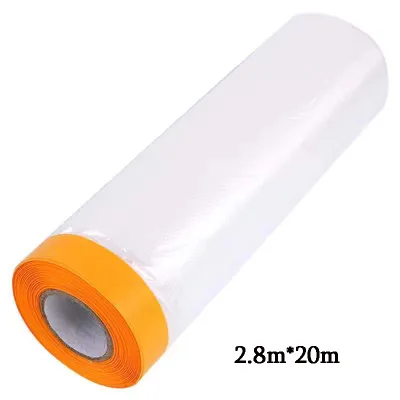
499 Lazada user ratings
Pdt was delivered 01 day after order was placed. Plastic sheet not thick enough Tap too narrow as compared to another seller's Pdt.
Buy this for HDB HIP coming soon, have check the plastic sheet, material is ok, can shield the dust if cover properly.
Item well received and in good condition. Not yet use and hope it great for money. Will use it during renovations.
Externally it looks like good quality. I have not used it yet and hope that it is good and thick enough
Received the item in 2 days. Looks good. have not use it. hope it fits the purpose.
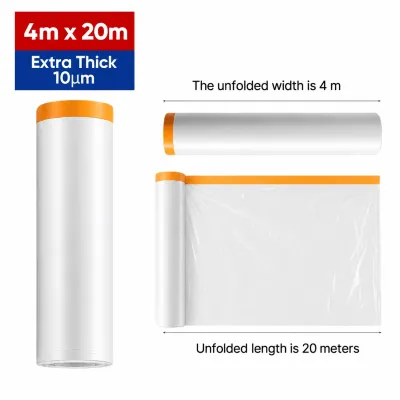
1,092 Lazada user ratings
The delivery is quite fast, less than 1 wk👍🏻 Quality is ok, a bit thin, well, as long it serves it's purpose to keep the renovation dust off …Read full reviewShow less
The delivery is quite fast, less than 1 wk👍🏻 Quality is ok, a bit thin, well, as long it serves it's purpose to keep the renovation dust off from the furniture, it's fine. The adhesive is ok sticks quite well. It's so convenient, no need to manually use the scotch tape 👍🏻👏🏻
🛠️Durability: yes 🔧Material Quality: not bad 🔧Ease of Installation: yes Delivery was very fast. My second time buying these.
plastic sheet feels very flimsy but hope it can do it's work. The tape looks very narrow but again hope it can di its wirk
Waterproof and paintproof, Efficient dust prevention, 🛠️Durability:yes 🔧Material Quality:yes 🔧Ease of Installation:yes
Good product at a reasonable price. It helps protect the furniture from dust during minor renovations
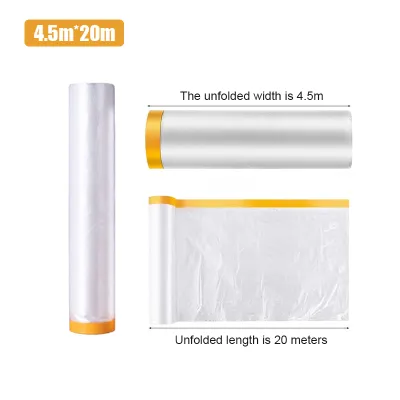
1,745 Lazada user ratings
Fast delivery from Sgp warehouse. Just in time before the renovation work started. So lucky that I bought them. To prevent the super dusty w…Read full reviewShow less
Fast delivery from Sgp warehouse. Just in time before the renovation work started. So lucky that I bought them. To prevent the super dusty work. A MUST HAVE item. Recommended item.
Ideal for protecting furniture during painting., Versatile and multi-purpose., Great dust prevention cover!,
Convenient and easy to use. Value for money product with quick delivery within the next 3 days.
It is ideal for protecting furniture during HIP and Perfect for renovation projects.
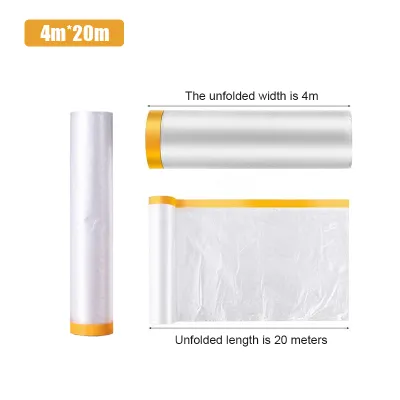
1,025 Lazada user ratings
easy to apply thanks to its existing tape, the plastic sheet is thin though. overall serve its purpose and save lots of time and effort.
Indeed easy to use and great help during my aircon installation of my mother’s house. Strongly recommended!! 🙏👍
使用和处理都很方便, 物超所值, 在节日期间保持家具清洁的理想选择, Helps maintain the condition of furniture, High-quality protective cover,
Super fast delivery within 3 days. Yet to use, hopefully it work effectively.
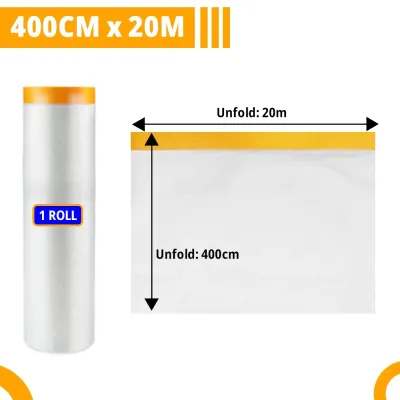
5 Lazada user ratings
if tickle will be better
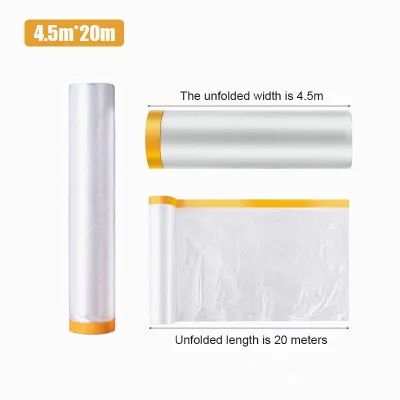
12 Lazada user ratings
The plastic quality is good and cheap to buy.
fast delivery good prooduct reasonable price
Prices are valid at publication and may change. Please refer to the product page for the latest price.
Daily temperature fluctuations aggravate this trapped moisture. As indoor temperatures rise and fall—especially when transitioning between air-conditioned periods and natural ventilation—the air under the plastic cover expands and contracts. When the temperature drops, the air’s capacity to hold water vapor decreases, causing the moisture to condense into liquid water droplets on the underside of the plastic. These droplets then drip directly onto the furniture surface, keeping the material constantly damp.
There is a fundamental difference between protecting furniture from liquid spills and protecting it from atmospheric humidity. While a plastic sheet is excellent for blocking an accidental splash of water from above, it is highly counterproductive for managing airborne moisture. In a humid environment, your furniture needs to breathe so that any absorbed moisture can evaporate naturally into the surrounding air. Sealing the item in plastic eliminates this evaporation path, turning a protective cover into a damaging moisture trap.
Identifying Early Signs of Moisture Damage and Mold
Detecting moisture accumulation early is critical to preventing permanent structural or aesthetic damage to your furniture. Regular visual inspections are your first line of defense. When you lift or look through a plastic cover, check for visible water droplets or a foggy appearance on the inside surface of the plastic. On the furniture itself, look for localized discoloration, dark spots, or a fine, white, powdery residue, which often indicates the initial stages of mold growth on wood or fabric.

Your sense of smell is another highly reliable diagnostic tool. When you peel back a section of the cover, pay close attention to the immediate scent that escapes. A musty, damp, or earthy odor is a clear indicator that air circulation has stalled and mold or mildew is actively developing. This smell often manifests long before visual mold colonies become obvious to the naked eye, serving as an early warning to take corrective action.
Different furniture materials exhibit moisture distress in distinct ways. Wooden furniture may begin to warp, swell, or show hairline cracks as the fibers absorb excess moisture, and the finish may develop a cloudy, white haze known as blushing. Metal components, such as hinges, screws, or frames, will quickly show signs of surface rust or oxidation. Upholstered items and fabrics are particularly vulnerable, rapidly developing dark mildew spots and structural fiber degradation that can be difficult to clean.
Evaluating Cover Materials and Breathability Features
To avoid the hazards of trapped moisture, you must carefully evaluate the physical specifications of any furniture cover before purchase. Always check the manufacturer’s care labels and product documentation to verify if the cover is rated for high-humidity environments. Look for explicit mentions of breathability or vapor permeability, which indicate that the material allows water vapor to escape while still blocking dust and light splashes.
Physical design features play a massive role in promoting airflow beneath a cover. High-quality protective covers often incorporate built-in ventilation grommets, mesh panels, or dedicated air vents positioned near the top or sides. These openings allow warm, moist air to escape while drawing cooler, drier air in from the bottom. Additionally, covers with adjustable bottom hems or drawstrings allow you to leave a gap at the base, which encourages continuous cross-ventilation.
When comparing materials, there is a stark structural difference between fully sealed plastic sheets, such as polyethylene or polyvinyl chloride (PVC), and woven synthetic fabrics. Woven materials like high-density polyester or solution-dyed acrylic, especially those treated with a water-resistant but breathable polyurethane coating, offer more effective protection against condensation. These fabrics feature microscopic pores that are small enough to block liquid water droplets but large enough to let water vapor molecules pass through freely, preventing condensation buildup.
Safe Usage Practices for Plastic Covers in Tropical Climates
If you must use existing plastic covers, implementing specific, safe usage practices can significantly reduce the risk of moisture damage. First, ensure that the furniture is completely dry and clean before you apply any cover. Even a tiny amount of surface moisture or organic dust can accelerate mold growth once sealed. Avoid covering furniture immediately after cleaning it with liquid solutions or during highly humid rainy spells when the ambient air is saturated.
To prevent condensation from settling directly on your furniture, elevate the cover slightly so it does not make direct contact with the flat surfaces. You can place small, dry foam blocks, wooden spacers, or clean towels on top of the furniture to lift the plastic, creating an insulating air gap. Additionally, never seal the bottom edges of the cover to the floor or wrap them tightly around the legs; leaving the bottom open allows air to flow upward and escape through any top vents.
Establishing a regular maintenance schedule is essential for long-term protection. Make it a habit to remove the plastic covers entirely at least once every one to two weeks to let both the cover and the furniture air out in a well-ventilated room. If you are using moisture absorbers or silica gel desiccant packs under the cover, check them frequently and replace them as soon as they become saturated, following the manufacturer’s instructions to prevent leaks.
When to Stop Using Plastic Covers and Seek Alternatives
There are clear boundary conditions where you must stop using plastic covers entirely to protect your belongings. If you observe active mold growth, persistent condensation droplets, or any physical degradation of the furniture material during your routine checks, remove the plastic cover immediately. Continuing to use an impermeable cover under these conditions will rapidly accelerate the damage, leading to deep rot or ruined finishes.
Certain high-risk scenarios are entirely unsuitable for plastic covers. You should never use sealed plastic for the long-term storage of antique wood, genuine leather, or heavily upholstered items in un-air-conditioned rooms or storage units in Singapore. These materials are highly hygroscopic, meaning they naturally absorb and release moisture from the air. Sealing them blocks this natural cycle, almost guaranteeing mold infestation and structural breakdown over extended periods.
When dealing with valuable, delicate, or antique pieces, always consult the furniture manufacturer or a professional furniture restorer for specific material care requirements. They can provide tailored recommendations for protective coverings, such as breathable cotton drop cloths, specialized storage wraps, or climate-controlled storage solutions. Relying on professional guidance ensures that your preservation efforts do not inadvertently cause irreversible harm to your valued possessions.
Frequently Asked Questions (FAQ)
Can I use plastic wrap for long-term furniture storage in Singapore?
Using tight plastic wrap, such as stretch film, for long-term furniture storage in Singapore is highly risky and generally not recommended. The tight seal traps existing atmospheric moisture against the furniture surface, creating a stagnant environment where mold and wood rot can thrive unchecked over weeks or months. Instead of wrapping items completely in impermeable plastic, check the furniture manufacturer’s storage guidelines for approved breathable materials, such as heavy-duty cotton dust sheets or specialized non-woven storage bags.
Does air-conditioning prevent mold under plastic furniture covers?
While operating an air-conditioner lowers the overall ambient humidity and temperature in a room, it does not completely eliminate the risk of mold under sealed plastic covers. Micro-climates can still form beneath the impermeable barrier, especially if the air-conditioning is turned on and off periodically, causing temperature shifts that trigger condensation. To ensure your furniture remains dry, you must still maintain physical airflow, use covers with built-in ventilation, and regularly remove the covers to let the materials breathe, even in a climate-controlled space.
How often should I remove plastic covers to let my furniture breathe?
You should aim to remove plastic covers to let your furniture air out at least once every one to two weeks, depending on the room’s natural ventilation and current weather conditions. During particularly wet or hazy seasons in Singapore, you may need to increase this frequency to prevent moisture buildup. Always adjust your airing schedule based on the specific material of your furniture and any care instructions provided by the manufacturer, ensuring that the surfaces have ample time to dry completely in a well-ventilated area before recovering.
Community discussion
Share your experience or ask a question. Comments are reviewed before publication.