
Table socks are a popular, quiet, and soft solution for protecting floors from heavy furniture legs. However, finding your chair legs bare or discovering fresh scratches on your beautiful flooring can be incredibly frustrating. When table socks slip down or fail to prevent scratches, the issue usually stems from a mismatch in sizing, worn-out fabric, or accumulated household grit. Understanding how to troubleshoot these issues can save your floors from permanent damage and extend the lifespan of your furniture accessories.
By identifying the root cause of the failure, you can apply targeted fixes to secure the socks or determine when it is time to invest in a fresh set. This guide walks you through the steps to diagnose, fix, and maintain your table leg protectors to keep your home quiet and scratch-free.
Identifying Why Your Table Socks Are Slipping or Scratching
To resolve the issue, you must first pinpoint why the protectors are failing. Sizing and fit are the most common culprits behind slipping socks. Table legs come in a wide variety of shapes, including round, square, tapered, and irregular designs. If you pull a standard round sock over a square leg, the sharp corners stretch the fabric unevenly. This localized tension causes the elastic fibers to wear out rapidly, leading to the sock sliding down. Conversely, if the sock is too large, it lacks the necessary compression to grip the leg, causing it to bunch up at the bottom or fall off entirely when the chair is moved.
Products mentioned in this guide
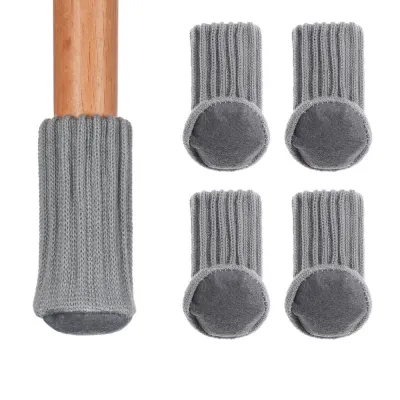
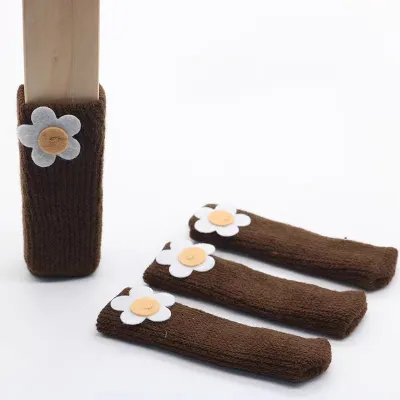
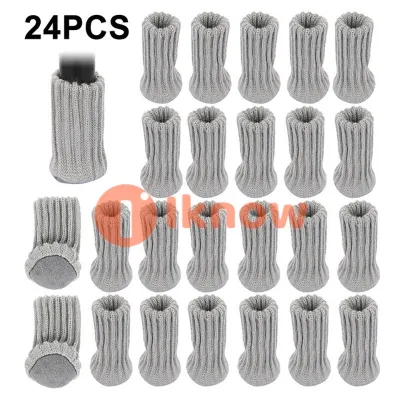
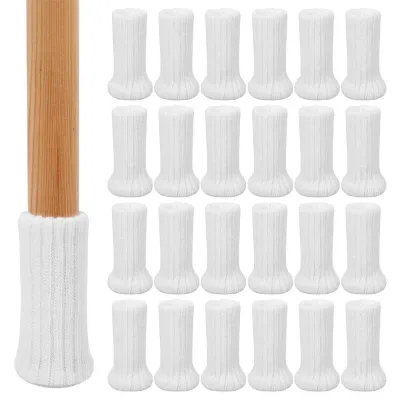
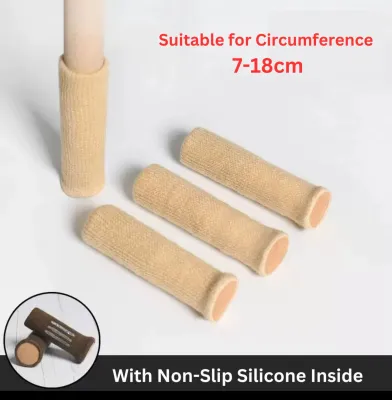
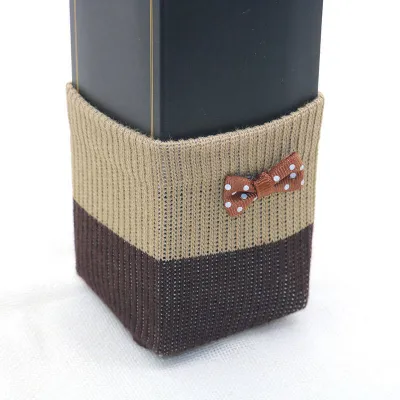
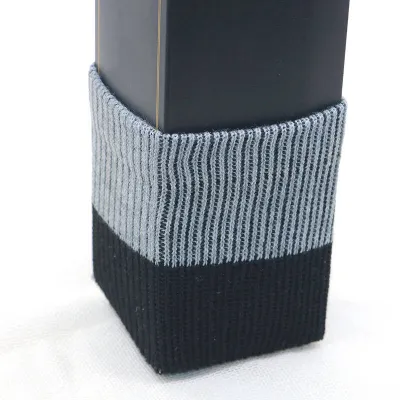
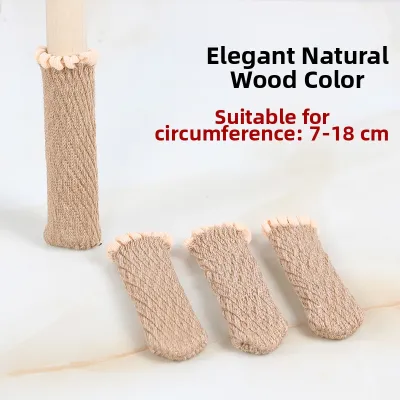
Prices are valid at publication and may change. Please refer to the product page for the latest price.
Material wear is another major factor. The constant back-and-forth movement of chairs creates significant friction against the floor. Over time, the fibers at the base of the sock thin out. This thinning is often gradual and hard to spot unless you physically invert the sock. Eventually, a small hole develops, allowing the hard wood, metal, or plastic glide of the table leg to grind directly against your floor.
Finally, trapped debris can turn a soft protector into an abrasive hazard. Fabric is naturally porous and acts like a magnet for dust, pet hair, crumbs, and outdoor grit. When these particles lodge themselves into the knit of the sock, they turn the soft fabric into a sandpaper-like surface. Every time the table or chair is shifted, this trapped grit grinds against your floor finish, leaving behind micro-scratches that dull the surface over time.
Securing Table Socks That Keep Slipping Off
If your table socks are still in good condition but refuse to stay up, you can improve their grip with a few simple adjustments. First, ensure the sock is pulled completely taut and high up the leg. For legs that are slightly too narrow for the sock, you can add a thin, non-damaging inner layer to increase the leg’s diameter and friction. Wrapping a small strip of self-cohesive silicone tape or a thin layer of hook-and-loop tape (soft side facing out) around the leg can provide the necessary grip to keep the sock in place without leaving sticky residue on the wood finish.

Cleaning the furniture leg is another essential step. Dust, wax buildup, and oils from floor cleaners can make furniture legs incredibly slick. Before putting the socks back on, wipe down the legs thoroughly. Use a damp microfiber cloth with a mild, surface-safe cleaner to remove any greasy residue. Let the legs dry completely before slipping the socks back on, as trapped moisture can damage both the wood finish and the elastic fibers of the protector.
It is also important to recognize when a sock has permanently lost its elasticity. Elastic materials like spandex or rubber threads degrade over time, especially in warm, humid climates. If the cuff of the sock feels limp, stretched out, or no longer snaps back when pulled, the elastic has failed. No amount of cleaning or adjusting will keep these socks secure, and attempting to force them to stay up will only lead to continued slippage.
Stopping Table Socks From Scratching Your Floors
To stop table socks from scratching your floors, you must eliminate the abrasive elements. Regularly lift your chairs and inspect the bottoms of the socks. If you notice a buildup of pet hair or dust, use a lint roller or a stiff brush to clear the debris. Additionally, keep your floors swept or vacuumed. If the floor is dusty, even clean socks will pick up particles and drag them across the surface.
Next, check for worn-through spots. A simple visual check from the side is not enough; you must physically remove the socks and hold them up to the light. If you can see through the bottom fabric or if the knit looks noticeably thinner than the sides, the protective barrier has been compromised. The hard core of the leg is likely pressing through the fabric under the weight of a seated person, causing direct contact with the floor.
Finally, evaluate whether the current sock material is appropriate for your specific floor type. Check the manufacturer’s packaging or care instructions. Some socks feature felt pads stitched to the bottom, which are excellent for smooth hardwood or laminate floors but may wear out quickly on rough, textured ceramic tiles. Conversely, pure knitted socks might slide easily on tile but lack the density needed to protect soft vinyl flooring from heavy loads.
When to Replace Your Table Socks
Knowing when to move on saves time and protects your home from costly floor repairs. Look for irreversible signs of failure, such as torn seams, unraveling threads, or a completely flattened base that no longer offers cushioning. If the socks have been washed multiple times and still slip off immediately, the internal grip or elastic has reached the end of its usable life.
When shopping for replacements on online marketplaces or at local home goods stores, measure your furniture legs precisely. Do not guess the size. Use a flexible tape measure to find the circumference of round legs, or measure the width of each side for square legs. Many manufacturers provide specific sizing charts; matching your measurements to these charts is the most reliable way to ensure a snug fit.
Before purchasing, verify the product specifications, material composition, and care labels. Look for upgraded features such as internal silicone grip strips or dots that cling to the furniture leg, preventing them from sliding down. Others feature reinforced double-layer bases or integrated felt bottoms for extra durability and smoother sliding on hard surfaces.
Maintaining Your Table Socks for Long-Term Protection
Establishing a simple maintenance routine is the best way to prevent future slipping and scratching. Incorporate a quick check of your table socks into your weekly cleaning routine. A simple wipe-down of the floor and a quick brush of the sock bottoms can prevent grit from accumulating to dangerous levels.
When it is time to wash the socks, treat them gently to preserve their shape and elasticity. Hand washing in cool water with a mild detergent is the safest method. If using a washing machine, place the socks in a mesh laundry bag and select a delicate cycle. Always air dry them. Avoid using a clothes dryer, as the high heat can warp the synthetic fibers and destroy the elastic grip.
Finally, conduct periodic visual and physical checks. Every few months, take a moment to inspect the physical condition of the socks. Look for thinning areas, loose threads, or signs of slipping. Catching these issues early allows you to rotate the socks to less-frequently used chairs or prepare replacements before any damage occurs to your floors.
Frequently Asked Questions (FAQ)
Can I use tape or glue to keep table socks from slipping?
It is highly recommended to avoid using permanent glues, double-sided tape, or harsh adhesives to secure table socks. These adhesives can chemically react with wood varnishes, lacquers, or paint finishes, leaving behind a sticky residue or stripping away the finish entirely when removed. If you need extra grip, use non-damaging alternatives like self-cohesive silicone tape, which clings only to itself and leaves no residue on the furniture leg.
Do table socks work on all types of flooring?
Table socks can work on various flooring types, including hardwood, tile, laminate, and vinyl, but you must check the manufacturer’s guidelines for compatibility. Some materials slide better on smooth surfaces, while others are designed to handle the rougher texture of tile grout lines. Regardless of the material, trapped debris can scratch any surface, making regular cleaning essential for all floor types.
How often should I wash my table socks?
The washing frequency depends on your household environment, especially if you have pets or high foot traffic. As a general rule, check the socks monthly for visible dirt, pet hair, or dust buildup. Wash them whenever they appear soiled or begin to lose their grip. Always follow the specific washing instructions on the product label to avoid shrinking, warping, or losing elasticity.
Community discussion
Share your experience or ask a question. Comments are reviewed before publication.