
An office chair that constantly sinks is almost always the result of a failing gas lift cylinder, also known as a gas spring. This component relies on pressurized nitrogen gas sealed inside a chamber; when the seals wear down or the valve mechanism fails, the gas escapes, leaving the cylinder unable to support your weight. Depending on the severity of the leak and the overall condition of your chair, you can choose to temporarily bypass the issue, replace the cylinder entirely, or invest in a new chair.
How to Diagnose a Sinking Office Chair
To determine the exact cause of your chair’s descent, you must first observe how and when it sinks. If the chair drops to its lowest point the moment you sit down, the internal seals have likely suffered a complete failure, or the valve is permanently stuck open. Conversely, if the chair slowly loses height over several hours or days, it indicates a minor, gradual gas leak. You should also test if the chair sinks when no one is sitting on it, as a self-sinking chair points directly to a faulty valve mechanism that is constantly engaged.
Next, inspect the mechanical linkages beneath the seat. Sometimes, the issue is not the cylinder itself but the seat plate mechanism. Check the control levers and the metal housing. If a lever is bent, loose, or misaligned, it might be constantly pressing down on the cylinder’s release valve, mimicking a failed gas lift. Tighten any loose bolts on the seat plate and ensure the lever has a small amount of play before it engages the valve. If the lever is bent, you may be able to carefully straighten it with pliers, provided it does not compromise the structural integrity of the metal.
Products mentioned in this guide
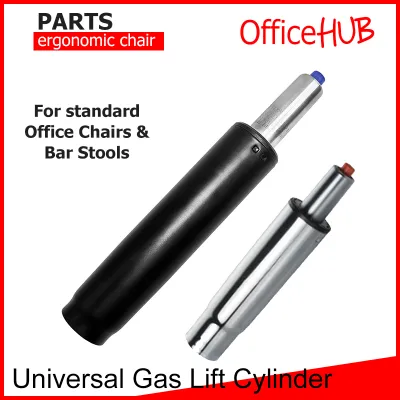
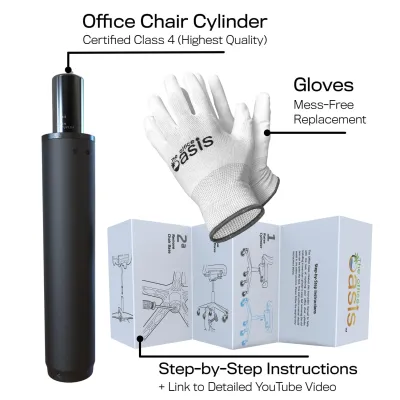
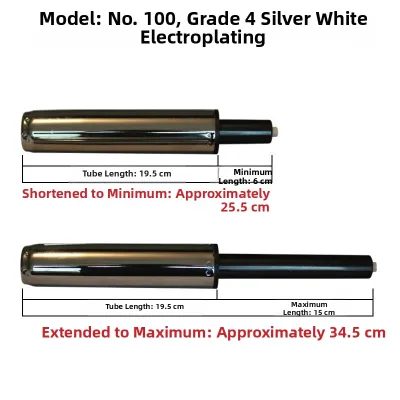
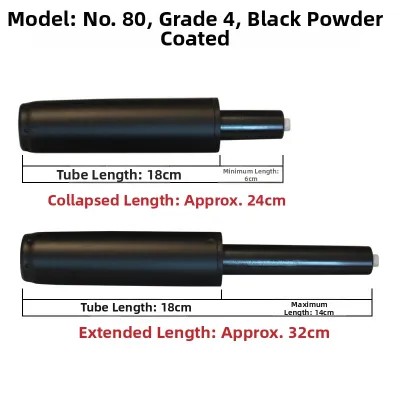
Prices are valid at publication and may change. Please refer to the product page for the latest price.
Finally, examine the physical cylinder for external signs of damage. Look closely at the telescoping metal column for dark oil residue, which indicates that the internal lubricating oil is escaping past worn rubber seals. Check for rust building up on the shaft, or any visible warping or denting of the outer casing. In humid climates, moisture can accumulate on metal parts, leading to rust that degrades the rubber seals over time. If you notice significant rust or physical deformation, the cylinder is no longer safe or functional and must be replaced.
Troubleshooting Table: Symptoms, Causes, and Solutions
| Symptom | Likely Cause | Recommended Action |
|---|---|---|
| Chair drops to the lowest point instantly under weight | Complete internal valve or seal failure | Replace the gas lift cylinder entirely |
| Chair slowly sinks over several hours or days | Minor seal wear or slow nitrogen gas leak | Replace the gas lift or apply a temporary physical block |
| Chair is stuck at one height and will not adjust up or down | Seized cylinder or disconnected control lever | Inspect the lever mechanism; replace the cylinder if seized |
Safe Ways to Fix or Bypass a Faulty Gas Lift
If you are not ready to replace the cylinder immediately, you can evaluate temporary physical blocks to lock the chair at a fixed height. One common DIY method involves using a PVC pipe sleeve. By measuring the exposed metal shaft of the cylinder when the chair is at your desired height, you can cut a piece of PVC pipe to match this length, slit it down one side, and snap it around the shaft. Alternatively, you can secure several metal hose clamps tightly around the metal shaft to act as a physical stop. While these methods are highly effective at stopping the sinking, they completely eliminate the chair’s height adjustability and shock absorption. Ensure any cuts made to PVC are smooth and free of sharp edges to prevent scratches or snagged clothing.

When you decide to perform a proper repair, the physical removal of a stuck cylinder requires patience and the right tools. You will need a rubber mallet, a pipe wrench, and protective gear such as safety glasses and heavy-duty gloves. Start by turning the chair upside down. Tap the bottom of the five-star base near the center hub with a rubber mallet to dislodge it from the cylinder. Once the base is removed, grip the old cylinder tightly with a pipe wrench near the seat plate. Twist the wrench firmly while pulling upward to break the friction seal. Always apply steady, controlled pressure rather than sudden, violent force, as excessive impact can crack the cast metal seat plate or damage the adjustment housing.
There are clear stop conditions where you should halt a DIY removal. If the cylinder is severely rusted and fused to the seat plate, or if the chair utilizes a complex, proprietary cable-actuated mechanism rather than a standard contact valve, do not attempt to force it. Forcing a seized cylinder can warp the seat plate, making the chair unsafe to use even with a new part. If you encounter these obstacles, stop the repair and consult the manufacturer or a professional furniture repair service.
When to Replace the Gas Lift vs. Buy a New Chair
Deciding whether to replace the gas lift or buy a new chair depends largely on a cost-benefit analysis and the overall condition of your current seat. A replacement cylinder is highly affordable and widely available on online marketplaces, making it an economical choice if the rest of the chair is in excellent shape. However, if your chair has torn mesh, flattened seat foam, squeaky joints, or broken casters, investing in a new ergonomic office chair is often the more practical long-term decision.
If you choose to replace the cylinder, you must verify the specifications to ensure compatibility. Check the bottom of the seat plate or the cylinder casing for a manufacturer’s label or manual. You will need to match three key dimensions: the outer diameter of the cylinder (most standard chairs use a 50mm outer diameter, but some proprietary brands differ), the stroke length (the travel distance from the lowest to the highest point), and the weight capacity class. Gas lifts are rated from Class 1 to Class 4, with Class 4 offering the highest durability and weight capacity.
Additionally, review the warranty status of your chair before purchasing third-party parts. Many high-quality ergonomic chairs come with multi-year warranties that cover the gas lift. If your chair is still under warranty, contact the manufacturer for a free replacement cylinder or professional service. Attempting a DIY replacement with a non-original, third-party cylinder can void the remaining warranty on the frame, mechanism, and other components.
How to Maintain Your Office Chair and Extend Gas Lift Life
To minimize abnormal stress and wear on your office chair’s gas lift, adopt healthy daily usage habits. Avoid sitting on the extreme front edge of the seat, as this uneven weight distribution puts lateral stress on the cylinder shaft. Over time, this lateral pressure warps the internal seals, leading to premature gas leaks. Always sit fully back in the chair to distribute your weight evenly across the seat plate.
Regular cleaning is also essential for preserving the seals. Dust, pet hair, and grit can easily settle on the exposed telescoping section of the cylinder. When you adjust the chair’s height, these fine particles can get dragged past the rubber seals, creating microscopic tears that allow the pressurized gas to escape. Periodically wipe down the metal shaft with a clean, dry microfiber cloth to remove any accumulated debris.
Finally, always adjust the chair height while standing or significantly unweighting the seat. Pulling the adjustment lever while sitting heavily on the chair forces the internal valve mechanism to open under maximum load, which accelerates wear on both the valve and the seals. By easing your weight off the seat before pulling the lever, you allow the pressurized gas to lift the chair smoothly and with minimal resistance.
Frequently Asked Questions (FAQ)
Can I use WD-40 or lubricants to fix a sinking gas lift?
No, applying external lubricants like WD-40 will not fix a sinking office chair. Gas lifts rely on high-pressure nitrogen gas sealed inside an internal chamber, along with specialized internal seal oils. External sprays cannot penetrate the sealed chamber to restore lost gas pressure or repair damaged rubber seals. Furthermore, spraying lubricants on the exterior of the cylinder can attract more dust and grit, degrade plastic covers, or cause the friction-based seat mechanism to slip.
Is it safe to use a chair with a broken gas lift if I fix it at the lowest height?
Using a chair with a failed gas lift at its lowest height is generally safe, provided the seat plate and base remain structurally sound. If you use a physical bypass like a PVC pipe or hose clamps, the setup is safe as long as the blocking materials are securely fitted and free of sharp edges. However, you will lose all shock absorption, which can increase the impact on your spine when sitting down. Ensure that the fixed height still allows you to maintain an ergonomic posture, with your feet resting flat on the floor and your elbows aligning comfortably with your desk.
Community discussion
Share your experience or ask a question. Comments are reviewed before publication.