
Selecting the perfect tea table is more than a matter of finding a surface to hold your drinks; it is about establishing the visual anchor of your entire living room. The right piece coordinates your seating arrangement, balances your room’s proportions, and reflects your personal design sensibilities. By evaluating your current furniture layout, understanding the defining characteristics of popular design styles, and applying precise spatial rules, you can select a tea table that enhances both the beauty and the daily functionality of your home.
How to Assess Your Living Room's Existing Aesthetic
Before browsing online marketplaces or visiting local furniture showrooms, take a systematic look at your current living space. The existing elements in your room dictate the visual boundaries within which your new tea table must perform. Start by identifying the dominant lines of your primary furniture. If your sofa features clean, sharp edges and blocky silhouettes, your room leans toward a modern or minimalist aesthetic. Conversely, if your seating has rolled arms, tufted upholstery, or soft, organic curves, your space aligns more with classic, retro, or transitional styles.
Next, examine the materials and colors that define your room. Look at your flooring—polished marble or large-format porcelain tiles create a cool, formal atmosphere, while warm parquet, engineered wood, or luxury vinyl tiles introduce natural texture. Take note of your wall colors and the amount of natural light your living room receives. A bright, sunlit room painted in soft off-whites can easily accommodate light-toned woods or delicate glass, whereas a darker room with deep accent walls may require warm woods or metallic highlights to feel grounded without looking gloomy.
Products mentioned in this guide
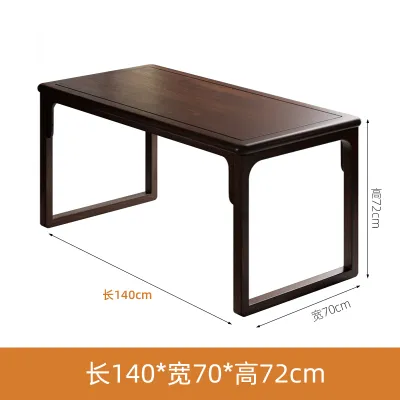
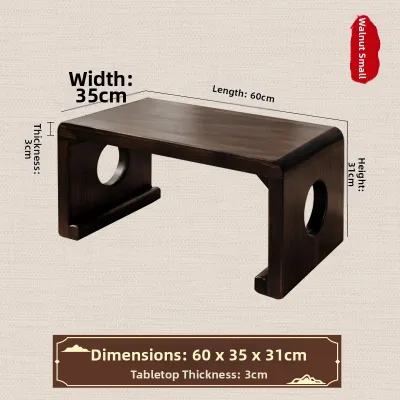
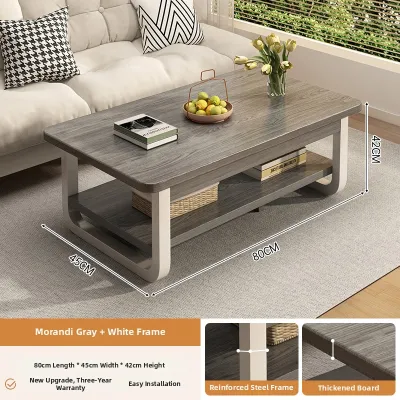
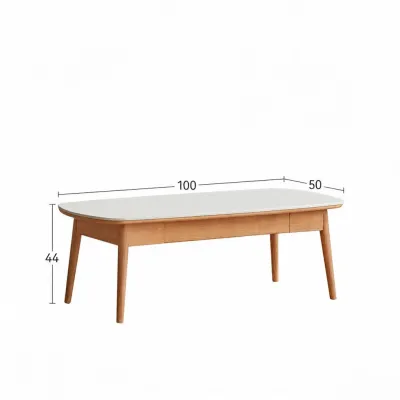
Prices are valid at publication and may change. Please refer to the product page for the latest price.
When introducing a new tea table, you must decide between cohesion and contrast. Cohesion involves choosing a table that directly matches the dominant style of your room, creating a serene, seamless flow where no single piece competes for attention. This approach works exceptionally well in smaller spaces where visual continuity makes the room feel larger. Contrast, on the other hand, involves using the tea table as an intentional statement piece. Placing a rustic, industrial metal-and-wood table in a pristine, white contemporary room breaks the visual monotony and creates an engaging focal point.
To narrow down your options, ask yourself these self-assessment questions:
- What is the primary function of the table? Will it host casual dinners, support heavy art books, serve as a footrest, or remain mostly clear as a minimalist display?
- How much visual weight can the room handle? Does your living room need a solid, block-style plinth table to ground the space, or an airy, leggy frame that allows light and floor patterns to show through?
- How does your local climate affect your material preference? In humid tropical environments like Singapore, materials expand, contract, and attract dust differently. Are you prepared to maintain solid wood, or do you require low-maintenance metal, stone, or glass?
Top Tea Table Styles for Popular Interior Themes
To choose a tea table that complements your home, it helps to understand the specific design languages of popular interior themes. Each style relies on distinct materials, shapes, and leg structures that evoke a particular mood. Understanding these details, along with their practical maintenance requirements, ensures your selection is both beautiful and durable.

Scandinavian and Japandi
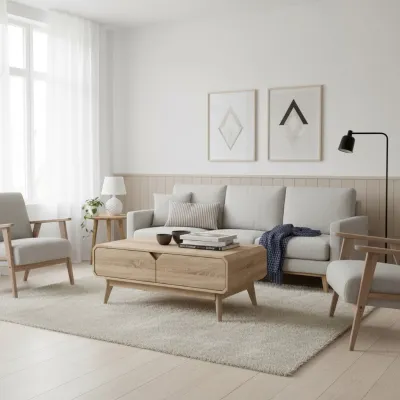
Scandinavian and Japandi styles focus on simplicity, functional minimalism, and a deep connection to natural elements. Japandi blends the rustic warmth of Japanese design with the clean functionality of Scandinavian interiors, creating spaces that feel calm, organized, and deeply peaceful.
- Visual Cues: Look for tea tables crafted from light-toned woods such as oak, ash, or beech. These designs typically feature soft, rounded edges, organic curves, and low-profile silhouettes. Leg designs are simple, often featuring tapered dowels, tripod configurations, or soft trestle bases that keep the piece looking light and elevated.
- Ideal Pairings: These tables pair beautifully with low-slung, comfortable sofas upholstered in textured linen, boucle, or light gray performance fabrics. Ground the arrangement with a neutral-toned, flat-weave wool rug, and surround it with soft ceramic decor and leafy green houseplants.
- Limitations and Maintenance: Light, matte-finished woods are highly susceptible to liquid stains, water rings, and discoloration from sunlight. Because tropical humidity can cause wood to swell or warp, always check with the manufacturer regarding the type of protective sealant used on the surface. To maintain the wood, clean it using a slightly damp, soft microfiber cloth and wood-safe cleaners, and always use coasters under cold or hot drinks.
Industrial and Urban Loft
Industrial style celebrates raw, unrefined architectural elements. It is inspired by converted warehouses, factories, and urban lofts, emphasizing exposed structures, utilitarian materials, and a sense of rugged history.
- Visual Cues: Industrial tea tables are characterized by a bold mix of matte black iron or steel frames and heavy wood tops. The wood often features distressed finishes, visible grain, knots, and simulated wear. Look for design details like visible rivets, metal corner brackets, wire mesh shelves, or heavy caster wheels.
- Ideal Pairings: This style matches perfectly with deep leather sofas, such as a classic tan or dark brown Chesterfield. It coordinates well with concrete screed floors, exposed brick accent walls, dark charcoal color palettes, and matte black metal lighting fixtures.
- Limitations and Maintenance: The heavy metal frames and textured wooden tops of industrial tables can easily scratch or gouge delicate flooring materials like natural wood parquet or soft vinyl. Before assembling or positioning the table, verify if the legs require heavy-duty felt pads or rubber caps to protect your floors. Dust can also settle quickly in the deep crevices of distressed wood, requiring regular vacuuming with a soft brush attachment.
Mid-Century Modern
Mid-Century Modern design draws inspiration from the mid-20th century, combining organic shapes, warm wood tones, and clean geometric lines. It focuses on highly functional designs that bridge the gap between natural materials and retro-modern aesthetics.
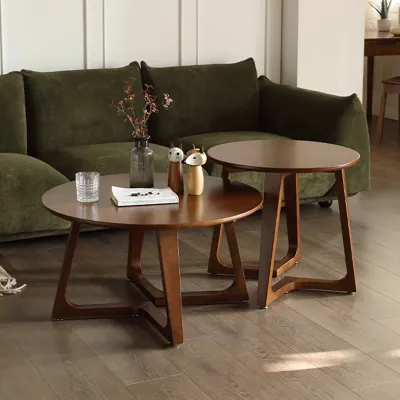
- Visual Cues: These tables are instantly recognizable by their warm, rich wood veneers—typically walnut, teak, or cherry. They feature iconic organic shapes, such as kidney-shaped, oval, or elongated "surfboard" tops. The legs are almost always tapered, angled outward, and capped with brass or rubber feet.
- Ideal Pairings: Pair a mid-century walnut tea table with a vibrant velvet sofa in jewel tones like emerald green, mustard yellow, or burnt orange. Complete the look with geometric-patterned rugs, warm brass floor lamps, and vintage-inspired wooden armchairs.
- Limitations and Maintenance: The slender, angled, tapered legs that give these tables their retro charm can be vulnerable to lateral impacts. If your household includes energetic pets, young children, or automated robotic vacuum cleaners, check the joint construction where the legs meet the tabletop. Look for tables reinforced with metal mounting plates rather than simple screw-in wooden joints to ensure long-term stability.
Minimalist and Contemporary
Minimalist and contemporary styles focus on sleek lines, negative space, and cutting-edge materials. This aesthetic prioritizes open space, high-quality finishes, and the elimination of unnecessary ornamentation to create an uncluttered, sophisticated environment.
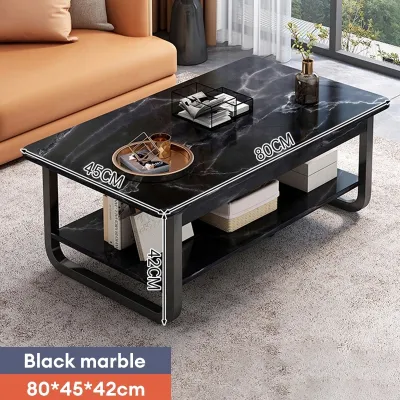
- Visual Cues: These designs utilize modern materials such as tempered glass, clear acrylic, polished marble, concrete, and powder-coated steel. The shapes are highly geometric, featuring perfect circles, sharp rectangles, or sculptural, monolithic block designs. Many contemporary styles incorporate hidden storage, such as seamless push-to-open drawers or rotating tiered tops.
- Ideal Pairings: These tables complement low-profile, modular sectional sofas in monochrome shades like charcoal, cream, or black. They work beautifully in rooms with high-gloss polished tile floors, large-format artwork, and sleek, architectural recessed lighting.
- Limitations and Maintenance: Glass, acrylic, and high-gloss lacquered surfaces show fingerprints, dust, and condensation smudges almost instantly. If you choose a glass or acrylic table, be prepared for daily cleaning with a lint-free microfiber cloth and a streak-free glass cleaner. Additionally, ensure any glass table is made of certified tempered safety glass to prevent hazardous shattering in the event of an accidental impact.
Quick Style Matching Guide for Tea Tables
This table provides a quick reference to help you compare the key features, material requirements, and maintenance levels of each popular tea table style.
| Interior Style | Key Tea Table Materials | Ideal Sofa Pairing | Maintenance Level | Floor Protection Needs |
|---|---|---|---|---|
| Scandinavian & Japandi | Light Oak, Ash, Beech Wood | Linen or Light Gray Fabric | Moderate (Requires prompt spill cleanup) | Low (Lightweight wooden legs) |
| Industrial & Urban Loft | Black Iron, Reclaimed Wood | Distressed Leather | Low to Moderate (Crevice dusting needed) | High (Heavy metal bases require felt pads) |
| Mid-Century Modern | Walnut, Teak, Brass Accents | Velvet or Textured Fabric | Moderate (Requires joint stability checks) | Low to Moderate (Angled legs can slide) |
| Minimalist & Contemporary | Tempered Glass, Acrylic, Steel | Low-Profile Modular Leather | High (Frequent polishing and dusting) | Low (Often utilizes broad plinth bases) |
Essential Sizing and Clearance Rules for Your Space
Even the most beautiful tea table will feel out of place if it disrupts the physical flow of your living room. To ensure your selection is comfortable and practical, apply these standard interior design measurements before making a purchase.
First, consider the height of the table. For comfortable, ergonomic reach, the top of your tea table should sit level with or slightly lower than the seat cushions of your sofa—typically within a range of 40 to 45 cm from the floor. A table that is too tall blocks your sightlines and feels imposing, while a table that is too low requires awkward bending to reach your drinks or devices.
Second, plan your walkway clearances carefully to avoid a cramped layout. Maintain a distance of 40 to 45 cm between the edge of the tea table and the front of your sofa. This spacing provides enough legroom to sit comfortably while keeping the table within easy reach. For the main walkways around the rest of the living room, ensure there is at least 60 to 75 cm of open space so family members can walk through without having to squeeze past furniture.
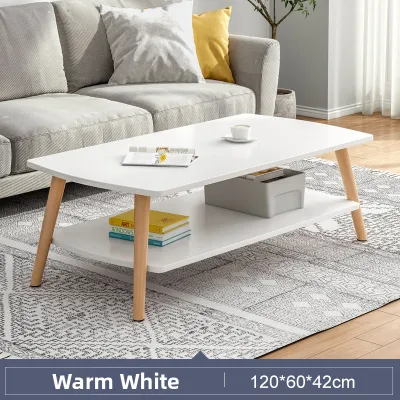
Third, apply the “two-thirds rule” to keep the room visually balanced. The total length of your tea table should measure approximately two-thirds of the total seating length of your sofa. For example, if your sofa’s seating cushion area is 180 cm long, your tea table should be roughly 120 cm long. A table that is significantly shorter will look swallowed up by the sofa, while a table that is longer will make the seating arrangement feel crowded.
Finally, perform essential physical checks based on your household’s needs and building access. If you live in a high-rise apartment or condominium, check the finished dimensions of the table against your building’s passenger lift doors, corridor widths, and front entryway. Bulky, fully assembled plinth tables or heavy stone slabs may not fit into standard lifts, leading to difficult delivery scenarios. For households with young children or active pets, prioritize rounded corners—such as circular, oval, or capsule shapes—to prevent painful bumps, and avoid lightweight, top-heavy tables that can easily tip over.
How to Mix Tea Table Styles Without Clashing
If you prefer a more eclectic, personalized home rather than a single, strict design theme, you can successfully mix different styles. The key to mixing styles without creating visual chaos lies in finding a balance between your furniture pieces.
Use the “anchor and accent” approach. If your living room features a bold, colorful sofa or busy patterned wallpaper, select a simple, neutral tea table—such as a round, light oak Scandinavian design—to act as a quiet anchor. Conversely, if your room is decorated in neutral, minimalist tones, use the tea table as a dramatic accent. A sculptural concrete block table or a polished brass geometric frame can instantly elevate a simple room, turning the table into a functional work of art.
To tie mismatched furniture styles together, look for unifying elements. You can connect a modern sofa to a vintage mid-century modern tea table by matching their hardware finishes, such as coordinating the brass caps on the table legs with the brass accents on your floor lamps or cabinet handles. Alternatively, use texture to bridge the gap. Placing a neutral, textured jute or wool area rug beneath a contrasting tea table grounds the piece and visually unifies the seating group.
However, there are times when mixing styles should be avoided. Be careful not to clash wood undertones in close proximity. Pairing a warm, reddish cherry wood tea table directly alongside a cool, gray-washed oak TV console often creates a jarring visual conflict. In addition, avoid creating competing focal points in compact living rooms. If you already have a highly detailed, heavy industrial brick wall or an ornate accent cabinet, adding an equally complex, sculptural contemporary tea table will make a small room feel cluttered and overwhelming.
Frequently Asked Questions (FAQ)
Can I use a dining table as a tea table in a small apartment?
Using a standard dining table as a tea table is generally impractical because of the significant height difference. Standard dining tables stand around 75 cm high, which is much taller than typical sofa seats and will block your view and feel physically imposing. For compact apartments, consider space-saving alternatives like low nesting tables, slim console tables, or lift-top coffee tables that can adjust to dining height only when needed.
How do I protect a wooden tea table from heat and moisture?
To protect wood from heat and moisture, always use coasters, placemats, or felt trivets under hot mugs, cold glasses, and serving dishes. In humid climates, moisture can seep into wood joints and finishes, causing swelling or cloudy white rings. Check the manufacturer’s care instructions to see if your table has a lacquer, oil, or wax finish, and clean up any liquid spills immediately with a dry cloth.
What shape tea table is best for a sectional sofa?
Round, oval, or square tea tables work best with L-shaped or U-shaped sectional sofas. Round and oval shapes are particularly effective because they soften the sharp, angular lines of a large sectional and allow people to navigate around the corner seats easily without bumping their knees on sharp corners.
Community discussion
Share your experience or ask a question. Comments are reviewed before publication.