
Quick Guide: Matching Extenders to Your Table Leg Design
Choosing the right table height extender is a matter of matching the physical shape and material of your table legs to the correct attachment mechanism. Using an incompatible extender can lead to a wobbly surface, damaged furniture, or a complete structural failure.
The three primary extender designs—slip-on, bolt-on, and plate-style—each serve distinct leg profiles. Slip-on models slide over straight legs, bolt-on versions secure directly into solid materials, and plate-style options mount flat against unconventional bases.
Before selecting any hardware, you must evaluate your table’s current structural condition. Adding height increases the leverage on the joints, meaning any existing weakness or wobble will become significantly worse once the table is raised.
Products mentioned in this guide
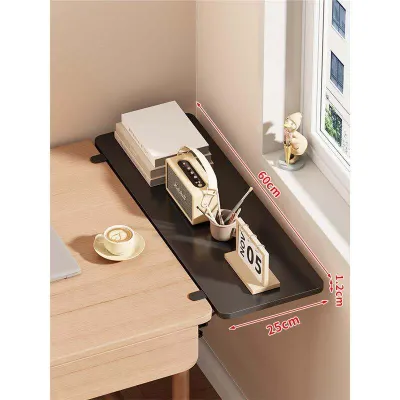
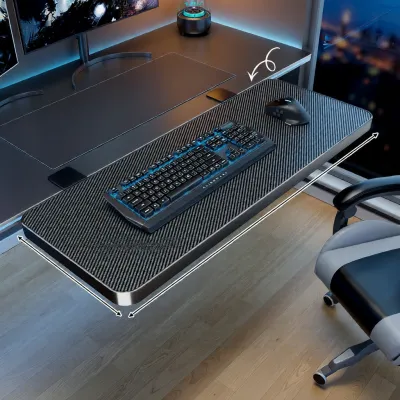
Prices are valid at publication and may change. Please refer to the product page for the latest price.
Assessing Your Table Leg Profile and Material Limits
To find a compatible extender, begin by examining the cross-section of your table legs. Use a precise measuring tape or caliper to determine the exact dimensions at the very bottom of the leg, where the extender will make contact. Round legs require an accurate diameter measurement, while square, rectangular, or triangular legs require precise width and depth dimensions.

Next, identify the material of your table legs to determine which installation methods are safe. Solid timber legs are highly versatile and can tolerate drilling, screwing, or heavy clamping without losing structural integrity. In contrast, legs made of particleboard, medium-density fibreboard (MDF), or thin-walled hollow metal are prone to splitting, cracking, or crushing under localized pressure.
Finally, check the bottom of each leg for existing hardware such as plastic glides, metal domes, or adjustable leveling feet. These pre-installed components must usually be removed to expose a flat, stable surface. Leaving uneven hardware inside an extender cup can cause the table to sit at an angle or wobble under load.
Slip-On Extenders: Sizing and Friction Fit Requirements
Slip-on extenders, often referred to as boot or cup risers, are the most straightforward option for tables with straight, uniform legs. These accessories feature a hollow cavity that slides over the bottom of the leg, relying on a snug fit to keep the table stable during use. They are highly suitable for both round and square legs that maintain a consistent width near the floor.
Achieving a precise fit is critical when using slip-on models. If the inner cavity of the extender is even slightly too large, the leg will shift inside the cup, causing the table to sway when lateral force is applied. Conversely, if the cavity is too small, the leg will not bottom out completely, creating an uneven and highly unsafe setup.
To prevent slipping on smooth surfaces like polished wood or metal, choose extenders equipped with internal rubber sleeves, friction pads, or adjustable set screws. These features grip the sides of the leg securely, ensuring the extender remains attached when the table is lifted or repositioned across the room.
Bolt-On Extenders: Drilling Conditions and Load Transfer
Bolt-on extenders provide a highly secure, semi-permanent connection by transferring the weight of the table directly through a heavy-duty threaded bolt. This design is ideal for tables that are moved frequently or subjected to heavy loads, as the physical connection prevents the extender from detaching.
This method requires a solid, drillable material such as solid oak, pine, or thick-walled metal with pre-existing threaded inserts. When installing these on wooden legs, you must drill a perfectly straight pilot hole matching the manufacturer’s specified diameter. Failing to drill a proper pilot hole can cause the wood grain to split under the expansion pressure of the bolt.
Avoid using bolt-on extenders on fragile materials like hollow metal, thin veneers, or low-density engineered woods. These materials lack the structural density required to hold screw threads securely. Under lateral stress, the threads can easily strip out, leading to a sudden collapse of the table leg.
Plate-Style Extenders: Adapting to Flat or Non-Standard Bases
When dealing with angled legs, T-shaped trestles, or central pedestal bases, standard cup or bolt-on extenders are rarely compatible. Plate-style extenders solve this issue by utilizing a flat metal mounting plate that screws directly into the flat underside of the table base or the wide bottom of a pedestal.
Before purchasing, verify that the dimensions of the mounting plate fit entirely within the footprint of your table base. The plate must sit completely flush against the wood or metal surface without overhanging the edges. Any overhang reduces the contact area, which compromises stability and introduces a severe tipping hazard.
Secure the mounting plate using heavy-duty wood screws or machine bolts appropriate for your table’s material. Once the plates are firmly attached, ensure the new floor contact points are fitted with felt pads or rubber glides to protect your flooring from scratches and scuffs, especially on delicate hardwood or tile surfaces common in modern apartments.
Pre-Purchase Compatibility and Safety Checklist
Before finalizing your purchase, cross-reference the rated load capacity of the extenders with the total weight of your table. Remember to calculate the weight of the table frame, the tabletop itself, and the maximum expected surface load, such as heavy computer monitors, sewing machines, or kitchen appliances.
Measure the clearance of your surrounding space to ensure the raised table remains functional. Check that your existing chairs can still slide underneath comfortably, and verify that the new height does not block nearby power outlets, light switches, window sills, or door swings.
Once the extenders are installed, perform a manual stability test before placing any valuable items on the table. Gently push the table from different angles to check for swaying, flexing, or loose connections. If you detect any movement, re-tighten all fasteners or re-evaluate the fit of your slip-on cups.
Frequently Asked Questions (FAQ)
Can I use table height extenders on legs with existing casters or wheels?
No, stacking table height extenders directly onto legs with active casters or wheels is highly unsafe. Casters must be completely removed before installing any slip-on or bolt-on extenders to ensure a flat, stable foundation. Raising a table that remains on wheels significantly elevates its center of gravity, greatly increasing the risk of the table tipping over when pushed or rolled.
Do I need to reinforce the table joints after adding height extenders?
Adding height extenders increases the physical leverage exerted on the joints where the legs meet the tabletop apron. If your table exhibits any swaying or flexing after the height is increased, you should reinforce the joints. Installing steel corner braces, wooden gussets, or cross-supports will help distribute lateral forces safely and prevent the original joints from loosening over time.
Community discussion
Share your experience or ask a question. Comments are reviewed before publication.