
In modern Singaporean homes, the kitchen island or breakfast counter has evolved into the true center of daily life. From quick morning coffees before the daily commute to casual evening hosting and remote work sessions, these high-traffic zones demand seating that is both highly functional and visually cohesive. Integrating a swivel stool chair into your space offers the perfect balance of dynamic movement and style, allowing you to turn easily between the cooking area and the living space without dragging heavy furniture across your floors.
Choosing the right design requires looking beyond simple functionality to understand how different materials, shapes, and structural details interact with your existing interior architecture. Whether you live in a compact HDB flat with an open-concept kitchen or a spacious private condominium, selecting a stool style that aligns with your design theme will elevate the entire room. By evaluating your home’s dominant materials, color palette, and layout, you can choose a seating option that either blends seamlessly into the background or serves as a striking design statement.
The Quick Guide to Matching Swivel Stools with Your Decor
In open-plan living environments, the furniture you choose for your kitchen island or bar counter acts as a visual bridge between different functional zones. Because these stools sit at counter height, their backs and silhouettes are highly visible from the living room, dining area, and entryway. A poorly matched set of stools can disrupt the visual flow of your home, while a well-selected set anchors the space and defines the transition between cooking and living areas.
Products mentioned in this guide
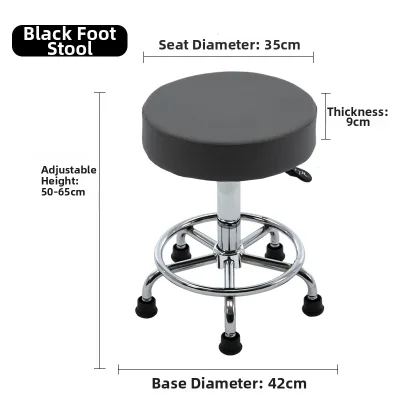
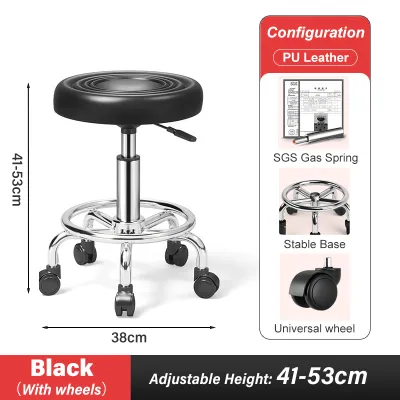
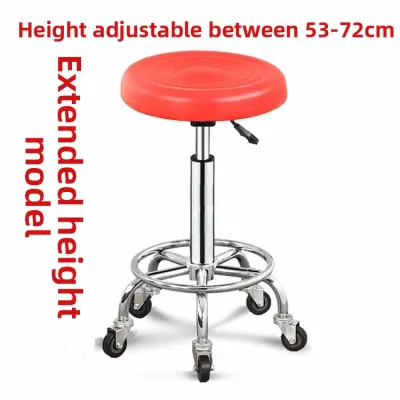
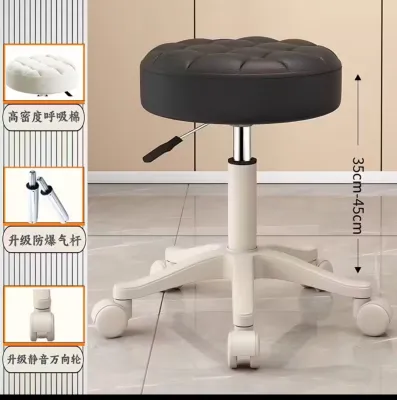
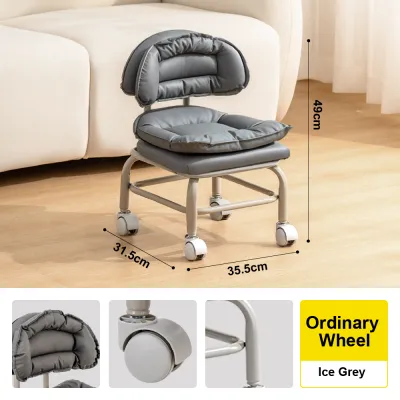
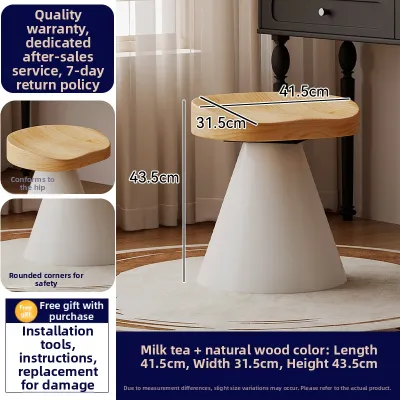
Prices are valid at publication and may change. Please refer to the product page for the latest price.
When selecting a swivel stool chair, you can choose between two primary design strategies: matching or contrasting. The matching approach focuses on visual cohesion, selecting stools that mirror the dominant wood tones, metal finishes, and colors already present in your cabinetry and flooring. This creates a calm, integrated look that makes your kitchen area feel larger and more organized. The contrasting approach, on the other hand, uses stools as accent pieces. By introducing a different material or a bold pop of color—such as placing matte black metal stools against a white marble island—you create an eye-catching focal point that adds depth and personality to the room.
Before browsing online marketplaces or visiting local showrooms in Singapore, perform a quick diagnostic check of your space. Identify the dominant wood species (such as light oak, warm teak, or dark walnut), the primary metal finishes (like brushed brass, polished chrome, or matte black steel), and the overall color temperature of the room. Note the texture of your countertops, whether they are sleek quartz, rustic concrete, or polished marble. Keeping these dominant elements in mind will help you narrow down your options and avoid choosing a style that clashes with your home’s permanent fixtures.
Visual Elements That Define Swivel Stool Aesthetics
Every swivel stool chair is defined by a combination of materials, shapes, and mechanical details that dictate its overall style. Understanding these visual elements allows you to look past generic product descriptions and identify which design category a stool truly belongs to.

Materials and Finishes
The materials used in a stool’s construction carry strong stylistic associations. Natural wood grains like ash, oak, and birch bring warmth and organic simplicity, while dark woods like mahogany or walnut suggest classic elegance or mid-century sophistication. Metals also play a key role: polished chrome and shiny stainless steel evoke a clean, ultra-modern aesthetic, whereas matte black steel and distressed iron point toward an industrial feel. For upholstery, the choice of fabric dramatically alters the stool’s character. Genuine or high-quality synthetic leather offers a sleek, easy-to-clean option that fits modern and industrial spaces alike. Textured linens and woven fabrics project a cozy, relaxed vibe, while plush velvet instantly introduces a sense of luxury and classic charm.
Silhouettes and Lines
The overall silhouette of a stool dictates how much visual weight it occupies in your kitchen or dining area. Modern designs favor clean, geometric lines, thin profiles, and minimalist shapes that allow light to pass through, making them ideal for maintaining an airy feel in smaller apartments. Conversely, traditional and classic styles feature curved, organic, or ornate profiles, such as turned legs, scrolled backs, and thick, plush cushions. These substantial silhouettes command attention and work best in larger spaces where the furniture can serve as a grounded anchor.
Base and Footrest Design
The structure of the base and the visibility of the swivel mechanism heavily influence the stool’s aesthetic. Some stools feature a central pedestal base with a flat, circular disc at the bottom, which hides the swivel plate and provides a sleek, modern look. Others utilize a classic four-legged frame where the swivel mechanism is tucked discreetly beneath the seat. The footrest is another crucial design element; it can be a simple, streamlined metal ring, a rugged rectangular bar, or a decorative curved support. A bulky, highly visible mechanism adds industrial or mechanical character, while a hidden, integrated swivel preserves clean, uninterrupted lines.
Color Theory and Visual Weight
Color selection determines whether your stools blend into your cabinetry or stand out as accent pieces. Neutral tones like charcoal, beige, taupe, and off-white offer maximum versatility, allowing the stools to transition smoothly if you decide to update your wall colors or decor accessories later. Bold colors, such as deep forest green, navy blue, or mustard yellow, turn your seating into a design statement. When choosing bold colors, consider the visual weight: dark or highly saturated colors make the stools appear heavier, while lighter colors and open frames keep the space feeling open and breezy.
Recommended Swivel Stool Styles by Interior Theme
To help you find the perfect match, let’s explore how specific design characteristics align with five of the most popular interior design themes found in Singaporean homes.
Modern and Contemporary
Modern and contemporary interiors prioritize sleekness, high-end finishes, and a clutter-free aesthetic. If your home features high-gloss cabinetry, seamless quartz countertops, and integrated appliances, your swivel stools should match this sophisticated, streamlined look.
- Recommended Materials: Look for polished metals, chrome, molded plastics, and smooth faux or genuine leather upholstery that is easy to wipe down.
- Design Traits: Select stools with minimalist pedestal bases, slim profiles, and hidden or highly integrated swivel mechanisms. Monochromatic color schemes—such as solid black, crisp white, or cool grey—work best to maintain a clean, cohesive look.
- Best For: High-gloss kitchen islands, minimalist breakfast bars, and open-concept apartments with sharp, clean architectural lines.
Industrial and Urban
Industrial design celebrates raw, unfinished elements, mechanical details, and utilitarian functionality. This style is highly popular in loft-style apartments, homes with exposed concrete finishes, and spaces featuring track lighting and black metal frames.
- Recommended Materials: Focus on distressed or reclaimed wood, raw or matte black steel, and worn, textured leather in shades of brown, tan, or charcoal.
- Design Traits: Look for stools that showcase their construction, featuring exposed hardware, visible rivets, heavy-duty threaded swivel posts, and cage-style footrests. These stools typically have a heavier, more grounded visual weight.
- Best For: Kitchens with concrete or dark granite countertops, exposed brick feature walls, and urban loft environments.
Scandinavian and Minimalist
Scandinavian design centers on simplicity, functionality, and a deep connection to nature. This style relies on light, airy spaces, natural wood tones, and soft textures to create a warm, welcoming atmosphere (often referred to as hygge).
- Recommended Materials: Choose light-toned woods such as ash, oak, or birch, paired with matte white or soft grey metal accents. For upholstered elements, look for textured woven fabrics, linen, or light felt.
- Design Traits: Opt for stools with tapered wooden legs, low-profile or open backs, and simple, functional swivel joints. The color palette should remain light and neutral, featuring soft pastels, warm whites, and light greys.
- Best For: Bright, sunlit kitchens with white or light wood cabinetry, Scandinavian-inspired dining areas, and compact spaces where maintaining an airy feel is a priority.
Mid-Century Modern
Mid-Century Modern design blends organic shapes with retro-inspired functionality. This style is characterized by its warm wood tones, gently curved lines, and playful use of color, making it an excellent choice for homeowners who appreciate vintage aesthetics.
- Recommended Materials: Look for rich walnut or teak wood finishes, brass or gold-toned metal accents, and bold upholstery materials like cognac leather, mustard yellow wool, or teal velvet.
- Design Traits: Seek out curved bucket seats, gently splayed tapered legs, and organic, ergonomic shapes that conform to the body. The swivel mechanism is often integrated into a wooden frame, preserving the vintage look.
- Best For: Homes featuring vintage or retro-inspired furniture, warm wood paneling, and geometric accent patterns.
Traditional and Classic
Traditional and classic interiors focus on symmetry, rich details, and formal elegance. If your home features ornate crown moldings, classic shaker-style cabinets, or formal dining spaces, your stools should reflect this timeless, substantial aesthetic.
- Recommended Materials: Select dark, rich woods like mahogany, cherry, or dark oak, paired with brushed bronze, antique brass, or copper metals. For fabrics, choose plush velvet, heavy cotton, or tufted leather.
- Design Traits: Look for classic details such as decorative nailhead trim, button-tufted backrests, turned wooden legs, and substantial, heavy bases that offer maximum stability.
- Best For: Formal dining counters, traditional wood-paneled kitchens, and classic transitional homes that value timeless elegance.
Beyond Aesthetics: Height, Clearance, and Swivel Mechanics
While finding the right style is essential, a swivel stool chair must also function correctly within your physical space. Ignoring measurements, clearance requirements, and mechanical specifications can lead to uncomfortable seating, damaged walls, or safety hazards.
Counter vs. Bar Height
One of the most common purchasing mistakes is confusing counter-height stools with bar-height stools. To ensure comfortable seating, you must measure the distance from the floor to the underside of your counter or island.
- Counter Height: Standard kitchen counters in Singapore typically sit between 85 to 90 cm (approximately 33 to 35 inches) from the floor. For these counters, you need stools with a seat height of 24 to 26 inches (61 to 66 cm). This leaves about 10 to 12 inches of legroom between the seat and the countertop.
- Bar Height: Elevated bar counters or high dining tables usually measure around 100 to 105 cm (approximately 39 to 41 inches) high. These require stools with a seat height of 28 to 30 inches (71 to 76 cm) to ensure comfortable seating.
Always check the manufacturer’s exact seat height specifications before buying, as some stools feature adjustable gas-lift mechanisms that allow you to customize the height within a specific range.
Swivel Clearance and Spacing
Swivel stools require more physical space than stationary chairs because users need room to rotate in and out of the seat. To prevent stools from bumping into each other or hitting the edge of your kitchen island, you must plan your spacing carefully.
As a general rule, allow at least 24 to 30 inches (61 to 76 cm) of space from the center of one stool to the center of the next. This ensures that when someone rotates the seat, there is adequate clearance for their knees and elbows. Additionally, if your stools have high backs, ensure they will not strike the edge of your countertop or adjacent cabinets when spun. Stools with a 180-degree auto-return swivel—which automatically rotate back to their original forward-facing position when you stand up—are excellent for keeping your kitchen looking neat and preventing accidental wall damage.
Base Footprint and Floor Protection
Different base designs affect both the visual weight of the stool and how easy it is to clean your floors. Stools with a flat, circular disc base offer a clean, modern look and distribute weight evenly, but they can collect dust around the edges and make sweeping slightly more difficult. These disc bases should always feature a high-quality rubber or plastic ring on the underside to prevent scratching your flooring, especially if you have polished porcelain tiles, vinyl, or engineered wood. Four-legged bases provide a more traditional look and make floor cleaning easier, but you should verify that the legs are fitted with protective felt pads or rubber caps.
Weight, Stability, and Delivery Access
Because swivel stools encourage movement, they must have a sturdy, well-balanced base to prevent tipping, especially when spinning. Heavy metal or solid wood bases offer the best stability. When browsing options, check the manufacturer’s stated weight capacity to ensure the stools can safely support your household and guests.
Furthermore, consider the delivery and assembly process. Many high-quality swivel stools are shipped semi-assembled in large boxes. Before finalizing your purchase, verify that the packaged dimensions can easily fit through your building’s passenger lift, your main doorway, and any narrow corridors in your home. If your building has tight access constraints, look for options that are shipped flat-packed and require on-site assembly.
Final Pre-Purchase Checklist for Your Space
Before adding your chosen swivel stools to your cart, take a few minutes to run through this final checklist to guarantee a perfect fit:
- Measure Your Countertop: Confirm the exact height from the floor to the underside of the counter, and verify that your chosen stool leaves 10 to 12 inches of clearance for comfortable legroom.
- Verify the Swivel Type: Decide whether you prefer a manual 360-degree swivel, an adjustable gas-lift mechanism, or a self-returning swivel that automatically aligns itself.
- Check Floor Protection: Ensure the stool base includes built-in rubber rings, plastic caps, or felt pads to protect your specific flooring material from scratches.
- Review Care and Maintenance: Confirm that the upholstery and frame materials align with your household's lifestyle. For example, if you have young children or pets, opt for easy-to-wipe faux leather or treated fabrics over delicate, light-colored linens.
- Confirm Delivery and Assembly: Check the package dimensions against your lift and doorway clearances, and verify if assembly tools are included or if professional assembly services are available.
Frequently Asked Questions (FAQ)
Can I mix different stool styles around the same kitchen island?
Yes, you can mix different stool styles, but you should maintain at least one consistent design element to prevent the space from looking chaotic. For example, you can choose stools with different seat shapes or upholstery colors as long as they share the exact same metal finish, wood tone, or seat height. This creates a curated, eclectic look while maintaining visual balance and harmony across your kitchen island.
Are swivel bar stools safe for homes with young children?
Swivel stools can be safe for children if you choose the right design features. Look for stools with wide, heavy bases that lower the center of gravity and prevent tipping. Avoid models with highly sensitive gas-lift height adjustment levers that children might play with, and opt for stools with a limited 180-degree swivel or an auto-return mechanism rather than a free-spinning 360-degree joint. Always check the manufacturer’s safety guidelines and weight distribution ratings.
How do I clean and maintain different swivel stool materials?
For metal frames and bases, a simple wipe-down with a damp microfiber cloth is usually sufficient to remove dust and fingerprints; avoid harsh chemical cleaners that can strip the protective finish. Wood elements should be cleaned with a dedicated wood cleaner and kept dry to prevent moisture damage. For upholstered seats, always consult the manufacturer’s care label. Faux leather can be cleaned with mild soap and water, while specialized fabrics or genuine leathers may require specific upholstery cleaners or professional care to maintain their texture and color over time.
Community discussion
Share your experience or ask a question. Comments are reviewed before publication.