
To find the best shoe stacker for your closet, you must balance your wardrobe’s physical dimensions with the specific heights and styles of your footwear. The ideal choice is not a one-size-fits-all solution; it depends on whether you need to double the capacity of shallow shelves, accommodate a diverse mix of heels and flats, or organize a deep closet floor. By matching the right organizer design—whether adjustable, slot-style, tiered, or modular—to your closet’s layout, you can maximize vertical space, preserve your shoe materials, and maintain an orderly home.
Assess Your Closet Space and Shelf Dimensions
Before purchasing any organization system, taking precise measurements of your physical closet space is essential to prevent fit issues. Start by measuring the internal width, depth, and height of your shelves. It is highly recommended to measure these dimensions at multiple points—specifically at the front, middle, and back of the shelf. Built-in wardrobes, particularly in custom-built homes, can have slight structural variances or unevenness that might cause a standard-sized stacker to jam or sit awkwardly.
Door clearance is another critical factor that dictates which stacker design will function smoothly. If your closet features sliding doors, you must account for the overlap area where the doors pass each other, as stackers placed too close to this boundary can block the doors or get damaged. For hinged doors, ensure the stacker does not interfere with the hinge mechanisms or the door’s inward swing path. In open walk-in setups, you have more freedom, but you still need to ensure the stackers do not protrude past the shelf edge and create a tripping hazard.
Products mentioned in this guide
Prices are valid at publication and may change. Please refer to the product page for the latest price.
Do not overlook the maximum load capacity of your existing shelves. While a single acrylic or plastic shoe stacker feels lightweight, placing dozens of them across a shelf alongside a full collection of heavy leather shoes or chunky sneakers significantly increases the overall structural load. Over time, this concentrated weight can cause standard particleboard or MDF shelves to bow, sag, or even slip from their support pins. Verify your shelf material and support brackets before loading them fully.
Finally, measure the vertical clearance between fixed shelves. If your shelves are permanent and cannot be adjusted, you must select stackers that fit comfortably within that exact height limit while leaving enough clearance for you to easily insert and retrieve your shoes. If you have adjustable shelving, you have more flexibility to accommodate taller stacker designs, but you will still need to plan the spacing to avoid wasting valuable vertical real estate.
Evaluate Your Shoe Collection and Usage Habits
Your shoe collection’s specific composition is the primary driver behind the stacker geometry you require. Different shoe profiles have vastly different spatial needs. Low-profile shoes like flats, sandals, and classic canvas plimsolls require very little vertical clearance, making them ideal for compact, space-saving stackers. Conversely, chunky sneakers, platform heels, and ankle boots demand significantly more height and a wider base to remain stable without being crushed or scuffed.

Usage frequency should dictate where and how you position your shoes within the closet. Your high-frequency footwear—the pairs you wear daily for work, school, or exercise—must be placed on easily accessible, open-front stackers located at eye level or waist height. Low-frequency items, such as formal dress shoes, seasonal footwear, or occasion-specific heels, can be relegated to the highest shelves or the deepest corners of your wardrobe, where space-saving, enclosed, or high-density stacking designs are more appropriate.
Conducting a simple self-audit of your footwear is an effective way to plan your purchase. Empty your closet and group your shoes by type and height. Count exactly how many pairs fall into categories such as flats, standard sneakers, high heels, and boots. This audit gives you a precise number of units to buy and prevents the common mistake of purchasing a bulk pack of uniform stackers that cannot accommodate your taller or bulkier shoes.
Additionally, consider how shoe materials interact with your storage choices. Natural leather, suede, and delicate fabrics require adequate airflow to prevent mold, mildew, and material degradation—a particularly vital consideration in humid climates like Singapore’s. Cramming these premium materials into airtight, enclosed plastic boxes or overly tight, compressed stacking configurations can trap moisture and ruin the finish. Canvas and synthetic materials are slightly more resilient but still benefit from well-ventilated storage setups.
Match Your Needs to the Right Shoe Stacker Design
Choosing the right shoe stacker design requires matching your physical closet constraints with your shoe types. The four primary designs on the market—adjustable, drop-down/slot, tiered, and modular—each serve distinct spatial and organizational purposes.
Adjustable Shoe Stackers
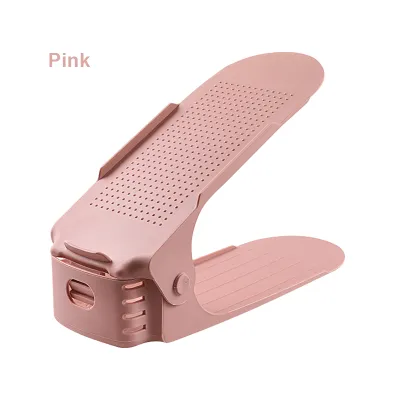
Adjustable shoe stackers feature a hinged or multi-level design that allows you to modify the height or angle of the top platform. This flexibility makes them the premier choice for mixed shoe collections where you need to store flat sandals on one unit and high-top sneakers or moderate heels on the next. By angling the top shoe, you can maximize vertical space on lower shelves while keeping both shoes visible and accessible.
However, adjustable models do have specific physical limitations. Because of their angled design, they typically require more shelf depth than flat-stacking alternatives, as the angled shoe may overhang the front of a shallow shelf. They also require sufficient vertical clearance between shelves to accommodate the raised angle of the top shoe. Before selecting this style, verify that your shelves are deep enough to support the full length of the tilted stacker without obstructing your closet doors.
Drop-Down or Slot Stackers
Drop-Down or slot stackers, often referred to as double-deck shoe slots, utilize a fixed, two-tier ramp design where one shoe sits directly above the other in a compact footprint. This design is highly effective at doubling your shelf capacity because it utilizes the vertical space that is normally wasted above a single pair of flat shoes.
These slot stackers are strictly designed for low-profile footwear, such as flats, flip-flops, sandals, and low-top canvas shoes. You should avoid using them for high-top sneakers, thick-soled running shoes, or high heels. Attempting to force taller shoes into these fixed-height slots will cause the upper platform to press down on the shoe below, which can crease leather, deform shoe collars, or leave unsightly scuff marks on delicate materials.
Tiered or Shelved Stackers
Tiered or shelved stackers function as mini-shelving units that sit inside your existing closet, typically offering two to four horizontal tiers. This design is highly suited for closet floors, large walk-in wardrobe bases, or deep bottom shelves where vertical space is abundant but horizontal organization is lacking. They provide excellent visibility and immediate, slide-in access, making them highly practical for family entryways or daily-wear closet sections.
When selecting a tiered unit, it is crucial to measure the floor footprint and depth carefully. Because these units are wider and deeper than individual shoe slots, they can easily obstruct walking paths or block the tracks of sliding closet doors if they protrude even slightly. Opt for models with stable, wide bases to ensure the unit does not wobble when you quickly pull a pair of shoes from the top tier.
Modular or Expandable Systems
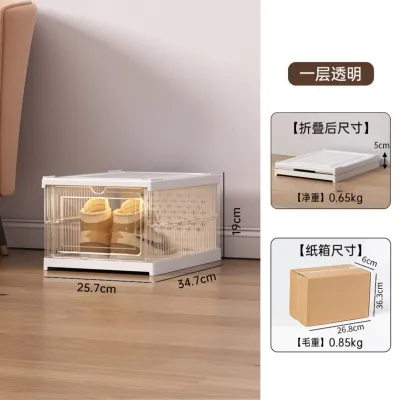
Modular or expandable systems consist of individual interlocking cubes, boxes, or frames that can be stacked vertically and connected horizontally. This system is the ultimate solution for large walk-in closets, custom wardrobe projects, or growing shoe collections, allowing you to build a cohesive, tailored storage wall that matches the exact contours of your space.
As your collection grows or changes, you can easily purchase and snap on additional units to expand your storage capacity. Because these setups can become quite tall and heavy when fully loaded, they require stable interlocking mechanisms or secure anchoring to the closet wall. Unanchored, tall modular columns run the risk of shifting, leaning, or tipping over when you pull out a heavy pair of shoes, so always verify the stability of the joints during assembly.
Installation, Stability, and Maintenance Checks
Once you have selected the appropriate shoe stacker style, ensuring safe installation and long-term stability is key to protecting both your footwear and your cabinetry. Always check for non-slip features on the stackers before placing your shoes on them. Look for units that incorporate textured surfaces, raised ridges, or small end-guards on the platforms. These features prevent shoes from sliding off, which is particularly common with angled adjustable models or smooth plastic surfaces.
Implementing smart weight distribution is another essential step for maintaining closet stability. As a general rule, place your heaviest footwear, such as leather boots, heavy-soled sneakers, and platform shoes, on the lowest shelves or the bottom tiers of your stackers. Lighter footwear, including flats, sandals, and canvas shoes, should be placed on the higher shelves or upper levels. This low center of gravity prevents shelves from becoming top-heavy and minimizes the risk of structural bowing or accidental tip-overs.
Maintenance is crucial for preserving both the stackers and your shoes, particularly in warm, humid environments where dust and moisture can accumulate quickly. Periodically wipe down acrylic, plastic, or metal stackers with a damp microfiber cloth to remove dust, dirt, and outdoor debris brought in by your shoes. Ensure the stackers are completely dry before placing shoes back on them. To combat moisture buildup, avoid packing shoes too tightly together, and consider placing moisture-absorbing sachets or silica gel packs in the corners of your closet shelves to maintain a dry environment.
Finally, perform routine checks on your closet’s moving parts. Over time, daily use can cause individual shoe stackers to shift slightly on the shelves. Ensure that none of the units have migrated forward to the point where they rub against sliding door tracks, block hinges, or interfere with integrated wardrobe lighting strips. Keeping a clear clearance zone ensures your closet doors operate smoothly and prevents unnecessary wear on your wardrobe hardware.
Frequently Asked Questions (FAQ)
Can I use shoe stackers on wire closet shelves?
Yes, but you must take precautions to ensure stability. Standard shoe stackers with narrow feet or minimalist bases can easily slip through the gaps of wire shelving, causing the stacker to tilt and the shoes to fall. To prevent this, place a solid plastic or acrylic shelf liner over the wire shelf before positioning your stackers. Alternatively, look for shoe stackers specifically designed with wide, continuous flat bases that can bridge the wire gaps securely without wobbling.
How do I prevent shoe stackers from scratching my wooden shelves?
To protect delicate wooden or veneered shelves from scratches and scuffs, select shoe stackers that feature built-in rubberized feet or soft felt pads on their bases. If the stackers you purchase do not have these protective features, you can easily apply small, adhesive felt pads or silicone bumper dots to the bottom corners of each unit. These pads not only prevent scratches when you slide the stackers in and out but also add friction to keep the units from sliding around on smooth wooden surfaces.
Are shoe stackers suitable for heavy winter boots or tall footwear?
Most standard shoe stackers are not designed to accommodate tall boots or heavy winter footwear, as the limited vertical clearance will force the boot shafts to bend, crease, or crush. For ankle boots, you can use adjustable shoe stackers set to their maximum height and angle, provided your shelf clearance allows it. For mid-calf, knee-high, or heavy winter boots, it is best to avoid standard stackers entirely and instead use dedicated boot shapers, hanging boot organizers, or specialized tall shelving configurations to preserve the structure of the footwear.
Community discussion
Share your experience or ask a question. Comments are reviewed before publication.