
Selecting the right shelf support is the difference between a stable, functional storage solution and a sagging, hazardous installation. To make the correct choice, you must evaluate three core factors: the shelf material, the weight of the items you intend to store, and the composition of your wall or cabinet. By aligning these elements, you can determine whether your project requires heavy-duty brackets, adjustable cabinet pins, or concealed floating hardware.
Assess Your Shelf Material and Load Requirements
The physical properties of your shelf board dictate how it behaves under pressure. Solid timber, for example, offers excellent structural integrity but is heavy and prone to natural expansion in humid environments. Engineered materials like Medium-Density Fibreboard (MDF) or particleboard are uniform and cost-effective, but they have lower resistance to bending and require closely spaced supports to prevent sagging. Glass and metal shelves demand specialized non-slip or cushioned supports to prevent scratching, cracking, or sliding.
Next, calculate the total weight the shelf must bear. A decorative display holding a few light ornaments requires minimal support, whereas a kitchen shelf holding heavy ceramic tableware or a bookshelf packed with novels demands robust structural reinforcement. Always check the manufacturer’s load ratings for both the shelf board and the supporting hardware, keeping in mind that the overall capacity is limited by the weakest component in the assembly.
Products mentioned in this guide
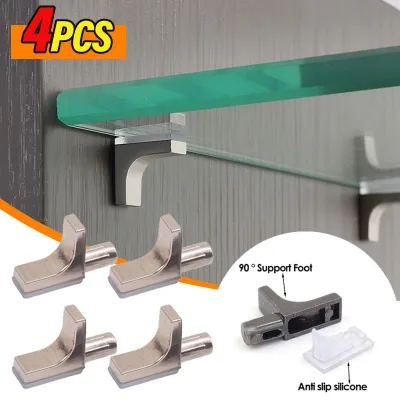
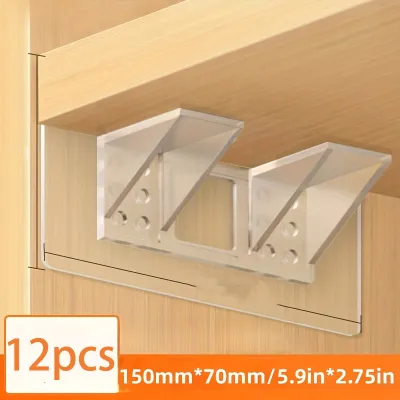
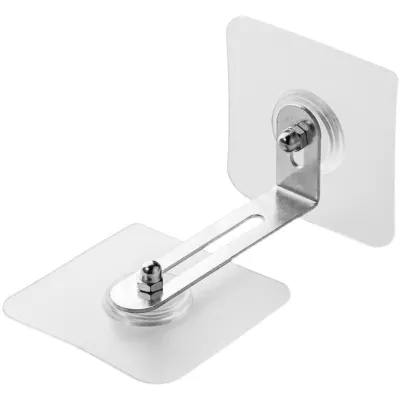
Prices are valid at publication and may change. Please refer to the product page for the latest price.
To prevent bowing, you must determine the correct span between supports. As a general rule, thinner or more flexible materials like 18mm MDF require supports spaced no more than 600mm apart, while thick solid wood can often span up to 900mm under moderate loads. Exceeding these recommended spans leads to noticeable sagging, which compromises both the appearance and safety of your shelving.
Evaluate Your Installation Surface and Wall Type
The mounting surface determines how securely your shelf supports can be anchored. In Singapore, residential walls vary significantly; older HDB flats and private apartments typically feature solid concrete or masonry walls, while newer developments often use drywall partitions for internal rooms. Mounting into solid concrete provides exceptional holding power but requires a hammer drill, masonry drill bits, and high-quality wall plugs.

Conversely, installing shelves on drywall partitions requires finding the underlying timber or metal studs for any load-bearing application. If you must mount directly into the drywall between studs, you must use specialized hollow-wall anchors, such as toggle bolts or heavy-duty threaded anchors. Never attempt to support significant weight on drywall using standard plastic expansion plugs, as they will easily pull out under tension.
When installing shelving inside a wooden cabinet carcass, the cabinet walls themselves act as the support structure. Here, pre-drilled holes accommodate adjustable shelf pins, distributing the load directly into the cabinet frame. If your wall type cannot safely support the leverage of a deep, heavily loaded shelf, you must pivot from concealed floating hardware to visible, deep-set brackets, or consider a freestanding shelving unit instead.
Compare Common Shelf Support Types
Choosing between visible and concealed hardware is a balance of aesthetics, installation effort, and load capacity. Visible hardware, such as brackets and tracks, offers the highest weight limits and the most straightforward installation, making it ideal for utilitarian spaces or rustic designs. Concealed hardware, such as floating shelf rods or recessed pins, provides a clean, minimalist look but requires precise carpentry and offers lower weight capacities.
Your choice also impacts future flexibility. Adjustable track systems and cabinet pins allow you to reposition shelves as your storage needs change, whereas fixed brackets and floating rods lock the shelf into a permanent position. Understanding these trade-offs helps you select hardware that matches your long-term functional requirements.
Brackets and Heavy-Duty Supports
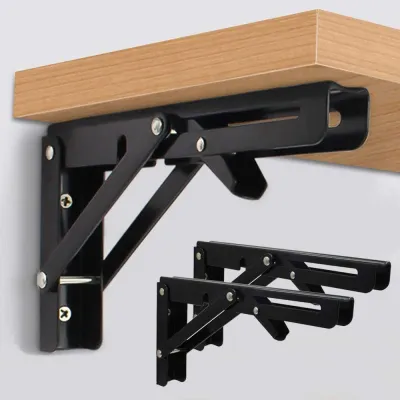
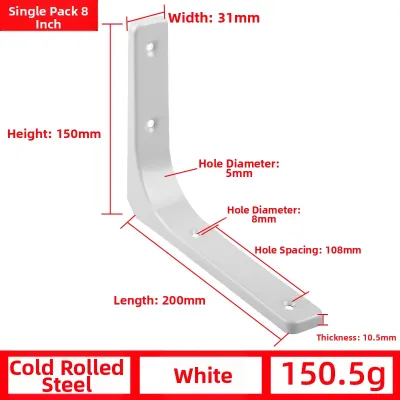
Visible L-brackets, heavy-duty metal brackets, and decorative corbels are the premier choice when structural strength is your primary concern. These supports are essential for deep kitchen shelves, heavy pantry storage, garage shelving, and extensive book collections. Because they extend underneath the shelf board, they transfer the downward force directly back into the wall, minimizing leverage and pull-out forces.
When installing brackets, ensure the bracket depth matches the shelf board depth closely; the bracket should extend across at least two-thirds of the shelf’s total depth to prevent tipping. Secure the bracket to the shelf board using appropriate wood screws that do not pierce through the top surface, and space the brackets evenly to distribute the weight across multiple wall studs or masonry anchors.
Pins, Pegs, and Concealed Supports
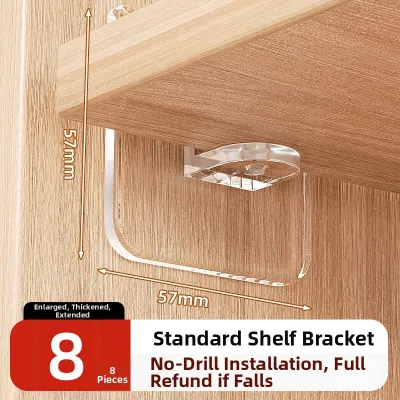
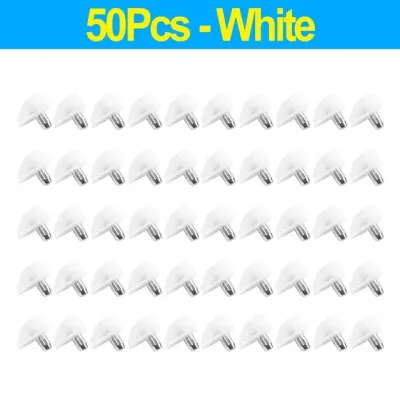
For internal cabinetry, wardrobe organizers, and light-duty displays, shelf pins and pegs offer a highly adjustable and unobtrusive solution. Standard metal or plastic pins fit into pre-drilled holes along the interior sides of a cabinet, allowing you to change shelf heights in seconds. For a completely seamless look on open walls, hidden floating shelf brackets utilize steel rods that slide directly into holes drilled into the rear edge of the shelf board.
Installing concealed floating supports requires exceptional precision. The holes in both the wall and the shelf board must be perfectly level, perpendicular, and aligned, as even a millimeter of deviation will cause the shelf to sit crookedly or fail to slide onto the rods. Additionally, floating shelves generate immense leverage on the wall, meaning the internal brackets must be anchored directly into wall studs or solid masonry to prevent the shelf from sagging or pulling away from the wall.
Verify Clearances, Measurements, and Safety Boundaries
Before finalizing your installation, carefully measure the physical space to ensure your supports do not interfere with other household elements. Check that brackets do not block the swing of nearby cabinet doors, obstruct light switches, or protrude into high-traffic walkways where they could cause injury. Ensure the vertical clearance between shelves accommodates your tallest stored items comfortably.
Precision is critical when preparing your hardware. Use a drill guide to ensure all holes for shelf pins or floating rods are drilled straight and to the exact depth specified by the manufacturer. If you are drilling into cabinet sides, use a drill stop to avoid accidentally boring through the exterior finished face of the cabinet.
Always establish clear safety boundaries and know when to halt your project. If you encounter unexpected resistance while drilling, suspect hidden electrical conduits or water pipes, or find that your wall material is crumbling and unable to hold an anchor, stop immediately and consult a qualified professional. Operating within these safety limits ensures your DIY shelving project remains a secure and durable addition to your home.
Frequently Asked Questions (FAQ)
Can I use drywall anchors for heavy floating shelves?
No, relying solely on standard drywall anchors for heavy floating shelves is highly risky. Floating shelves act as levers, multiplying the downward force and creating significant pulling tension on the top wall anchors. For heavy loads, floating shelf brackets must be anchored directly into timber studs or solid masonry; if you must use drywall, limit the shelf to light decorative items and use high-capacity toggle bolts within the manufacturer’s strict weight limits.
How do I prevent a long wooden shelf from sagging?
To prevent a long wooden shelf from sagging, you can reduce the span between your shelf supports or add structural reinforcement. Installing a solid wood lip or a metal batten along the front or back edge of the shelf significantly increases its resistance to bending. Additionally, verify the sag limits of your specific wood species and thickness before finalizing your support spacing.
Community discussion
Share your experience or ask a question. Comments are reviewed before publication.