
Selecting the right firmness for a seahorse foldable mattress depends on aligning the mattress’s structural density with your primary sleeping position and body weight. In compact Singapore living spaces, foldable mattresses offer a highly practical, space-saving sleep solution. However, because these tri-fold or bi-fold designs lack the thick comfort layers of traditional pocketed spring beds, choosing the correct firmness level is vital to prevent waking up with back aches or joint pain. Finding the perfect balance involves understanding how high-density foam supports your spine when placed directly on a hard floor or bed frame.
By matching your sleeping style with the correct support profile, you can prevent spinal misalignment and get the most out of your portable bed. This guide breaks down the physical properties of foldable foam, how different body types interact with various firmness levels, and the key maintenance steps required to keep your mattress supportive and hygienic over time.
Quick Match: Firmness Guidelines for Your Sleeping Position
Before diving into specific product specifications, it is helpful to establish a baseline of how different sleeping positions generally align with mattress firmness. Your sleeping posture dictates which parts of your body require the most support and which parts need to sink into the mattress to keep your spine straight.
Products mentioned in this guide
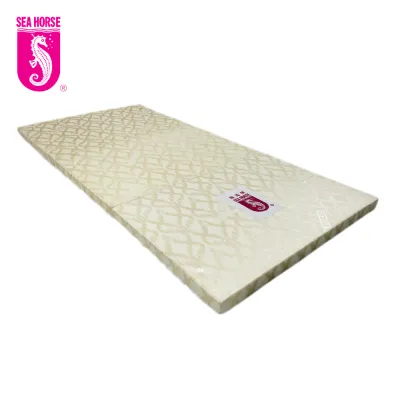
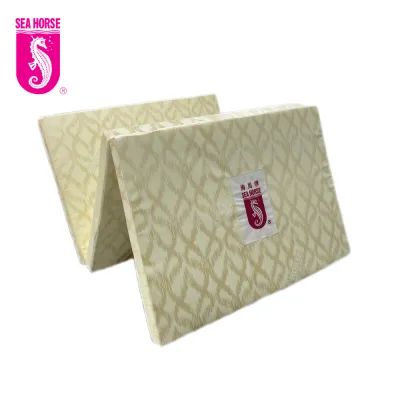
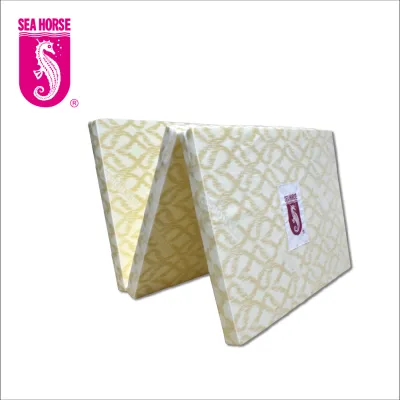
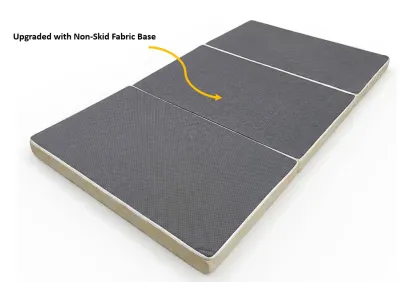
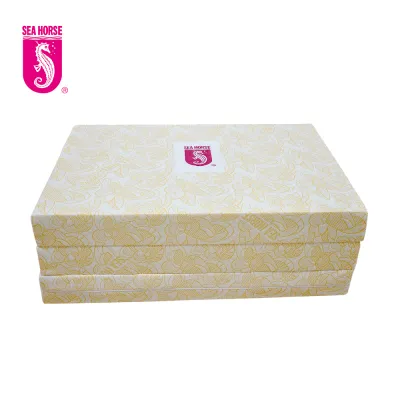
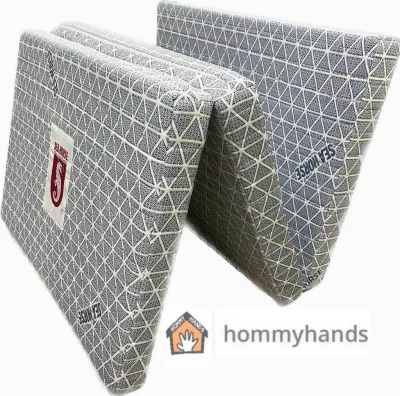
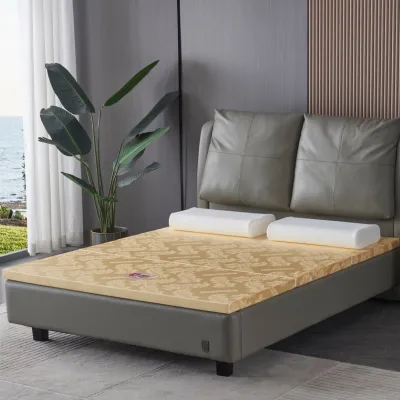
Prices are valid at publication and may change. Please refer to the product page for the latest price.
- Side Sleepers: Generally require a medium to medium-soft surface to cushion the prominent joints of the shoulder and hip, preventing localized pressure buildup.
- Back Sleepers: Benefit most from a medium-firm to firm surface that supports the natural curve of the lower back while preventing the pelvis from sinking too deeply.
- Stomach Sleepers: Require a firm to extra-firm surface to keep the midsection elevated, preventing the lower back from arching unnaturally.
Because a foldable mattress relies primarily on compact, high-density foam layers rather than deep, multi-layered spring systems, its overall feel will inherently differ from a standard mattress. A rating of “medium” on a tri-fold mattress may feel significantly firmer than the same rating on a thick pocket-spring bed. Therefore, these guidelines should serve as a foundational starting point; always verify the exact feel by reviewing the manufacturer’s product labels, checking specific model specifications, or visiting an authorized showroom for physical testing.
Personal comfort is highly subjective, and what feels supportive to one person may feel uncomfortably rigid to another. These general guidelines are designed to help you narrow down the options within the Seahorse foldable range so you can focus on the models most likely to suit your body’s biomechanical needs.
Why Foldable Mattresses Feel Different from Standard Beds
To understand how a foldable mattress supports your body, you must look at its construction. Traditional mattresses use thick comfort layers, transition foams, and deep pocketed coils to distribute weight gradually. In contrast, a foldable mattress must remain lightweight and portable, leading to a thinner profile—typically ranging from 2 to 5 inches (approximately 5 to 12.7 cm) in thickness. This compressed design relies heavily on high-density foam cores to prevent your body from “bottoming out” against the hard surface underneath.

The presence of folding hinges also alters how weight is distributed across the surface. The joints where the mattress sections fold can create subtle gaps in support if the mattress is not placed on a perfectly flat surface. Furthermore, because there are no deep steel springs to absorb compression, the resistance of the foam is immediate. When you lie down, your body weight quickly meets the dense core of the mattress, making a “medium” foldable mattress feel noticeably firmer than a traditional mattress of the same rating.
This immediate resistance is amplified when the mattress is placed directly on a hard floor, such as polished concrete, vinyl, or ceramic tiles common in Singapore homes. Without a flexible bed base or box spring to absorb energy, the floor acts as a rigid boundary, pushing back against the foam. To make an informed decision, always examine the specific foam density (measured in kg/m³), the overall thickness, and the layer composition detailed on the Seahorse product packaging or official store descriptions. These physical specifications are far more reliable indicators of actual support and durability than generic marketing labels.
How to Select Firmness for Your Sleeping Position
Maintaining proper spinal alignment is the primary goal of any mattress. When you sleep, the muscles and ligaments in your back should be allowed to relax completely. If your mattress is too soft or too firm for your sleeping style, your muscles will remain tense throughout the night to compensate for the lack of skeletal support, leading to morning stiffness and chronic pain.
Side Sleepers: Prioritizing Pressure Relief
When you sleep on your side, your body weight is concentrated over a relatively small surface area, primarily at the shoulders and hips. To maintain proper spinal alignment, these prominent joints must sink slightly into the mattress, allowing the waist and neck to remain supported. If the mattress is too firm, it can cut off local circulation, leading to numbness, tossing and turning, and morning shoulder pain.
For side sleepers, the ideal choice within the Seahorse foldable range is a medium to medium-soft profile. This level of firmness provides just enough surface yield to cradle the shoulders and hips, distributing your weight more evenly across the foam. However, because many foldable mattresses are designed with high-density foam to ensure durability, finding a truly plush option can be challenging.
If you find that the available foldable options are still too firm for your side-sleeping posture, consider customizing your setup. Adding a separate, high-quality soft mattress topper—such as a 1-inch or 2-inch memory foam or latex topper—can introduce the necessary pressure relief without compromising the supportive foundation of the underlying foldable mattress.
Back Sleepers: Maintaining Lumbar Alignment
Back sleeping is highly efficient for spinal alignment, provided the mattress supports the natural “S” curve of your spine. The primary challenge for back sleepers is preventing the heavier pelvic region from sinking too deep into the mattress while ensuring the lower lumbar spine does not hover unsupported.
A medium-firm to firm foldable mattress is generally the most effective choice for back sleepers. This firmness level offers a stable, supportive surface that holds the torso and pelvis in a neutral plane, allowing the muscles surrounding your spine to fully relax overnight. The high-density foam core of a medium-firm Seahorse model provides the essential upward resistance needed to keep your skeletal structure aligned.
You should actively avoid overly soft foldable mattresses, especially those with thin profiles. A soft mattress can easily allow your midsection to sink, creating a “hammock” effect that hyperextends the lower back. Over time, this poor alignment strain can manifest as chronic morning stiffness and lower back discomfort.
Stomach Sleepers: Preventing Lower Back Arching
Stomach sleeping is one of the most demanding positions for spinal health. When you sleep on your front, your center of gravity lies directly at your pelvis and abdomen. If the mattress surface is too soft, your midsection will sink deeply into the foam, causing your lower back to arch excessively. This unnatural hyperextension puts immense pressure on the lumbar vertebrae and surrounding ligaments.
To mitigate this risk, stomach sleepers must choose a firm or extra-firm foldable mattress. A firm surface keeps your torso elevated and ensures your spine remains in a flat, neutral position. The goal is to keep your body as level as possible, minimizing the angle of your lower back’s curve throughout the night.
When evaluating different models, stomach sleepers must pay close attention to the core foam density and overall thickness. A thin, low-density foam mattress will quickly compress completely under your midsection, causing you to “bottom out” against the hard floor. Opting for a thicker model with a high-density solid foam core is essential to maintain the structural integrity required to support your weight safely.
Refining Your Choice Based on Body Weight
Your body weight is the primary force acting upon the foam layers of a foldable mattress, directly influencing how firm or soft the mattress feels to you. The physics of foam compression dictate that a heavier individual will exert greater downward pressure, compressing the foam cells more deeply. Consequently, a mattress labeled “medium” may feel incredibly soft and unsupportive to someone weighing over 80 kg, whereas a lighter individual weighing under 50 kg might find that same “medium” mattress feels as rigid as a wooden board.
If you fall into a heavier weight category, you must lean towards firm or extra-firm options with high-density cores. Thinner foldable mattresses are particularly susceptible to deep compression; a heavier sleeper can easily push through the comfort layers and feel the hard floor or bed frame beneath. Choosing a thicker model (such as 4 to 5 inches) with a highly resilient, high-density foam core ensures that the mattress can distribute your weight effectively without flattening completely.
Conversely, lighter individuals should prioritize medium or plush options. Because a lighter body does not exert enough force to compress firm foam, the mattress will not contour to the body’s natural curves. This lack of compression can lead to uncomfortable pressure points on the shoulders, hips, and knees, resulting in restless sleep. A softer, more compliant foam surface allows lighter sleepers to experience the necessary body contouring and pressure relief.
To guarantee long-term durability and avoid premature sagging, always verify the maximum weight capacity or recommended user weight limits specified in the official Seahorse foldable mattress documentation. Adhering to these manufacturer guidelines ensures that the internal foam structure does not degrade prematurely under daily physical stress.
Pre-Purchase Checklist for Seahorse Foldable Mattresses
Before purchasing a seahorse foldable mattress, review this practical checklist to ensure the model you select fits your physical space, usage scenario, and maintenance capabilities.
- Space and Storage Dimensions: Measure both the unfolded sleeping dimensions and the folded storage dimensions of the mattress. In Singapore's compact HDB apartments, storage space is at a premium. Ensure the folded mattress can fit comfortably inside your intended storage area, whether that is a built-in wardrobe, a storage bed compartment, under-bed clearance, or your car trunk for transport. Standard Singapore mattress sizes (such as Single or Super Single) should be verified against your actual floor space to ensure there is adequate room to walk around the bed when unfolded.
- Floor vs. Bed Frame Compatibility: Foldable mattresses are highly versatile and frequently used directly on the floor for guests or space-saving setups. However, placing foam directly on a cold, hard floor restricts airflow beneath the mattress. In Singapore’s hot and highly humid tropical climate, this lack of ventilation can trap body heat and moisture, leading to condensation, musty odors, and mold growth. If you plan to use the mattress on the floor, ensure you place a breathable mat or barrier underneath, and commit to regularly propping the mattress up to air out.
- Removable and Washable Cover: Because foldable mattresses are often used at floor level, they are exposed to higher concentrations of dust, hair, and floor debris. Check if the specific Seahorse model you are considering features a removable and washable outer cover. A zippered, machine-washable cover makes maintenance significantly easier and helps maintain a hygienic sleeping environment, which is especially important for individuals sensitive to dust mites.
- Retailer Return and Trial Policies: Because comfort is highly subjective and the feel of a foldable mattress can differ from a traditional bed, check the return and trial policies of the retailer or official brand store before buying. Some physical showrooms or online platforms may offer exchange windows, while others may have strict "no-return" policies once the plastic packaging is opened. Verifying these terms beforehand provides a crucial safety net for your investment.
Frequently Asked Questions (FAQ)
Can a foldable mattress serve as a primary daily bed?
While a high-quality foldable mattress can offer excellent temporary support, using it as a primary daily bed over several years is generally not recommended unless it features a high-density, thick foam core specifically designed for daily use. Most standard foldable mattresses are engineered for occasional use, such as for overnight guests, temporary lodging, or camping. Under continuous, daily weight, the foam layers—especially in thinner 2-inch or 3-inch models—will naturally degrade and lose their resilience faster than a traditional heavy-duty mattress. If you must use a foldable mattress daily, prioritize a model with a thickness of at least 4 to 5 inches and a high-density solid foam core to ensure adequate spinal support over time.
How should I maintain a foldable mattress used on the floor?
Maintaining a foldable mattress used on the floor requires regular, simple care steps to prevent moisture buildup and dust accumulation. You should regularly prop the mattress up in a vertical position in a well-ventilated room, ideally near a window with indirect sunlight, to allow trapped moisture to evaporate. Vacuum the surface of the mattress weekly using an upholstery attachment to remove dust mites, dead skin cells, and floor debris.
For spills or stains, always refer to the manufacturer’s care label first. If spot cleaning is permitted, use a damp cloth with a mild detergent to gently clean the area, taking care not to saturate the foam. Never use harsh chemical solvents, bleach, or excessive amounts of water, as soaking the internal foam can permanently damage its structure, promote mold growth, and create deep-seated odors that are difficult to eliminate.
Community discussion
Share your experience or ask a question. Comments are reviewed before publication.