
Selecting the right Ogawa massage chair for your home requires a systematic evaluation of your physical needs, available living space, and budget. While flagship models offer advanced roller mechanisms and extensive track coverage, more compact or mid-range options often provide targeted relief without overwhelming a smaller room. By focusing on key technical specifications—such as track design, roller dimensions, and clearance requirements—you can identify a model that fits both your body and your living environment.
Define Your Needs Before Comparing Ogawa Models
Before browsing specific models, establish your household’s non-negotiable requirements. A massage chair is a significant physical and financial investment, meaning a single model must often accommodate multiple users with varying body types. Begin by listing the height, weight, and specific physical pain points of everyone who will use the chair. A user seeking deep-tissue lumbar relief requires different roller capabilities than someone looking for gentle shoulder relaxation or foot reflexology.
Next, assess your physical environment. In typical Singapore apartments, such as HDB flats or compact condominiums, floor space is at a premium. You must measure the designated area not just for the chair’s upright footprint, but also for its fully reclined state. Walkways must remain clear, and the chair should not block access to power outlets or ventilation.
Products mentioned in this guide
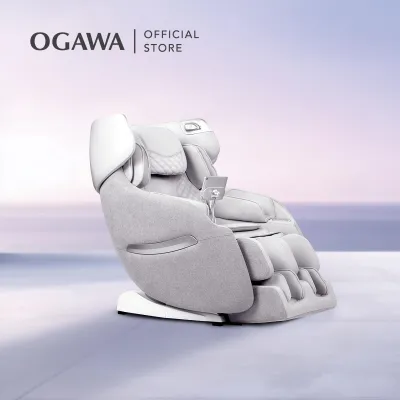
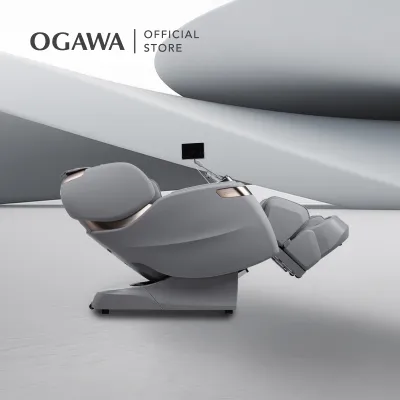
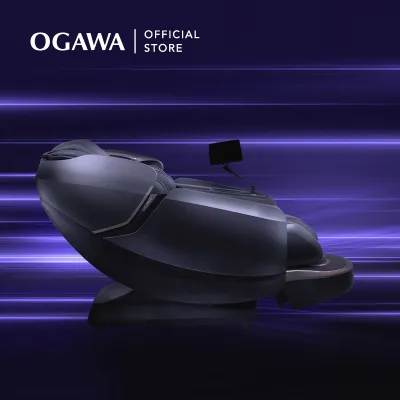
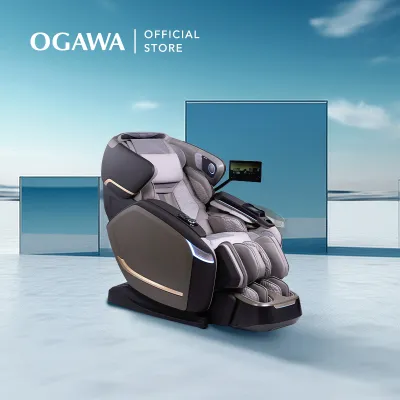
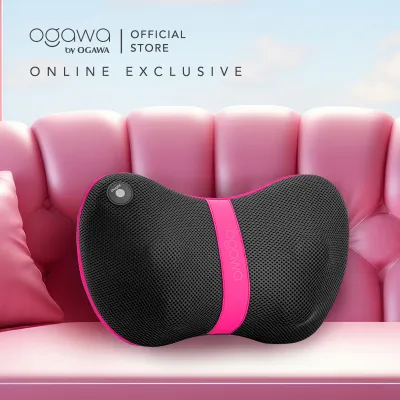
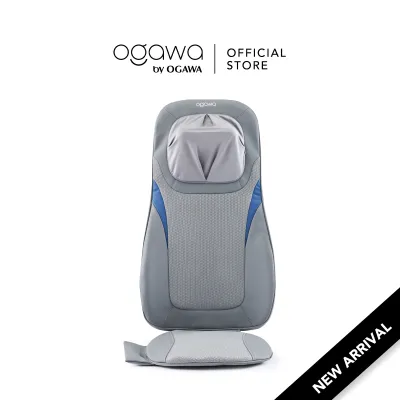
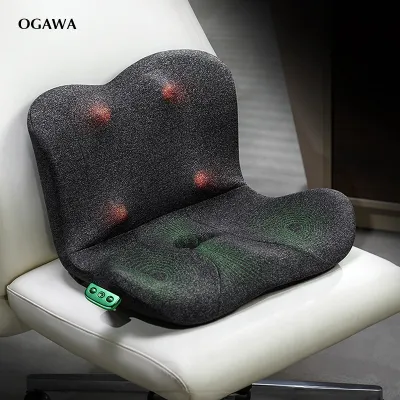
Prices are valid at publication and may change. Please refer to the product page for the latest price.
Finally, set a realistic budget in S$. Massage chairs span a wide financial spectrum, from entry-level space-savers to high-end therapeutic suites. Deciding on a spending limit beforehand helps you separate essential therapeutic features, such as targeted heat or specific track lengths, from premium upgrades like built-in entertainment systems or advanced artificial intelligence scanning.
Choose the Right Massage Track and Roller Type
The mechanical core of any massage chair is its track and roller system, which dictates how far the massage mechanism travels and how deeply it penetrates your muscles. Understanding these components is essential for matching a chair to your body proportions.

First, compare the track designs. An S-track follows the natural curvature of your spine, focusing primarily on the neck, shoulders, and lower back. It stops at the lumbar region, making it suitable for those who only require upper-body relief. In contrast, an L-track extends further, wrapping under the seat to reach the glutes and upper hamstrings. If you experience lower-back stiffness or spend long hours sitting at a desk, an L-track model offers more comprehensive coverage. Many modern chairs combine these into an SL-track, which attempts to offer both spinal contouring and extended reach.
Second, evaluate the roller mechanism, which is typically classified as 2D, 3D, or 4D. 2D rollers move on a flat plane (up and down, left and right). They offer a consistent, surface-level massage but cannot adjust their depth. 3D rollers add an in-and-out movement, allowing the rollers to protrude further into your muscles. This design lets you adjust the intensity of the massage, making it highly versatile for households where different users prefer different pressure levels. 4D rollers introduce speed variations to the 3D movement, mimicking the rhythmic acceleration and deceleration of a professional massage.
To ensure compatibility, always verify the maximum track length and roller width adjustability. If a chair lacks adjustable roller widths, users with narrower or broader shoulders may find the massage uncomfortable or ineffective. Check the manufacturer’s specifications to confirm that the roller path aligns with the height range of all intended users.
Verify Space, Dimensions, and Delivery Clearances
A common oversight when purchasing a massage chair is failing to account for its physical dimensions during delivery and operation. Because these appliances are heavy and bulky, precise measurements are critical to avoid structural damage or delivery failures.
Start by evaluating the chair’s operational footprint. Many modern Ogawa chairs feature zero-wall clearance technology, which slides the chair forward on its base as it reclines. This design significantly reduces the empty space required behind the headrest. However, you must still verify the exact clearance distance specified by the manufacturer. Some models require only a few centimeters of wall clearance, while others need a more substantial gap.
Additionally, measure the fully extended dimensions of the chair. When the leg rest is fully extended and the backrest is completely reclined, the chair’s length increases dramatically. Ensure that this extended state does not block doorways, emergency exits, or high-traffic walkways in your living room or bedroom.
Finalize your preparation by planning the delivery route. Measure the width and height of all entry points, including your apartment’s main door, internal room doors, lift doors, and any tight corners in corridors or stairwells. Compare these measurements against the chair’s packaged shipping dimensions. Some models allow the side panels or footrests to be detached during assembly, which can help navigate narrow doorways. Confirm with the retailer whether their delivery team provides on-site assembly and what the minimum clearance requirements are for transit.
Compare Comfort, Heat, and Airbag Customization
Beyond the primary roller track, secondary features like zero-gravity positioning, heat therapy, and airbag compression significantly influence the overall therapeutic value of a massage chair.
Zero-gravity positioning is a highly sought-after feature inspired by space travel. In this position, the chair reclines to an angle where your knees are elevated slightly above your heart. This alignment distributes your body weight evenly across the chair, reducing the gravitational pressure on your spine and joints. It also allows the roller mechanism to apply deeper, more effective pressure using your own body weight. When comparing models, check if the chair offers multiple zero-gravity angles or a single preset position.
Heat therapy is another crucial element, particularly for soothing chronic muscle stiffness and improving local blood circulation. Different models offer heat in various locations. While entry-level chairs might only feature heating pads in the lumbar region, mid-range and flagship models often extend heat therapy to the calves, feet, or even the rollers themselves. If you suffer from cold extremities or lower-body fatigue, prioritize models with dedicated lower-body heating elements.
Airbag compression systems work in tandem with the rollers to massage areas that mechanical nodes cannot easily reach, such as the shoulders, forearms, hips, and calves. These airbags inflate and deflate rhythmically to compress muscles and promote circulation. When evaluating a chair, look for the ability to customize airbag intensity independently of the roller speed. A high-quality chair should allow you to turn off specific airbag zones entirely if you find the compression too intense, ensuring a comfortable experience for sensitive users.
Match Your Budget to the Right Feature Tier
Ogawa’s lineup spans several price tiers, each offering a distinct balance of technology and build quality. Aligning your budget with the appropriate tier ensures you do not overpay for features you will not use.
Entry-level tiers, typically under S$2,500, are often compact, space-saving designs featuring reliable 2D or basic 3D rollers on an S-track or shorter L-track. They are excellent for general relaxation and smaller homes but may lack advanced customization or extensive leg massage features.
Mid-range tiers, typically ranging from S$2,500 to S$5,500, represent the sweet spot for many households. You can expect robust SL-track designs, adjustable 3D rollers, comprehensive airbag coverage, and zero-gravity positioning. These chairs offer a highly customizable experience suitable for multiple family members.
Flagship tiers, typically exceeding S$5,500, feature advanced 4D rollers, artificial intelligence body scanning that adjusts the massage program in real-time, extensive heat therapy, and premium synthetic leather finishes.
When calculating the total cost, always review the warranty terms and after-sales support. Confirm whether the warranty covers in-home servicing, parts, and labor, and check the duration of this coverage in Singapore. To maximize value, consider timing your purchase around major local shopping seasons, or inquire at official showrooms about purchasing certified floor models, which often come with significant discounts while retaining full warranty coverage.
Frequently Asked Questions (FAQ)
How do I clean and maintain the synthetic leather on an Ogawa chair?
To preserve the synthetic leather on your massage chair, perform routine maintenance using gentle methods. Regularly dust the surface with a dry, soft microfiber cloth to prevent dirt from grinding into the grain. For minor spills, immediately blot the area with a damp cloth and wipe dry. Avoid using harsh chemical cleaners, alcohol, solvents, or abrasive scrubbing pads, as these can dry out and crack the synthetic material. Always consult your specific model’s user manual for approved cleaning agents, and test any new cleaner on an inconspicuous spot first. Stop immediately if you notice any discoloration or texture changes.
Can an Ogawa massage chair be used by someone with a pacemaker or medical implant?
Individuals with pacemakers, defibrillators, or other active medical implants must exercise extreme caution. Massage chairs contain powerful electric motors, electromagnets, and heating elements that can generate electromagnetic interference, potentially disrupting the operation of medical devices. Additionally, intense physical vibrations can pose risks to implants. You must consult your cardiologist or primary physician before using any massage equipment. Always review the safety contraindications listed in the manufacturer’s user manual to ensure safe operation.
Community discussion
Share your experience or ask a question. Comments are reviewed before publication.