
Selecting the right massage chair is a significant investment in your home comfort and personal wellness. The ideal Ogawa massage chair is not defined by a single premium model, but rather by how well a specific chair matches your physical height, your home’s floor plan, your therapeutic needs, and your planned budget. By evaluating these practical parameters, you can identify a model that integrates seamlessly into your daily routine and living space.
Ogawa offers a diverse lineup that ranges from space-saving entry-level models to highly advanced, AI-driven flagship chairs. Navigating these options requires understanding how different roller technologies, track designs, and spatial footprints impact your overall experience. This guide breaks down the essential decision factors and compares the primary tiers available to help you make an informed choice.
Quick Answer: Which Ogawa Profile Fits You Best?
To narrow down your choices quickly, it helps to match your primary living situation and physical requirements to the corresponding tier in the Ogawa lineup.
Products mentioned in this guide
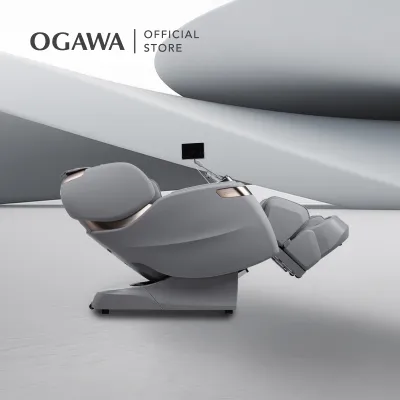
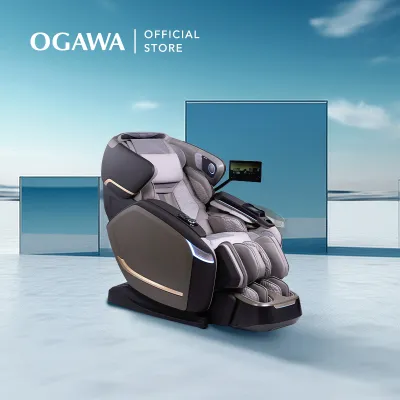
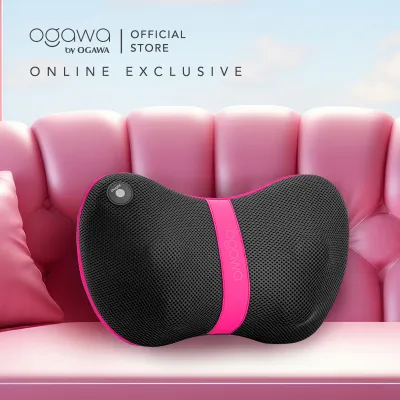
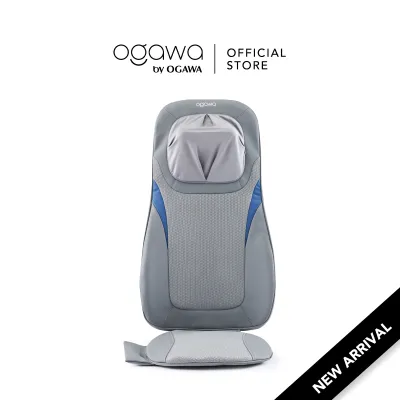
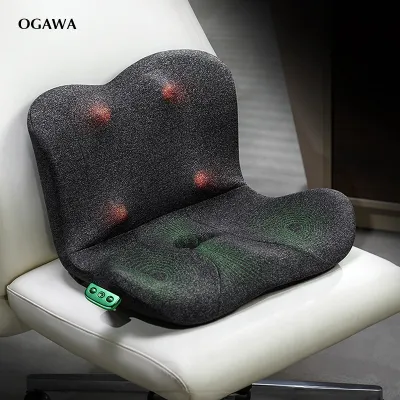
Prices are valid at publication and may change. Please refer to the product page for the latest price.
- Choose a Flagship SL-Track Model if you have a flexible budget (typically exceeding S$5,000), dedicated floor space in a spacious living room or master bedroom, and require a highly customizable, deep-tissue massage that covers everything from your neck down to your glutes and hamstrings.
- Choose a Mid-Range Compact Model if you live in a standard HDB flat or condominium where space is at a premium, require a "wall-hugging" design that minimizes the rear clearance needed for reclining, and want a balanced full-body massage experience without a massive footprint.
- Choose an Entry-Level or Portable Model if you have strict budget limits (under S$2,000), want to target specific areas like the neck, shoulders, and upper back, or prefer a hybrid massage sofa that doubles as standard living room seating.
Before finalizing any purchase, always verify current showroom availability, check the exact physical dimensions of your preferred model, and perform an in-person comfort test. Because physical proportions vary greatly, a chair that feels comfortable for one person may apply too much or too little pressure for another.
Core Decision Factors Before Comparing Models
Before looking at specific model names, you must establish your baseline requirements across three non-negotiable categories: physical fit, spatial constraints, and technical features.

Body Type and Track Length
The track is the internal metal rail along which the massage rollers travel. Ogawa chairs generally utilize either S-tracks, L-tracks, or hybrid SL-tracks. An S-track follows the natural curve of your spine, focusing primarily on the neck, shoulders, and lower back. An L-track extends further, traveling past the lumbar region down to the glutes and upper hamstrings. The SL-track combines the spinal contouring of the S-track with the extended length of the L-track.
When evaluating these tracks, you must verify the manufacturer’s stated maximum user height and weight limits. If a chair’s track is too short for your torso, the rollers will not reach your neck; if you exceed the recommended weight capacity, the motors and roller mechanisms may experience premature wear and tear.
Space and Clearance
Massage chairs are bulky pieces of furniture that require more space than standard armchairs, especially when fully reclined. You must measure both the upright footprint and the fully reclined footprint of the chair.
Many modern models feature a “zero-wall” or “wall-hugging” sliding mechanism. When you recline, the chair slides forward on its base, requiring as little as 5 to 10 centimeters of clearance from the wall behind it. Older or more basic models without this feature may require 30 to 50 centimeters of rear clearance, which can severely limit placement options in smaller rooms.
Budget versus Feature Set
In the Singapore market, massage chair prices scale alongside the sophistication of their mechanical components. Setting realistic expectations based on your budget prevents disappointment:
- Entry-Level (Under S$2,000): Typically features fixed or 2D roller mechanisms, localized airbag compression (often restricted to the calves or hips), and limited manual adjustments.
- Mid-Range (S$2,000 to S$5,000): Offers true 3D roller mechanisms, SL-tracks, partial or full-body airbag coverage, carbon fiber heating elements, and space-saving reclining designs.
- Flagship (S$5,000 to S$10,000+): Features advanced 4D roller mechanisms, AI-driven body scanning and fatigue detection, comprehensive multi-chamber airbag systems, motorized footrest extensions, and highly customized automated programs.
Comparing Ogawa Massage Chairs by User Needs
To help you identify the right category, we have grouped the available options into three distinct tiers based on user intent, space availability, and budget.
For Comprehensive Full-Body Massage (Flagship Tier)
Flagship models are designed for users who view a daily massage as an essential part of their physical recovery or stress management routine and have the space and budget to accommodate a premium appliance.
These chairs, such as the Ogawa Master Drive AI 2.0, represent the pinnacle of the brand’s massage technology. They utilize advanced 4D thermal rollers that can heat up rapidly to mimic the warmth of human hands. The core advantage of this tier is the integration of AI fatigue sensors and biometric scanners. When you sit in the chair, it measures your heart rate, blood oxygen levels, and muscle tension points to automatically generate a highly targeted massage program for that specific day.
These models feature highly adjustable SL-tracks that accommodate a wide range of heights. However, they are physically imposing. A typical flagship model requires a dedicated area of approximately 1.6 meters by 0.85 meters when upright, and significantly more when fully reclined. They also represent a major financial commitment, making them most suitable for dedicated wellness rooms or spacious master suites.
For Compact Spaces and Everyday Use (Mid-Range Tier)
Mid-range models are highly popular among HDB and condominium dwellers who want a comprehensive full-body massage but cannot afford to lose significant living room floor space.
Models in this category, such as the Ogawa Smart Reluxe or the Ogawa Genix, strike a practical balance between performance and physical size. They generally feature SL-tracks paired with 3D roller mechanisms, which allow you to manually adjust how far the rollers protrude into your back muscles. To save space, these chairs are built with highly efficient wall-hugging frames that slide forward as they tilt backward, allowing you to place them almost flush against a wall.
While they offer excellent neck, back, and glute massage programs, mid-range chairs often make compromises on secondary features. You may find fewer airbag chambers around the shoulders and forearms, and the footrests are often manually adjustable via spring tension rather than fully motorized. Nevertheless, for daily tension relief in a standard Singapore apartment, this tier offers the highest utility per square meter.
For Targeted Relief on a Budget (Entry-Level Tier)
Entry-level models and massage sofas cater to budget-conscious buyers, those with highly restricted room layouts, or individuals who only require targeted upper-body relief.
These options, which include compact massage sofas like the Ogawa Cosmo or portable massage seats, focus primarily on the core areas of the neck, shoulders, and lower back. They typically use simpler 2D roller systems that move up, down, left, and right, but lack the depth-control of 3D rollers. Airbag compression is usually limited to the hips or waist to keep the frame slim and lightweight.
Because they lack bulky leg and arm massagers, these chairs can easily double as standard accent chairs or small recliners. The trade-off is a lack of comprehensive lower-body therapy; you will not get dedicated foot rollers or calf compression. If your primary goal is to relieve shoulder stiffness from desk work without spending a fortune, these entry-level options provide a practical, space-saving solution.
How to Verify Key Specifications and Build Quality
When shopping for a massage chair, marketing brochures can be overwhelming. Focus on verifying these three technical specifications to ensure you are getting a high-quality product that matches your expectations.
Roller Mechanism
Understanding the physical difference between roller types is crucial for selecting the right massage intensity:
- 2D Rollers: Move on a flat plane (vertical and horizontal). They provide a consistent, moderate massage but cannot adjust to the depth of your back's curves.
- 3D Rollers: Move vertically, horizontally, and in-and-out (depth). This allows the rollers to push deeper into high-tension areas like the neck and lumbar region. You can manually adjust the intensity level.
- 4D Rollers: Introduce speed and rhythm variations to the 3D movement. The rollers accelerate or decelerate during a stroke to mimic professional massage techniques, offering the most realistic feel.
Airbag Placement and Intensity
Airbags provide compression therapy, which helps stimulate blood circulation and relieve muscle fatigue in areas that rollers cannot reach, such as the shoulders, forearms, calves, and feet.
Do not simply count the number of airbags; instead, verify their placement and adjustability. High-pressure compression can feel uncomfortable or even painful for some users. Ensure the chair allows you to adjust the airbag intensity independently of the back rollers, so you can customize the compression to your comfort level.
Upholstery and Warranty
Most massage chairs utilize synthetic polyurethane (PU) leather because it is flexible enough to withstand the constant movement of the internal rollers. However, PU leather quality varies significantly.
Before purchasing, check the local Singapore warranty terms carefully. A standard warranty may cover mechanical parts and motors for a set period, but it may exclude the PU leather upholstery from wear-and-tear coverage. Because Singapore’s high humidity can accelerate the degradation of synthetic materials, verifying what is covered under the local warranty—and for how long—is an essential step in protecting your investment.
Delivery, Setup, and Care for Singapore Homes
Integrating a massage chair into your home requires careful logistical planning and ongoing maintenance to ensure the appliance performs reliably over time.
Delivery and Installation
Before placing an order, you must measure the clear width of your home’s entry points. This includes the main door frame, any metal gates, internal room doors, and elevator doors.
Standard HDB and condominium lift doors typically have a clear opening width of 80 to 90 centimeters. Many flagship massage chairs have an upright width close to or exceeding this range. Check the chair’s specifications for its “minimum disassembled width”—this is the width of the chair’s main body once the side panels or armrests are temporarily removed for transit. Confirm with the delivery team that they can perform this disassembly and reassembly in your home if your doorways are tight.
Climate Care
Singapore’s hot and humid tropical climate requires specific care steps to prevent the synthetic leather upholstery of your massage chair from cracking, peeling, or developing mold.
- Avoid Direct Sunlight: Position your massage chair away from large balcony doors or windows. Prolonged exposure to UV rays can dry out the PU leather, causing it to fade and crack.
- Ensure Good Ventilation: Place the chair in a well-ventilated room. If the room is frequently closed and humid, consider using a dehumidifier to keep ambient moisture levels in check.
- Clean Gently: Wipe down the upholstery regularly with a dry or slightly damp microfiber cloth to remove sweat and body oils. Avoid using harsh chemical cleaners, alcohol-based wipes, or solvents, as these will strip the protective top coat of the synthetic leather.
Frequently Asked Questions (FAQ)
How much electricity does a massage chair consume?
A typical massage chair consumes between 150 and 280 watts of power during operation, which is comparable to running a desktop computer or a large household fan. The exact power draw depends on whether you are using high-intensity settings, active heating elements, and motorized recline functions. To estimate your specific running costs, check the rated power (W) on the model’s technical specification sheet and calculate it against your current local electricity tariff.
Where can I test Ogawa massage chairs in person?
You can test Ogawa massage chairs at their official brand showrooms, which are located in major shopping malls across Singapore, as well as at authorized department store counters. It is highly recommended to spend at least 15 to 20 minutes testing your shortlisted model in the showroom. This allows you to experience a full automated cycle, evaluate the roller pressure on your spine, and ensure the leg and shoulder dimensions fit your body type comfortably before purchasing.
Community discussion
Share your experience or ask a question. Comments are reviewed before publication.