
Selecting the ideal Nova coat rack for your entryway requires a systematic look at your home’s layout, your household’s daily storage habits, and the structural limits of your walls. A well-chosen coat rack does more than hold outerwear; it establishes an organized transition zone between the outdoors and your living space. By matching the physical footprint of different Nova models to your specific architectural constraints, you can prevent entryway bottlenecks and ensure a clutter-free home.
In Singapore, where entryway configurations vary significantly between public housing and private estates, finding the right balance between storage capacity and floor space is essential. High humidity levels and the local custom of removing shoes at the door mean your entryway must accommodate unique items like wet umbrellas, daily footwear, and light cardigans. Taking the time to analyze your space before purchasing prevents common issues such as blocked walkways, unstable furniture, or wall damage from improper installation.
Assess Your Entryway Space and Layout
Before browsing specific Nova models, you must establish the physical boundaries of your entryway. Begin by using a metal measuring tape to record the clear floor space, the usable wall width, and the ceiling height. Do not rely on visual estimates, as even a few centimeters of discrepancy can cause a freestanding base to wobble on floor trim or prevent a wall-mounted unit from fitting between door frames. Note the location of any skirting boards, electrical outlets, light switches, or distribution board (DB) boxes that could restrict placement.
Products mentioned in this guide
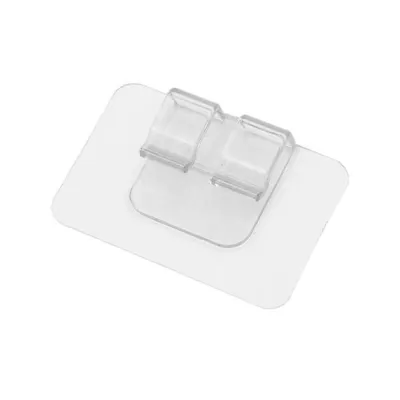
Prices are valid at publication and may change. Please refer to the product page for the latest price.
Next, map out the traffic flow paths and door swing clearances within the zone. Open your main entrance door, security gate, and any nearby closet or household shelter doors completely to identify their maximum swing arcs. A coat rack placed within these paths will cause constant frustration and potential damage to both the furniture and your doors. Ensure there is a clear walkway of at least 90 centimeters to allow family members to pass comfortably, even when the rack is fully loaded with bulky bags and coats.
Local housing types present distinct layout challenges that dictate which coat rack style will function best. In many HDB flats, the entryway consists of a narrow corridor or opens directly into the living room without a formal foyer. These spaces require ultra-slim or wall-mounted solutions that preserve precious floor area and comply with common corridor safety guidelines. Condominium units often feature compact foyer niches or recessed walls that are ideal for tailored, flush-fitting storage but offer zero tolerance for oversized furniture.
Landed properties generally provide more generous entrance halls, but these open layouts require careful zoning to prevent the entryway from looking cluttered. In larger spaces, a freestanding hall tree can act as a functional divider, defining the transition from the foyer to the main living area. Regardless of your home type, consider the shoe removal zone; your coat rack must integrate seamlessly with where you sit or stand to take off footwear, ensuring a smooth, logical flow when entering or leaving the house.
Match Nova Coat Rack Types to Your Storage Needs
Your household size and daily habits determine the volume and type of storage your coat rack must provide. A single professional living in a studio apartment has vastly different organizational needs than a multi-generational family. Evaluate what items accumulate near your door on a daily basis, including work bags, school backpacks, hats, umbrellas, keys, and light jackets, to select a Nova model that offers the right combination of hooks, shelves, and hangers.

Freestanding coat trees and comprehensive hall tree models are excellent for high-capacity storage and open floor plans. These units typically feature multiple tiers of hooks at varying heights, making them highly accessible for both adults and children. Hall trees often combine hanging space with integrated benches or shelving, providing a centralized hub for heavy bags and daily gear. Because they stand on the floor, they are best suited for spacious entryways where their physical presence does not restrict movement.
If floor space is limited, wall-mounted Nova coat racks and foldable hook systems offer a streamlined alternative. By utilizing vertical wall space, these models keep your entryway floor completely clear, which simplifies daily cleaning and allows room for a separate, low-profile shoe cabinet. Foldable models feature hooks that retract flush against the wall when not in use, presenting a clean, minimalist aesthetic that is perfect for narrow HDB corridors or tight condominium foyers where visual clutter must be minimized.
For rental properties or temporary living situations where drilling into walls is not permitted, over-the-door hooks or slim-profile tension racks are highly practical. Tension racks extend vertically from floor to ceiling, securing themselves via spring-loaded pressure without leaving permanent marks. These zero-drill options provide versatile hanging points in extremely tight corners. Over-the-door models can be hung on the back of entry doors or nearby utility closet doors, turning unused vertical surfaces into instant storage zones.
Multi-functional entryways benefit greatly from Nova models that integrate specialized storage features. Look for options that include built-in shoe racks, dedicated umbrella stands, or small storage drawers for keys and mail. In Singapore’s tropical climate, an integrated umbrella stand with a removable drip tray is incredibly useful for managing wet gear after sudden downpours. Consolidating these functions into a single, cohesive piece of furniture prevents the visual chaos of having separate racks, baskets, and trays scattered across your foyer.
Key Specifications to Verify Before Buying
Once you have identified your preferred coat rack type, you must verify its technical specifications against your physical space and usage requirements. Start by comparing the manufacturer’s fully assembled dimensions—specifically the height, width, and depth—with your entryway measurements. Pay close attention to the base footprint of freestanding models; a wide tripod base may offer excellent stability but can easily become a tripping hazard if it extends too far into a high-traffic walkway.
Weight capacity is a critical safety specification that must never be overlooked. Check the product label or manual for both the overall weight limit of the unit and the individual capacity of each hook. Heavy items like laptop backpacks, wet trench coats, or filled shopping bags can easily exceed the limits of lightweight racks. Ensure the stated capacity aligns with your heaviest daily items, and remember that overloading a rack can lead to structural failure, bent hooks, or sudden tipping.
For freestanding models, analyze the center of gravity and the design of the base. A stable coat rack should feature a heavy, low-profile base made of solid wood, weighted metal, or stone to counteract the weight of items hung high up. If the rack is top-heavy or has a narrow base, it will be inherently unstable, especially when loaded unevenly. This is a vital consideration for households with active pets or young children who might accidentally pull or bump against the furniture.
Finally, review the assembly requirements and tool list before making your purchase. Some compact wall-mounted racks require only basic hand tools and a few minutes to install, while large hall trees with integrated benches involve complex multi-step assembly. Determine if the package includes all necessary hardware, such as wall anchors and hex keys, or if you will need to purchase specialized drill bits. If you are uncomfortable with flat-pack assembly or lack the physical strength to lift heavy components, consider budgeting for professional assembly services, which typically range from S$30 to S$80 locally.
Installation and Safety Checks for Different Entryways
Proper installation is the final, crucial step to ensure your Nova coat rack functions safely and remains stable over years of daily use. For wall-mounted models, the installation method must match your specific wall material. Most Singapore homes feature solid concrete structural walls or precast panels, which require a hammer drill, masonry drill bits, and heavy-duty plastic wall plugs to secure the mounting screws. Attempting to mount a heavy rack using standard hand drills or incorrect plugs will result in the unit pulling loose from the wall.
If you are mounting the rack onto a hollow drywall partition—commonly found in newer condominium layouts or partitioned study rooms—you must use specialized hollow-wall anchors, such as toggle bolts or threaded drywall anchors. Standard plastic plugs will not hold in plasterboard and will quickly fail under the weight of loaded coats. Whenever possible, locate the timber or metal studs behind the drywall using a stud finder, and drive your primary mounting screws directly into these structural members for maximum load capacity.
For freestanding coat racks, achieving perfect stability requires a level floor surface. Uneven floor tiles, deep grout lines, or warped vinyl planks can cause a tall rack to wobble, significantly increasing the risk of tipping. If your floor is slightly uneven, look for models with adjustable leveling feet, or use discreet felt pads to stabilize the base. Always distribute weight evenly around the rack rather than hanging all heavy bags on a single side, which can easily compromise the unit’s center of gravity.
Safety must always take priority during any installation process. Before drilling into any wall, use a reliable multi-scanner to check for hidden water pipes, gas lines, or live electrical wiring, especially if you are working near light switches, DB boxes, or bathroom walls. If you encounter unexpected resistance while drilling, hit a metal reinforcement bar, or feel unsure about the structural integrity of your wall, stop immediately. In such cases, it is always safest to halt the installation and consult a qualified local handyman or contractor to complete the job securely.
Frequently Asked Questions (FAQ)
How do I prevent a freestanding Nova coat rack from tipping over?
To prevent a freestanding coat rack from tipping, always distribute the weight of your items evenly around the entire circumference of the hooks rather than clustering heavy bags on one side. Place your heaviest items, such as loaded backpacks or wet umbrellas, on the lowest hooks or shelves to keep the center of gravity as low as possible. Additionally, if the manufacturer includes an anti-tip wall tether kit in the packaging, install it immediately to secure the top of the rack to the nearest wall, providing an essential physical safeguard against accidental bumps.
Can I install a wall-mounted Nova coat rack on a hollow drywall partition?
Yes, you can install a wall-mounted model on a hollow drywall partition, but you must use specialized hollow-wall anchors like toggle bolts or heavy-duty metal expansion anchors instead of the standard plastic plugs meant for concrete. For the most secure installation, use a stud finder to locate the internal timber or metal studs and mount the rack directly into them. Keep in mind that drywall installations generally have a lower maximum weight capacity than concrete installations, so avoid hanging exceptionally heavy bags or overloading the rack once mounted.
Community discussion
Share your experience or ask a question. Comments are reviewed before publication.