
Choosing the right MUJI chair for your home requires balancing the brand’s signature minimalist aesthetic with your daily functional needs and spatial constraints. Because these designs emphasize clean lines, natural textures, and compact footprints, they fit seamlessly into modern living spaces. However, selecting the most suitable piece goes beyond appreciating its understated look. You must evaluate how the chair supports your body during specific activities, how its dimensions align with your existing tables or desks, and how its materials respond to your household’s daily habits.
Assess Your Space and Usage Needs
Start by defining the primary activity the chair will support. A chair meant for a quick morning coffee requires a different level of support than one intended for an eight-hour remote workday or long evening reading sessions. Consider the typical duration of use. For short-duration seating, lightweight or stackable designs might take priority. For extended sitting, ergonomic contours, cushioned seats, and supportive backrests become essential to help reduce physical fatigue.
Next, measure the physical footprint available in your room. Do not just measure the empty floor space; account for the clearance required when the chair is in use. For instance, a dining chair needs at least 60 to 70 centimetres of clearance behind the table to allow a person to pull the chair out and sit down comfortably. Walkways behind the seating area must remain unobstructed to maintain a natural flow of traffic through the room.
Products mentioned in this guide
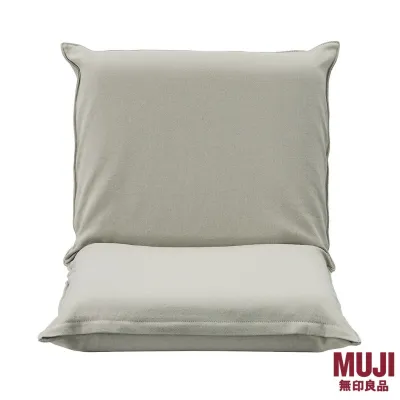
Prices are valid at publication and may change. Please refer to the product page for the latest price.
Consider the versatility of your living spaces. In compact apartments, rooms often serve multiple purposes. A dining area might double as a workspace during the day, or a living room might need to clear space for exercise. If your layout is dynamic, look for chairs that are lightweight, stackable, or foldable. These features allow you to store extra seating easily when it is not in use, keeping your home open and clutter-free.
Explore MUJI Chair Categories by Function
MUJI organizes its furniture collections around daily activities, categorizing seating into dining, working, and lounging options. This functional division helps you narrow down your choices based on the specific zone of your home you are furnishing. Because product lineups, material options, and regional stock levels can vary, always verify the current availability of specific designs on the official website or by visiting a local physical store.

Dining and Everyday Seating
Dining chairs serve as the workhorses of the home, accommodating meals, casual conversations, and occasional desk work. When selecting a dining chair, standard seat height is the most critical factor. Most standard dining tables sit between 70 and 75 centimetres high, which pairs best with chairs that have a seat height of approximately 42 to 45 centimetres. This relationship helps support comfortable legroom and a natural arm position while dining.
The style of the backrest significantly influences both your sitting posture and the visual weight of the room. High-back chairs offer more upper-body support, making them comfortable for longer meals, but they can make a small dining room feel crowded. Low-back or armless designs maintain a lower profile, allowing them to slide completely under the table when not in use. This keeps sightlines clear and maximizes floor space in tight dining areas.
Before finalizing your choice, check the manufacturer’s weight capacity and stability labels. Everyday family use subjects dining chairs to constant movement, shifting weight, and occasional tipping forces. Look for designs with robust leg splay and reinforced joints. If you have young children or frequent guests, prioritizing sturdy, low-center-of-gravity frames will support long-term stability and structural integrity.
Working and Desk Chairs
A dedicated desk chair is vital for maintaining productivity and physical comfort during study or remote work. Look for designs that offer adjustable features, such as seat height mechanisms, which allow you to align your feet flat on the floor while keeping your elbows at a comfortable 90-degree angle relative to your desk surface. Contoured backrests that follow the natural curve of your spine help distribute pressure evenly and reduce lower back strain.
The type of casters on a rolling desk chair must match your home’s flooring to help protect against damage and ensure smooth movement. Hard plastic casters are generally suitable for carpeted floors, as they glide easily over fibers. However, for hard surfaces like parquet, laminate, or homogeneous tiles common in modern homes, soft polyurethane or rubber-coated casters are preferable. These softer wheels minimize scratches, reduce rolling noise, and provide better traction.
Always verify your desk’s clearance before purchasing a working chair with armrests. Measure the height from the floor to the underside of your desk drawer or tabletop. If the armrests are too high, you will not be able to tuck the chair under the desk when you finish working. This can leave the chair protruding into walkways, creating a constant physical obstacle in your study or bedroom.
Lounging and Relaxation
Lounge chairs, recliners, and low-profile seating are designed to create dedicated zones for relaxation, reading, or watching television. Unlike upright dining or office chairs, lounging furniture encourages a reclined posture and occupies a larger physical footprint. When planning for a lounge chair or recliner, measure the maximum space required when the chair is fully tilted back or when an accompanying ottoman is placed in front of it.
Low-profile seating, such as floor chairs or bean-bag style cushions, offers a relaxed, informal aesthetic that fits well in minimalist living rooms or cozy reading corners. However, consider the mobility needs of everyone in your household. Low-profile chairs require more physical effort to sit down in and rise from, which may not be suitable for older adults or individuals with joint sensitivities.
Because lounge chairs are hubs for relaxation, they are highly susceptible to spills, dust, and daily wear. Carefully review the fabric or leather care instructions before making a decision. Check if the fabric covers are removable and machine-washable, or if they require professional dry cleaning. For households with pets or young children, choosing durable, tightly woven synthetic fabrics or easily wipeable materials can significantly extend the life of your lounge seating.
Match Materials and Aesthetics to Your Interior
The materials you choose for your chairs define both the visual atmosphere of your home and the tactile experience of using the furniture. Solid wood frames, such as oak or walnut, bring natural warmth, unique grain patterns, and a sense of organic grounding to a space. Metal-framed chairs, on the other hand, offer a sleek, industrial, or contemporary look that pairs well with minimalist or high-contrast interior designs. Upholstered options introduce soft textures and color accents, softening the hard lines of surrounding wooden or metal furniture.
It is important to understand that a material’s name alone does not guarantee its long-term durability or performance. For instance, not all solid wood chairs behave the same way under daily use. You must inspect the surface treatments—such as whether the wood has a protective urethane coating that resists moisture or a natural oil finish that requires periodic reapplication. Examine the joint structures, looking for sturdy mortise-and-tenon joints or reinforced metal brackets rather than simple glue-and-screw connections. Always read the manufacturer’s care labels to understand how the material responds to humidity, sunlight, and cleaning agents.
Color palettes play a crucial role in integrating your new seating with your existing decor. MUJI’s design language relies heavily on neutral tones, including natural wood finishes, off-whites, grays, and muted earth tones. These colors are highly versatile, allowing you to mix and match different chair styles without creating visual clutter. If your home features a warm, Scandinavian-inspired aesthetic, light oak finishes and beige fabrics work beautifully. For a more modern, dramatic interior, darker walnut tones or black metal frames can provide a sophisticated contrast.
Pre-Purchase Checklist: Dimensions, Clearance, and Assembly
Before placing your order, you must verify that the chair can physically enter your home. Measure the width and height of all entry points, including main doorways, narrow hallways, stairwells, and elevator cabins. Compare these measurements against the packaged dimensions of the chair, which are typically larger than the assembled product. Helping secure a clear path of entry prevents the frustration of delivery day complications or returned shipments due to tight spaces.
Once inside, the assembled chair must fit properly within its designated spot. Double-check the exact assembled dimensions provided by the manufacturer, paying close attention to the leg splay and the widest part of the armrests. Some chairs have legs that flare outward for stability, meaning they occupy more floor space than the seat width suggests. Mark these dimensions on your floor using painter’s tape to visualize the physical presence of the chair and ensure it does not block cabinet doors, drawers, or walking paths.
Review the assembly requirements carefully before purchasing. Many minimalist chairs are delivered flat-packed to reduce shipping volumes, requiring self-assembly. Check the product specifications to see what tools are required, whether they are included in the package, and the estimated time needed for setup. If you are uncomfortable with DIY assembly, or if the chair is particularly heavy, check if the retailer offers professional assembly services in your area and factor any associated fees into your budget.
Finally, protect your investment by reviewing the manufacturer’s warranty terms and return policies. Furniture is a long-term purchase, and understanding your coverage is essential. Check what parts are covered under the warranty—such as the structural frame, mechanical parts of a desk chair, or the fabric upholstery—and the duration of this coverage. Additionally, familiarize yourself with the return policy, noting if there are restocking fees or specific conditions for returning assembled items if the comfort level does not meet your expectations.
Frequently Asked Questions (FAQ)
How do I clean and maintain solid wood MUJI chairs?
To keep solid wood chairs in optimal condition, start by checking the specific product care label for approved cleaning methods. For routine maintenance, dust the wood surfaces regularly with a soft, dry microfiber cloth to prevent buildup. Avoid using harsh chemical cleaners, abrasive pads, or excessive moisture, as these can strip the protective finish. If the wood has an oil finish, you may need to periodically reapply a compatible wood oil as recommended by the manufacturer to maintain its luster and prevent drying. Keep the chairs away from direct sunlight and high-humidity areas to minimize warping or cracking.
Can I test MUJI chairs before buying online?
Yes, visiting a physical retail store is highly recommended to evaluate comfort-critical factors like seat depth, backrest angle, and cushion firmness. Testing the chairs in person allows you to experience how the design supports your posture and whether the seat height matches your physical proportions. Before heading out, check the official website to locate nearby showrooms and verify if they have display models of the specific designs you are considering. If you plan to purchase online, cross-referencing your choice with an in-store test helps you select a chair that delivers both aesthetic appeal and physical comfort.
Community discussion
Share your experience or ask a question. Comments are reviewed before publication.