
To wake up refreshed and free of aches, finding the right mattress firmness is essential. It is not a one-size-fits-all decision; your sleeping position and body weight dictate the exact level of support and cushioning your body requires. Selecting the wrong firmness can lead to chronic back pain, stiff joints, and restless nights. By evaluating your sleep posture and body profile, you can systematically narrow down the options to find a bed that keeps your spine aligned and cushions your pressure points.
Quick Reference: Matching Firmness to Sleep Position and Weight
This summary matrix maps the three main sleep positions and general weight categories to the recommended firmness range. Use this as a starting diagnostic point before exploring the detailed mechanical needs of your body type.
| Sleep Position | Body Weight Category | Recommended Firmness | Scale Rating (1–10) |
|---|---|---|---|
| Side | Lighter (Under 60 kg) | Soft to Medium | 3–5 |
| Side | Average (60–100 kg) | Medium | 5–6 |
| Side | Heavier (Over 100 kg) | Medium-Firm to Firm | 6–7 |
| Back | Lighter (Under 60 kg) | Medium | 5–6 |
| Back | Average (60–100 kg) | Medium-Firm | 6–7 |
| Back | Heavier (Over 100 kg) | Firm | 7–8 |
| Stomach | Lighter (Under 60 kg) | Medium-Firm | 6–7 |
| Stomach | Average (60–100 kg) | Firm | 7–8 |
| Stomach | Heavier (Over 100 kg) | Firm to Extra-Firm | 8–10 |
| Combination | All Weights | Medium to Medium-Firm | 5–7 |
While this table provides a reliable baseline, individual comfort preferences, local climate factors, and specific joint pain points will require further refinement in the sections below.
Products mentioned in this guide
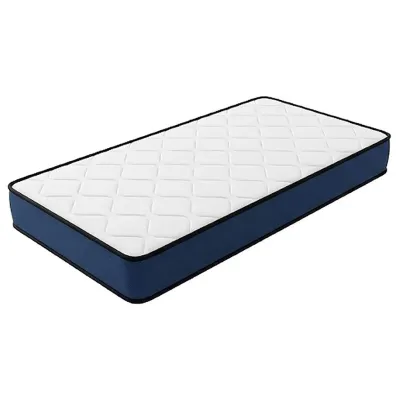
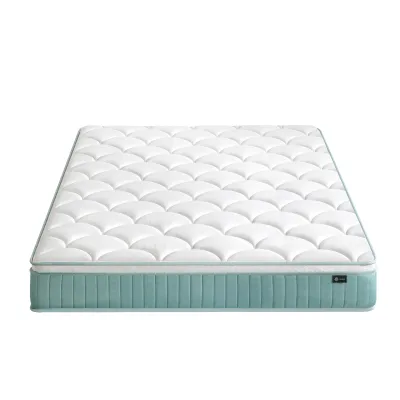
![[1-2 day delivery] Foldable Foam Mattress 3-Fold Mattress](https://img.lazcdn.com/g/ff/kf/Se38f308a460b4ba3aef73a3da6703c621.jpg_400x400q80.jpg_.webp)


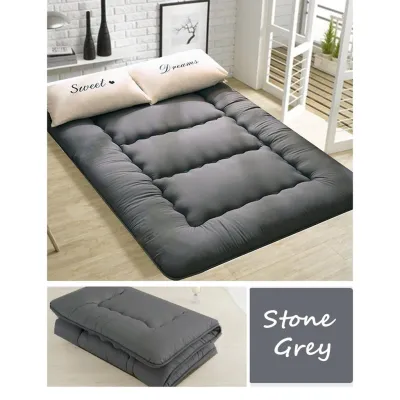
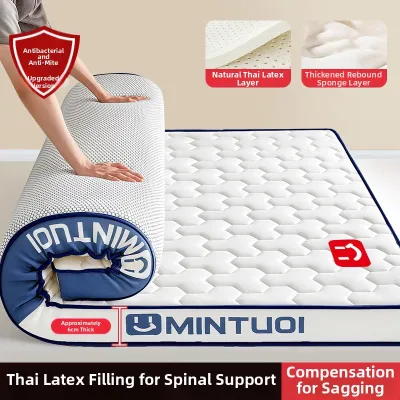
Prices are valid at publication and may change. Please refer to the product page for the latest price.
Understanding the Mattress Firmness Scale
The mattress industry uses a standardized 1-to-10 scale to rate firmness, where 1 represents a cloud-like softness with no resistance and 10 represents a rigid, hard surface. Most mattresses on the market fall between a 3 and an 8. Ratings of 1 to 3 are classified as Soft, 4 to 6 as Medium, 7 to 8 as Firm, and 9 to 10 as Extra Firm.

It is crucial to distinguish between “firmness” and “support,” as they refer to different components of a mattress. Firmness describes the immediate feel of the top comfort layers—such as memory foam, latex, or fiberfill—when you first lie down. Support refers to the underlying core, typically made of pocketed coils or high-density polyfoam, which keeps your spine in a neutral alignment. A mattress can have a soft, plush comfort layer but still offer excellent support from its core, or conversely, feel incredibly firm on top while failing to support your spine.
Your perception of this scale is highly subjective and depends heavily on your physical build. A mattress rated as a “medium” by a manufacturer may feel like a firm bed to a lighter individual, whereas a heavier sleeper might find that same mattress offers very little resistance.
How Your Sleep Position Dictates Mattress Firmness
Your sleeping posture determines which parts of your body make the deepest contact with the bed. To maintain a neutral spine, different positions require specific levels of cushioning and resistance.
Side Sleepers
When you sleep on your side, your shoulders and hips protrude deeply into the mattress, bearing the brunt of your body weight. A mattress that is too firm will resist these pressure points, causing poor blood circulation, numbness, and joint misalignment. To prevent this, side sleepers generally need a soft to medium mattress (3 to 6 on the scale). This allows the shoulders and hips to sink sufficiently, aligning the neck, spine, and pelvis in a straight, horizontal line. If the surface is too rigid, it forces the spine to curve unnaturally, leading to chronic shoulder and hip stiffness.
Back Sleepers
Back sleepers require a delicate balance of contouring and upward resistance to support the natural “S” curve of the spine, particularly the lumbar region. If the mattress is too soft, the pelvis sinks too deeply, causing the spine to curve downward unnaturally. If it is too firm, a gap forms between the lower back and the mattress surface, leaving the lumbar muscles tense throughout the night. A medium to medium-firm mattress (5 to 7) typically provides the perfect compromise, cradling the lower back while keeping the torso elevated.
Stomach Sleepers
Stomach sleeping is biomechanically demanding because the bulk of your body weight is concentrated around your midsection. If your mattress is too soft, your hips and belly will sink deep into the comfort layers, arching your lower back into an unnatural hyperextension. This strain often manifests as severe lower back stiffness and neck pain in the morning. To prevent this, stomach sleepers require a medium-firm to firm mattress (7 to 9) that keeps the pelvis level with the shoulders and prevents the spine from bowing.
Combination Sleepers
If you frequently rotate between different positions during the night, you are a combination sleeper. Your mattress must be versatile enough to accommodate multiple postures while allowing easy movement. A medium to medium-firm mattress (5 to 7) is highly recommended. This range offers enough pressure relief for side sleeping while maintaining the surface tension needed for back or stomach sleeping. Additionally, look for responsive materials—such as pocketed coils or natural latex—that prevent the feeling of being “stuck” in a deep foam contour when trying to turn over.
Why Body Weight Changes Your Firmness Needs
Your body weight is the physical force that interacts with the mattress materials. The exact same mattress can feel completely different to two individuals of different weights.
Lightweight Sleepers (Under 60 kg)
Individuals weighing under 60 kg exert less downward force on the mattress. Consequently, they do not compress the comfort layers deeply enough to reach the supportive core. On a standard “medium” mattress, a lightweight sleeper might feel as though they are floating on top of a rigid surface, leading to pressure build-up on the shoulders and hips. To experience the intended contouring and pressure relief, lightweight sleepers often need to choose a mattress that is rated one or two steps softer than the standard recommendation for their sleep position.
Average Weight Sleepers (60 kg to 100 kg)
Sleeper profiles within the 60 kg to 100 kg range interact with mattress materials in a highly predictable manner. They exert enough force to compress the top comfort layers while still receiving solid resistance from the underlying support core. If you fall into this category, you can rely closely on the standard manufacturer firmness ratings and general sleep position guidelines. A medium-firm mattress will typically feel exactly like a medium-firm to you, performing exactly as designed.
Heavier Sleepers (Over 100 kg)
Sleepers weighing over 100 kg exert substantial downward pressure, compressing comfort layers rapidly. On a soft or standard medium mattress, there is a high risk of “bottoming out”—sinking straight through the comfort layers onto the hard support core. This leads to poor spinal alignment and rapid wear of the mattress materials. To ensure longevity and proper support, heavier individuals should opt for firm or extra-firm models (7 to 9). Look for mattresses engineered with high-density support cores, thicker pocketed coils, and reinforced edge support to prevent sagging and maintain structural integrity over time.
Adjusting Firmness for Back Pain and Joint Issues
There is a widespread belief that an extra-firm mattress is the ultimate cure for back pain. However, modern ergonomic studies suggest that a medium-firm mattress is actually the most effective option for general lower back pain. A medium-firm surface provides enough surface give to cushion the shoulders and hips while offering the structural support needed to keep the lumbar spine aligned.
If you suffer from specific joint pain, such as hip or shoulder bursitis, your body requires enhanced pressure relief. In these scenarios, a slightly softer comfort layer (such as a plush latex or memory foam comfort layer) is necessary to reduce friction and tension on the inflamed joints, provided the underlying support core remains strong.
It is crucial to remember that a mattress is an ergonomic tool, not a medical cure. For chronic, severe, or undiagnosed back and joint pain, always consult a qualified healthcare professional or physiotherapist. They can provide personalized medical guidance rather than relying solely on a change of bedding.
How to Test and Verify Your Mattress Choice
Buying a mattress is a long-term investment, making thorough testing essential. When visiting physical showrooms in Singapore, avoid the common mistake of simply sitting on the edge of the bed or pressing it with your hand. Lie down in your actual, primary sleeping position for at least 10 to 15 minutes. This allows your muscles to relax and gives you a realistic sense of how the comfort layers contour to your body.
Additionally, prioritize retailers that offer a dedicated sleep trial period—ideally between 90 to 120 nights. Your body can take up to 30 days to break in a new mattress and adjust to a new firmness level, meaning a brief showroom test is not always foolproof. Be sure to read the return and exchange policies carefully, noting any associated transport or restocking fees.
In Singapore’s high-rise residential landscape, particularly when navigating narrow HDB corridors, lift dimensions, and tight doorway clearances, verifying the finished dimensions of the mattress and bed frame is a critical step before delivery. Ensure the delivery team has sufficient access space to safely maneuver and install the mattress without damaging the fabric or structural joints. If your new mattress feels slightly too firm after the break-in period, a high-quality mattress topper can add a layer of plushness. However, keep in mind that a topper cannot fix a mattress that is sagging or lacks a supportive foundation; in those cases, replacing the entire mattress is the only effective solution.
Frequently Asked Questions (FAQ)
Can I change the firmness of my current mattress?
Yes, you can make minor adjustments to the surface feel of your current mattress. If your bed is too firm, adding a soft mattress topper made of memory foam, latex, or fiberfill can introduce immediate pressure relief and cushioning. However, if your mattress is too soft or is actively sagging in the middle, a topper will not solve the problem. A topper simply contours to the shape of the surface beneath it, meaning it will sink right along with a failing mattress core. If the foundational support is gone, the only viable solution is to replace the mattress.
Is a firm mattress always better for your posture?
No, a firm mattress is not universally superior for spinal health. Good posture during sleep relies on healthy spinal alignment, which requires the mattress to adapt to your body’s natural curves. An excessively firm mattress will fight against your body shape, leaving gaps under your lower back or knees and putting intense pressure on your shoulders and hips. The ideal mattress must offer a balance of firm structural support from its core layers and sufficient contouring from its comfort layers to accommodate your unique sleeping posture and weight.
What if my partner and I need different firmness levels?
If you and your partner have different body types or sleeping positions, finding a single mattress can be challenging. One practical option is a medium-firm mattress with excellent motion isolation, which serves as a highly versatile compromise for most couples. Alternatively, you can look for dual-firmness or split mattresses, which feature different firmness levels on the left and right sides of the bed. Another highly customizable solution is using two separate single mattresses side-by-side within a king-size frame, allowing each person to select their exact preferred firmness without compromise.
Community discussion
Share your experience or ask a question. Comments are reviewed before publication.