
Finding the right Haima mattress (海马床垫) firmness is a highly personal decision that directly impacts your sleep quality, spinal health, and daily energy levels. Because Haima mattresses are renowned in Singapore for their dense, supportive structures—often leaning firmer than Western brands—matching the correct model to your sleeping position and body weight is essential. The ideal firmness must keep your spine in a neutral, straight line while gently cradling your shoulders, hips, and lower back to prevent morning stiffness.
By evaluating how your body interacts with different mattress materials, you can avoid the common pitfalls of choosing a bed that is too rigid or too soft. This guide will walk you through the key diagnostic steps to identify your baseline firmness needs, factor in your physical profile, and select a model that delivers lasting comfort.
Quick Diagnostic: Matching Firmness to Your Sleep Profile
Let’s establish an immediate baseline using a simple diagnostic matrix. While these recommendations serve as an excellent starting point, you should always verify the specific comfort layers and core materials of individual Haima models before finalizing your purchase.
Products mentioned in this guide
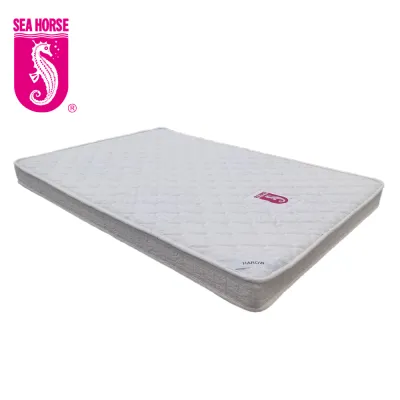
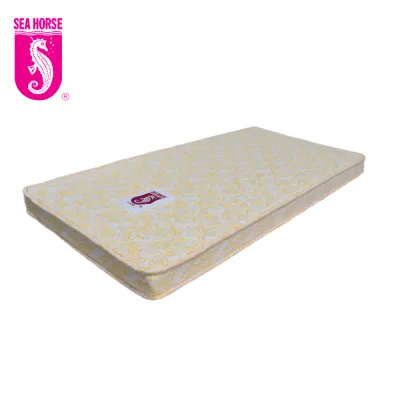

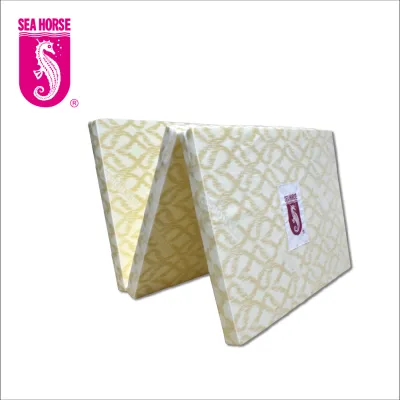
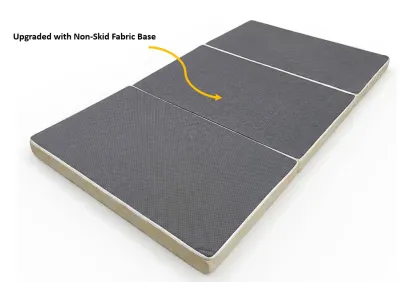
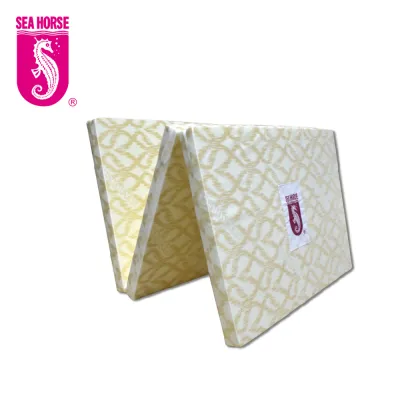
Prices are valid at publication and may change. Please refer to the product page for the latest price.
| Sleep Position | Lighter Body Type (<60 kg) | Average Body Type (60–100 kg) | Heavier Body Type (>100 kg) |
|---|---|---|---|
| Side Sleeping | Soft to Medium | Medium | Medium-Firm to Firm |
| Back Sleeping | Medium | Medium-Firm | Firm |
| Stomach Sleeping | Medium-Firm | Firm | Extra Firm |
| Combination | Medium | Medium-Firm | Firm (High-Density Core) |
The golden rule of mattress selection is achieving neutral spinal alignment. When you lie down, your ears, shoulders, hips, and ankles should align naturally without forcing your muscles to work overnight to keep you balanced. If your mattress fails to support this alignment, you are likely to wake up with persistent muscle fatigue or joint soreness.
Assess Your Primary Sleeping Position for Spinal Alignment
Your dominant sleeping posture determines where your body exerts the most downward force on the mattress surface. Understanding these pressure points helps you choose a Haima mattress (海马床垫) that provides targeted support and prevents joint strain.

Side Sleepers If you spend most of the night on your side, your shoulders and hips bear the brunt of your body weight. You need a mattress surface that contours to these wider curves. A soft to medium firmness level allows these joints to sink just enough, preventing numbness and keeping your spine straight. If the surface is too rigid, your shoulders will be pushed upward, throwing your neck out of alignment.
Back Sleepers Lying on your back distributes your weight more evenly across the bed. However, your lower back has a natural inward curve that requires active support. A medium to medium-firm mattress is generally ideal here. It offers enough surface contouring to fill the lumbar gap while providing a stable foundation that prevents your hips from sagging too deeply into the core.
Stomach Sleepers This position places the heaviest part of your body—the pelvis—directly against the mattress. If your mattress is too soft, your hips will sink, causing your lower back to bow painfully. To maintain a flat, neutral spine, stomach sleepers require a firm to extra-firm surface. This resistance keeps the pelvis elevated and reduces hyperextension in the lumbar region.
Combination Sleepers If you frequently toss and turn or switch positions throughout the night, you need a balanced, highly responsive mattress. A true medium feel with a responsive comfort layer allows you to roll over easily without feeling stuck. Look for models that combine a supportive core with a resilient upper layer to facilitate effortless movement.
Factor in Your Body Weight to Gauge True Firmness
Your body mass acts as the force that compresses the mattress materials. This means two people of different weights will perceive the exact same Haima mattress firmness level very differently.
Lighter Individuals (under 60 kg) If you fall into this category, you do not exert enough downward force to compress dense foam or heavy spring systems. A mattress labeled “medium-firm” might feel like solid concrete to you. To experience proper pressure relief and contouring, you should lean toward softer options or models with plush, thick comfort layers that respond to lighter pressure.
Average Weight (60–100 kg) Sleepers in this range generally experience a mattress exactly as the manufacturer describes it. A medium-firm Haima model will offer you a balanced blend of initial surface cushioning and deep-down support. You have the flexibility to choose based primarily on your sleeping position rather than adjusting heavily for weight.
Heavier Individuals (over 100 kg) If you weigh over 100 kg, you will compress the upper comfort layers quickly and press deep into the support core. To prevent bottoming out and experiencing spinal misalignment, you require firmer support or high-density foam cores.
When shopping, always check the manufacturer’s specified weight capacity and the density of the core materials. In Singapore’s humid climate, heavier compression can also accelerate material wear, so verifying high-density specifications is a smart way to ensure long-term durability. Look for robust pocketed spring systems or solid high-density foam bases that offer reliable load capacity and stability.
Adjust for Specific Pain Points Like Back or Shoulder Aches
Waking up with localized pain is a clear sign that your current sleep setup is failing to support your skeletal structure properly. Adjusting your firmness choice can help alleviate these pressure points.
Lower Back Pain Chronic lower back pain is frequently linked to a mattress that is either sagging or overly rigid. A medium-firm support profile is widely recommended because it keeps the pelvis and shoulders on a level plane. Avoid ultra-soft mattresses that allow your hips to sink, as this posture strains the surrounding muscles and ligaments over several hours of sleep.
Shoulder or Hip Joint Pain Pain in these areas often stems from excessive pressure on the joints. If you feel soreness in your shoulders or hips, look for a mattress with a plush comfort layer—such as latex or memory foam—on top of a firm support core. This combination cradles your joints to relieve pressure while the sturdy base prevents overall spinal misalignment.
Important Safety Boundary While a well-matched mattress can significantly improve your sleep comfort and reduce morning stiffness, it is not a medical cure for underlying spinal or joint conditions. If you suffer from chronic, severe, or worsening pain, always consult a qualified healthcare professional or physiotherapist for a comprehensive diagnosis and treatment plan.
How to Read Haima Mattress Firmness Labels and Specs
Translating general mattress terms into Haima’s specific product lineup requires looking closely at their proprietary materials and design details.
Interpret Descriptors Haima uses terms like “Orthopaedic,” “Plush,” and “Medium-Firm” to categorize their models. An “Orthopaedic” model is engineered for maximum rigidity and skeletal alignment, making it highly suitable for stomach sleepers, heavier individuals, or those who prefer a traditional, solid feel. “Plush” models incorporate thicker, softer top layers designed to cushion side sleepers, while “Medium-Firm” balances both worlds.
Check Comfort Layer Materials The initial feel of the mattress is dictated by its comfort layers. Memory foam offers deep contouring and heat-activated pressure relief, though it can sometimes retain heat in Singapore’s tropical climate. Latex provides a cooler, more responsive bounce, making it easier to move. Pocket springs offer localized support and excellent airflow, which is highly beneficial for hot sleepers. Always read the care instructions to see how to maintain these materials over time.
Practical Next Steps Because firmness is highly subjective, testing mattresses in physical showrooms across Singapore is highly recommended. When visiting a showroom, lie down in your primary sleeping position for at least 10 to 15 minutes to let your body settle. Additionally, check the retailer’s delivery policies and sleep trial options. Since Singapore apartments often have tight corridors, narrow bedroom doorways, and compact lift dimensions, always measure your entryway clearances and compare them against the mattress’s finished dimensions before finalizing your purchase.
Frequently Asked Questions (FAQ)
Can I change the firmness of my mattress after buying it?
Yes, you can make minor adjustments to your sleeping surface by using a mattress topper. A plush memory foam or latex topper can soften a bed that feels too rigid, while a high-density foam topper can add a touch of surface firmness. However, a topper cannot fix a mattress that is structurally sagging or fundamentally unsupportive. Always verify the retailer’s return, exchange, or sleep trial policies within the first few weeks of purchase if the base mattress feels completely wrong.
Is a firmer mattress always better for back support?
No, the belief that the firmest mattress is automatically the best for your back is a common myth. Proper back support is about maintaining natural spinal alignment, not sleeping on a solid, unyielding surface. If a mattress is too firm, it will not contour to your body’s natural curves, leaving gaps under your lower back and putting excess pressure on your shoulders and hips. The best level of firmness is a personalized balance of contouring comfort and structural support tailored to your unique body type and sleeping posture.
Community discussion
Share your experience or ask a question. Comments are reviewed before publication.