
Selecting a coffee table for a Singapore home requires balancing aesthetics and spatial efficiency. A glass top table is an excellent solution for the compact layouts typical of modern HDB flats and condominiums. Because glass allows light to pass through unobstructed, it minimizes visual clutter and makes small living areas feel significantly larger. Finding the ideal style involves evaluating your room’s physical dimensions, your existing decor theme, and your household’s daily lifestyle needs.
Assess Your Living Room Space and Lighting Conditions
To ensure your new furniture piece enhances your home rather than obstructing your daily movement, begin with a precise spatial assessment. Singapore living rooms, particularly in newer Build-To-Order (BTO) flats, often feature tight configurations where every centimeter counts.
Start by measuring your available floor space. Use this practical checklist to plan your layout:
Products mentioned in this guide
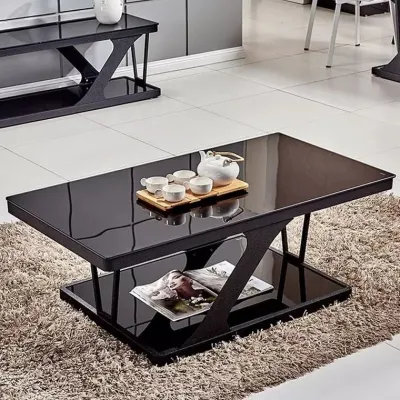
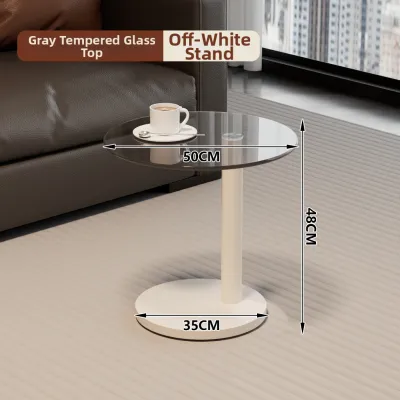
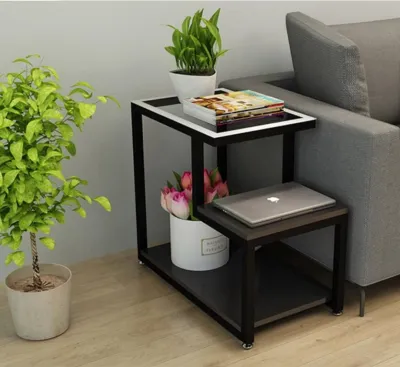
Prices are valid at publication and may change. Please refer to the product page for the latest price.
- Sofa Clearance: Maintain a distance of 30 to 45 centimeters between the edge of your sofa and the coffee table. This provides comfortable legroom while keeping drinks and remotes within easy reach.
- Walkway Traffic: Ensure there is at least 60 to 75 centimeters of clear walkway space between the coffee table and other major furniture pieces, such as the TV console or sideboard. This prevents collisions and allows for natural movement through the room.
- Proportional Sizing: As a general rule, the total length of your coffee table should be approximately two-thirds the length of your sofa. A table that is too long will restrict movement, while one that is too small will look visually lost.
Next, observe the natural and artificial lighting in your living room. Singapore’s high-rise apartments often rely on single-aspect window walls or balcony doors for natural light. A glass top table interacts beautifully with these light sources. Unlike solid wood or stone tables that block light and cast heavy shadows, glass reflects and refracts light. This quality helps to brighten darker corners and creates an airy, open atmosphere. However, keep in mind that high-gloss glass can sometimes reflect glare from overhead lights or television screens; positioning the table slightly offset from direct light paths can mitigate this issue.
Finally, do not overlook the logistics of getting the table into your home. Before finalizing your purchase, measure your building’s elevator door width, cabin height, and hallway corners. If you are choosing a table with a large, heavy, or fully assembled base (such as a solid concrete or welded metal frame), verify that these dimensions can accommodate the delivery. A table that cannot fit into the HDB lift cabin or navigate tight corridor turns will result in costly delivery failures or require complicated manual carrying up the stairs.
Identify Your Current Interior Design Theme
A glass top table is highly versatile, but its overall aesthetic is largely determined by its base design and the finish of the glass itself. To ensure your new piece harmonizes with your home, match it to your existing interior design theme.

Modern and Contemporary Spaces
Modern Singaporean homes often favor clean lines, neutral color palettes, and streamlined furniture silhouettes. In these spaces, a glass top table acts as a sleek, sophisticated centerpiece. Look for clear glass tops paired with geometric metal bases. Polished stainless steel, brass, or matte black iron frames work exceptionally well to maintain an uncluttered look. The transparency of the glass keeps the focus on the architectural lines of the base, creating a highly curated, gallery-like feel in your living room.
Scandinavian and Minimalist Layouts
The Scandinavian and “Japandi” (Japanese-Scandinavian fusion) styles remain popular in Singapore due to their emphasis on warm wood tones, light colors, and functional simplicity. To complement this aesthetic, select a glass top table with a light wood base, such as ash, beech, or light oak. The combination of warm, organic wood with the clean, cool surface of glass strikes a perfect balance. Alternatively, tables featuring subtle acrylic or lucite legs can preserve an ultra-airy, floating appearance, which is ideal for minimalist spaces where visual simplicity is the ultimate goal.
Industrial and Eclectic Settings
For homes featuring industrial elements—such as exposed brick, concrete screed floors, or black metal track lighting—a standard clear glass table might feel slightly too delicate. Instead, opt for tinted or smoked glass in shades of grey or bronze. Pair this with a dark metal or distressed wood base to anchor the space. The darker glass adds a moody, sophisticated weight to the room without completely blocking light. In eclectic settings where vintage and modern pieces are mixed, a textured or ribbed glass top can bridge the gap between different eras, providing a subtle nod to retro design while maintaining a contemporary edge.
Evaluate Your Household Lifestyle and Safety Needs
While aesthetics are important, your coffee table must also align with your household’s daily habits and safety requirements. Glass surfaces behave differently than wood or laminate, requiring specific considerations before you commit.
Begin by asking yourself a few self-assessment questions regarding maintenance:
- How often are you willing to wipe down the table surface?
- Are you bothered by visible fingerprints, dust particles, or water rings left by cold drinks?
- Do you prefer to use coasters, or do you want a surface where you can place cups directly without worry?
Because glass is highly reflective, it will highlight smudges, oils, and dust quickly. In Singapore’s tropical climate, keeping windows open can introduce fine outdoor dust into the home, which settles visibly on clear glass. If you prefer a low-maintenance lifestyle, high-gloss clear glass might cause frustration, whereas frosted or textured glass is much more forgiving.
Household safety is another critical factor, particularly if you have young children or active pets. Standard glass poses a significant risk if broken or bumped into. When browsing options, always check the product specifications to ensure the table uses tempered (toughened) glass. Tempered glass is engineered to be significantly stronger than standard glass, and in the rare event of breakage, it fractures into small, blunt granules rather than sharp, dangerous shards. Additionally, look for designs with rounded or beveled edges rather than sharp 90-degree corners to prevent painful bumps and injuries during daily play or movement.
Finally, consider how you intend to use the table. If you frequently rest your feet on the coffee table, store heavy art books, or place heavy laptop setups on it, you must verify the manufacturer’s maximum weight capacity. Glass tables have strict load limits compared to solid timber. Always check the load specifications to ensure the table can safely support your lifestyle without risking structural failure or cracking.
Select the Right Glass and Base Combination
Once you have assessed your space, style, and safety needs, you can confidently select the specific combination of glass type and base material that meets your criteria.
First, compare the available glass types based on your lighting and style preferences. Clear glass offers the maximum light transmission and visual openness, making it the premier choice for very small rooms, though it requires frequent cleaning. Frosted glass diffuses light softly and hides smudges well, making it a highly practical option for busy households. Tinted glass (such as bronze or grey) reduces glare from bright windows and adds a layer of sophisticated color, while textured or ribbed glass adds tactile interest and diffuses light in unique patterns.
Second, evaluate the base materials not just for style, but for structural stability and floor protection. This is especially important on common Singaporean flooring materials like porcelain tiles, luxury vinyl tiles (LVT), or engineered timber. Heavy iron or steel bases must be fitted with high-quality rubber pads or felt glides to prevent them from scratching or gouging your floors when the table is moved for cleaning. Wooden bases should have sturdy, reinforced joints (such as dowels or mortise-and-tenon joints) to support the weight of the glass top safely. Acrylic bases must be thick enough to prevent wobbling or bowing under load.
Before making your final purchase, always verify the manufacturer’s detailed specifications. Look for a glass thickness of at least 8 to 10 millimeters for coffee tables, as thinner glass may not offer sufficient impact resistance. Confirm that the glass is certified tempered, and check the maximum load limit. Additionally, inspect how the glass top is secured to the base; it should be firmly held in place by heavy-duty suction cups, recessed frames, or UV-bonded metal collars to prevent the top from sliding off if bumped.
Frequently Asked Questions (FAQ)
How do I minimize fingerprints on a glass top table?
To keep your glass top table looking pristine, use a high-quality microfiber cloth paired with a dedicated glass cleaner or a simple mixture of water and white vinegar. Avoid using paper towels, which can leave behind lint and streaks. Wipe the surface in a circular motion, followed by straight vertical or horizontal strokes to achieve a streak-free finish. If you want to naturally minimize the visibility of fingerprints and dust, consider choosing a table with a frosted, tinted, or textured glass surface, as these finishes do not highlight oils and smudges as prominently as high-gloss clear glass.
What safety features should I look for in a glass coffee table?
The most crucial safety feature is tempered glass, which undergoes a thermal heating and rapid cooling process to increase its strength. Always verify this specification with the manufacturer or retailer. Additionally, opt for tables with polished, rounded, or beveled edges rather than sharp, raw cuts. Ensure the glass top is securely anchored to the base using robust suction pads, non-slip silicone bumpers, or integrated metal brackets. A heavy, stable base with a low center of gravity is also essential to prevent the table from tipping over if a child or pet accidentally leans against it.
Community discussion
Share your experience or ask a question. Comments are reviewed before publication.