
Large plastic covers offer an immediate, heavy-duty shield against spills, pet hair, and physical wear, but they are not a universal solution for every piece of furniture in your home. While a busy family sofa or a daily dining table can benefit immensely from this waterproof barrier, placing a non-breathable plastic sheet over delicate natural wood or leather can trap moisture and cause permanent damage. Deciding where to deploy these protectors requires looking closely at your household habits, local climate, and the specific materials of your furniture.
By evaluating your daily living patterns and understanding how different furniture finishes react to synthetic coverings, you can make an informed choice. This guide helps you identify which items genuinely need a big plastic cover, which ones are better off without one, and how to select the right fit for your home.
Quick Diagnostic: Does Your Furniture Need a Big Plastic Cover?
Determining whether your furniture requires a heavy-duty plastic cover starts with a quick assessment of your immediate household environment. High-traffic homes with young children, active pets, or frequent social gatherings naturally present a higher risk of accidental spills, ink stains, and physical impact. If your daily routine involves activities that put your upholstery or tabletops in constant jeopardy, a protective barrier becomes a practical necessity.
Products mentioned in this guide
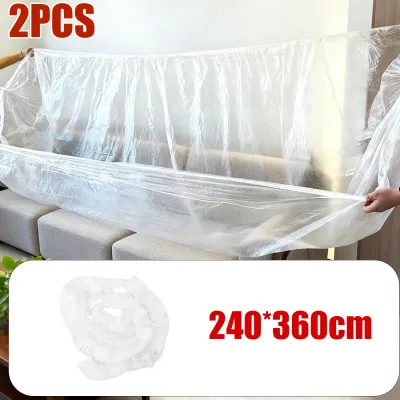
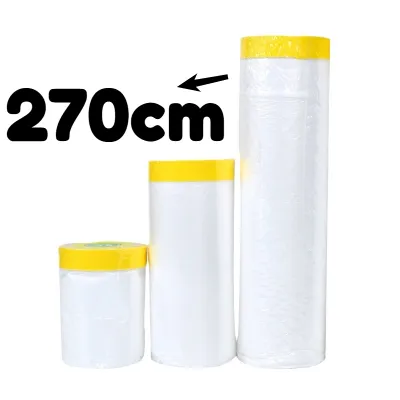
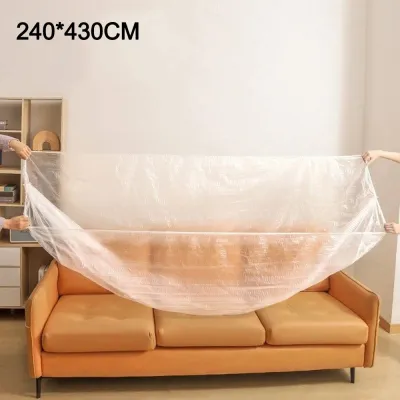
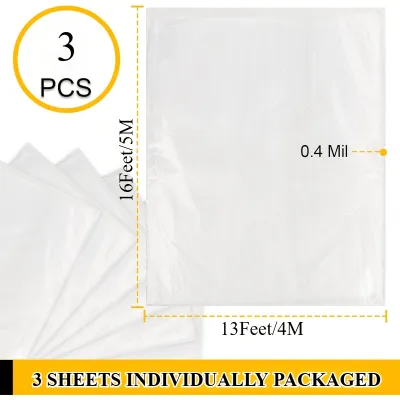
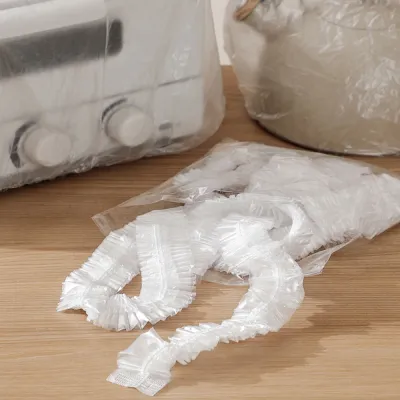
![[SG SELLER]10Pcs Large Thickened Plastic Dust Cover Multi-functional Disposable Household Appliance Dustproof Protective Cover](https://img.lazcdn.com/g/p/da88473adbffebc8adf737902bee5569.jpg_400x400q80.jpg_.webp)

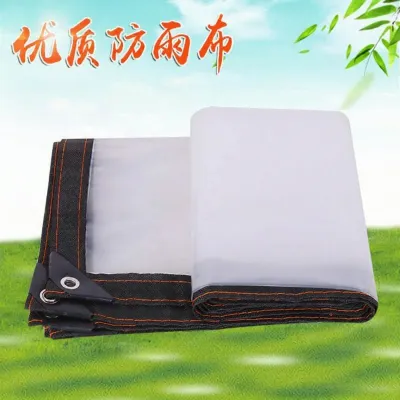
Prices are valid at publication and may change. Please refer to the product page for the latest price.
Next, evaluate the vulnerability of the furniture material itself. Unprotected fabrics, soft woods, and high-gloss finishes are highly susceptible to scratches, liquid penetration, and staining. Check the manufacturer’s care label on your furniture to see if the surface has been pre-treated with stain-resistant coatings or if it requires specific breathing room to maintain its integrity.
Finally, consider the local climate and humidity levels. In humid environments, such as Singapore, trapping air beneath a tight plastic seal can create a microclimate that encourages mold growth or ruins delicate wood varnishes. If the furniture is located in a well-ventilated, low-use area, the risks of using a plastic cover might outweigh the benefits, making standard cleaning a safer alternative.
Furniture That Benefits Most From Large Plastic Covers
Upholstered sofas and sectionals in high-traffic living rooms are prime candidates for large plastic covers, especially during transitional phases. If you are moving house, hosting a large gathering, or training a new pet, a temporary plastic cover prevents deep-set liquid stains, mud, and pet hair from embedding into the fabric fibers. It allows you to enjoy your living space without constant worry about permanent upholstery damage.

Dining tables and wooden desks also benefit significantly from thick, clear plastic protectors. These surfaces endure daily contact with hot plates, condensation from cold drinks, sharp writing utensils, and messy craft projects. A heavy-duty, heat-resistant plastic sheet acts as a sacrificial barrier, absorbing the impact of daily use while keeping the underlying wood grain or laminate pristine and free of water rings.
Semi-outdoor furniture, such as patio sets or balcony chairs, can also gain excellent protection from plastic covers when not in use. These pieces are constantly exposed to dust, pollen, and occasional rain spray. Utilizing a heavy plastic cover during stormy seasons keeps the cushions dry and clean, though you must ensure the cover is removed periodically to allow any trapped condensation to evaporate.
When a Big Plastic Cover Is Unnecessary or Counterproductive
Delicate natural woods, antique finishes, and genuine leather furniture should rarely be covered with solid plastic sheets. These materials are porous and need constant air circulation to maintain their natural moisture balance. Placing a non-breathable plastic cover over a genuine leather sofa can trap ambient humidity, leading to mold cultivation, cracking, or discoloration of the leather surface.
Similarly, furniture located in low-traffic areas of the home does not justify the aesthetic compromise of a plastic cover. Guest bedrooms, formal dining rooms, and display cabinets experience very little daily wear and tear. For these items, regular dusting and occasional polishing are more than enough to keep them in excellent condition without hiding their design under plastic.
Many modern furniture pieces also come equipped with advanced factory coatings that provide built-in resistance to scratches and stains. If your dining table features a high-performance polyurethane seal or a scratch-resistant laminate, adding an extra plastic layer is often redundant. In these cases, the built-in protection is already sufficient for normal daily use, making a plastic cover an unnecessary addition.
How to Select and Fit the Right Plastic Protector
To achieve effective protection without compromising safety, you must measure your furniture with high precision. For flat surfaces like dining tables, measure the exact length and width, and decide whether you want a flush-cut protector or an overhang that drapes over the edges. If your table has rounded corners, use a paper template to capture the exact radius so the plastic can be cut to fit perfectly.
When reviewing material specifications, pay close attention to the thickness and backing of the plastic. Thick, heavy-gauge plastic is ideal for dining tables because it stays flat under its own weight and resists heat. For high-gloss or glass tables, look for a frosted or textured underside; this prevents the formation of unsightly air bubbles and water-look spots between the plastic and the tabletop.
Always verify the care instructions and warranty terms of your furniture before purchasing a cover. Some synthetic plastics contain plasticizers that can chemically react with specific wood lacquers, causing the finish to soften or stick to the cover. Choosing a high-quality, chemically stable polymer protector ensures your furniture remains safe underneath the protective layer over the long term.
Frequently Asked Questions (FAQ)
Will a plastic cover trap moisture and damage my wood table?
Yes, a solid plastic cover can trap ambient humidity against a wooden surface, which can cloud the lacquer or cause the wood to warp. To prevent this, ensure the wood is completely dry before covering it, and use small felt pads or thin spacers to create a slight air gap. Regularly removing the cover to let the wood breathe is highly recommended, especially in humid climates.
How do I keep a large plastic cover from sliding off the sofa?
To secure a plastic cover on fabric upholstery, look for products designed with built-in elastic hems, adjustable anchor straps, or non-slip textured backings. Avoid using adhesive tapes, metal pins, or heavy clamps to secure the cover. These temporary fixes can easily puncture the fabric, tear the seams, or leave sticky residues that are incredibly difficult to clean.
Are there better alternatives to plastic for protecting dining tables?
If you prefer to avoid the look and feel of plastic, several practical alternatives exist. Padded fabric table pads offer excellent impact and heat resistance under a standard tablecloth. Alternatively, custom-cut tempered glass tops provide a premium, crystal-clear protective barrier that is highly durable, though they are heavier and require a larger initial investment than plastic sheets.
Community discussion
Share your experience or ask a question. Comments are reviewed before publication.