
Protecting your furniture from daily wear while preserving its aesthetic appeal is a common household challenge. High-use dining tables, delicate fabric sofas, and weather-exposed balcony furniture are the pieces that benefit most from plastic covers. Choosing the right protector requires matching the material—such as PVC, TPU, or PE—and thickness to the specific structural demands and environmental risks of each item.
By selecting the appropriate protective layer, you can prevent costly surface damage without sacrificing the functionality of your living spaces. This guide outlines how to identify which furniture pieces require immediate protection, how to evaluate different plastic materials, and how to maintain your covers safely.
Signs Your Furniture Needs a Plastic Protector
Determining whether your furniture requires a plastic cover involves evaluating your household habits, the vulnerability of your furniture materials, and your local environment. High-traffic homes with young children, pets, or frequent dinner guests are prime candidates for protective covers. Daily activities introduce a constant risk of food spills, marker stains, and physical impact from toys or utensils that can permanently mar expensive surfaces.
Products mentioned in this guide
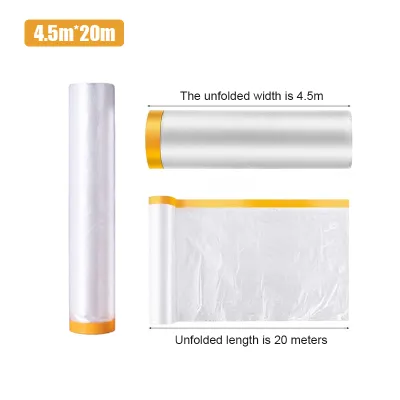
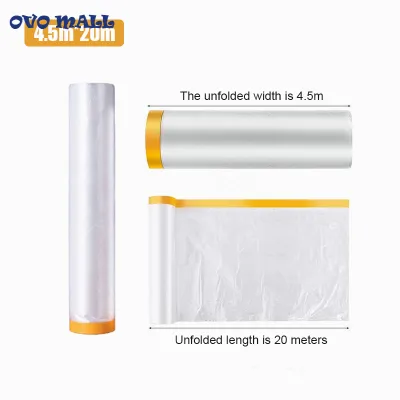
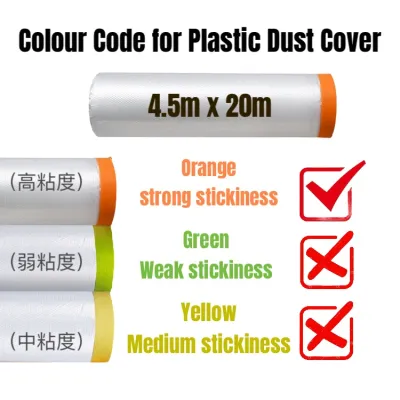
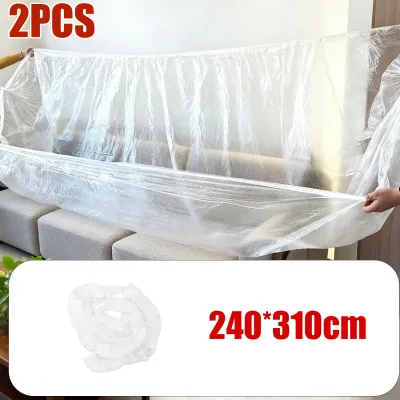
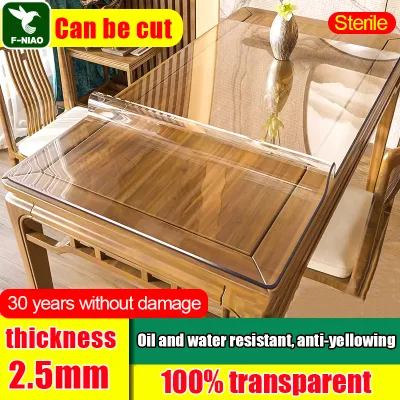
Prices are valid at publication and may change. Please refer to the product page for the latest price.
Environmental factors also play a critical role, particularly in tropical climates like Singapore’s. High ambient humidity—often exceeding 80% indoors when air conditioning is turned off—can make certain wood finishes more susceptible to moisture damage and mold growth when organic spills are left unattended. Additionally, intense ultraviolet (UV) radiation streaming through large windows or balcony doors can cause rapid fading, drying, and cracking of wood veneers, leather, and delicate fabrics.
To decide if a plastic cover is necessary for a specific piece of furniture, perform a simple three-point self-assessment:
- Surface Vulnerability: Is the furniture surface porous, soft, or easily scratched? Materials like unsealed wood, marble, and glass are highly susceptible to permanent damage.
- Cleaning and Restoration Complexity: If a spill occurs, can the material be easily wiped clean, or will it require professional steam cleaning, sanding, or refinishing?
- Financial and Sentimental Value: Is the item an expensive modern investment or a cherished family heirloom that would be difficult or costly to replace?
If your furniture meets any of these criteria and is located in a high-risk zone, installing a high-quality plastic cover is a practical, preventative step rather than an optional accessory.
Which Furniture Pieces Benefit Most from Plastic Covers?
Different types of furniture face distinct hazards. To maximize your protection strategy, focus on the pieces that experience the highest physical contact or environmental exposure.

Dining Tables and Coffee Tables
Dining and coffee tables are the workhorses of the home, making them highly vulnerable to scratches, impact dents, heat marks, and acidic stains. Glass tabletops show fingerprints and micro-scratches almost instantly, while natural marble is highly porous and can be permanently etched by acidic spills like citrus juice, vinegar, or coffee. Finished wood tables are particularly sensitive to heat rings from hot plates and watermarks from condensation on cold glasses.
A clear, rigid plastic table cover acts as an invisible shield. It preserves the natural beauty of wood grains or stone patterns while providing a completely waterproof, wipeable barrier. This allows you to use your tables daily for dining, homework, or crafts without worrying about permanent surface degradation.
Sofas and Upholstered Chairs
Fabric and leather upholstery are highly susceptible to liquid spills, body oils, pet hair, and claw scratches. Over time, high-wear areas like armrests and headrests can accumulate sweat and dirt, leading to localized discoloration and unpleasant odors that are difficult to extract from deep within the cushioning.
Flexible, soft plastic or thermoplastic polyurethane (TPU) covers offer excellent targeted protection for seating. However, fully covering a sofa in plastic introduces a distinct trade-off: it provides absolute protection against spills and pet damage, but it significantly reduces seating comfort and breathability. In warm climates, sitting on a fully plastic-wrapped sofa can cause heat and sweat to build up quickly. For the best balance, consider using fitted, partial plastic covers on armrests and headrests, or keep a full cover on hand to use temporarily during parties or pet-training phases.
Outdoor and Balcony Furniture
Balcony and patio furniture faces the harshest conditions, exposed to sudden tropical downpours, high humidity, airborne dust, and relentless direct sunlight. Left unprotected, metal frames can rust, wood can warp and split, and synthetic wicker can become brittle and unravel.
To protect these pieces, you need heavy-duty, opaque plastic covers or tarps made of polyethylene (PE) or heavy-grade polyester with a thick waterproof plastic backing. These covers must be securely fitted or tied down to withstand strong winds. It is important to note that clear, indoor-style PVC covers are completely unsuitable for outdoor use; they lack essential UV stabilizers, causing them to yellow, turn brittle, and tear within a few months of direct sun exposure.
How to Choose the Right Plastic Material and Design
Selecting the right cover requires understanding the physical properties of different plastics, as well as the specific design features that ensure safety and stability.
Material Comparison
- PVC (Polyvinyl Chloride): This is the most common material for flat table protectors. It is highly transparent, rigid, and cost-effective. However, cheap PVC can release a strong plastic odor initially and may contain plasticizers that can chemically react with certain delicate wood lacquers.
- TPU (Thermoplastic Polyurethane): TPU is a premium, eco-friendly alternative to PVC. It is highly flexible, completely odorless, resistant to yellowing, and safer for households with children. Its soft, pliable nature makes it ideal for wrapping around curved furniture edges and upholstery.
- PE (Polyethylene): PE is lightweight, highly water-resistant, and incredibly durable. It is the standard choice for heavy-duty outdoor tarps and protective covers rather than indoor aesthetic protectors.
Thickness Specifications
When purchasing a plastic cover, avoid vague marketing terms like “extra-thick” or “heavy-duty.” Instead, check the technical specifications for the exact measurement in millimeters (mm):
- 0.5mm to 1.0mm: Best for light-use surfaces, writing desks, or as a protective layer over a fabric tablecloth.
- 1.5mm to 2.0mm: The ideal standard for dining tables and coffee tables. This thickness provides excellent impact absorption against dropped cutlery and high heat resistance for hot mugs and plates.
- 3.0mm: Recommended for heavy-use commercial settings or exceptionally valuable tables where maximum impact protection is required.
Edge Profiling and Anti-Slip Features
For flat table covers, the edge design is crucial for comfort and safety. Standard straight-cut plastic covers can have sharp, rigid edges that scrape your forearms or snag clothing. Look for covers with a beveled edge (typically cut at a 65-degree angle), which provides a smooth transition from the table surface.
To prevent the cover from shifting, choose a product with built-in anti-slip properties. If you have a high-gloss, glass, or marble table, a completely clear, smooth plastic cover can trap air pockets, creating unsightly bubbles and water-mark patterns. For these smooth surfaces, select a cover with a frosted or textured underside, which allows trapped air to escape while maintaining a firm grip on the tabletop.
Measuring Guidelines
Before ordering a cover, measure your furniture dimensions carefully using a steel tape measure. For rectangular tables, measure the length and width at multiple points to ensure the table is perfectly square. If your table has rounded corners, do not guess the curve; use a paper template to trace the corner radius accurately so the manufacturer can cut the plastic to fit perfectly. For upholstered furniture, measure the maximum height, width, and depth, including any armrest overhangs, to ensure a snug fit that will not slide or tear at the seams.
Safe Installation, Maintenance, and When to Replace
Proper installation and regular maintenance are essential to prevent your plastic cover from causing secondary damage to the underlying furniture.
Application and Avoiding Air Bubbles
To install a flat table cover smoothly, clean the table surface thoroughly to remove all dust, grease, and moisture. Lay the cover down starting from one edge, slowly rolling it out across the table. Use a soft plastic squeegee, a clean cloth, or a cardboard card to smooth out the plastic as you go, pushing any trapped air bubbles toward the outer edges. For persistent bubbles on non-glossy surfaces, lifting the cover slightly and spraying a fine mist of water mixed with a single drop of dish soap can help slide the bubbles out; ensure the edges are completely dry afterward.
The Risk of Trapped Moisture
Applying a non-breathable plastic cover directly onto a wood table carries a significant risk of trapping ambient moisture. In humid climates, this trapped humidity can react with the wood’s protective lacquer or varnish, leading to a chemical reaction called “blushing,” which turns the finish a cloudy, milky white.
Before applying any plastic cover, check your furniture manufacturer’s care instructions. It is highly recommended to lift the plastic cover completely every two to three weeks, allowing both the wood surface and the underside of the plastic to air out and dry in a well-ventilated room for a few hours. Alternatively, place a breathable, high-quality fabric tablecloth between the wood table and the plastic cover to act as a protective buffer.
Cleaning and Care Instructions
Clean your plastic cover using only mild dish soap, lukewarm water, and a soft microfiber cloth. Avoid using abrasive scrubbing pads, steel wool, bleach, or harsh chemical solvents like alcohol or acetone. These substances will scratch the surface, strip away protective coatings, and permanently cloud the plastic, ruining its transparency.
When to Replace the Cover
Plastic covers are not permanent fixtures and will eventually degrade. Inspect your covers periodically for the following signs of failure:
- Severe Yellowing: Prolonged exposure to ambient light degrades the plastic polymers, causing them to turn yellow and unsightly.
- Brittleness and Cracking: The cover loses its flexibility, leading to cracks, split edges, or curling corners that create tripping hazards.
- Sticky or Tacky Texture: This indicates plasticizer migration, where the chemical softeners in the plastic begin to break down and seep to the surface, which can ruin your furniture's finish.
- Permanent Cloudiness: Micro-scratches and embedded grime that cannot be cleaned away obstruct the view of your furniture.
When any of these signs appear, replace the cover immediately to ensure continued protection and maintain the visual appeal of your home.
Frequently Asked Questions (FAQ)
Will a plastic cover ruin my wood dining table?
If left unattended, a non-breathable plastic cover can trap ambient humidity against the wood surface, which may react with the lacquer or varnish and cause cloudy white moisture stains. To prevent this, check your table manufacturer’s care instructions, ensure the wood finish is fully cured, and periodically lift the cover to let the wood breathe. Placing a thin fabric tablecloth beneath the plastic cover also provides a safe, breathable barrier.
How do I stop a clear plastic table cover from sliding?
To prevent sliding, choose a plastic cover that is thick and heavy enough (at least 1.5mm to 2.0mm) to stay in place under its own weight. For lighter covers, select a product with a textured or frosted underside, which naturally grips smooth surfaces. If necessary, you can also use small, double-sided adhesive pads designed specifically for furniture to secure the corners without damaging the underlying finish.
Community discussion
Share your experience or ask a question. Comments are reviewed before publication.