
Finding the right coffee table in Singapore involves balancing space constraints with your home’s design theme. The perfect choice anchors your living room, providing functionality without disrupting the flow of your layout. To make an informed decision, you must evaluate your room’s dimensions, assess your existing furniture, and understand how different styles interact with your daily routines.
Assess Your Living Room Space and Existing Decor
Singapore home layouts, particularly in HDB and BTO flats, often feature compact living rooms where every square centimeter matters. Before browsing styles, measure your available floor space precisely. Use a measuring tape to map out the footprint of your seating area, noting how much room remains between your sofa and the TV console.
Identify the dominant visual style of your existing furniture. Your sofa, TV console, and wall colors establish a baseline aesthetic. If you have a bulky, dark leather sofa, a heavy wooden coffee table might make the room feel dark and overcrowded. Conversely, a delicate glass table might look lost next to a massive sectional. Assess the visual weight of these anchor pieces to determine if your room needs a light, airy table to open up the space or a solid, grounded piece to balance it.
Products mentioned in this guide
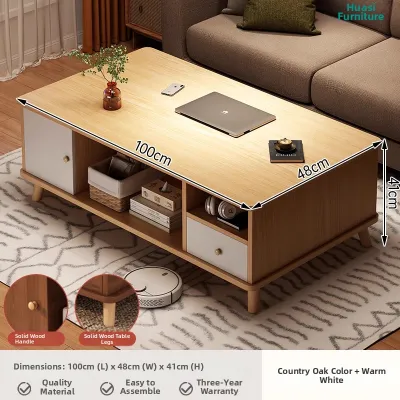
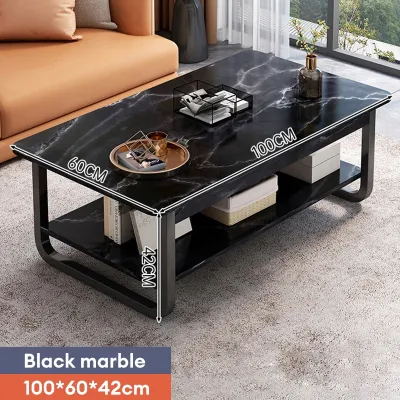
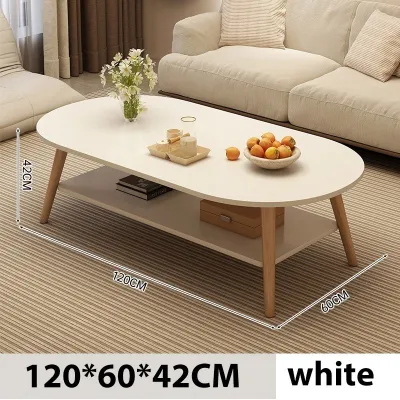
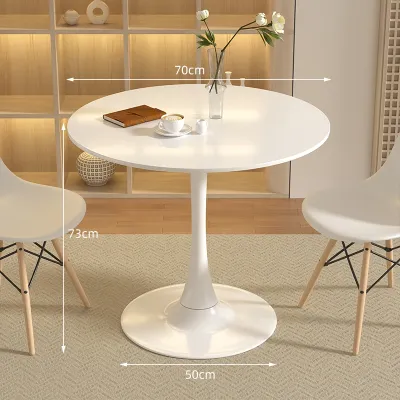
![[ SG ] ⚡ Coffee Table for Living Room Small Apartment Sofa Tea Table Simple Modern Balcony Tea Desk](https://img.lazcdn.com/g/p/6f72c518b9e014bbaf078b602f81e6aa.jpg_400x400q80.jpg_.webp)
![[SG STOCK] Living room small table sofa small coffee table](https://img.lazcdn.com/g/p/43b765b3ecca59310d5c3459313063ee.png_400x400q80.png_.webp)
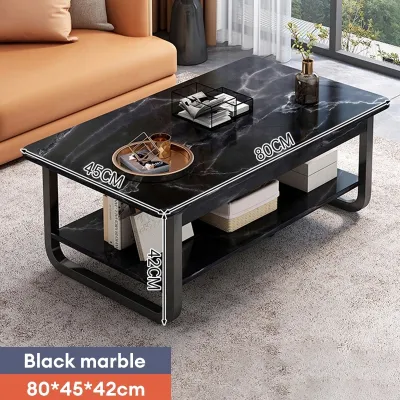
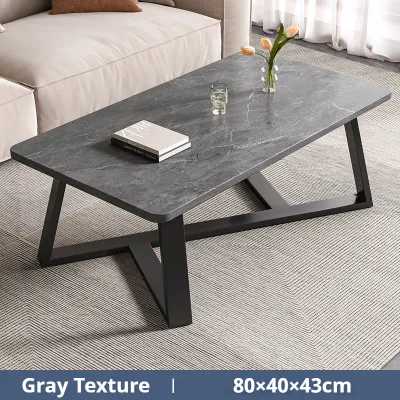
Prices are valid at publication and may change. Please refer to the product page for the latest price.
Incorporate standard clearance rules to maintain comfortable foot traffic. To ensure a clear walkway around the table, leave a clear path measuring between 60 cm and 75 cm so people can pass through without squeezing. The table itself should sit close enough to the sofa for easy reach but far enough to allow comfortable legroom. Keeping these boundaries in mind prevents your living room from feeling cramped or difficult to navigate.
Remember that the coffee table serves as a supporting element. It should complement your existing decor rather than compete with your primary anchor pieces. If your living room already features a bold accent wall or an ornate media console, choose a coffee table with simpler lines to avoid visual clutter. Balancing the textures and colors of your current furniture ensures the new addition integrates seamlessly.
Best Coffee Table Styles for Singapore Interiors
Scandinavian and Japandi Styles
Scandinavian and Japandi styles prioritize simplicity, natural materials, and functional beauty. These tables typically feature light-toned woods such as oak or ash, rounded edges, low-profile silhouettes, and organic or tapered shapes. The absence of sharp angles and heavy ornamentation creates an airy, uncluttered look that visually expands a room.

This aesthetic is highly effective for BTO living rooms that have limited natural light or compact square footage. The light timber reflects ambient light, making the entire seating area feel brighter and more open. Organic, rounded shapes also make it easier to navigate tight corners without bumping into sharp edges.
However, light-toned wood has specific limitations. The unfinished or lightly sealed surfaces can show stains from coffee, tea, or water spills more readily than darker, heavily varnished woods. To maintain the pristine appearance of a Scandinavian table, you must clean up spills immediately and use protective mats. Regular dusting and using specialized wood cleaners will keep the natural grain looking fresh.
Mid-Century Modern
Mid-century modern design brings retro-inspired warmth and structured character into the home. These coffee tables are characterized by rich walnut or teak finishes, iconic tapered legs, geometric or kidney-bean shapes, and occasional mixed-material construction, such as wood paired with brass or glass.
This style works best in living rooms that require a distinct visual focal point or those designed around a warm, earthy color palette. The rich wood grains add depth and a sense of craftsmanship to neutral spaces, pairing exceptionally well with olive green, mustard yellow, or rust-toned accents.
Keep in mind that darker woods and more substantial silhouettes carry heavier visual weight. In very small or poorly lit rooms, a solid walnut mid-century table can make the space feel cramped and dark. If you love this style but have limited space, look for designs with slender, tapered legs that keep the floor area visible, maintaining an open line of sight.
Industrial and Contemporary
Industrial and contemporary styles offer an edgy, raw aesthetic that emphasizes structural honesty and modern lines. Typical features include black metal frames, tempered glass tops, reclaimed or distressed wood surfaces, and clean, sharp geometric lines.
These tables excel in open-concept layouts, homes featuring exposed concrete or brick accent walls, and highly modern minimalist spaces. The combination of metal and glass provides a stark, sophisticated contrast that complements industrial lighting fixtures and neutral, cool-toned color schemes.
However, these materials come with practical trade-offs. Tempered glass tops require frequent cleaning to remove fingerprints, dust, and smudges, which show up clearly under direct lighting. Additionally, the sharp metal corners and hard edges characteristic of industrial designs can pose safety risks for households with toddlers or active pets, requiring protective corner guards or alternative placement.
Minimalist and Modern
Minimalist and modern coffee tables focus on high functionality and clean, clutter-free surfaces. These designs often feature concealed storage options, matte finishes, blocky geometric forms, and handle-less drawers that blend seamlessly into the table’s frame.
This style is ideal for busy households, families with young children, or anyone who prefers a strictly tidy living area. The integrated drawers and hidden compartments allow you to stow away remote controls, chargers, and daily clutter, keeping the tabletop clear and organized.
Before purchasing a minimalist storage table, always check the internal dimensions of the storage compartments. Ensure they are deep and wide enough to accommodate the specific items you plan to store, such as board games, magazines, or tablet devices, as some blocky designs have surprisingly shallow drawers that limit their practical use.
Essential Sizing and Material Checks Before You Buy
Choosing the right style is only half the battle; you must also verify the physical proportions and material specifications. A standard sizing rule of thumb is that the coffee table length should ideally be about two-thirds the length of your sofa. This proportion ensures the table is long enough for everyone sitting on the sofa to reach, without looking awkwardly small or overwhelmingly large.
Height is equally critical for comfort and ergonomics. The surface of your coffee table should be level with or slightly lower than the top of your sofa’s seat cushions. A table that is too high blocks the view of the television and feels unnatural to reach over, while a table that is too low requires awkward bending to pick up a cup or book.
Living in a tropical climate like Singapore requires careful material consideration. High humidity levels can cause solid wood to expand, contract, warp, or crack over time. Always check the manufacturer’s specifications regarding wood treatment and humidity tolerance. To protect the finish from moisture damage, make it a habit to use coasters under cold drinks to prevent condensation from leaving permanent water rings.
Safety and durability checks should never be overlooked. If you choose a table with glass components, verify that it carries a tempered or safety glass certification. For metal frames, check that the surface has been treated with an anti-rust or powder-coated finish to withstand the humid air, preventing corrosion and maintaining structural integrity over the years.
Compare Coffee Table Styles at a Glance
| Style | Best Suited For | Key Materials | Space Requirement | Maintenance Level |
|---|---|---|---|---|
| Scandinavian & Japandi | Compact BTO flats, bright and airy spaces | Oak, ash, light-toned woods | Low (compact profiles) | Moderate (susceptible to stains) |
| Mid-Century Modern | Warm color palettes, vintage-inspired rooms | Walnut, teak, tapered wood | Moderate (needs visual breathing room) | Low to Moderate (periodic wood care) |
| Industrial & Contemporary | Open-concept homes, concrete/brick accents | Black metal, tempered glass, reclaimed wood | Moderate to High (sharp angles) | Moderate (frequent glass wiping) |
| Minimalist & Modern | Busy families, storage-heavy households | Matte finishes, engineered wood, metal | Low to Moderate (blocky but functional) | Low (easy-to-clean flat surfaces) |
Frequently Asked Questions (FAQ)
What is the ideal distance between a sofa and a coffee table?
The standard rule of thumb is to maintain a gap of 40 to 45 cm between the edge of the sofa seat and the edge of the coffee table. This distance provides a comfortable balance, offering enough legroom for sitting down, standing up, and walking past while keeping drinks and books within easy arm’s reach. If you have a reclining sofa, make sure to measure this gap when the footrest is fully extended to avoid collisions.
Are glass coffee tables safe for homes with young children?
Glass coffee tables can pose risks in households with active toddlers, but safety depends heavily on the glass type and frame design. If you choose glass, ensure it is made of tempered or laminated safety glass, which is designed to crumble into small, dull pieces rather than shatter into sharp shards if broken. For maximum safety, opt for round or oval designs with beveled edges to eliminate sharp corners, or consider alternative options like solid wood tables or upholstered storage ottomans until children are older.
How do I protect a wooden coffee table from humidity in Singapore?
To protect a wooden coffee table from Singapore’s high humidity, place it away from direct sunlight and out of the direct path of air-conditioning vents, as rapid temperature and moisture fluctuations can cause the wood to warp or crack. Using a dehumidifier in your living room helps maintain a stable indoor climate. Additionally, clean the table with a dry or slightly damp microfiber cloth and apply manufacturer-recommended wood polish or wax periodically to seal the surface against moisture absorption.
Community discussion
Share your experience or ask a question. Comments are reviewed before publication.