
Choosing the correct mattress firmness for your child is a critical decision that directly impacts their safety, spinal alignment, and overall sleep quality. The ideal firmness level changes significantly as your child grows from a newborn into a toddler and eventually a school-aged child. For infants, an extra-firm surface is a non-negotiable safety requirement to prevent suffocation hazards, while older children require a balance of support and pressure relief to accommodate their growing bodies. Navigating these developmental stages requires understanding how mattress construction supports physical growth at every age.
Understanding Firmness Needs by Your Child's Developmental Stage
During the first year of life, infants require an exceptionally firm sleeping surface. This extreme firmness is not about adult preferences for comfort; it is a vital safety measure. A firm mattress prevents the infant’s face from sinking into the material, which helps maintain clear airways and reduces the risk of accidental suffocation. Additionally, an infant’s skeleton is rapidly developing, and a flat, unyielding surface provides the necessary resistance to support their soft, growing spine. Soft surfaces can allow the spine to curve unnaturally, potentially leading to posture issues later in life.
As your child transitions into the toddler stage, between one and three years of age, their physical needs begin to shift. Toddlers are much more active during sleep, frequently rolling, tossing, and changing positions. While they still require a highly supportive and firm base to keep their spine aligned, their bodies can tolerate a slightly more forgiving surface. A mattress with a tiny bit of cushioning can help relieve pressure points on their shoulders and hips as they become more active, ensuring they stay asleep longer without discomfort.
Products mentioned in this guide

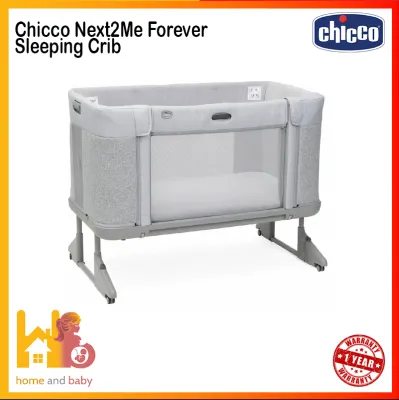
Prices are valid at publication and may change. Please refer to the product page for the latest price.
For preschool and school-age children aged four and older, the focus shifts toward balanced support. Their bodies are growing heavier, and their sleep positions become more defined, whether they prefer sleeping on their back, side, or stomach. At this stage, the mattress must offer enough structural integrity to prevent sagging under their increased weight, while providing sufficient comfort layers to accommodate their changing proportions. Proper support during these years is essential for healthy growth, muscle recovery, and daytime energy levels.
How to Physically Check if a Chicco Mattress Is Firm Enough
When evaluating a mattress in a showroom or checking a newly delivered model at home, you can perform a simple hand-press test to assess its firmness. Place your hand flat on the center of the mattress and press down firmly with your body weight. A safe, high-density mattress should resist your pressure and snap back to its original flat shape immediately after you release your hand. If your hand leaves a lasting indentation or if the material conforms closely to your palm, the mattress is too soft for an infant and should not be used.

Another critical area to inspect is the perimeter of the mattress. Press down along the edges and corners to ensure they remain rigid and do not collapse under pressure. Strong edge support is essential because toddlers often sit on the edge of the bed or roll close to the sides during the night. If the edges are weak, the child could slide off the bed or become trapped between the mattress and the bed frame. A sturdy perimeter also ensures the mattress fits snugly within the crib frame without leaving dangerous gaps.
Always verify the manufacturer’s official specifications and labels before finalizing your purchase. Look for clear age, weight, and usage guidelines printed directly on the product tag or packaging. These labels indicate whether the mattress has been engineered specifically for cribs, toddler beds, or older children, ensuring you do not accidentally use a model designed for a different developmental stage. Checking these specifications is the most reliable way to confirm that the mattress meets current safety standards.
Selecting the Right Chicco Mattress Construction for Your Child's Age
To maximize the lifespan of your purchase, look for dual-sided mattress designs that feature two distinct firmness levels. These mattresses are engineered with an extra-firm side tailored for infants and a slightly more cushioned, supportive side designed for toddlers. This dual-sided construction allows you to simply flip the mattress over when your child reaches the appropriate developmental milestone, saving you the expense of buying a completely new mattress. It represents a smart, long-term investment for growing families.
When reviewing mattress materials, prioritize high-density foam or robust innerspring cores. High-density polyurethane foam provides excellent, uniform support across the entire surface without the risk of sagging over time. Innerspring systems offer traditional, resilient support and excellent breathability, which helps regulate your child’s body temperature during warm, humid nights. Both constructions are highly effective at maintaining the necessary structural integrity for growing children, provided they are rated for the correct age group.
Avoid mattresses that feature plush pillow tops, thick memory foam comfort layers, or deep-contouring materials for infants and young toddlers. While these materials feel comfortable to adults, they pose serious safety risks for young children who cannot easily roll over if their face becomes pressed against a soft surface. Reserve contoured memory foam and plush comfort layers exclusively for older, school-aged children who have the strength and coordination to move freely and safely throughout the night.
Signs Your Child Is Ready for a Slightly Softer Surface
Recognizing when to transition your child to a slightly softer mattress surface often coincides with major developmental milestones. A common indicator is the transition from a standard crib to a toddler bed or a larger single bed. This transition typically occurs when your child is physically too large for the crib or begins attempting to climb out, signaling that their sleep environment needs an upgrade to match their growing independence. At this stage, a slightly softer surface can make the new bed feel more inviting.
You can also observe your child’s sleep posture and comfort levels during the night. If your older toddler or preschooler frequently wakes up, struggles to find a comfortable position, or has started sleeping primarily on their side, they may need a mattress with slightly more pressure relief. Side sleepers, in particular, benefit from a surface that allows their shoulders and hips to sink in just enough to keep their spine straight, which an ultra-firm infant mattress cannot provide. Persistent restlessness is often a sign that the sleeping surface is too hard.
Before making any adjustments or flipping a dual-sided mattress, always consult the manufacturer’s specific guidelines. Check the product manual or the mattress label for the recommended weight limits and age thresholds. Flipping the mattress too early can compromise safety, so it is essential to ensure your child meets the minimum age and weight requirements specified by the manufacturer before transitioning them to the softer side. Taking this step ensures that comfort never comes at the expense of safety.
Frequently Asked Questions (FAQ)
Can I use a regular adult mattress for my toddler?
Using a standard adult mattress for a toddler is generally not recommended because adult mattresses are designed for much heavier bodies. An adult mattress will often feel too soft for a toddler, lacking the specific resistance needed to support their developing spine and skeletal structure. Furthermore, adult mattresses do not undergo the same rigorous safety testing for chemical emissions, physical entrapment hazards, and firmness standards that are mandatory for dedicated children’s sleep products. Investing in a mattress designed specifically for children ensures their unique developmental needs are met.
Are dual-sided Chicco mattresses worth the investment?
Dual-sided mattresses are highly practical and cost-effective because they adapt to your child’s changing physical needs over several years. By offering an extra-firm side for infancy and a slightly softer, supportive side for toddlerhood, these mattresses eliminate the need to purchase two separate beds during your child’s early years. To ensure safety, always check the mattress labels for clear indicators of which side is which, and follow the manufacturer’s instructions regarding the correct age or weight to flip the mattress. This simple step ensures you get the maximum value and safety out of your purchase.
Community discussion
Share your experience or ask a question. Comments are reviewed before publication.